Why Puppies Need Booster Shots: Essential Guide
Founder & Veterinary Clinical Advisor at Pets Health Tips · DVM (Doctor of Veterinary Medicine), Member of the American Veterinary Medical Association (AVMA) · 14+ years in companion animal clinical triage, preventative nutrition, and geriatric pet therapy
Puppies need booster shots to survive their first year, and the reason comes down to one hard fact: their immune systems aren’t ready to fight off deadly diseases on their own. The question of why puppies need booster shots starts with maternal antibodies that fade fast, leaving a gap only vaccines can fill.
As of 2026, the American Veterinary Medical Association still recommends a strict schedule because missing a booster can mean the difference between a healthy dog and a life-threatening infection.
why puppies need booster shots
Puppies need booster shots to build lasting immunity. Maternal antibodies wear off by 12 to 16 weeks. Boosters fill the gap until their immune system matures.
Without them, puppies stay vulnerable to distemper, parvovirus, and rabies.
How Puppy Boosters Work: The Science Behind the Shots
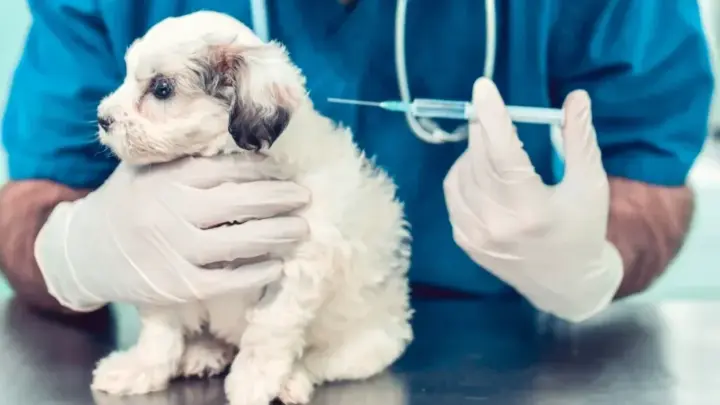
A puppy’s immune system starts weak. Maternal antibodies from their mother’s milk offer early protection, but these fade by 12 to 16 weeks. Booster shots step in to trigger the puppy’s own immune response, teaching their body to recognize and fight diseases like distemper, parvovirus, and adenovirus.
Each booster builds on the last, reinforcing immunity. The first shot primes the system, while follow-ups ensure long-term defense. Without this series, a puppy’s protection can drop to zero just when they need it most.
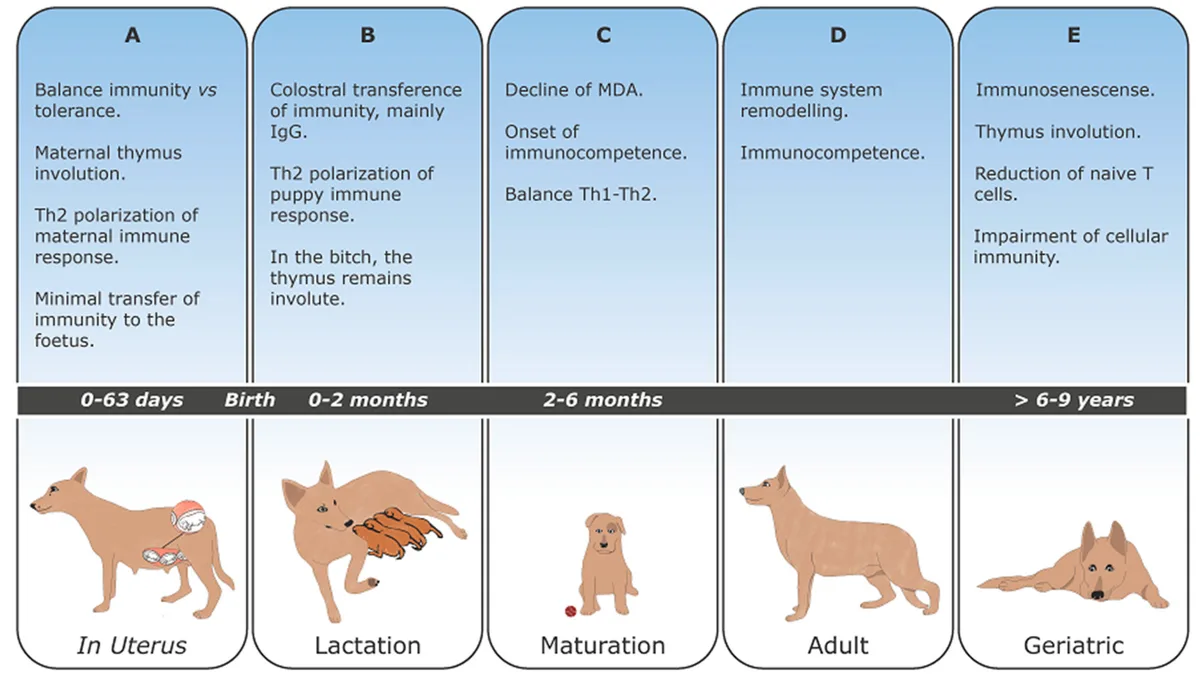
Image source: Bing (Web (fair-use with source credit))
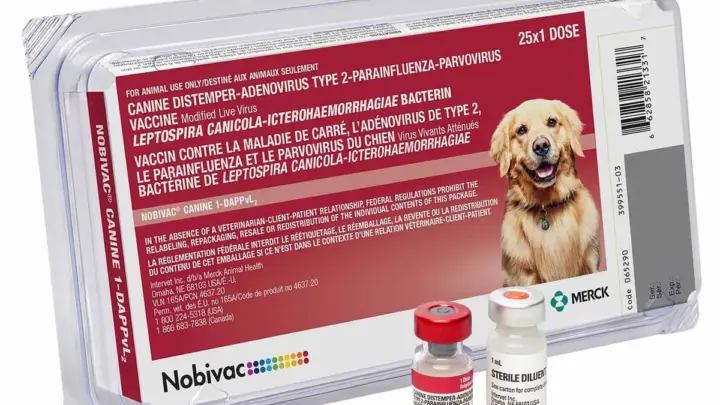
Vaccines contain either live, weakened viruses or inactivated versions. Live vaccines, like those for distemper and parvovirus, create a stronger, longer-lasting response. Inactivated vaccines, such as rabies, are safer for puppies with weaker immune systems but may require more frequent boosters.
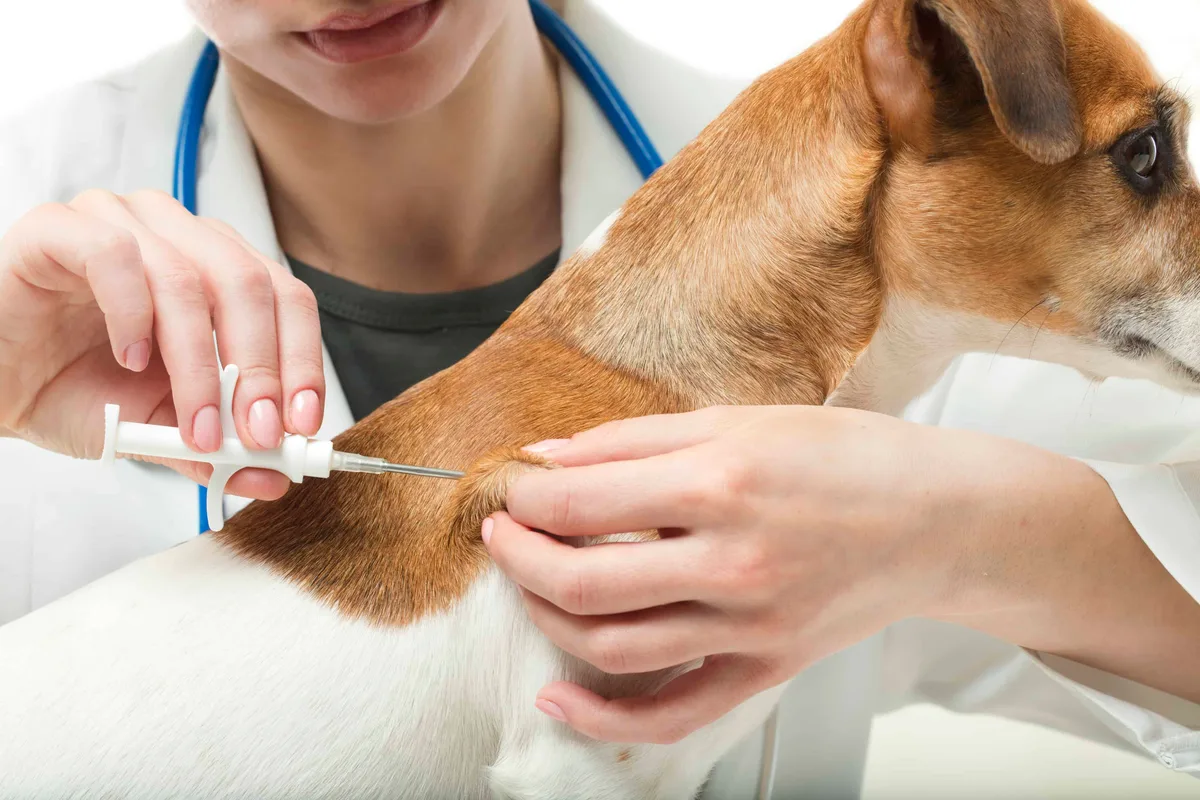
Image source: Bing (Web (fair-use with source credit))
Core Vaccines vs. Optional Ones: What Your Puppy Actually Needs
Not all vaccines are equal. Core vaccines are non-negotiable for every puppy, while non-core vaccines depend on lifestyle and risk.
Core vaccines protect against:
- Canine distemper virus (CDV): Fatal, highly contagious, and widespread.
- Canine parvovirus (CPV): Causes severe vomiting, diarrhea, and death, especially in unvaccinated puppies.
- Canine adenovirus (CAV): Leads to liver disease and respiratory issues.
- Rabies: Required by law in most areas due to its zoonotic risk (can spread to humans).
Non-core vaccines are optional but recommended in certain cases:
- Leptospirosis: For puppies in areas with standing water or wildlife exposure.
- Bordetella (kennel cough): Needed if your puppy will be in boarding, dog parks, or training classes.
- Lyme disease: For puppies in tick-prone regions.
- Canine influenza: For puppies in high-risk environments like dog shows or daycare.
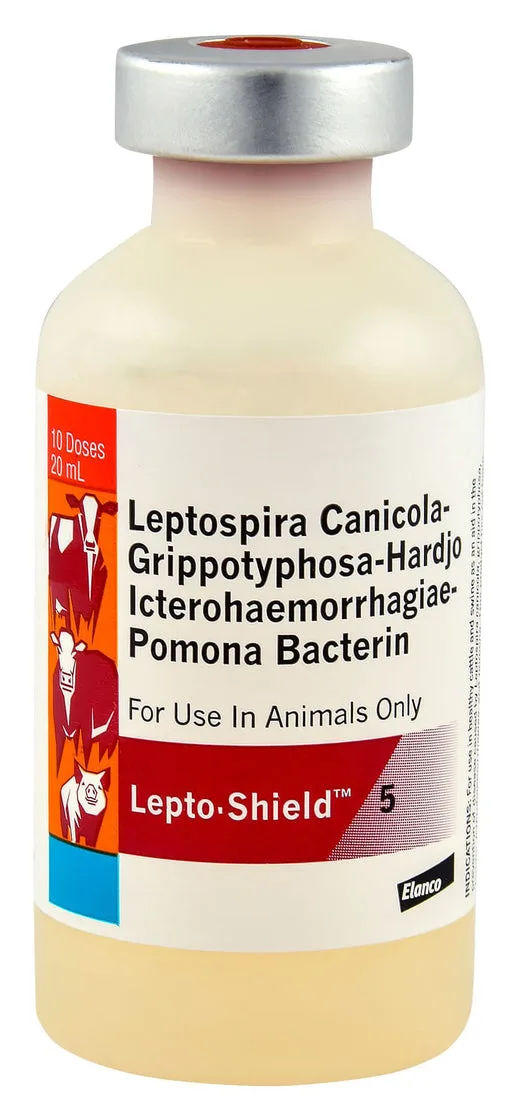
Image source: Bing (Web (fair-use with source credit))
The American Animal Hospital Association (AAHA) provides guidelines to help veterinarians tailor vaccine plans. Always consult your vet to determine which non-core vaccines your puppy needs based on their environment and lifestyle.
The Puppy Vaccine Schedule: When to Get Each Booster
Timing is everything with puppy vaccines. The standard schedule, per the American Veterinary Medical Association, ensures puppies develop immunity before maternal antibodies fade completely.
Here’s the typical timeline:
| Age | Vaccines Given | Notes |
|---|---|---|
| 6–8 weeks | DHPP (Distemper, Hepatitis, Parvovirus, Parainfluenza) | First dose primes the immune system. |
| 10–12 weeks | DHPP + Leptospirosis (if needed) | Second dose strengthens immunity. |
| 14–16 weeks | DHPP + Rabies | Rabies is legally required in most areas. |
| 12–16 months | DHPP + Rabies + Non-core boosters | Final puppy booster before adult schedule. |
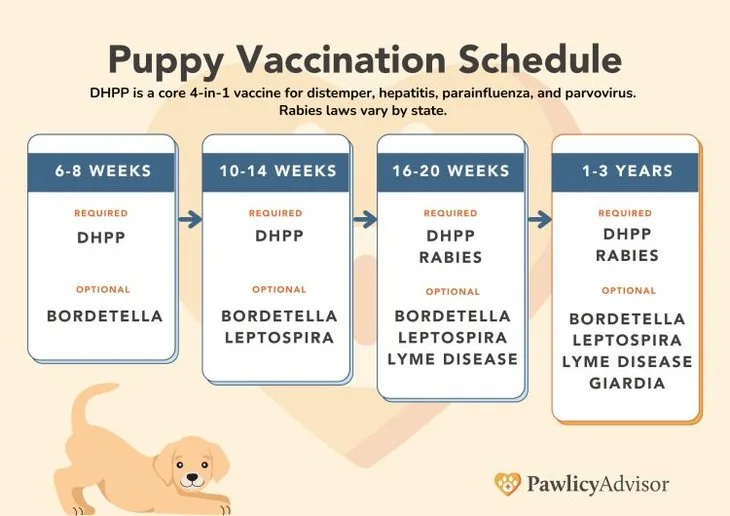
Image source: Bing (Web (fair-use with source credit))
Puppies should avoid high-risk areas like dog parks until 7, 14 days after their final booster. This waiting period ensures full immunity. Skipping or delaying boosters can leave gaps in protection, putting your puppy at risk of infection.
Some puppies may need an adjusted schedule. For example, those in high-risk environments (e.g., shelters, breeding kennels) might start vaccines as early as 4, 6 weeks. Always follow your vet’s recommendations, as they’ll consider your puppy’s specific needs and local disease risks.
Common Mistakes That Put Puppies at Risk
Even well-meaning owners make mistakes with puppy vaccines. One of the biggest is skipping boosters because the puppy "seems healthy." Without the full series, immunity isn’t guaranteed, and a single missed shot can leave them vulnerable.
Another common error is exposing puppies to unvaccinated dogs or public places too soon. Puppies can pick up diseases like parvovirus from contaminated surfaces, even if they don’t come into direct contact with an infected dog. Wait until your vet confirms full immunity before socializing.
Over-vaccinating is also a risk. Giving unnecessary boosters can lead to vaccine reactions, such as lethargy, fever, or, in rare cases, anaphylaxis. Stick to the recommended schedule and avoid "just in case" shots unless your vet advises otherwise.
Finally, assuming all vaccines are the same can be dangerous. Different brands and types have varying efficacy and side effect profiles. For example, some combination vaccines may not cover all strains of a disease.
Always use vaccines approved by your vet and tailored to your puppy’s needs.
Costs, Side Effects, and Safety: What to Expect
Puppy booster shots cost between $15 and $30 per dose. A full initial series typically runs $75 to $200, including vet exams. Non-core vaccines add $20 to $50 each.
Mild side effects are normal and may include lethargy, soreness at the injection site, or a slight fever. These usually resolve within 24 to 48 hours. Severe reactions like vomiting, diarrhea, or anaphylaxis are rare but require immediate vet attention.
To minimize risks, ensure your puppy is healthy before vaccination. Avoid vaccinating if they have a fever or are already sick. Some vets recommend spacing out vaccines by a few days to reduce the chance of reactions.
FAQs About Puppy Booster Shots
Why do puppies need multiple booster shots?
Puppies need multiple boosters because their immune systems are still developing. Maternal antibodies interfere with the first doses, so repeat shots ensure full protection.
Can I skip the last booster if my puppy seems fine?
No. Skipping the final booster leaves gaps in immunity. Puppies can still contract diseases even if they appear healthy.
How long after boosters can my puppy go to the dog park?
Wait 7 to 14 days after the final booster. This gives their immune system time to build full protection.
Are there any long-term risks from puppy vaccines?
Long-term risks are extremely rare. The benefits of vaccination far outweigh the minimal risks of side effects.
What if my puppy misses a booster?
Schedule it as soon as possible. Your vet may restart the series or adjust the timeline based on how much time has passed.

Similar Posts