Crusty Eyes in Dogs: Causes & Solutions
Founder & Veterinary Clinical Advisor at Pets Health Tips · DVM (Doctor of Veterinary Medicine), Member of the American Veterinary Medical Association (AVMA) · 14+ years in companion animal clinical triage, preventative nutrition, and geriatric pet therapy
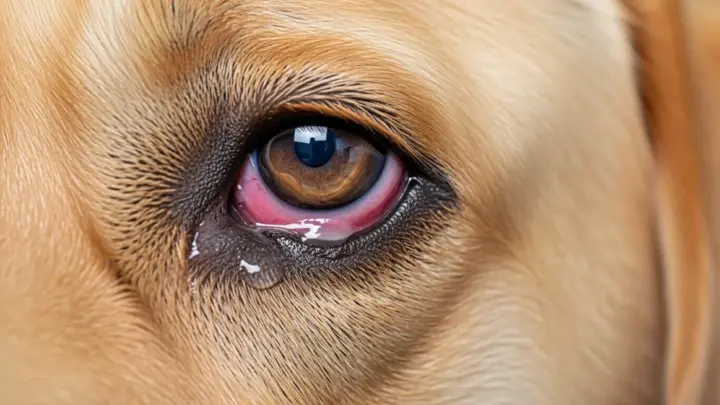
Crusty eyes in dogs causes range from minor irritants to serious health risks. If your dog wakes up with dried gunk around their eyes, it’s usually harmless, but not always. Some cases signal infections, injuries, or even systemic diseases that need a vet.
Per the American Veterinary Medical Association, eye discharge is one of the top reasons dogs visit the vet, with up to 20% of cases requiring medical treatment. Knowing the difference between a simple irritation and a red flag can save your dog’s vision.
crusty eyes in dogs causes
Crusty eyes in dogs are often caused by allergies, infections, or irritants. Bacterial or viral infections like conjunctivitis or distemper can produce thick, colored discharge. Dry eye (KCS) or blocked tear ducts also lead to crusty buildup.
Foreign objects or injuries may cause excessive tearing and crust.
The 6 Most Common Causes (and How to Spot Them)
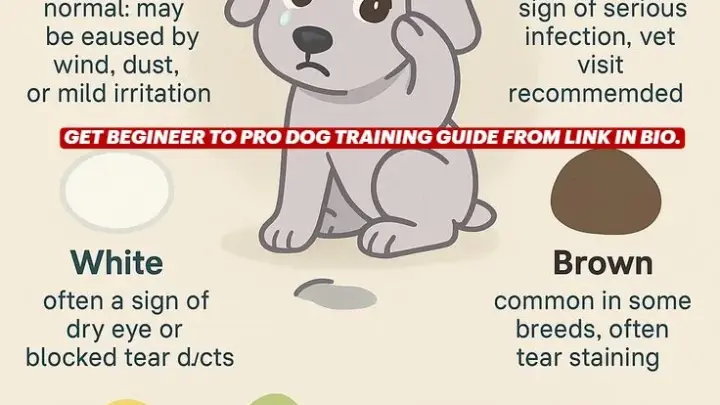
Dogs get crusty eyes for a handful of predictable reasons. The discharge’s color, texture, and other symptoms usually point to the culprit.
Allergies are a top offender. Pollen, dust, or household cleaners can trigger watery, clear discharge that dries into crust overnight. If your dog rubs their face or sneezes, allergies are likely.
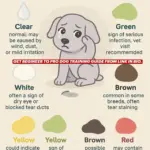
Bacterial infections produce thick, yellow or green gunk. This often sticks the eyelids shut and may come with redness or swelling. Left untreated, it can damage the cornea.
Viral infections like canine distemper or herpesvirus cause similar crusting but often include other symptoms. Lethargy, fever, or nasal discharge are red flags.
Dry eye (KCS) happens when tear glands don’t produce enough moisture. The result is a sticky, mucus-like crust, often with a dull, dry appearance to the eye itself.
Foreign objects, grass seeds, dirt, or debris, irritate the eye, leading to excessive tearing. The crust here is usually clear or slightly watery but can turn thicker if infection sets in.
Anatomical issues like entropion (eyelid rolling inward) or ectropion (droopy lids) cause chronic irritation. Breeds with flat faces or loose skin are especially prone.
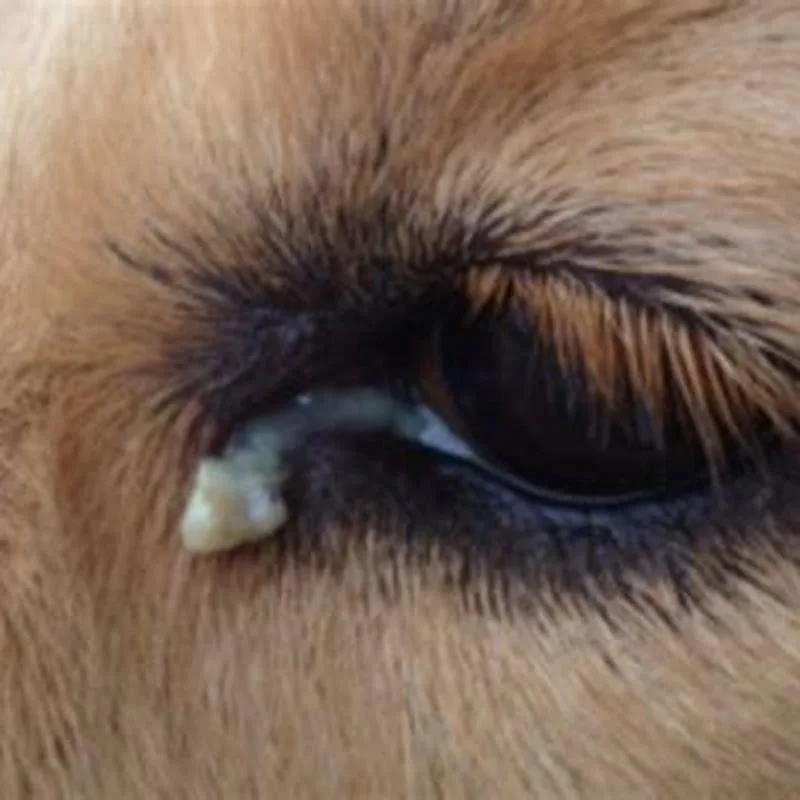
Image source: Bing (Web (fair-use with source credit))
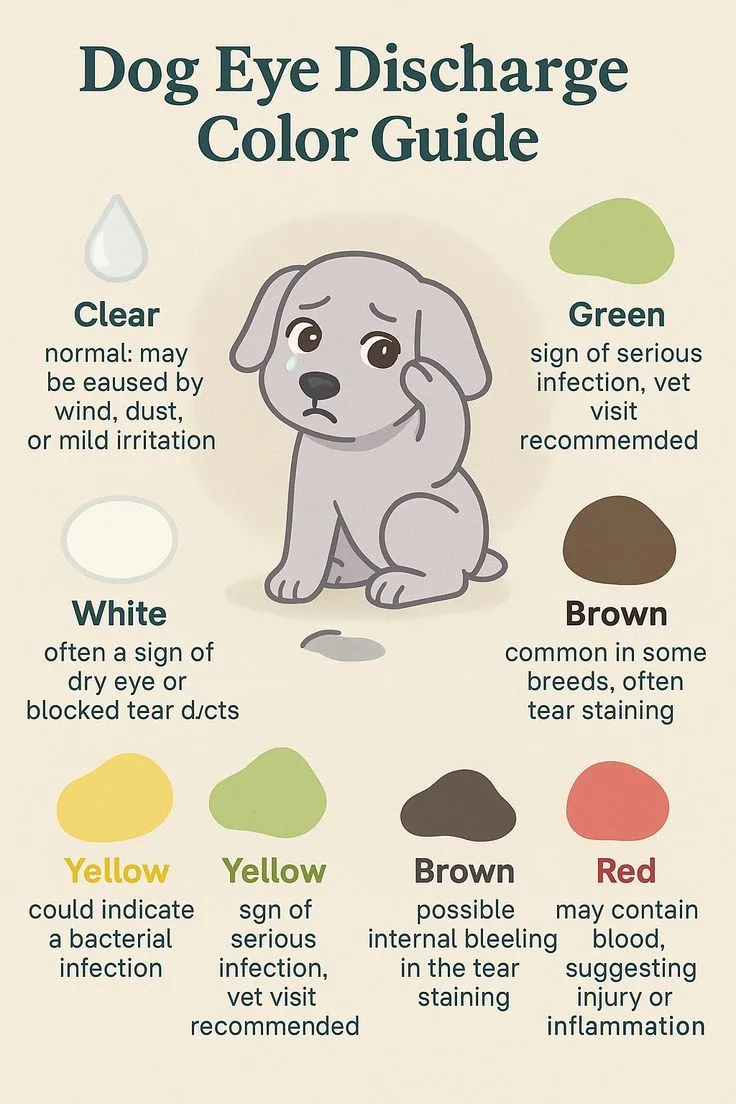
Image source: Bing (Web (fair-use with source credit))
When to Wipe and When to Run to the Vet
Not all crusty eyes need a vet visit, but some do. The key is knowing which signs are emergencies.
Wipe away clear or slightly watery crust if your dog seems otherwise fine. Use a damp, clean cloth and monitor for 24 hours. If it doesn’t improve or worsens, call the vet.
Seek immediate vet care for thick, colored discharge (yellow, green, or bloody). These often signal infection or injury. Other red flags include squinting, pawing at the eye, or a cloudy appearance.
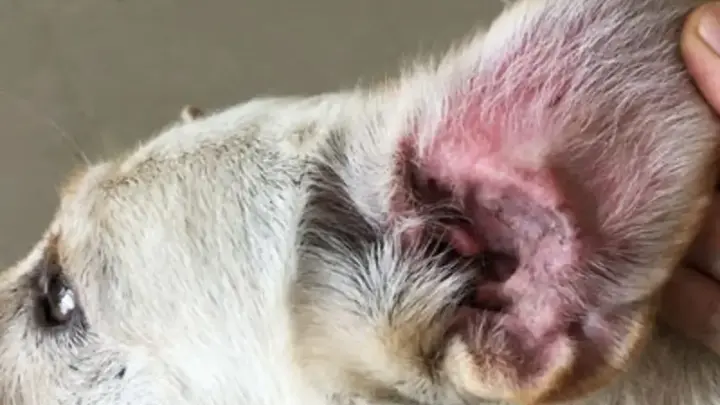
Redness or swelling around the eye is another warning sign. This could indicate an abscess, severe allergy, or even a corneal ulcer. Don’t wait, these can worsen fast.
If your dog shows systemic symptoms like fever, lethargy, or loss of appetite alongside crusty eyes, it could be distemper or another serious illness. This is a vet emergency.
For chronic crusting, especially in brachycephalic breeds (like Pugs or Bulldogs), a vet can check for underlying issues like dry eye or anatomical problems. Early intervention prevents long-term damage.
Safe Home Care vs. Dangerous DIY Mistakes
Cleaning your dog’s crusty eyes at home is safe if done right. The wrong approach can make things worse.
Do use a warm, damp cloth to gently wipe away crust. Stick to vet-approved saline solution if you need to flush the eye. Always use a clean cloth for each eye to avoid spreading infection.
Don’t use human eye drops like Visine. These can contain ingredients toxic to dogs. Avoid home remedies like tea bags, honey, or essential oils, these can irritate or even burn the eye.
Never use hydrogen peroxide, alcohol, or vinegar near your dog’s eyes. These can cause severe chemical burns. If you suspect a foreign object, don’t try to remove it yourself, you risk scratching the cornea.
If your dog resists or seems in pain, stop and call the vet. Forcing the issue can lead to injuries. When in doubt, a professional exam is the safest choice.
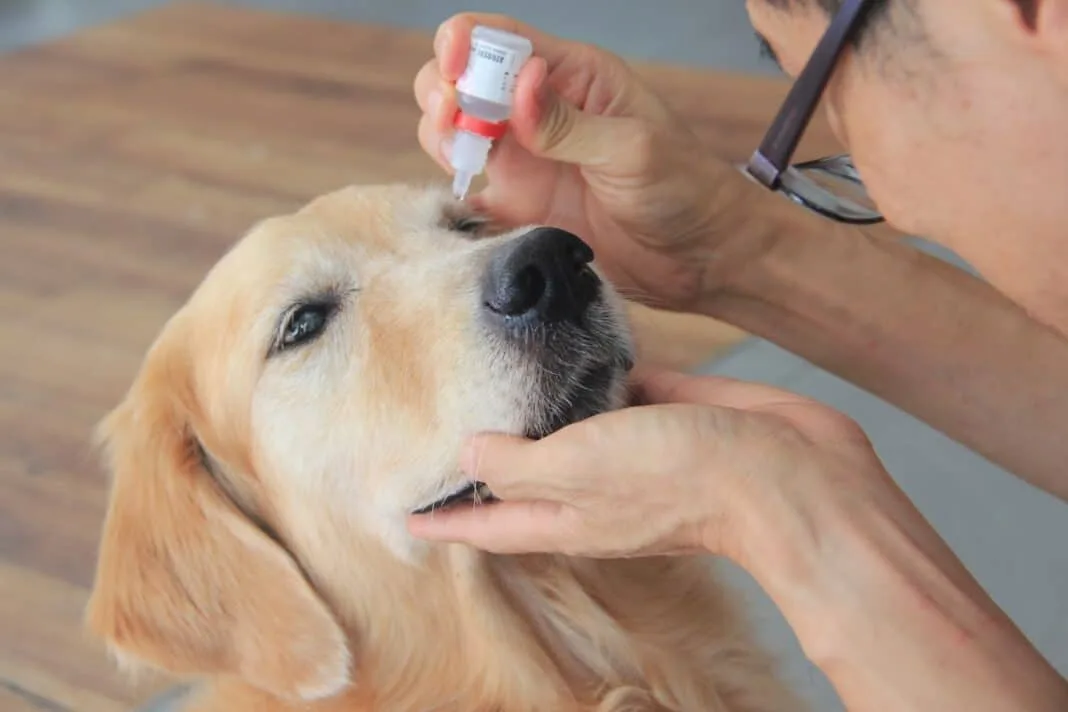
Image source: Bing (Web (fair-use with source credit))
Breed-Specific Risks and What They Mean for Your Dog
Some dogs are born with a higher risk of eye problems. Their anatomy makes them more prone to crusty eyes and related issues.
Brachycephalic breeds like Pugs, Bulldogs, and Shih Tzus have shallow eye sockets. Their eyes are more exposed to irritants and injuries. They also often have facial folds that trap dirt and moisture, leading to infections.
Dogs with long hair around their eyes, like Cocker Spaniels or Pekingese, can get hair rubbing against the cornea. This causes irritation and excessive tearing. Regular grooming helps prevent this.
Breeds with loose eyelids, such as Bloodhounds or Saint Bernards, are prone to ectropion. This condition leaves the eye exposed, increasing the risk of dryness and crusting. Entropion, where the eyelid rolls inward, is common in breeds like Chow Chows and can cause chronic irritation.
Small breeds like Chihuahuas or Pomeranians often have protruding eyes, making them more vulnerable to injuries and infections. Even a minor scratch can lead to serious issues.
If your dog falls into one of these categories, regular eye checks are a must. A vet can recommend preventive measures, like keeping facial folds clean or using dog-safe eye lubricants.
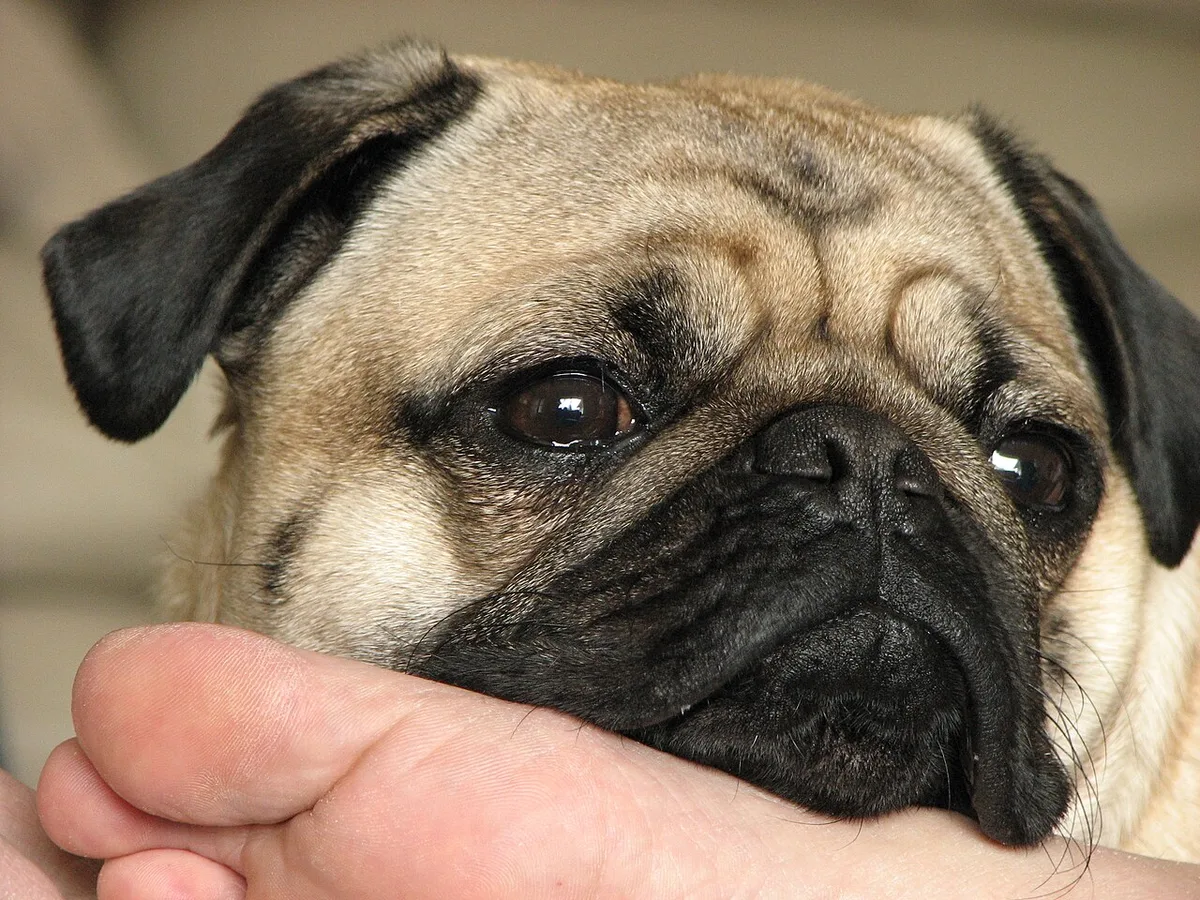
Image source: Wikimedia Commons / Photo by and (c)2007 Jina Lee (CC BY-SA)
Costs, Treatments, and What to Expect at the Vet
A vet visit for crusty eyes typically costs between $50 and $150 for an exam. If tests are needed, like a fluorescein stain for corneal ulcers or a Schirmer tear test for dry eye, add another $20 to $50.
Treatment costs vary by diagnosis. Antibiotics for bacterial infections run $20 to $80. Severe cases like corneal ulcers or surgery for entropion can reach $500 to $2,000.
Pet insurance often covers eye issues, but check your policy for exclusions.
At the vet, expect a full eye exam with a penlight and magnifying tools. They may take a swab for culture or run blood tests if systemic disease is suspected. For chronic issues like KCS, long-term medication may be prescribed.
Frequently Asked Questions
Why does my dog have crusty eyes in the morning?
Morning crust is usually dried tears or mucus from overnight. Allergies, dry air, or mild irritation often cause this. If it clears quickly and your dog seems fine, it’s likely normal.
Can I use human saline solution on my dog’s eyes?
Yes, but only plain, preservative-free saline. Avoid contact lens solutions or anything with additives. Vet-approved saline is the safest choice.
When should I worry about green eye discharge in my dog?
Green discharge usually signals a bacterial infection. This needs vet-prescribed antibiotics. Don’t wait, it can worsen quickly.
How do I clean my dog’s crusty eyes safely?
Use a warm, damp cloth with no soap or chemicals. Wipe gently from the inner corner outward. Never use cotton swabs or harsh products.
Are some dog breeds more prone to crusty eyes?
Yes. Brachycephalic breeds like Pugs and Bulldogs, or long-haired breeds like Cocker Spaniels, are at higher risk. Their anatomy makes them more vulnerable to irritation and infections.