Why Does My Dog Have Watery Eyes? Causes & Fixes
Founder & Veterinary Clinical Advisor at Pets Health Tips · DVM (Doctor of Veterinary Medicine), Member of the American Veterinary Medical Association (AVMA) · 14+ years in companion animal clinical triage, preventative nutrition, and geriatric pet therapy
Your dog’s watery eyes could be nothing, or a sign of something serious. If you’re wondering why does my dog have watery eyes, the answer usually comes down to allergies, irritants, infections, or anatomical issues like blocked tear ducts. Some breeds, like Pugs and Bulldogs, are especially prone to eye problems due to their facial structure.
About 10% of dogs develop eye issues each year, per veterinary data. The key is knowing when it’s a minor annoyance and when it’s an emergency.
why does my dog have watery eyes
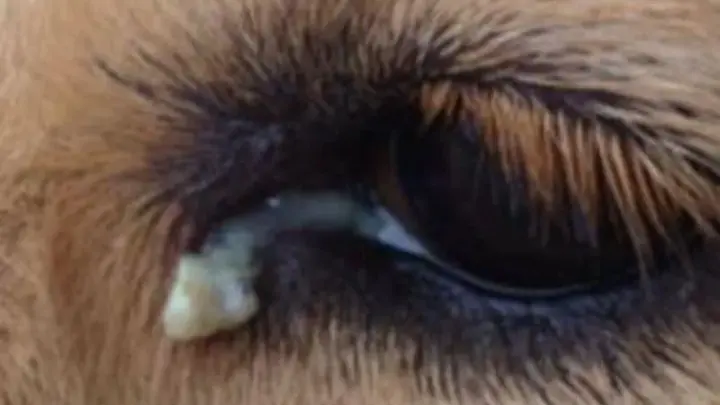
Watery eyes in dogs often mean irritation or infection. Allergies to pollen or dust can cause clear discharge. Foreign objects like grass seeds may trigger excessive tearing.
Blocked tear ducts or anatomical issues like entropion also lead to watery eyes.
Quick Answer: When to Worry vs. When to Wait
Clear, watery discharge with no other symptoms often resolves on its own. If your dog is squinting, pawing at their eye, or has thick, colored discharge, see a vet within 24 hours. Blood or a sudden cloudy eye means an emergency trip to the clinic.
Monitor for a day if the discharge is clear and your dog seems comfortable. If it worsens or persists, don’t wait, some conditions, like corneal ulcers, can cause permanent damage if untreated.
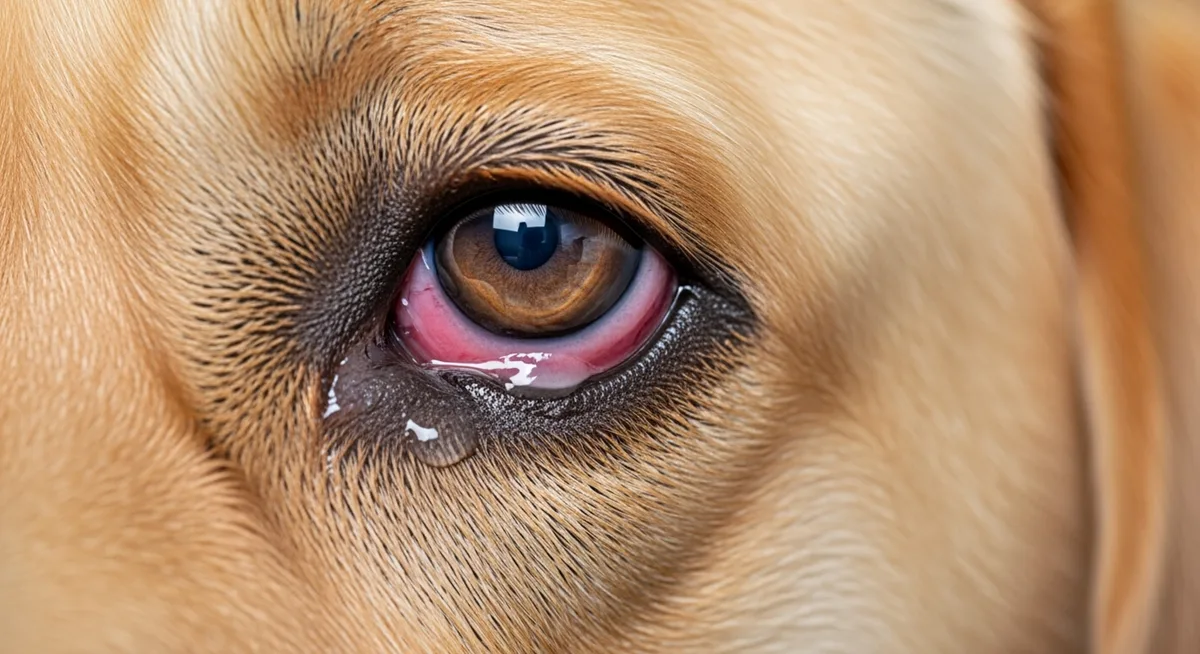
Image source: Bing (Web (fair-use with source credit))
6 Most Common Causes of Watery Eyes in Dogs
Allergies are a top culprit, especially in spring or fall. Pollen, dust, or even certain foods can trigger clear, watery discharge. Antihistamines or a vet-prescribed eye drop can help.
Foreign objects like dirt, grass seeds, or debris can scratch the eye, leading to excessive tearing. If your dog was outside and suddenly starts pawing at their eye, check for visible irritants.
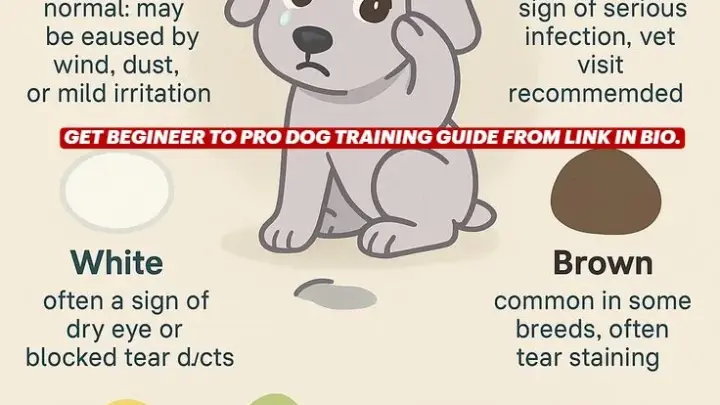
Infections often cause thick, yellow, or green discharge. Bacterial or viral conjunctivitis (pink eye) is common and contagious among dogs. Antibiotics or antiviral meds may be needed.
Blocked tear ducts prevent proper drainage, leading to overflow. This is more common in brachycephalic breeds like Shih Tzus. A vet can flush the ducts to restore flow.
Anatomical issues like entropion (eyelid rolling inward) or ectropion (droopy lower eyelids) cause chronic irritation. Surgery can correct these problems.
Corneal ulcers are painful scratches on the eye’s surface. They often result from trauma or dry eye. A vet will use a fluorescein stain test to diagnose and prescribe treatment.
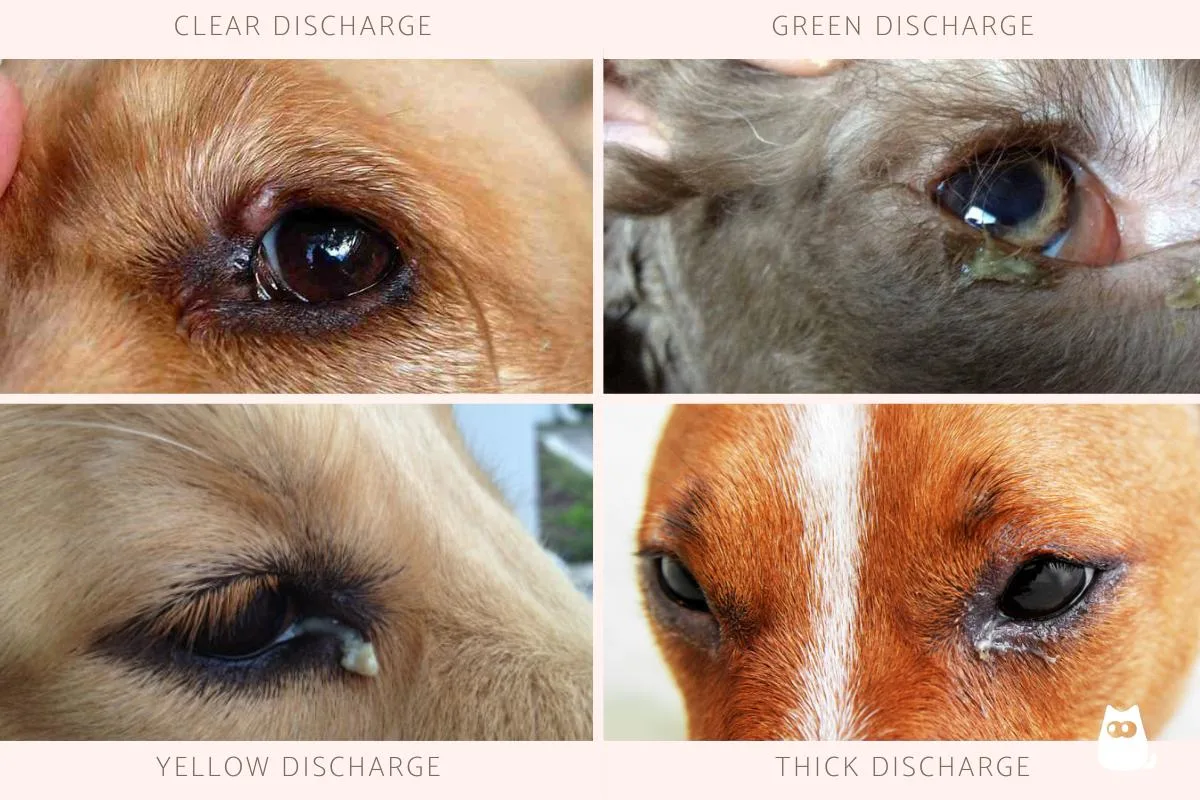
Image source: Bing (Web (fair-use with source credit))
How to Check Your Dog’s Eye at Home (Step by Step)
Start in a well-lit room. Gently lift your dog’s upper and lower eyelids to look for redness, swelling, or foreign objects. Use a flashlight if needed, but avoid shining it directly into the eye.
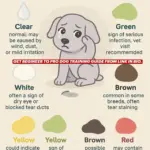
Check the discharge. Clear and watery often means allergies or irritants. Thick, yellow, or green discharge suggests infection.
Blood or pus requires immediate vet attention.
Look for other symptoms. Is your dog squinting, pawing at their eye, or avoiding light? These signs indicate pain or discomfort.
If you spot a foreign object, don’t try to remove it yourself unless it’s on the surface and easy to reach. Use a sterile saline solution to flush the eye gently. Never use human eye drops or tap water.
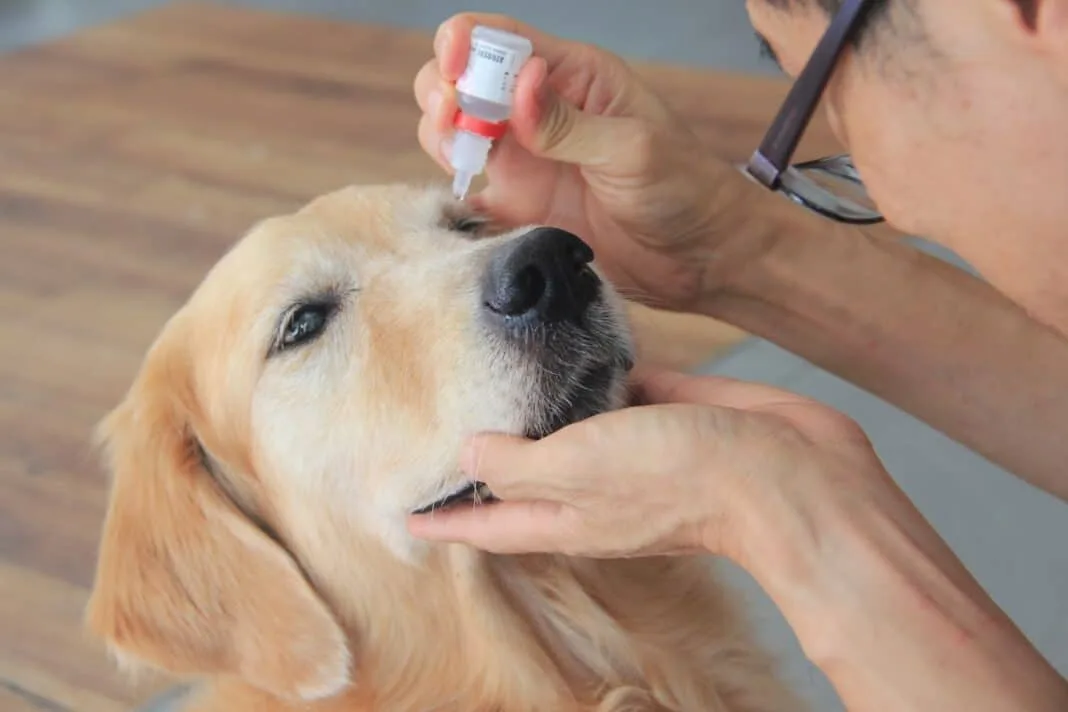
Image source: Bing (Web (fair-use with source credit))
When to See a Vet ASAP (Red Flags)
Go to the vet immediately if your dog’s eye is cloudy or they seem to have lost vision. Sudden blindness can signal a serious condition like glaucoma or a detached retina.
Thick, yellow, or green discharge often means a bacterial infection. Without treatment, it can worsen and cause permanent damage.
Blood in the eye or excessive redness is a sign of trauma or a severe issue like a corneal ulcer. Don’t wait, these conditions can deteriorate quickly.
If your dog is in visible pain, whining, or constantly pawing at their eye, they need professional help. Pain is a clear sign that something is wrong.
A bulging eye or a sudden change in its appearance could indicate an abscess or tumor. These require urgent veterinary care.
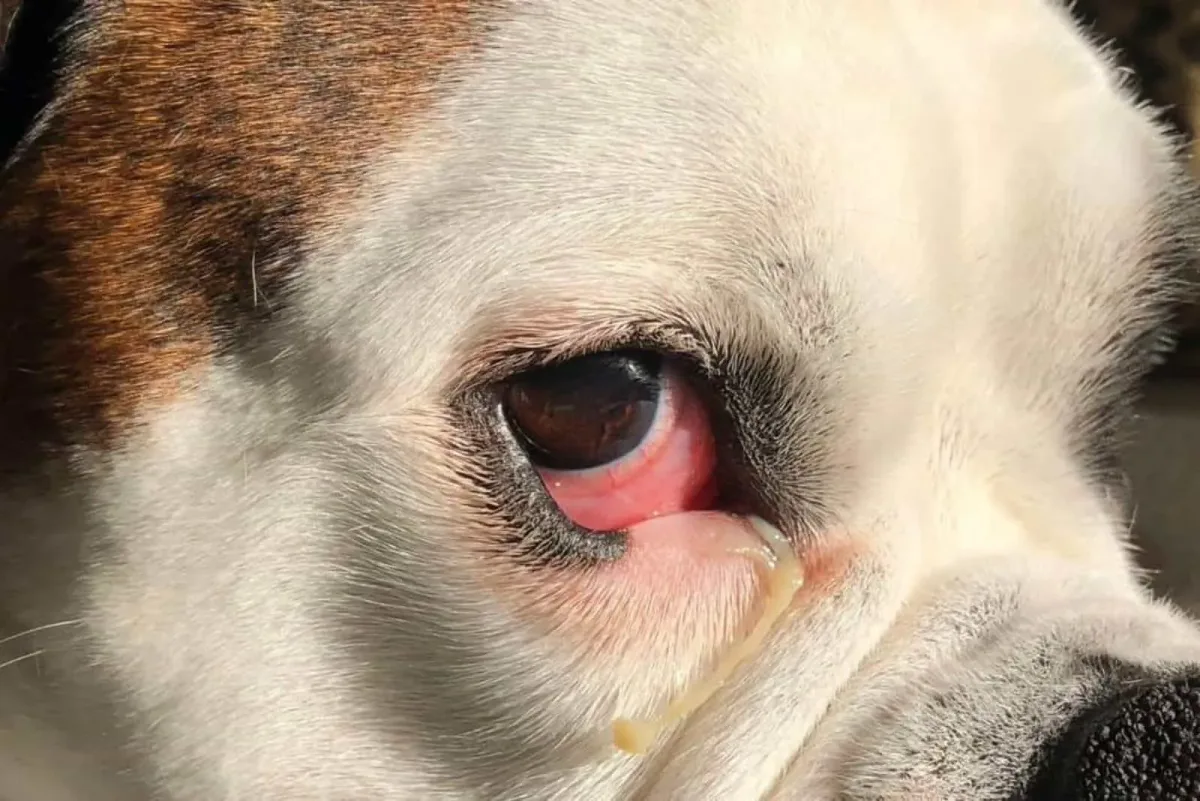
Image source: Bing (Web (fair-use with source credit))
Treatment Options: From Home Care to Vet Visits
For mild irritation, flush the eye with sterile saline. Use a clean cloth to wipe away discharge, but avoid touching the eye directly. Over-the-counter saline solutions for dogs are safe for this purpose.
If allergies are the cause, antihistamines like Benadryl can help, but check with your vet for the correct dosage. Never use human eye drops unless directed by a professional. Some ingredients, like those in Visine, can be toxic to dogs.
For infections, your vet may prescribe antibiotic or anti-inflammatory eye drops. Follow the full course of treatment, even if symptoms improve. Stopping early can lead to recurrence or resistance.
Severe cases like corneal ulcers or blocked tear ducts often require professional intervention. A vet might perform a tear duct flush or prescribe specialized medications. Surgery may be needed for anatomical issues like entropion or cherry eye.
Breed-Specific Eye Issues to Watch For
Brachycephalic breeds like Pugs, Bulldogs, and Shih Tzus have shallow eye sockets. This makes them prone to injuries, corneal ulcers, and dry eye. Their prominent eyes are more exposed to irritants and trauma.
Long-haired breeds like Cocker Spaniels and Pekingese often develop tear stains. Excessive tearing can lead to bacterial growth, causing dark stains under the eyes. Regular cleaning with a vet-approved solution helps manage this.
Breeds with loose facial skin, like Bloodhounds and Saint Bernards, may suffer from ectropion. This condition causes the lower eyelid to droop, exposing the eye to irritants. Surgery can correct the issue if it leads to chronic problems.
Small breeds like Chihuahuas and Yorkshire Terriers are more likely to develop dry eye (KCS). This occurs when the tear glands don’t produce enough moisture. Artificial tears or prescription medications can help manage the condition.
FAQs About Dog Eye Discharge
Why does my dog have a sudden watery eye?
Sudden watery eyes often mean an irritant like dust or a foreign object is present. Allergies can also cause a quick onset of clear discharge. If it persists beyond a day or worsens, see a vet.
Is dog eye discharge an emergency?
Thick, colored discharge or blood is an emergency. So is squinting, pawing at the eye, or sudden vision changes. Clear discharge with no other symptoms may not be urgent but should still be monitored.
Can I use human eye drops for my dog?
No. Human eye drops often contain ingredients that are unsafe for dogs. Always use vet-approved products.
If you’re unsure, saline solution is the safest option for flushing irritants.
How do I clean my dog’s watery eyes?
Use a clean, damp cloth to gently wipe away discharge. Avoid touching the eye itself. For stubborn debris, use a sterile saline solution to flush the eye.
Never use tap water or homemade remedies.
What does yellow eye discharge in dogs mean?
Yellow or green discharge usually signals a bacterial infection. This often requires antibiotic treatment. If left untreated, it can lead to more serious complications like corneal ulcers.