Common Causes of Pancreatitis in Dogs
Founder & Veterinary Clinical Advisor at Pets Health Tips · DVM (Doctor of Veterinary Medicine), Member of the American Veterinary Medical Association (AVMA) · 14+ years in companion animal clinical triage, preventative nutrition, and geriatric pet therapy
Pancreatitis in dogs is painful, dangerous, and often preventable. Knowing what can trigger pancreatitis in dogs helps you avoid the most common mistakes before they turn into an emergency.
As of 2026, vets report that dietary indiscretion, especially high-fat foods, accounts for over 50% of acute cases. The good news is that most triggers are within your control.
what can trigger pancreatitis in dogs
High-fat foods top the list. Obesity increases risk. Certain breeds like Miniature Schnauzers are more susceptible.
Medications and toxins can also cause it. Trauma or infections may trigger it too.
The 3 Most Common Causes You Can Control
The biggest culprit is diet. Feeding your dog fatty table scraps, greasy leftovers, or rich treats overloads the pancreas. Even a single high-fat meal can set off inflammation in sensitive dogs.
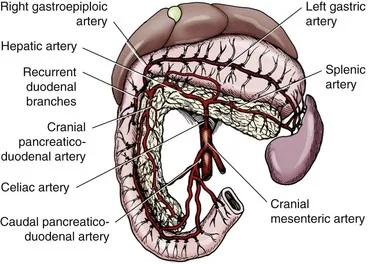
Image source: Bing (Web (fair-use with source credit))
Obesity is another major factor. Extra weight forces the pancreas to work harder, making inflammation more likely. Keeping your dog at a healthy weight reduces strain on their digestive system.

Image source: Bing (Web (fair-use with source credit))
Dietary indiscretion goes beyond just fat. Dogs that raid trash cans or eat spoiled food are at higher risk. Always secure your garbage and avoid leaving food unattended.
Less Obvious Triggers (Medications, Toxins, and Hidden Risks)
Some medications can trigger pancreatitis. Corticosteroids, potassium bromide, and certain chemotherapy drugs are known offenders. Always discuss potential side effects with your vet before starting new treatments.
Toxins are a less common but serious risk. Organophosphate pesticides, found in some flea treatments and garden chemicals, can damage the pancreas. Keep your dog away from areas recently treated with pesticides.
Underlying health issues also play a role. Dogs with diabetes, hyperlipidemia, or hypothyroidism are more prone to pancreatitis. Regular vet check-ups help catch these conditions early.
Infections can sometimes lead to pancreatic inflammation. Leptospirosis and babesiosis are two examples. Vaccinations and parasite prevention reduce these risks.
How to Spot the Early Warning Signs
The first sign is often vomiting. It may start suddenly and happen repeatedly. Some dogs also develop diarrhea, which can be severe.
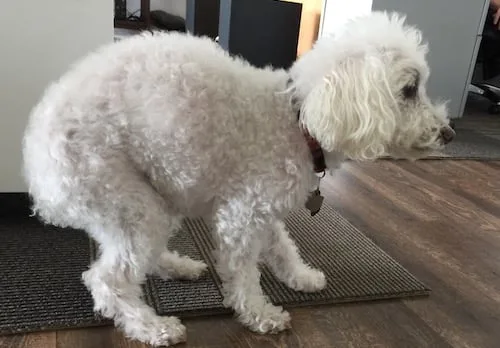
Image source: Bing (Web (fair-use with source credit))
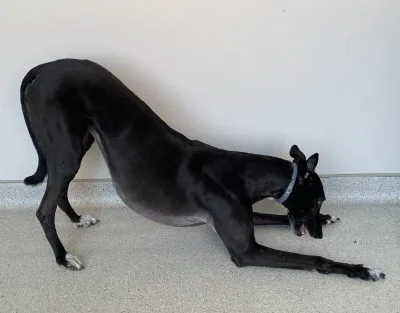
Abdominal pain is another red flag. Your dog might hunch their back, whine, or avoid being touched. They may also seem restless or unable to get comfortable.
Lethargy and loss of appetite are common too. A dog that normally eats eagerly but suddenly refuses food needs attention. Dehydration can set in quickly, making these symptoms worse.
In severe cases, you might notice a distended abdomen or difficulty breathing. These are emergency signs. According to the American Veterinary Medical Association, immediate vet care is critical.
What to Do If You Suspect Pancreatitis
First, stop all food and water. This gives the pancreas a chance to rest. Offering even small amounts can worsen inflammation.
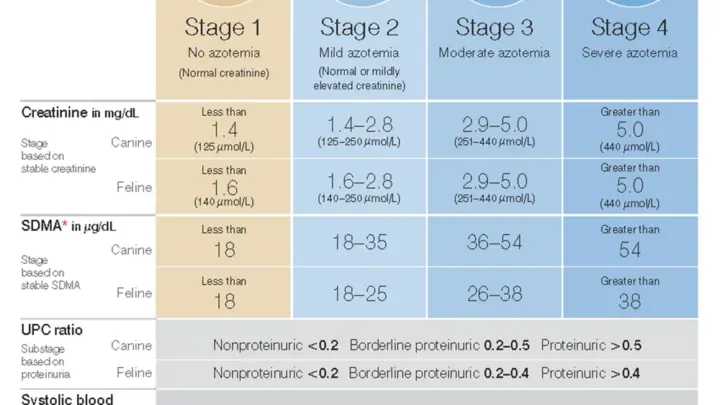
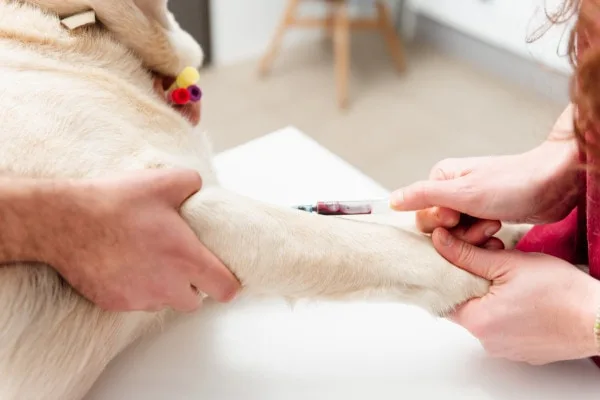
Next, contact your vet immediately. Pancreatitis can escalate quickly, and early treatment improves outcomes. Your vet may recommend blood tests, ultrasounds, or X-rays to confirm the diagnosis.
Hospitalization is often needed for severe cases. IV fluids, pain management, and anti-nausea medications are standard treatments. Dogs with mild cases may recover at home with strict dietary management.
Never give human pain relievers like ibuprofen or acetaminophen. These are toxic to dogs and can cause further damage. Only use medications prescribed by your vet.
Long-Term Prevention: Diet, Lifestyle, and Vet Care
A low-fat diet is the cornerstone of prevention. Choose high-quality dog food with moderate fat levels. Avoid table scraps, fatty treats, and rich foods entirely.
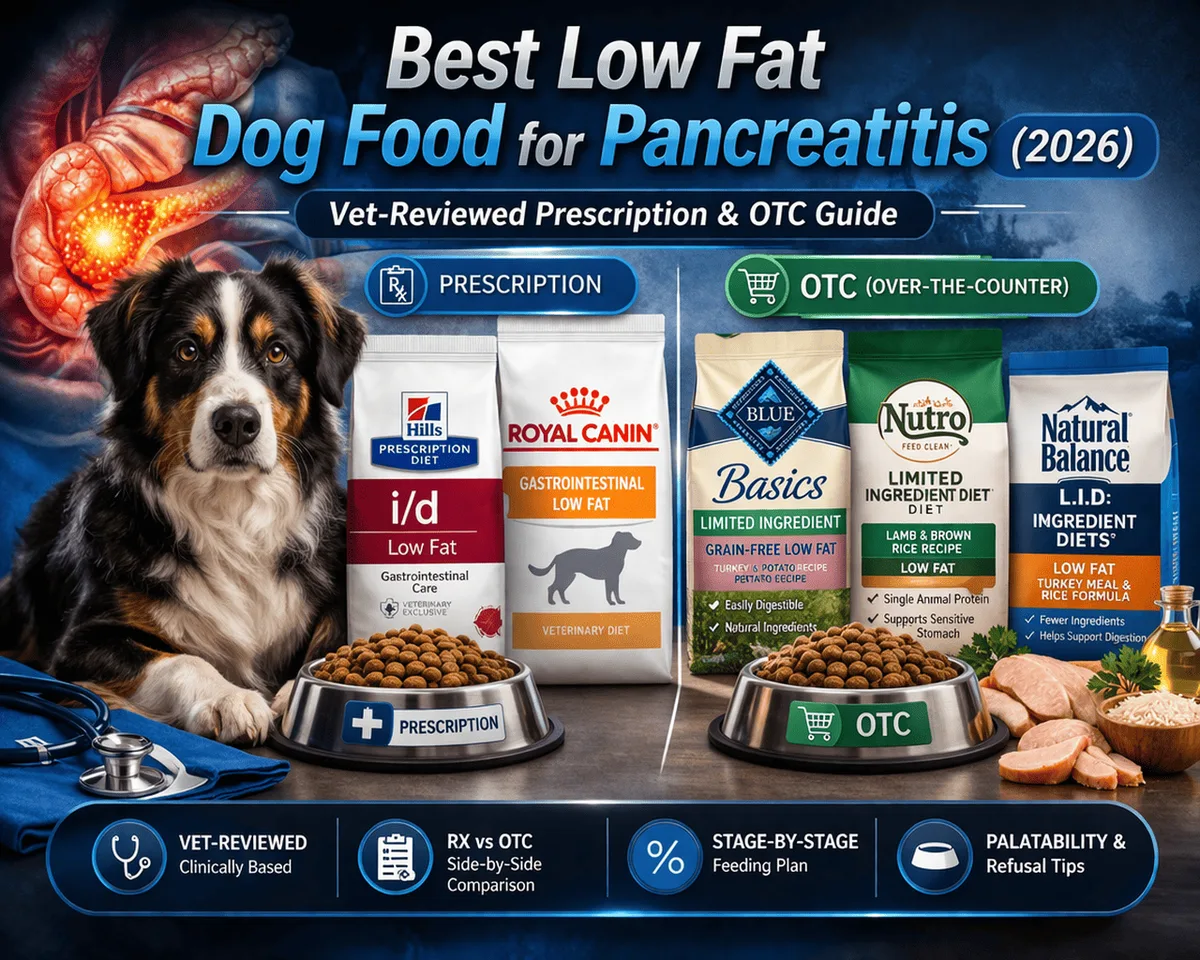
Image source: Bing (Web (fair-use with source credit))
Portion control matters too. Overfeeding, even with healthy food, can lead to obesity. Follow your vet’s recommendations for daily calorie intake.
Regular exercise helps maintain a healthy weight. Aim for daily walks and playtime tailored to your dog’s age and breed. Avoid sudden, intense activity if your dog isn’t used to it.
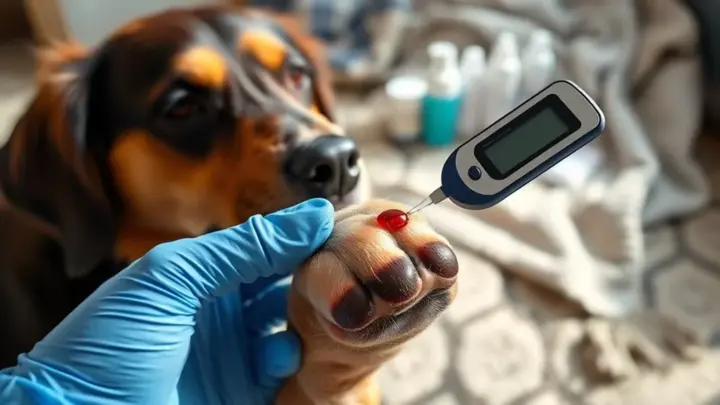
Schedule annual vet check-ups. Blood work can catch early signs of metabolic issues that increase pancreatitis risk. Senior dogs or breeds prone to pancreatitis may need more frequent monitoring.
Consider a pancreatic enzyme test if your dog has a history of digestive issues. The Spec cPL test, as outlined by the American College of Veterinary Internal Medicine, is a reliable way to assess pancreatic health.
Frequently Asked Questions
Can a single fatty meal cause pancreatitis in dogs
Yes, one high-fat meal can trigger it. Dogs with a history of pancreatitis are especially vulnerable. Even healthy dogs can react badly to sudden fat overload.
What breeds are most at risk
Miniature Schnauzers, Yorkshire Terriers, and Cocker Spaniels top the list. These breeds have a genetic predisposition. Obesity in any breed increases the risk further.
How is pancreatitis diagnosed
Vets typically use blood tests to check pancreatic enzyme levels. The Spec cPL test is the most reliable. Ultrasound or X-rays may confirm inflammation or rule out other issues.
What’s the recovery time for mild cases
Most dogs improve within 2 to 5 days with proper care. Severe cases may take weeks. Hospitalization speeds recovery for critical patients.
Can pancreatitis come back
Yes, chronic pancreatitis can recur. Dietary management is key to prevention. Regular vet check-ups help catch early signs before they worsen.

Similar Posts