How Dental Disease Harms Your Dog’s Health
Founder & Veterinary Clinical Advisor at Pets Health Tips · DVM (Doctor of Veterinary Medicine), Member of the American Veterinary Medical Association (AVMA) · 14+ years in companion animal clinical triage, preventative nutrition, and geriatric pet therapy
Bad breath isn’t just a nuisance, it’s often the first sign of a much bigger problem. Understanding why dental disease affects dog health starts with recognizing that what happens in your dog’s mouth doesn’t stay there. Left untreated, it can silently damage their heart, kidneys, and even shorten their lifespan.
The numbers don’t lie. By age 3, 80% of dogs show signs of dental disease, per the American Veterinary Medical Association. That’s not just about sore gums, it’s a systemic issue that demands attention.
why dental disease affects dog health
Dental disease lets harmful bacteria multiply in your dog’s mouth. These bacteria enter the bloodstream and spread to vital organs. This triggers inflammation in the heart, kidneys, and liver.
Chronic infections weaken the immune system over time.
The Direct Link Between a Dog’s Mouth and Their Whole Body
A dog’s mouth is a gateway to their entire body. When plaque and tartar build up, they create the perfect environment for bacteria to thrive. These bacteria don’t just stay put, they travel.
Through the bloodstream, they reach the heart, kidneys, and liver, causing inflammation and damage.
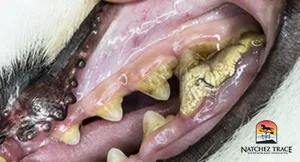
Image source: Bing (Web (fair-use with source credit))
This isn’t just theory. Studies show that dogs with advanced dental disease are more likely to develop endocarditis (heart infection) and kidney disease. The American Veterinary Dental College confirms that oral bacteria can adhere to the heart valves, leading to serious cardiac issues.
It’s a chain reaction: poor oral health leads to systemic inflammation, which then accelerates organ damage.
Small breeds are especially vulnerable. Their teeth are crowded, making it easier for plaque to accumulate. Brachycephalic breeds (like Bulldogs and Pugs) also struggle, as their facial structure traps food and bacteria more easily.
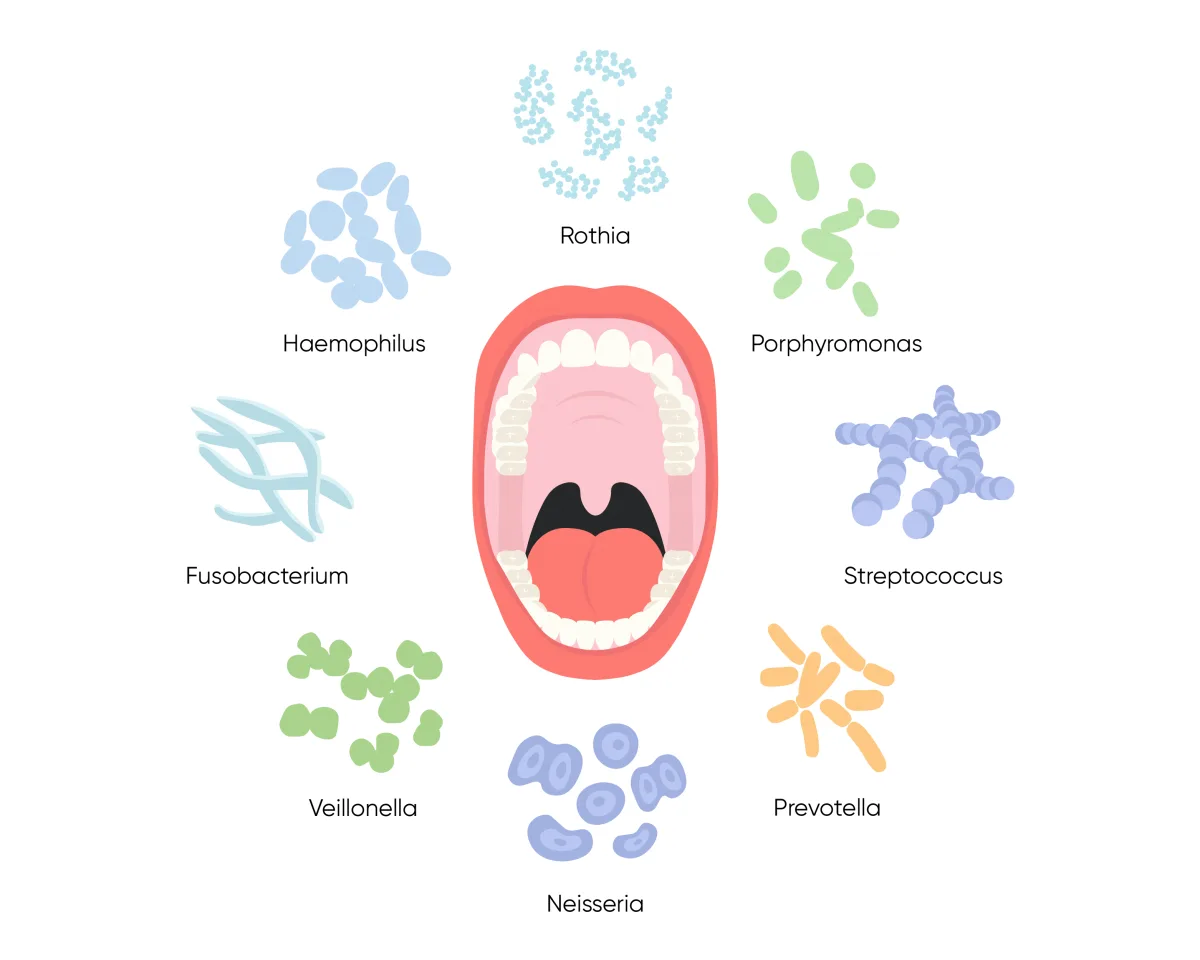
Image source: Bing (Web (fair-use with source credit))
How Dental Disease Actually Harms Your Dog (Beyond Bad Breath)
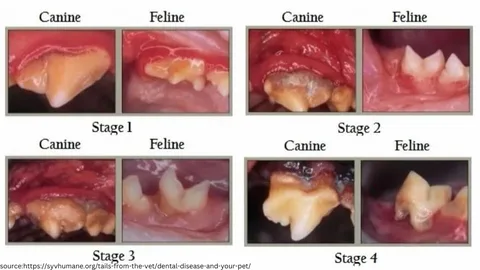
Bad breath is just the tip of the iceberg. The real damage happens below the gumline, where bacteria erode the structures holding teeth in place. This leads to gingivitis, then periodontitis, and eventually tooth loss.
But the harm doesn’t stop there.
As bacteria multiply, they produce toxins that enter the bloodstream. This condition, called bacteremia, can overwhelm the immune system. Over time, the constant inflammation damages blood vessels and organs.
The heart is particularly at risk, as bacteria can stick to its valves, causing vegetations (clumps of bacteria and tissue) that disrupt normal function.
The kidneys are another major target. They filter the blood, so they’re exposed to high levels of bacteria and toxins. This can lead to chronic kidney disease, which is often irreversible.
The liver, too, takes a hit, as it works overtime to detoxify the blood.
Pain is another silent killer. Dogs are stoic, they hide discomfort well. But dental disease hurts.
It makes eating difficult, leading to weight loss and malnutrition. Some dogs even stop eating altogether, which can be life-threatening.
Which Dogs Are at the Highest Risk—and Why
Not all dogs face the same level of risk. Genetics, age, and lifestyle all play a role. Small breeds, like Chihuahuas, Dachshunds, and Yorkshire Terriers, are at the highest risk.
Their teeth are packed tightly together, creating more nooks for plaque to hide. Toy breeds often have retained baby teeth, which crowd the mouth and worsen the problem.
Brachycephalic breeds (those with short snouts) are also high-risk. Their facial structure makes it harder to keep their mouths clean. Food and bacteria get trapped more easily, speeding up plaque buildup.
Breeds like Bulldogs, Pugs, and Boston Terriers need extra attention.
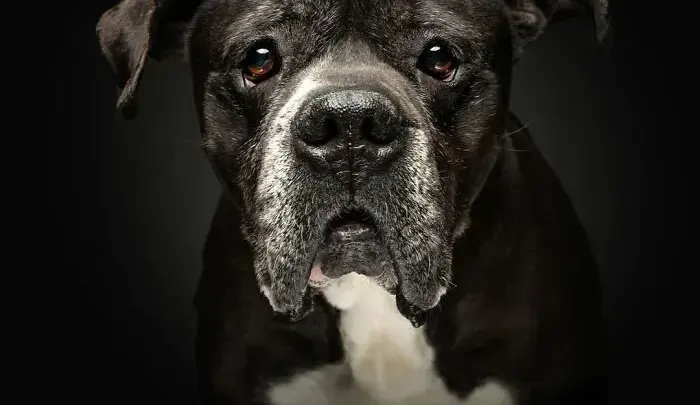
Age is another factor. Senior dogs are more prone to dental disease simply because they’ve had more time for plaque and tartar to accumulate. Their immune systems may also be weaker, making it harder to fight off infections.
Diet and chewing habits matter too. Dogs that eat soft or wet food are more likely to develop dental issues than those on dry kibble. Chewing on hard toys or dental treats can help, but it’s not a substitute for regular brushing.
Dogs that don’t chew much (like those on a soft-food diet) miss out on the natural cleaning action that comes from gnawing.
How to Spot the Warning Signs Before It’s Too Late
Early detection is key. The sooner you catch dental disease, the easier it is to treat. Start with the obvious: bad breath.
While it’s common, it’s not normal. If your dog’s breath smells foul, it’s a red flag.
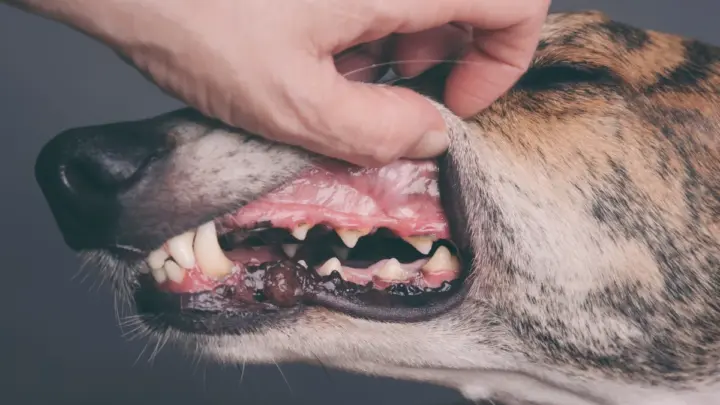
Next, look at their gums. Healthy gums are pink and firm. Red, swollen, or bleeding gums are signs of gingivitis.
If you see pus or notice your dog pawing at their mouth, the infection may have progressed to an abscess.
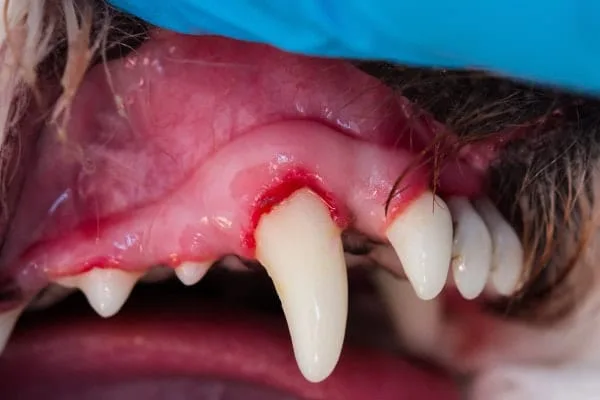
Image source: Bing (Web (fair-use with source credit))
Check their teeth for brown or yellow buildup, that’s tartar. Loose or missing teeth are a sign of advanced disease. Other warning signs include drooling more than usual, difficulty eating, or dropping food.
Some dogs even rub their faces on the ground or furniture to ease the pain.
Behavior changes can also signal trouble. If your dog is suddenly less playful, reluctant to eat, or seems irritable, dental pain could be the culprit. Watch for weight loss, too.
Painful eating can lead to reduced food intake, which shows up on the scale over time.
Don’t wait for symptoms to become severe. By the time you notice major issues, the damage may already be systemic. Regular checkups (at least once a year) can catch problems early.
Your vet can spot signs you might miss, like gum pockets or tooth root infections.
What You Can Do at Home (And When to Call the Vet)
Daily brushing is the gold standard for prevention. Use a soft-bristled toothbrush and pet-safe toothpaste. Human toothpaste contains xylitol, which is toxic to dogs.
Start slow, lifting the lips to reach the outer surfaces of the teeth. Focus on the back molars, where plaque builds up fastest.

Image source: Bing (Web (fair-use with source credit))
Dental chews and water additives can help, but they’re not a substitute for brushing. Look for products with the Veterinary Oral Health Council (VOHC) seal. These have been tested to reduce plaque and tartar.
Dry kibble can also help mechanically clean teeth, but it’s not enough on its own.
Regular vet checkups are non-negotiable. Your vet can perform professional cleanings under anesthesia, which remove plaque and tartar below the gumline. They’ll also check for early signs of trouble, like gum pockets or loose teeth.
As of 2026, the American Animal Hospital Association recommends annual dental exams for most dogs, and more frequently for high-risk breeds.
Know when to seek help immediately. If your dog has swelling in the face, excessive drooling, or refuses to eat, they may have an abscess or severe infection. These require urgent care.
Don’t wait for symptoms to worsen.
Frequently Asked Questions
Can dental disease kill a dog?
Yes, untreated dental disease can be fatal. Bacteria from the mouth can spread to vital organs, causing infections that lead to organ failure. The heart, kidneys, and liver are most at risk.
Chronic pain and malnutrition from difficulty eating can also shorten a dog’s lifespan.
Why do small dogs get more dental problems?
Small breeds have crowded teeth, which traps food and bacteria more easily. Their teeth are also often proportionally larger for their jaw size, leading to misalignment. This makes plaque buildup faster and harder to clean.
Genetics also play a role, as some small breeds are predisposed to dental issues.
How often should I brush my dog’s teeth?
Ideally, brush your dog’s teeth daily. If that’s not possible, aim for at least 3-4 times a week. Consistency is key to preventing plaque from hardening into tartar.
Even a few minutes of brushing can make a big difference in their long-term oral health.
Are there any natural remedies for dog dental care?
Some natural options can support dental health, but they’re not a replacement for brushing or vet care. Coconut oil can be used as a toothpaste alternative, but it’s not as effective as pet-specific products. Carrots and apple slices can help mechanically clean teeth, but they don’t replace proper dental hygiene.
Always check with your vet before trying new remedies.
What happens during a professional dental cleaning?
Your dog will be placed under anesthesia to allow the vet to clean thoroughly, including below the gumline. They’ll remove plaque and tartar, polish the teeth, and check for any issues like cavities or gum disease. X-rays may be taken to assess the roots and jawbone.
The procedure typically takes 1-2 hours, and your dog can usually go home the same day.

Similar Posts