How Vets Diagnose Canine Liver Disease
Founder & Veterinary Clinical Advisor at Pets Health Tips · DVM (Doctor of Veterinary Medicine), Member of the American Veterinary Medical Association (AVMA) · 14+ years in companion animal clinical triage, preventative nutrition, and geriatric pet therapy
Your dog’s acting off, lethargic, maybe a little yellow around the gums, or drinking more water than usual. These are the quiet warnings that send vets looking for liver trouble. Understanding how vets diagnose canine liver disease starts with recognizing these early signs and knowing the tests that confirm it.
Liver issues in dogs often fly under the radar until they’re serious, but bloodwork can catch them early. For example, elevated ALT levels above 100 U/L often signal liver damage, as of 2026. That’s why vets don’t wait for obvious symptoms before running tests.
how vets diagnose canine liver disease
Vets start with blood tests to check liver enzymes like ALT and ALP. They add urinalysis to spot bilirubin or abnormal crystals. Imaging like ultrasound or X-rays visualizes the liver’s size and texture.
A biopsy may follow if initial results are unclear.
Why Accurate Diagnosis of Canine Liver Disease Matters
Liver disease in dogs can be silent until it’s advanced. Early detection means the difference between manageable care and a life-threatening crisis. Misdiagnosis is risky, what looks like liver failure could be pancreatitis or kidney disease, and the wrong treatment can make things worse.
A precise diagnosis also guides the right approach. For instance, copper storage disease in Bedlington Terriers needs chelation therapy, while leptospirosis requires antibiotics. Without pinpointing the cause, treatment is just guesswork.
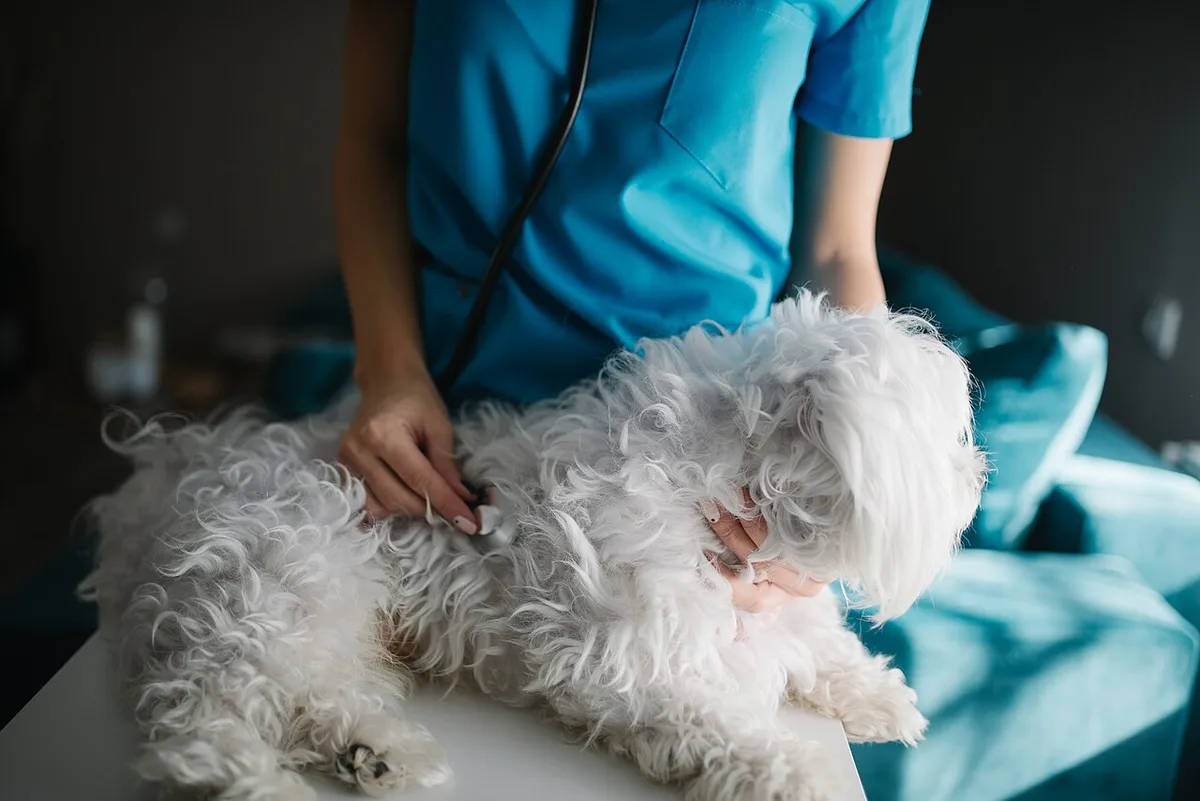
Image source: Wikimedia Commons / Nenad Stojkovic (CC BY)
The First Signs That Trigger a Vet’s Suspicion
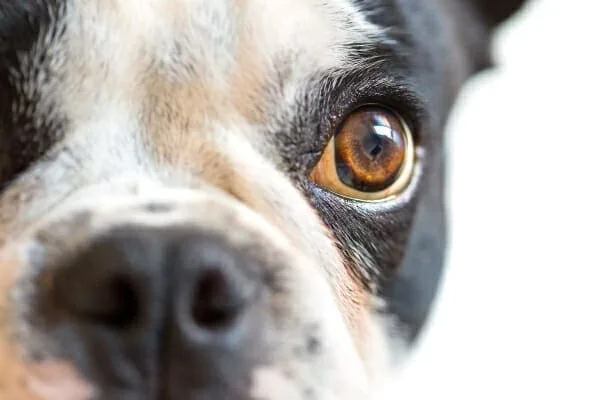
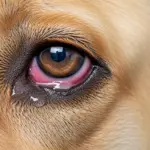
Vets look for subtle clues before running tests. Jaundice, a yellow tint in the gums, whites of the eyes, or skin, is a red flag. So are unexplained weight loss, vomiting, or a swollen abdomen from fluid buildup, called ascites.
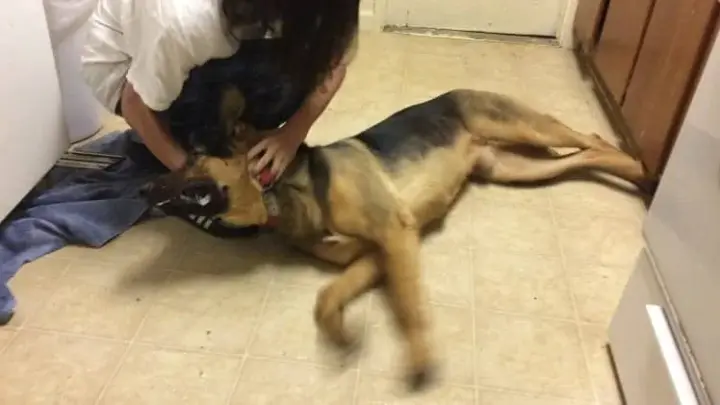
Behavior changes matter too. Increased thirst, lethargy, or even seizures can point to hepatic encephalopathy, a condition where toxins build up in the bloodstream due to poor liver function. Some dogs show no symptoms at all until bloodwork reveals elevated liver enzymes during a routine checkup.
How Vets Confirm Liver Disease: The Step-by-Step Diagnostic Process
Blood Tests: What Each Marker Reveals
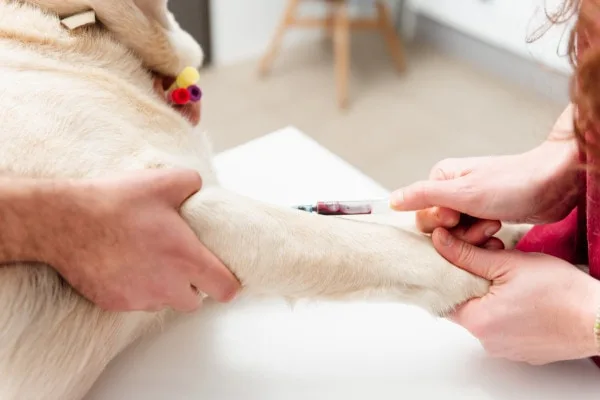
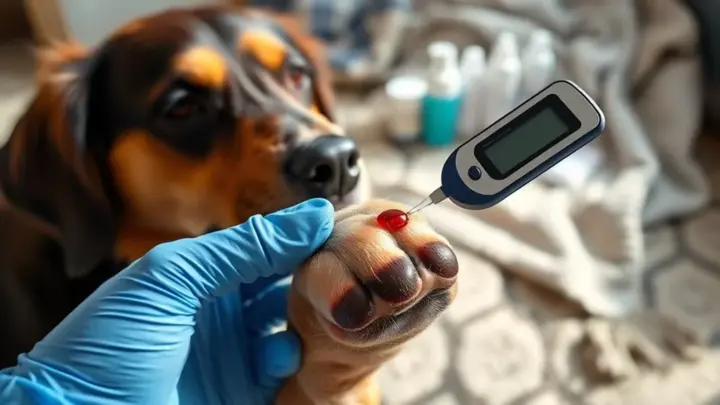
The first step is a serum biochemistry panel. ALT and AST are enzymes that leak into the blood when liver cells are damaged. ALP and GGT rise with bile duct issues or certain drugs.
Bilirubin levels climb when the liver can’t process red blood cells properly.
Low albumin or blood urea nitrogen (BUN) can also signal liver dysfunction. A complete blood count (CBC) checks for anemia or infections that might be complicating the picture. Vets often pair this with a bile acids test, which measures how well the liver processes waste after a meal.
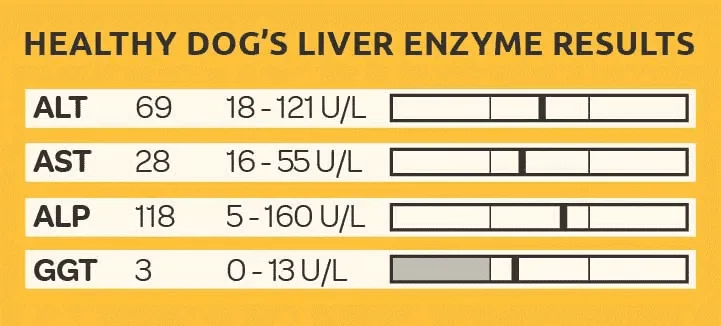
Image source: Bing (Web (fair-use with source credit))
Urinalysis and Its Role in Liver Assessment
Urinalysis complements blood tests by revealing how the liver affects other systems. Bilirubin in urine, for example, suggests the liver isn’t processing it correctly. Low urine specific gravity can indicate poor kidney function, which often overlaps with liver issues.
Ammonium biurate crystals in urine are another clue. These form when the liver can’t properly metabolize uric acid, a common issue in dogs with portosystemic shunts. Urinalysis also helps rule out urinary tract infections or kidney disease, which can mimic liver symptoms.
Imaging: Ultrasound vs. X-Rays
Ultrasound is the gold standard for liver imaging. It shows the liver’s texture, size, and blood flow, and can reveal masses, cysts, or signs of cirrhosis. X-rays are less detailed but can still spot an enlarged liver, fluid in the abdomen, or obvious structural abnormalities.
Ultrasound is non-invasive and doesn’t require anesthesia, making it a safer first choice. X-rays are faster and cheaper but offer limited detail. In some cases, vets use both to get a complete picture.
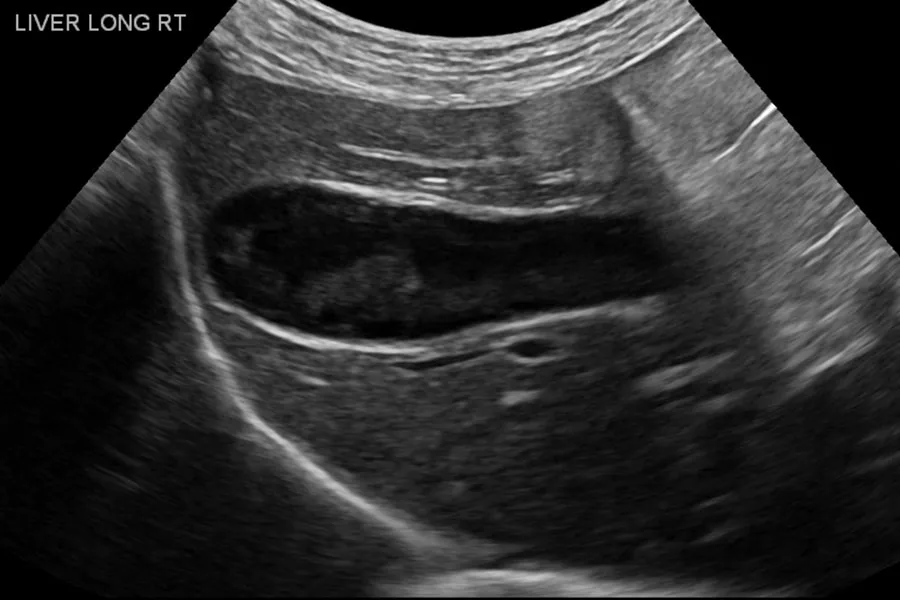
Image source: Bing (Web (fair-use with source credit))
When a Biopsy Is Necessary
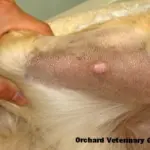
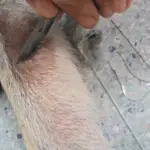
If blood tests and imaging suggest liver disease but the cause isn’t clear, a biopsy may be the next step. This involves taking a small sample of liver tissue for lab analysis. It’s the most definitive way to diagnose conditions like chronic hepatitis, cirrhosis, or cancer.
Biopsies can be done with a needle (percutaneous), laparoscopically, or during surgery. Needle biopsies are less invasive but may not provide enough tissue for a clear diagnosis. Surgical biopsies are more reliable but carry higher risks, especially for dogs with bleeding disorders.
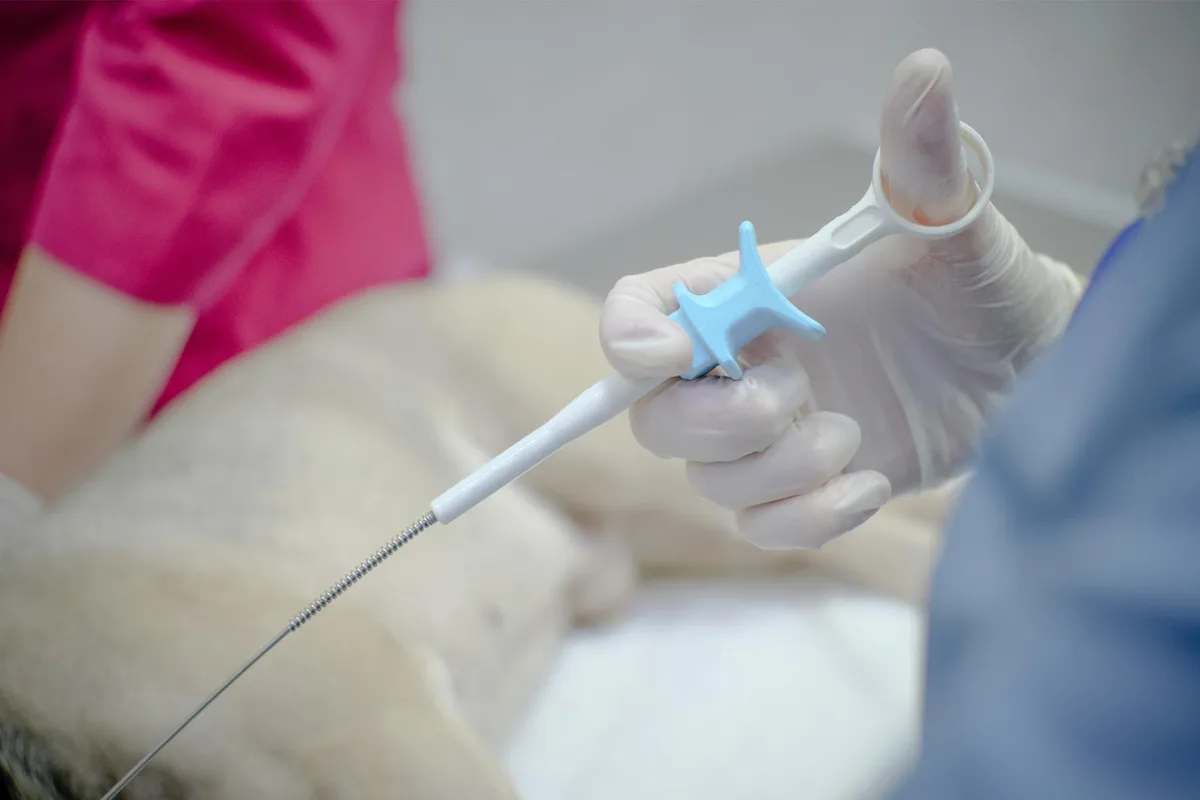
Image source: Bing (Web (fair-use with source credit))
Common Liver Diseases in Dogs and How They’re Identified
Some breeds are prone to specific liver issues. Bedlington Terriers, for example, often develop copper storage disease, where the liver accumulates toxic levels of copper. Doberman Pinschers are susceptible to chronic hepatitis, an inflammatory condition that can lead to cirrhosis.
Infectious diseases like leptospirosis can also damage the liver. This bacterial infection is contracted through contaminated water and can cause severe liver and kidney failure. Drug-induced liver injury is another risk, especially with long-term use of NSAIDs or certain antibiotics.
Toxins are a major culprit too. Mushrooms, xylitol, and even some plants can cause acute liver failure in dogs. Vets often ask about recent exposure to these substances when liver disease is suspected.
Mistakes to Avoid in Diagnosis and Testing
Skipping the fasting requirement for bile acids tests skews results. Vets need a 12-hour fast before the first sample, then a second test after eating. Without this, the numbers won’t reflect true liver function.
Overlooking coagulation tests before a biopsy risks dangerous bleeding. Dogs with liver disease often have prolonged clotting times. A simple PT and PTT test can prevent a life-threatening hemorrhage during the procedure.
Assuming elevated liver enzymes always mean liver disease is another pitfall. Muscles, pancreas, and even certain medications can raise ALT or ALP. Vets cross-check with other tests like bilirubin and albumin to confirm the source.
Costs, Risks, and What to Expect at the Vet
Blood tests and urinalysis typically cost between $100 and $300. Ultrasound adds another $200 to $500, depending on the clinic. A liver biopsy can range from $500 to $1,500, especially if surgery is required.
Risks vary by procedure. Blood tests are low-risk, but imaging may require sedation for anxious dogs. Biopsies carry the highest risk, including bleeding, infection, or anesthesia complications.
Most dogs recover quickly from non-invasive tests but may need a day or two of rest after a biopsy.
Owners should expect a multi-step process. Initial bloodwork often leads to more tests if results are abnormal. The vet may start with conservative treatments like diet changes or medications while waiting for biopsy results.
Early intervention can slow progression, but advanced cases may require lifelong management.

Similar Posts