Patchy Hair Loss in Dogs: Common Causes & Fixes
Founder & Veterinary Clinical Advisor at Pets Health Tips · DVM (Doctor of Veterinary Medicine), Member of the American Veterinary Medical Association (AVMA) · 14+ years in companion animal clinical triage, preventative nutrition, and geriatric pet therapy
Patchy hair loss in dogs causes worry for any owner who notices it. It’s often a sign of an underlying issue, from allergies to infections or even hormonal imbalances. As of 2026, veterinary dermatologists report that up to 20% of dogs develop some form of alopecia in their lifetime, making early recognition critical.
The good news is that most causes are treatable once identified. Here’s how to tell what’s behind those bald spots and when to act.
patchy hair loss in dogs causes
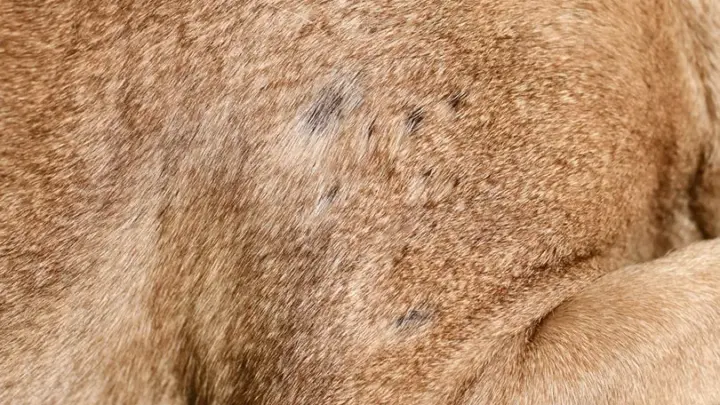
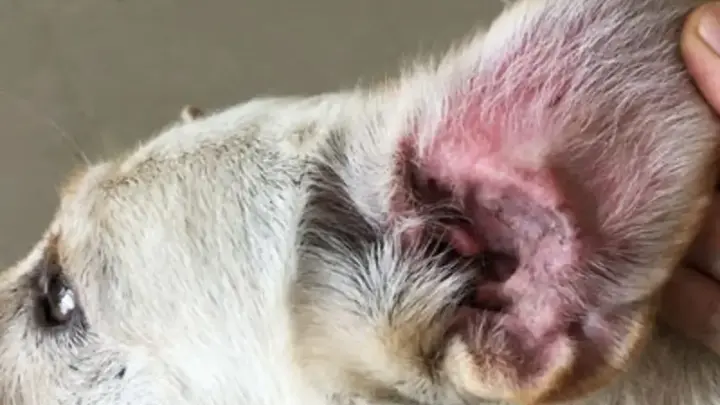
Allergies are the top trigger. Parasites like mites or fleas also lead to patchy bald spots. Fungal infections such as ringworm create circular, scaly patches.
Bacterial infections often cause red, oozing areas. Hormonal imbalances result in symmetrical hair loss. Autoimmune diseases may cause crusty, inflamed patches.
Stress or trauma can lead to localized bald spots from excessive licking or scratching.
Why Patchy Hair Loss in Dogs Is a Red Flag
Hair loss isn’t just a cosmetic issue. It often signals discomfort, pain, or a systemic problem your dog can’t communicate. Left untreated, even mild cases can escalate into chronic skin damage or secondary infections.
Some causes are contagious. Ringworm, for example, can spread to other pets and even humans. Others, like hormonal imbalances, may indicate deeper health concerns that affect more than just the skin.
Early intervention can prevent complications and reduce treatment costs.
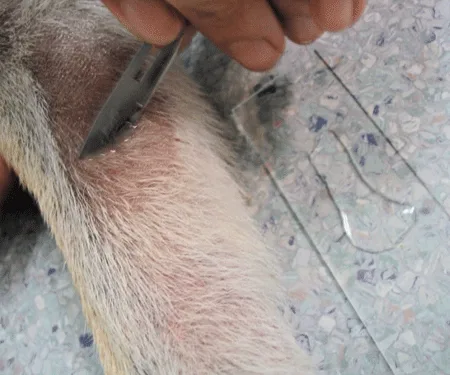
Image source: Bing (Web (fair-use with source credit))
The 7 Most Common Causes (and How to Spot Them)
Allergies
Environmental, food, or flea allergies often cause itching, redness, and hair loss. Dogs may scratch or lick the affected areas excessively. Common hotspots include the paws, ears, and belly.
Parasites
Mites (like Demodex or Sarcoptes) and fleas lead to intense itching and patchy bald spots. You might see crusty skin or tiny black specks (flea dirt) in the fur. Mange often starts on the face, ears, or legs.
Fungal Infections
Ringworm creates circular, scaly patches that may or may not itch. These spots can spread quickly and are highly contagious. Puppies and immunocompromised dogs are especially vulnerable.
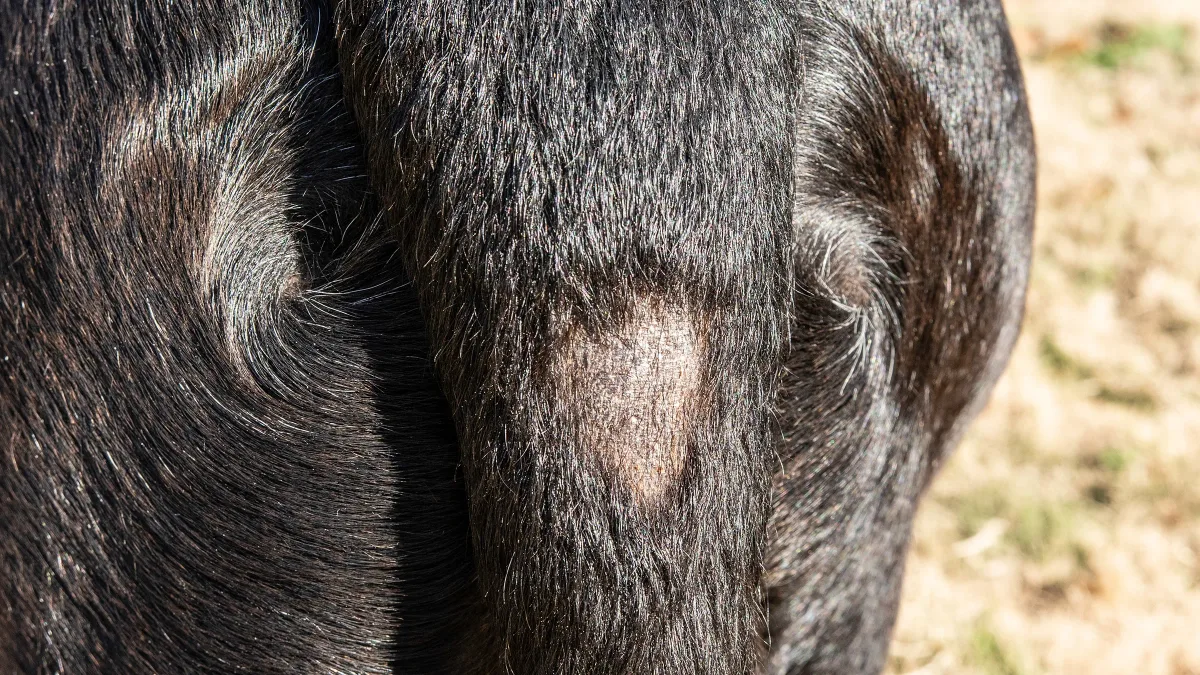
Image source: Bing (Web (fair-use with source credit))
Bacterial Infections
Pyoderma, a common bacterial skin infection, causes red, oozing, or crusty patches. It often develops in skin folds or areas with moisture buildup. A foul odor may accompany the hair loss.
Hormonal Imbalances
Hypothyroidism or Cushing’s disease can lead to symmetrical hair loss, often on the flanks, tail, or neck. Unlike other causes, these typically don’t involve itching. Breeds like Boxers and Dachshunds are more prone.
Autoimmune Diseases
Conditions like pemphigus foliaceus cause the immune system to attack the skin, leading to crusty, inflamed patches. These often appear on the face, ears, or paws and may worsen without treatment.
Stress or Trauma
Excessive licking, chewing, or scratching from anxiety or boredom can create localized bald spots. These are often found on the legs, paws, or tail. Behavioral changes may accompany the hair loss.
When to Rush to the Vet vs. When to Monitor
Rush to the vet if your dog has any of these signs. Sudden hair loss with redness, swelling, or oozing needs immediate attention. If the patches spread quickly or your dog seems in pain, don’t wait.
Contagious conditions like ringworm or mange require prompt treatment to prevent spreading.
Monitor at home if the hair loss is mild and your dog isn’t scratching excessively. A single small patch with no other symptoms might resolve on its own. However, if it doesn’t improve within a week or worsens, schedule a vet visit.
Watch for systemic signs. Lethargy, weight changes, or increased thirst could indicate hormonal imbalances. These require blood tests and professional diagnosis.
Never assume hair loss is just a skin issue.
How Vets Diagnose the Root Cause
Vets start with a thorough physical exam. They’ll check the pattern, location, and appearance of the hair loss. They’ll also look for fleas, mites, or signs of infection.
Skin scrapings are common for parasitic or fungal causes. A small sample of skin is examined under a microscope to identify mites or fungi. For ringworm, a fungal culture may be needed, as it can take weeks to confirm.
Blood tests help rule out hormonal imbalances. Thyroid panels or cortisol tests can diagnose conditions like hypothyroidism or Cushing’s disease. Allergy testing, either through blood work or skin prick tests, identifies environmental or food triggers.
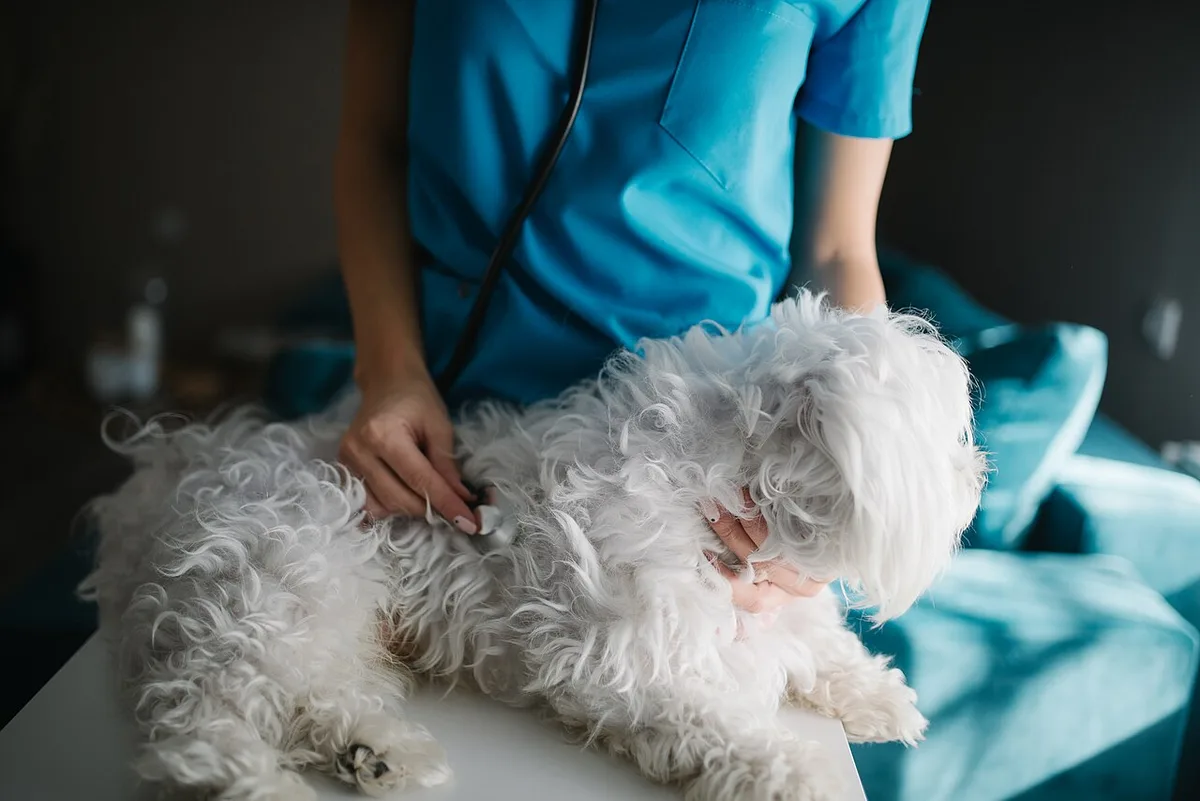
Image source: Wikimedia Commons / Nenad Stojkovic (CC BY)
Biopsies are reserved for stubborn or severe cases. A small skin sample is sent to a lab to check for autoimmune diseases or cancer. This is more invasive but provides definitive answers.
In some cases, an elimination diet is recommended. If food allergies are suspected, your vet may prescribe a hypoallergenic diet for 8, 12 weeks to identify the trigger. According to the American Academy of Veterinary Dermatology, this is the gold standard for diagnosing food allergies in dogs.
Treatment Options for Each Type of Hair Loss
Allergies often respond to antihistamines or steroids. Your vet may prescribe Apoquel or Cytopoint for itch relief. A hypoallergenic diet can resolve food-related hair loss in 8 to 12 weeks.
Parasites require targeted treatments. Flea infestations need monthly preventatives like NexGard or Frontline. Mange typically calls for ivermectin or lime sulfur dips, with weekly applications for 4 to 6 weeks.
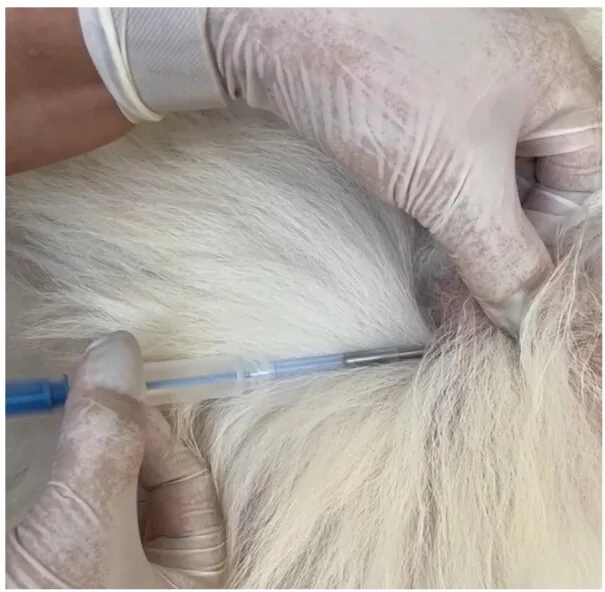
Image source: Bing (Web (fair-use with source credit))
Fungal infections like ringworm are treated with antifungal shampoos or oral medications. Lime sulfur dips or itraconazole are common choices. Isolate the dog during treatment to prevent spreading.
Bacterial infections usually clear with antibiotics. Cephalexin or clindamycin are often prescribed for 3 to 4 weeks. Keep the area clean and dry to speed up healing.
Hormonal imbalances need long-term management. Hypothyroidism is treated with daily thyroid medication. Cushing’s disease may require trilostane or mitotane, with regular blood tests to monitor levels.
Mistakes That Make It Worse (and How to Avoid Them)
Using over-the-counter creams can irritate the skin further. Human medications like hydrocortisone are often too weak or unsafe for dogs. Always consult your vet before applying anything.
Ignoring early signs leads to bigger problems. A small patch can turn into a widespread infection if left untreated. The longer you wait, the harder it is to reverse the damage.
Skipping follow-up visits risks recurrence. Some conditions, like mange or ringworm, require multiple treatments to fully resolve. Stopping too soon can allow the problem to return.
Assuming it’s just allergies is a common trap. Many conditions mimic allergy symptoms, including infections and autoimmune diseases. Without proper testing, you might miss the real cause.
Bathing too often strips natural oils from the skin. This can worsen dryness and irritation, especially in breeds with sensitive skin. Stick to vet-recommended shampoos and frequencies.