Essential Puppy Vaccines: A Complete Guide
Founder & Veterinary Clinical Advisor at Pets Health Tips · DVM (Doctor of Veterinary Medicine), Member of the American Veterinary Medical Association (AVMA) · 14+ years in companion animal clinical triage, preventative nutrition, and geriatric pet therapy
Getting a new puppy means making a lot of health decisions fast, and one of the first is figuring out which vaccines do puppies need. The wrong call can leave them vulnerable to serious diseases or even break local laws.
Per the American Veterinary Medical Association, core vaccines like rabies and distemper are non-negotiable for all puppies, while others depend on lifestyle and risk. Let’s break down what’s essential and what’s optional.
which vaccines do puppies need
All puppies need core vaccines: rabies, distemper, parvovirus, and adenovirus. Non-core vaccines like leptospirosis or bordetella depend on exposure risk. Rabies is legally required in most areas.
Your vet will tailor the rest to your puppy’s environment.
Why Puppy Vaccines Are Non-Negotiable (And What Happens If You Skip Them)
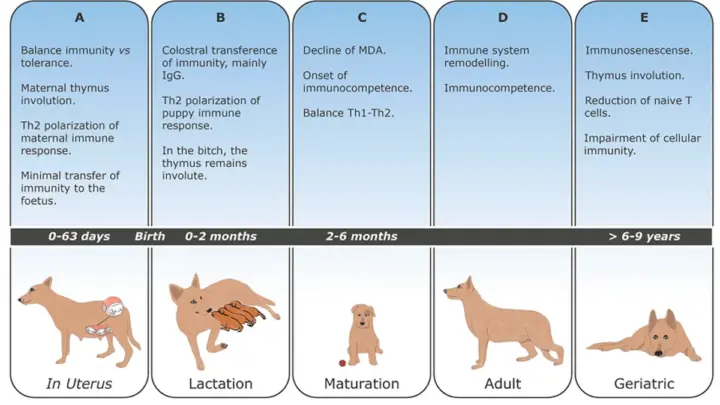
Puppies are born with temporary immunity from their mother, but it fades fast. Without vaccines, they’re at high risk for deadly diseases like parvovirus, which has a 90% mortality rate in untreated cases. The AVMA reports that unvaccinated puppies are far more likely to contract preventable illnesses.
Skipping vaccines also risks legal trouble. Rabies vaccination is mandatory in nearly every U.S. state, and proof is often required for licensing, boarding, or travel. As of 2026, fines for non-compliance can reach hundreds of dollars, and unvaccinated pets may face quarantine or euthanasia if they bite someone.
The Core Vaccines Every Puppy Needs—No Exceptions
These four vaccines are the foundation of puppy health, recommended for every dog regardless of breed or location.
- Rabies: Required by law in most places. Fatal once symptoms appear, and it’s zoonotic (can spread to humans).
- Canine Distemper: Highly contagious, attacking the respiratory, nervous, and digestive systems. Survival rates are low without treatment.
- Parvovirus (Parvo): Extremely resilient, surviving in the environment for months. Causes severe vomiting, diarrhea, and dehydration.
- Canine Adenovirus (Type 2): Protects against hepatitis and respiratory infections. Often combined with distemper in the DHPP vaccine.
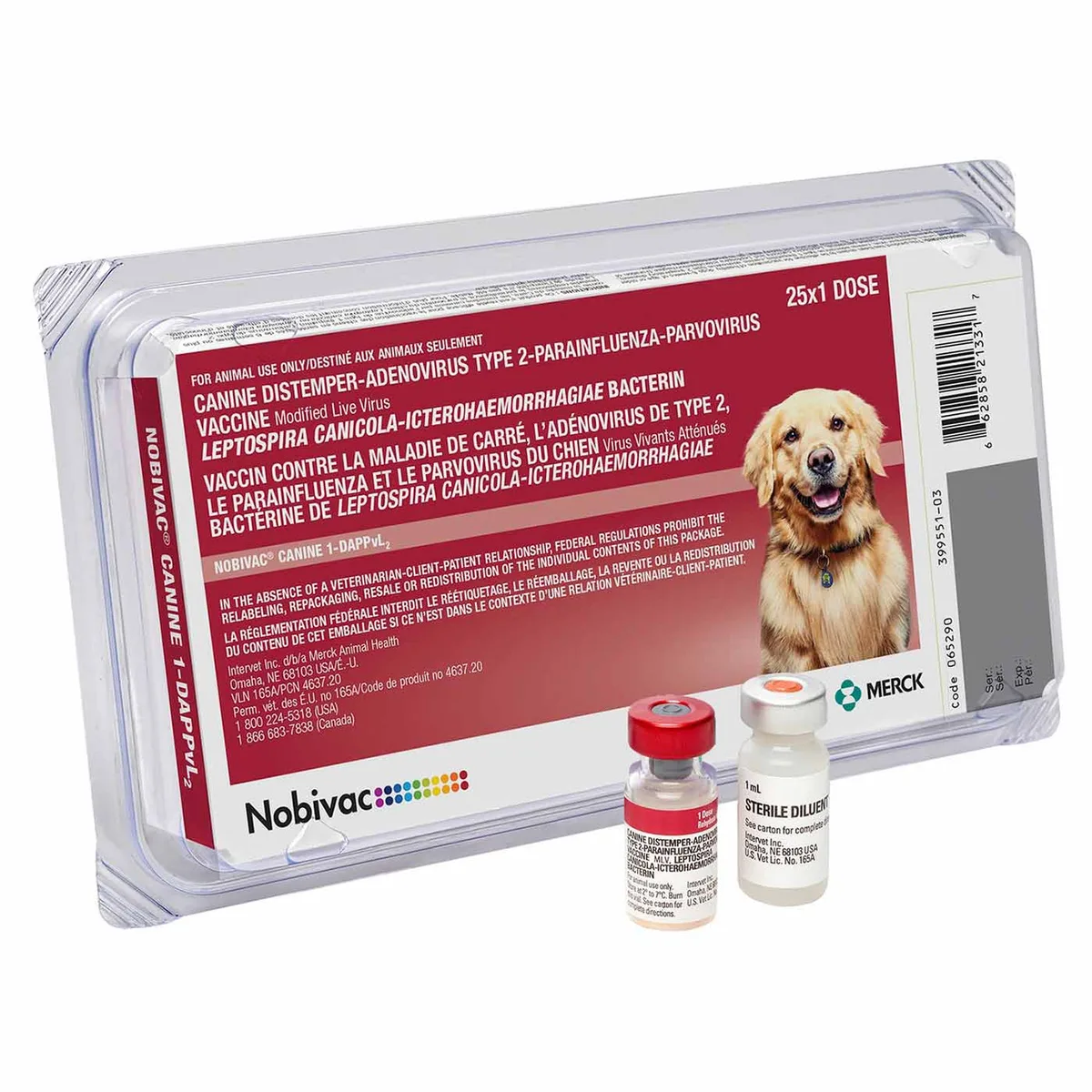
Image source: Bing (Web (fair-use with source credit))
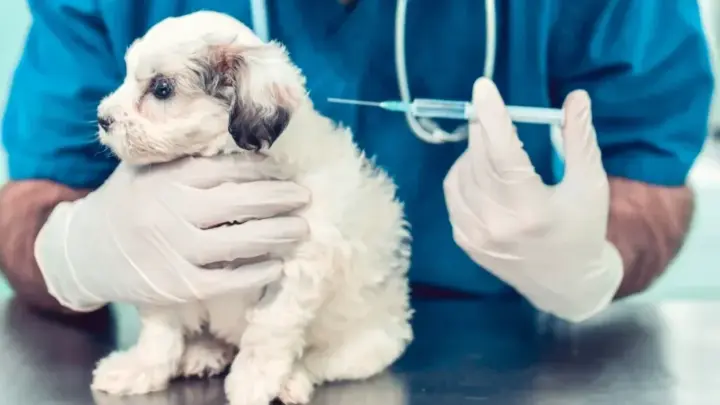
The DHPP (or DHPPC) combo shot covers distemper, hepatitis, parvovirus, and sometimes coronavirus in one injection. Vets typically start this series at 6, 8 weeks, with boosters every 3, 4 weeks until the puppy is 16 weeks old.
Non-Core Vaccines: Which Ones Your Puppy Actually Needs (And Which You Can Skip)
Non-core vaccines are optional but may be critical depending on your puppy’s lifestyle. Your vet will assess risk based on location, activities, and exposure.
- Leptospirosis: Recommended for dogs in urban areas, near standing water, or with wildlife exposure. Zoonotic and can cause kidney/liver failure.
- Bordetella (Kennel Cough): Needed for boarding, daycare, or dog parks. Highly contagious but rarely fatal.
- Lyme Disease: Essential in tick-prone regions (Northeast, Midwest). Transmitted by deer ticks.
- Canine Influenza (H3N2, H3N8): For dogs in high-contact settings like shows or training classes.
- Coronavirus: Not the same as COVID-19. Rarely fatal but can cause gastrointestinal issues.
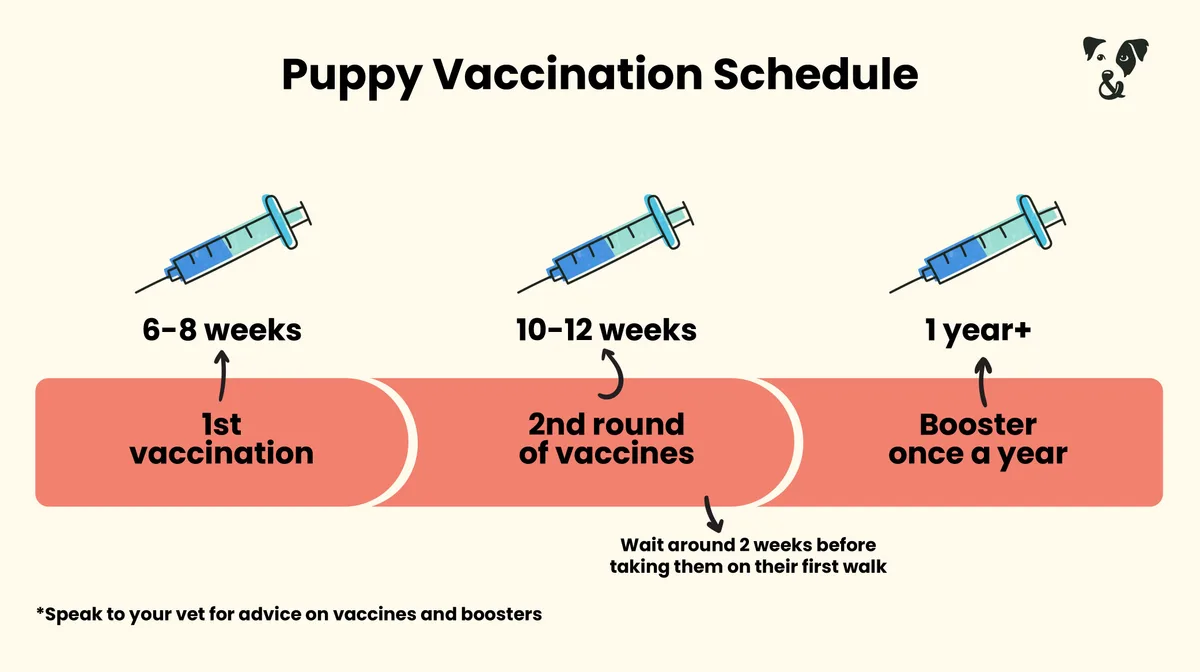
Image source: Bing (Web (fair-use with source credit))
Skip non-core vaccines if your puppy has low exposure risk. Over-vaccination can lead to unnecessary side effects and costs.
The Puppy Vaccination Schedule: A Week-by-Week Breakdown
Puppies need a series of vaccines to build immunity gradually. The standard schedule starts at 6, 8 weeks, with boosters every 3, 4 weeks until 16 weeks old.
| Age | Vaccines Typically Given | Notes |
|---|---|---|
| 6–8 weeks | DHPP (Distemper, Hepatitis, Parvo) | First round; maternal antibodies may interfere. |
| 10–12 weeks | DHPP + Rabies (if required by law) | Rabies may be given earlier in high-risk areas. |
| 14–16 weeks | DHPP + Rabies (if not given earlier) | Final puppy booster for core vaccines. |
| 12–16 months | Boosters for all core vaccines | Transition to adult vaccination schedule. |
Image source: Bing (Web (fair-use with source credit))
Non-core vaccines like leptospirosis or bordetella may be added at 10, 12 weeks if needed. Always follow your vet’s tailored plan, as local disease prevalence can shift the timeline.
Common Mistakes That Put Puppies at Risk (And How to Avoid Them)
Starting vaccines too late leaves puppies vulnerable during their most fragile weeks. Maternal antibodies fade by 6 weeks, so waiting until 10 weeks for the first shot creates a dangerous gap.
Skipping boosters is another critical error. A single vaccine dose doesn’t provide full immunity. The AVMA confirms that puppies need multiple boosters spaced 3, 4 weeks apart to build lasting protection.
Overlooking local risks can also backfire. If you live in an area with high leptospirosis rates but skip that vaccine, your puppy could contract a preventable, life-threatening infection. Always ask your vet about regional disease trends.
Finally, ignoring side effects can be dangerous. Mild lethargy or soreness is normal, but severe reactions like vomiting, swelling, or difficulty breathing require immediate vet attention.
Costs, Side Effects, and When to Call the Vet
The average puppy vaccination series costs between $50 and $150. This typically includes core vaccines and one or two non-core shots. Rabies vaccines may cost extra, especially in areas where they’re administered separately.

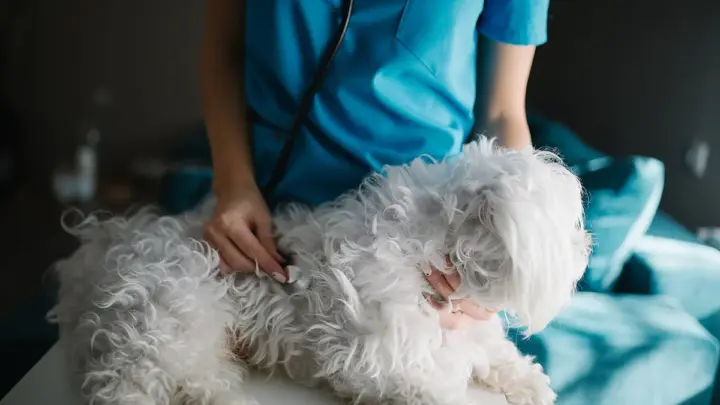
Image source: Bing (Web (fair-use with source credit))
Mild side effects are common and usually resolve within 24, 48 hours. You might see lethargy, slight fever, or soreness at the injection site. More serious reactions like hives, facial swelling, or collapse are rare but require emergency care.
Call your vet if your puppy shows any of these signs after vaccination: persistent vomiting or diarrhea, difficulty breathing, or seizures. These could indicate an allergic reaction or other complication. Keep your puppy calm and hydrated after shots, and avoid strenuous activity for a day.

Similar Posts