Canine Pancreatitis Recovery: What to Expect
Founder & Veterinary Clinical Advisor at Pets Health Tips · DVM (Doctor of Veterinary Medicine), Member of the American Veterinary Medical Association (AVMA) · 14+ years in companion animal clinical triage, preventative nutrition, and geriatric pet therapy
The recovery outlook after canine pancreatitis depends on severity, treatment speed, and long-term management. Most dogs with mild cases recover in 2, 4 weeks with proper care, while chronic cases require lifelong diet changes.
Pancreatitis in dogs is inflammation of the pancreas, often triggered by high-fat diets or obesity. A key diagnostic marker is canine pancreatic lipase immunoreactivity (cPLI), with levels above 400 µg/L indicating pancreatitis. Early intervention improves outcomes significantly.
recovery outlook after canine pancreatitis
Mild cases often resolve in 1, 2 weeks with vet care. Moderate cases may take 2, 4 weeks. Severe or chronic cases can require months of management.
Full recovery is possible with strict diet and medication adherence.
How Pancreatitis Affects Dogs and Why It’s Serious
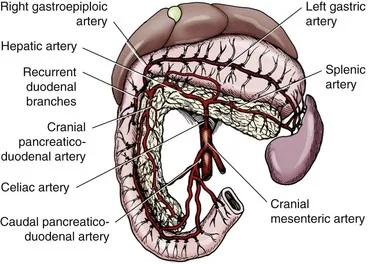
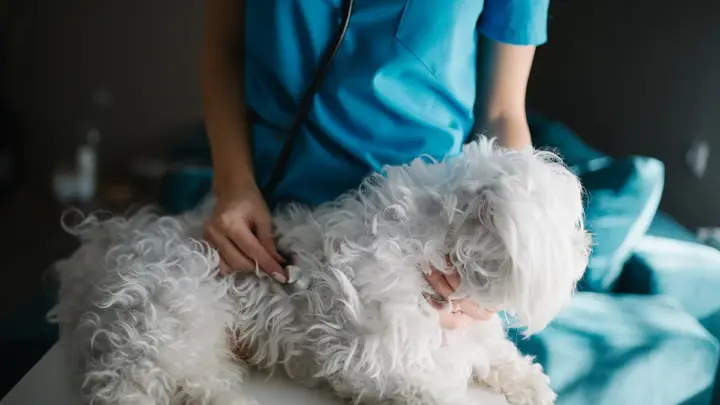
Pancreatitis occurs when the pancreas becomes inflamed, leaking digestive enzymes into surrounding tissues. This causes pain, vomiting, and dehydration. Left untreated, it can lead to organ damage or even death.
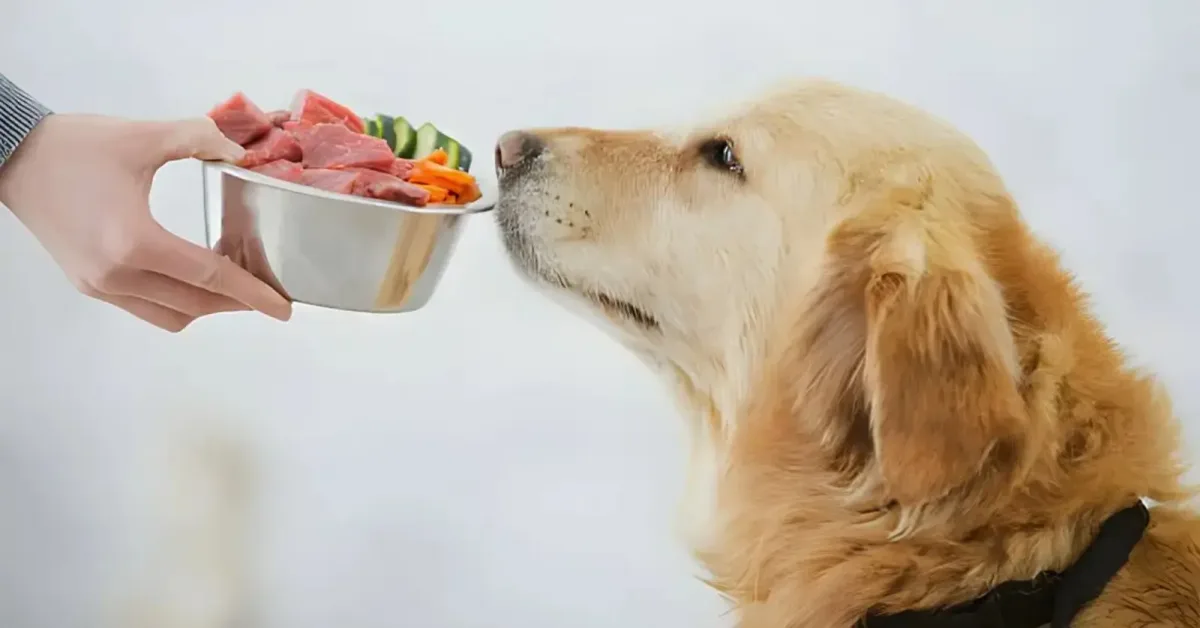
Image source: Bing (Web (fair-use with source credit))
Acute pancreatitis comes on suddenly, often after a high-fat meal. Chronic pancreatitis develops over time, with recurring flare-ups. Both types disrupt digestion and nutrient absorption.
Breeds like Miniature Schnauzers and Yorkshire Terriers are genetically predisposed. Obesity and diabetes also increase risk. As of 2026, cPLI testing remains the gold standard for diagnosis.
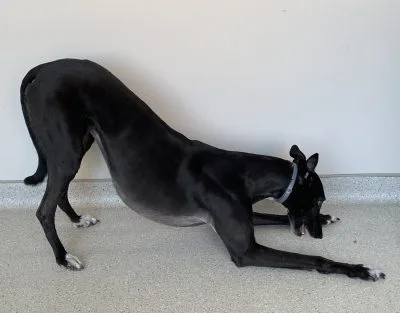
Image source: Bing (Web (fair-use with source credit))
Key Signs Your Dog Is Recovering (or Not)
A recovering dog will show improved appetite and energy within days. Vomiting and diarrhea should subside within a week. Pain levels decrease, and hydration stabilizes.
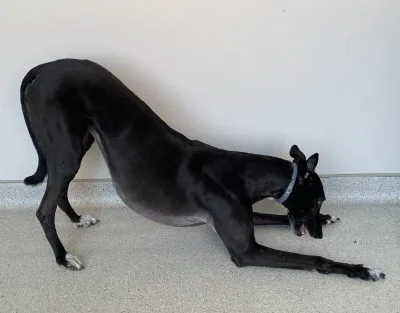
Warning signs include persistent vomiting, lethargy, or abdominal pain. Blood in stool or vomit requires immediate vet attention. Weight loss or refusal to eat may indicate complications.
| Recovery Sign | Red Flag |
|---|---|
| Eating small meals | Refusing all food |
| Normal stool | Bloody or watery diarrhea |
| Active and alert | Lethargic or weak |
| Stable weight | Rapid weight loss |
The Step-by-Step Recovery Process: From Diagnosis to Long-Term Care
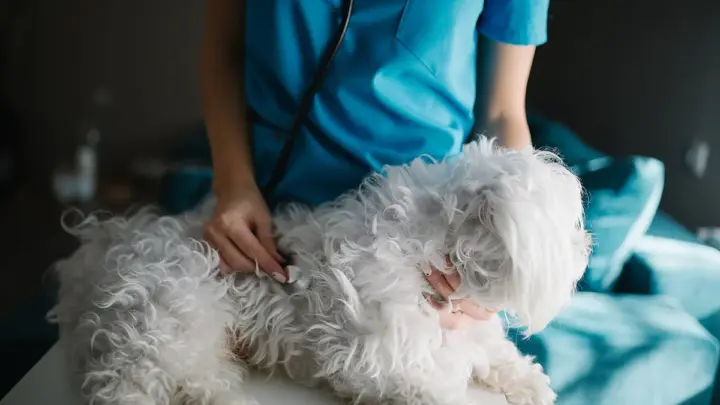
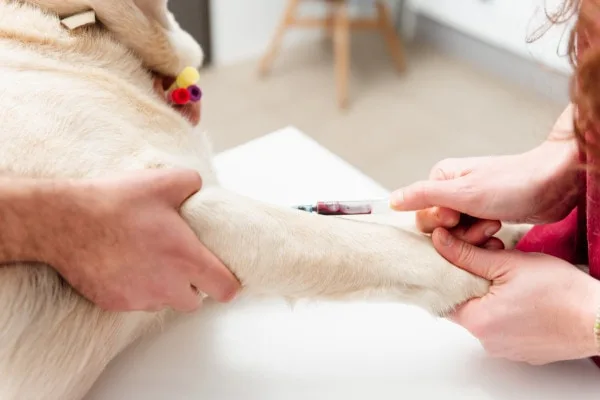
Diagnosis starts with blood tests for elevated lipase and cPLI. Ultrasound or X-rays confirm inflammation. Severe cases may need hospitalization for IV fluids.
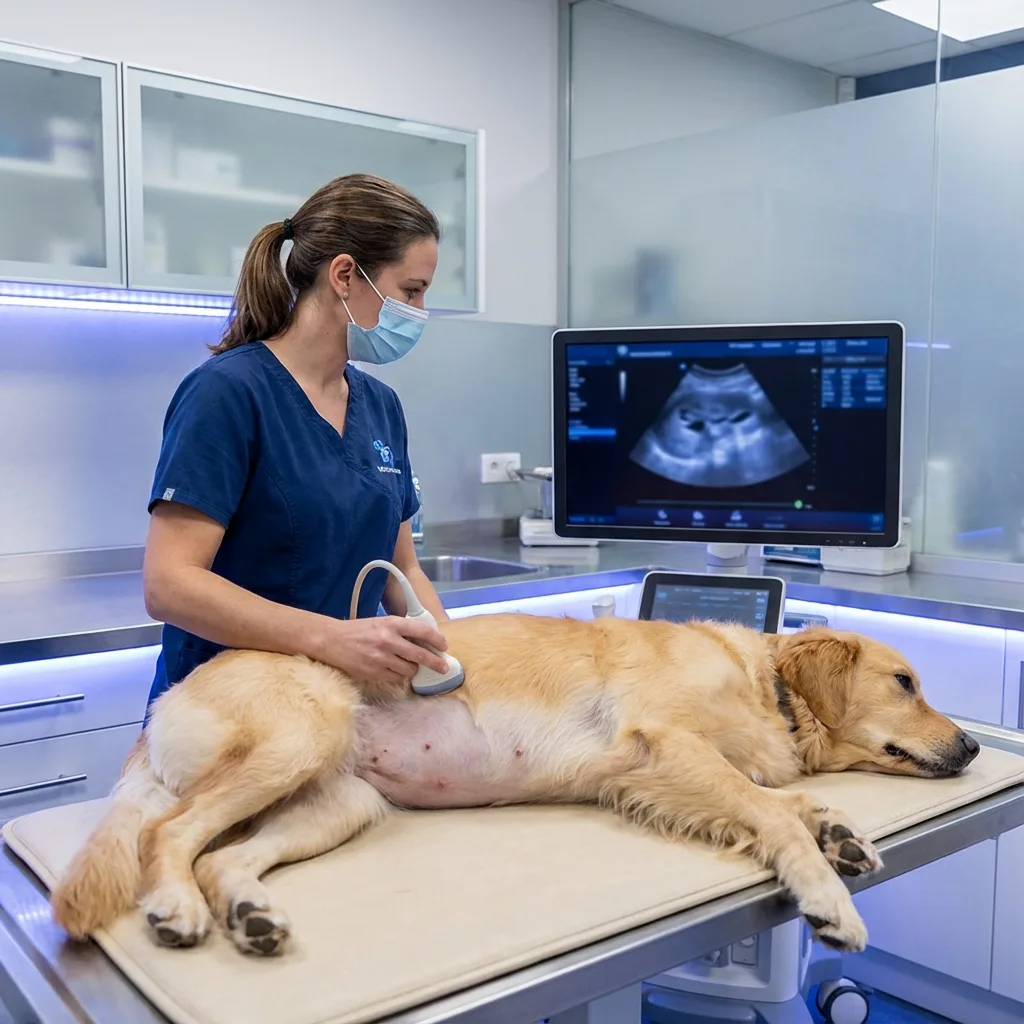
Image source: Bing (Web (fair-use with source credit))
Initial treatment includes fasting for 24, 48 hours to rest the pancreas. Anti-nausea meds like maropitant (Cerenia) control vomiting. Pain relief is critical, often using opioids or NSAIDs under vet supervision.
Reintroduce food gradually with a low-fat, easily digestible diet. Small, frequent meals prevent overloading the pancreas. Prescription diets like Royal Canin Gastrointestinal Low Fat are often recommended.
Diet Do’s and Don’ts for Pancreatitis Recovery
Feed a diet with less than 10% fat on a dry matter basis. High-quality protein sources like chicken or turkey are ideal. Avoid fatty meats, dairy, and rich treats.
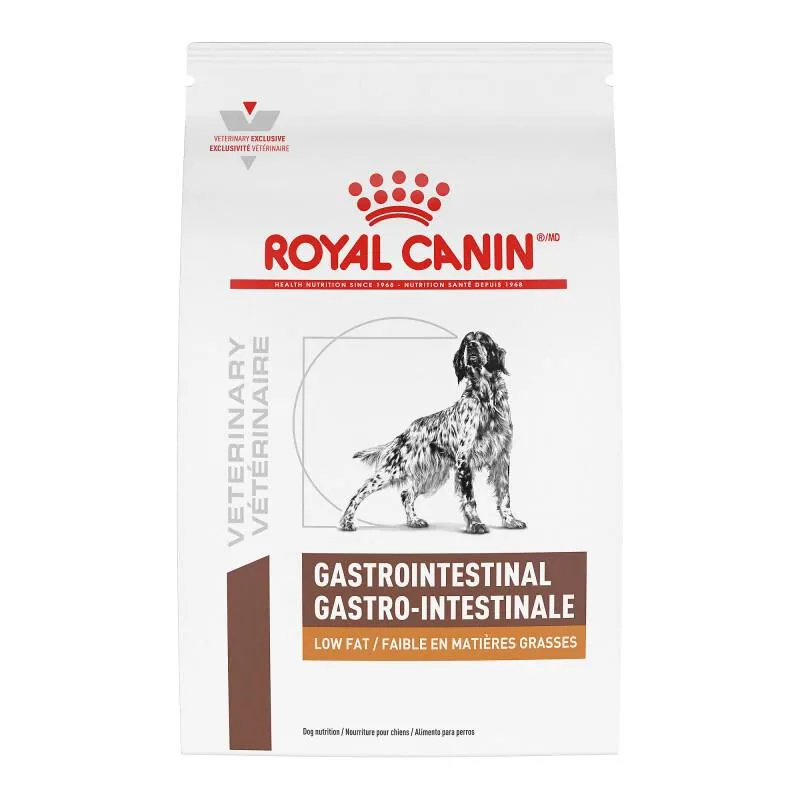
Image source: Bing (Web (fair-use with source credit))
Safe options include boiled chicken breast, white rice, and vet-approved probiotics. Avoid table scraps, especially greasy or seasoned foods. Always transition diets slowly over 7, 10 days.
Hydration is key, so ensure fresh water is always available. Electrolyte solutions may help if vomiting persists. Monitor weight and adjust portions as needed.
When to Worry: Red Flags That Need Emergency Vet Care
Seek immediate help if vomiting persists beyond 24 hours. Blood in vomit or stool signals internal bleeding. Severe abdominal pain or distension may indicate a life-threatening complication.
A dog that collapses or shows extreme lethargy needs emergency care. Dehydration signs like dry gums or sunken eyes are urgent. Rapid breathing or pale gums can indicate shock.
Do not wait for symptoms to improve on their own. Delaying treatment can lead to organ failure. Chronic cases may develop diabetes or exocrine pancreatic insufficiency (EPI) over time.
Long-Term Management: Preventing Future Flare-Ups
Stick to a low-fat diet permanently for chronic cases. Avoid high-fat treats, table scraps, and rich foods. Regular exercise helps maintain a healthy weight.
Schedule routine vet check-ups to monitor pancreatic health. Blood tests can catch early signs of recurrence. Keep a food diary to track triggers.
| Prevention Tip | Why It Matters |
|---|---|
| Low-fat diet | Reduces pancreatic workload |
| Weight management | Lowers inflammation risk |
| Regular vet visits | Early detection of issues |
| Avoid fatty foods | Prevents flare-ups |
Frequently Asked Questions
How long does pancreatitis recovery take in dogs?
Mild cases often improve in 1, 2 weeks with proper care. Moderate cases may take 2, 4 weeks. Severe or chronic cases can require months of management.
Can a dog fully recover from pancreatitis?
Yes, many dogs recover fully with strict diet and medication. Chronic cases may need lifelong management. Early treatment improves outcomes.
What should I feed my dog after pancreatitis?
Start with a vet-approved low-fat diet. Boiled chicken and rice are safe options. Avoid fatty, spicy, or seasoned foods.
When should I take my dog to the vet for pancreatitis?
Go immediately if vomiting, diarrhea, or pain persists. Blood in stool or vomit is an emergency. Lethargy or collapse requires urgent care.
Can pancreatitis in dogs come back?
Yes, especially without diet changes. High-fat foods are a common trigger. Long-term management reduces recurrence risk.

Similar Posts