Why Does My Dog Keep Trying to Pee?
Founder & Veterinary Clinical Advisor at Pets Health Tips · DVM (Doctor of Veterinary Medicine), Member of the American Veterinary Medical Association (AVMA) · 14+ years in companion animal clinical triage, preventative nutrition, and geriatric pet therapy
Your dog’s sudden, repeated attempts to pee are a red flag that something’s off. The reasons behind why a dog keeps trying to pee range from minor to life-threatening, so knowing the difference is critical. About 14% of dogs will develop a urinary tract infection at some point, but other causes like blockages or kidney disease demand faster action.
If your dog is straining with little to no urine coming out, it’s an emergency. Otherwise, we’ll walk through how to spot the signs and decide your next move.
why a dog keeps trying to pee
A dog keeps trying to pee due to medical issues like UTIs, bladder stones, or blockages. Behavioral causes include stress or territorial marking. Urinary tract infections are the most common medical reason.
Blockages are life-threatening and require immediate vet care.
Quick Answer: When to Worry vs. When to Wait
If your dog is straining with no urine output, it’s an emergency. A vet visit is urgent if you see blood, extreme discomfort, or a swollen abdomen. For frequent small urinations without pain, monitor for 24 hours.
Non-emergency signs like occasional dribbling or marking may not need immediate action. But if symptoms persist beyond a day, call your vet. Older dogs and males are at higher risk for serious conditions.
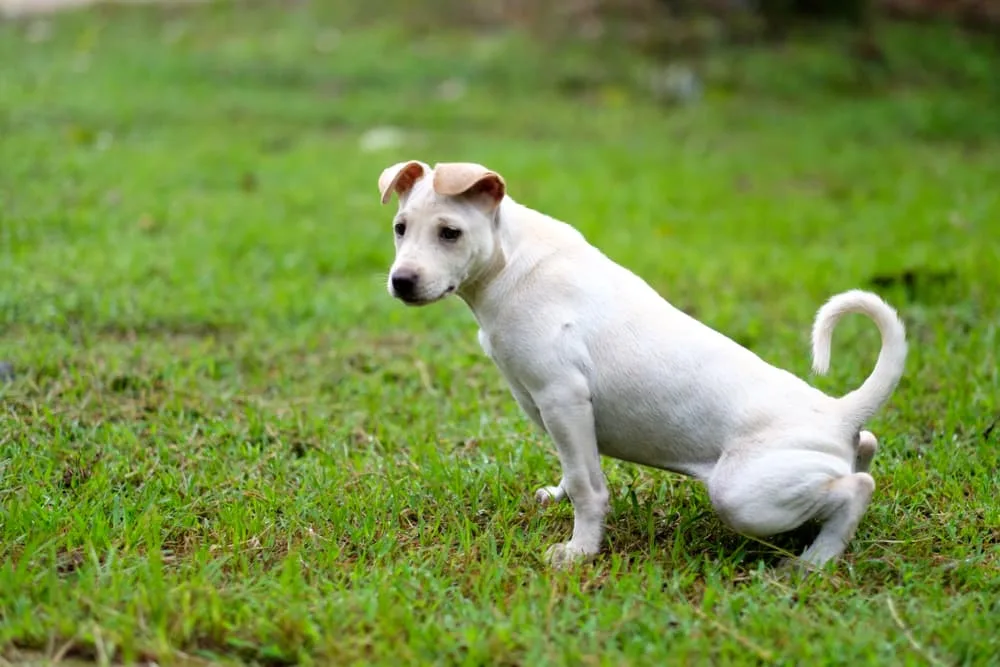
Image source: Bing (Web (fair-use with source credit))
Medical Causes: Urgent Signs and What They Mean
Urinary tract infections (UTIs) cause frequent, painful urination. Bladder stones lead to straining and blood in urine. Prostate issues in males can cause dribbling or difficulty.
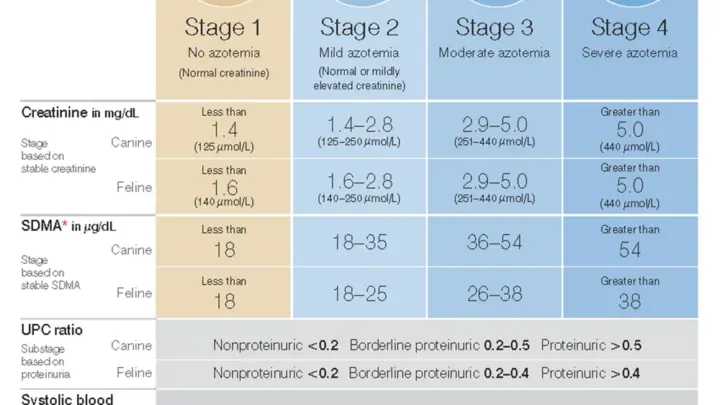
Kidney disease often increases thirst and urine volume. Diabetes may result in excessive drinking and urination. Urinary blockages are life-threatening, especially in male dogs.

Image source: Bing (Web (fair-use with source credit))
Common symptoms include:
- Straining to pee with little output
- Blood in urine
- Strong-smelling or cloudy urine
- Lethargy or vomiting
If your dog shows these signs, see a vet immediately. According to the American Veterinary Medical Association, urinary blockages can be fatal within 24, 48 hours.
Behavioral Causes: When It’s Not a Health Issue
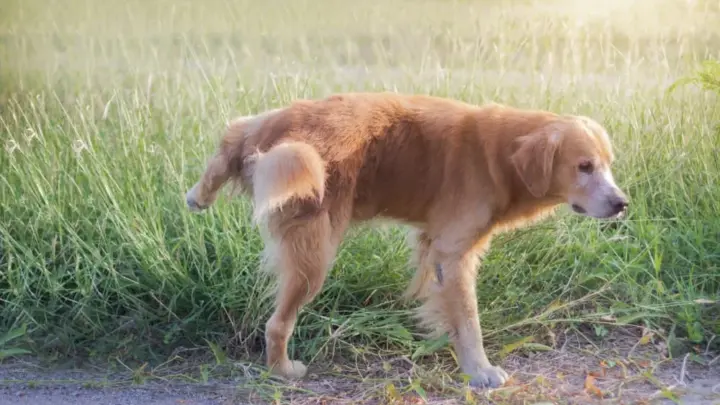
Marking behavior is common in unneutered males. Stress or anxiety can cause inappropriate urination. Submissive urination happens in excited or nervous dogs.
Territorial marking often occurs near doors or windows. Changes in the household, like new pets or people, can trigger stress-related urination. Older dogs may develop cognitive dysfunction, leading to accidents.
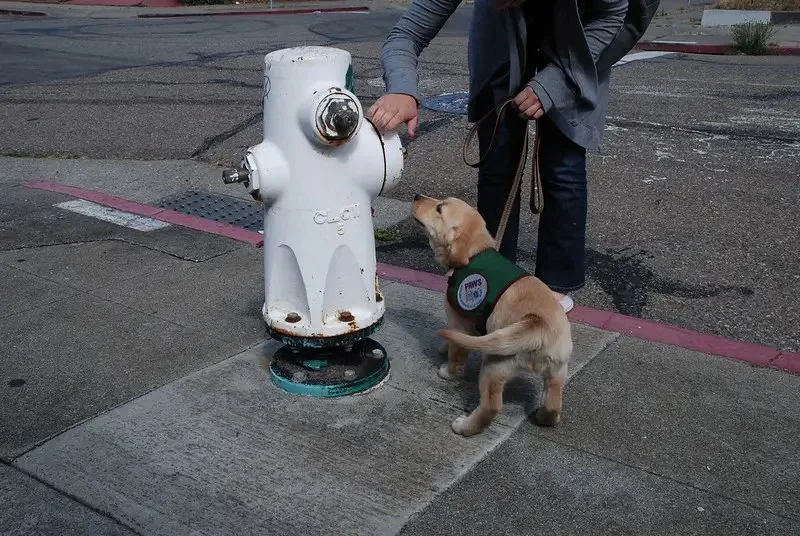
Image source: Bing (Web (fair-use with source credit))
Behavioral signs include:
- Small amounts of urine in multiple spots
- Urination during greetings or play
- No signs of pain or discomfort
Training and environmental changes can help. Pheromone diffusers or anxiety wraps may reduce stress-related urination.
Step-by-Step: What to Do Next (At Home and at the Vet)
First, observe your dog’s urination patterns. Note frequency, volume, and any signs of pain. Check for blood or unusual odor in the urine.
If symptoms are severe, go to the vet immediately. For mild symptoms, monitor for 24 hours. Increase water intake to help flush the urinary tract.
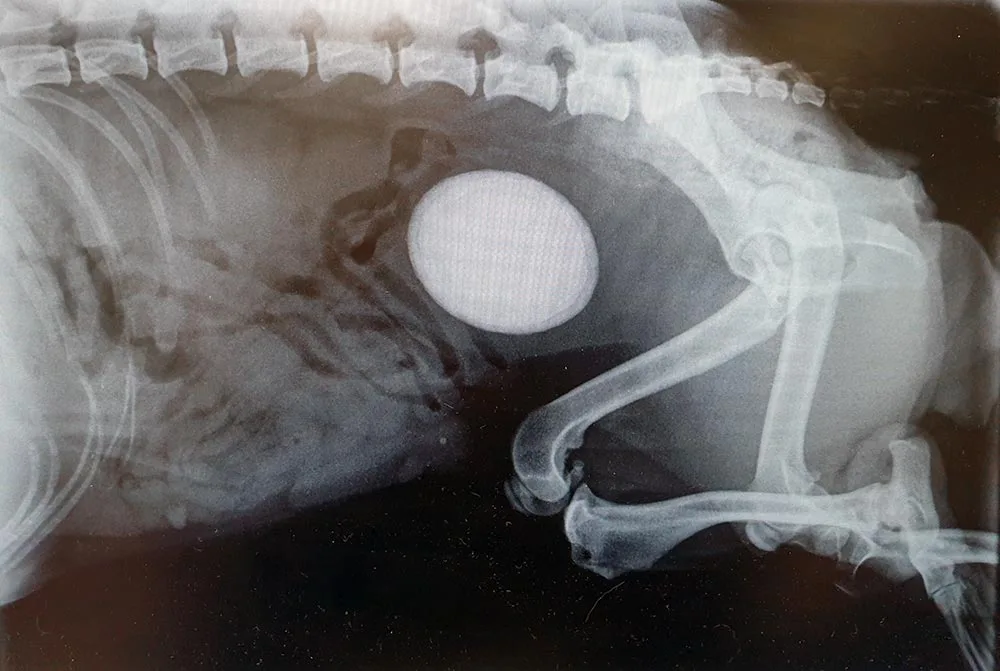
Image source: Bing (Web (fair-use with source credit))
At the vet, expect:
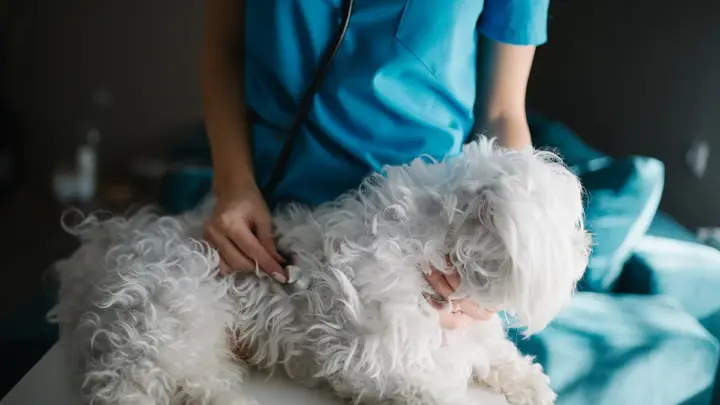
- A physical exam
- Urinalysis to check for infection or crystals
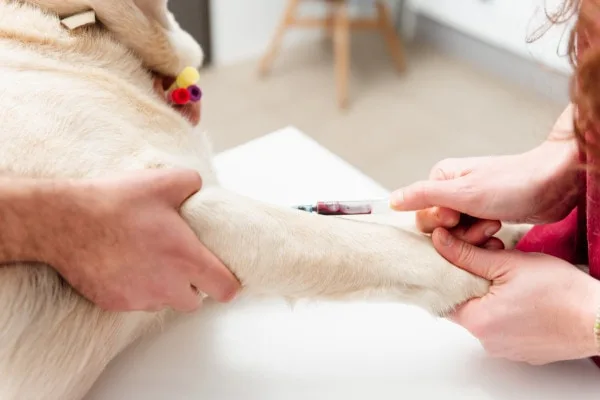
- Blood tests to assess kidney function
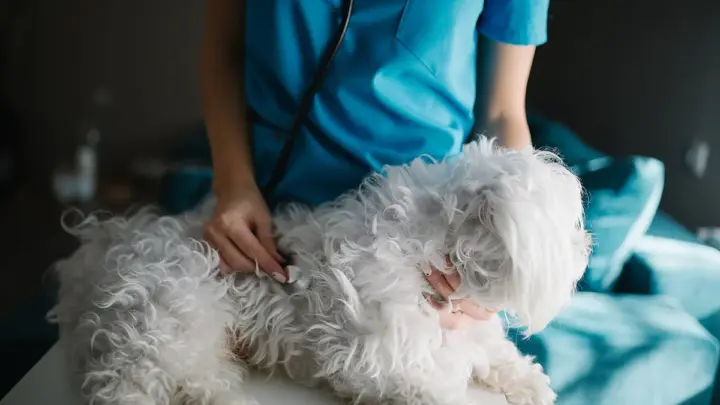
- Imaging (X-ray or ultrasound) if blockages are suspected
Treatment may include antibiotics, pain relief, or surgery. Dietary changes can help prevent future issues. Follow your vet’s advice closely for the best outcome.
Costs, Tests, and Treatment Options
Vet visits for urinary issues typically start with a physical exam and urinalysis. A urinalysis costs around $50 to $100. Blood tests add another $50 to $200.
Imaging like X-rays or ultrasounds may run $150 to $400. These help identify bladder stones or blockages. Treatment costs vary by diagnosis.
| Issue | Test | Cost Range | Treatment |
|---|---|---|---|
| UTI | Urinalysis | $50–$100 | Antibiotics ($20–$50) |
| Bladder stones | X-ray/Ultrasound | $150–$400 | Surgery ($500–$2,000) |
| Urinary blockage | Ultrasound | $200–$400 | Emergency surgery ($1,000+) |
| Kidney disease | Bloodwork | $100–$200 | Medication ($50–$200/mo) |
Prescription diets for urinary health cost about $50 to $100 per month. These can dissolve certain types of stones. Always follow your vet’s recommendations for the best outcome.
Mistakes to Avoid (And How They Can Hurt Your Dog)
Waiting too long to see a vet is the biggest mistake. Urinary blockages can be fatal within 48 hours. Ignoring blood in urine or straining can lead to permanent damage.
Assuming it’s just a UTI without testing is risky. Some symptoms overlap with more serious conditions. Skipping follow-up care can cause recurring issues.
Avoid giving human medications like ibuprofen. These are toxic to dogs. Never diagnose based on internet advice alone.
Frequently Asked Questions
Why is my dog peeing small amounts frequently?
This often signals a urinary tract infection or bladder irritation. It can also indicate bladder stones or stress. If it persists for more than a day, see your vet.
When is straining to pee an emergency?
If your dog strains with no urine output, it’s a life-threatening blockage. Other emergency signs include vomiting, lethargy, or a swollen abdomen. Go to the vet immediately.
Can anxiety cause my dog to pee more?
Yes, stress or anxiety can lead to frequent urination. Changes in the home, new pets, or loud noises may trigger it. Behavioral training or calming aids can help.
How do vets diagnose urinary problems?
Vets typically start with a physical exam and urinalysis. Blood tests and imaging may follow. These help pinpoint infections, stones, or blockages.
What’s the best diet for a dog with urinary issues?
Prescription diets like Hill’s c/d or Royal Canin Urinary SO are often recommended. These reduce minerals that form stones. Always consult your vet before changing diets.
Can male dogs get UTIs?
Yes, but they’re less common in males than females. Males are more prone to urinary blockages due to their anatomy. Symptoms include straining and frequent attempts to pee.

Similar Posts