Why Do Dogs Shake Their Heads Constantly?
Founder & Veterinary Clinical Advisor at Pets Health Tips · DVM (Doctor of Veterinary Medicine), Member of the American Veterinary Medical Association (AVMA) · 14+ years in companion animal clinical triage, preventative nutrition, and geriatric pet therapy
Dogs shake their heads for a reason, and it’s rarely just a quirk. If you’re wondering why dogs keep shaking their heads, the answer usually ties to discomfort, ear infections, mites, or trapped debris are the top culprits. Left unchecked, even minor irritation can turn into a painful problem.
Nearly 20% of dogs develop ear infections at some point, with floppy-eared breeds at highest risk. The good news is that early action can prevent bigger issues.
why dogs keep shaking their heads
Dogs shake their heads to relieve irritation or pain. Ear infections are the most common cause. Mites, allergies, and trapped water or debris also trigger it.
Foreign objects or growths can too.
The 6 Most Common Causes of Head Shaking in Dogs
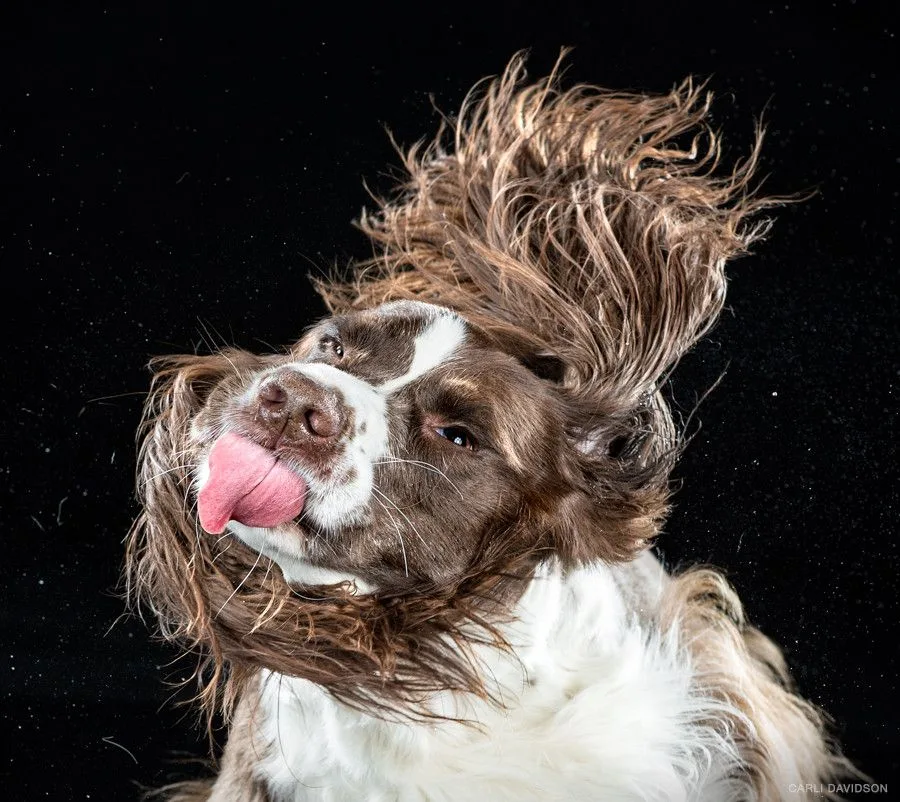
Image source: Bing (Web (fair-use with source credit))
Ear infections top the list, often from bacteria or yeast. Malassezia yeast thrives in warm, moist ears, while bacteria like Staphylococcus cause pus and odor. Floppy-eared breeds are especially prone due to poor airflow.
Ear mites are another frequent offender, particularly in puppies. These tiny parasites cause intense itching and dark, crumbly debris. Allergies, whether food, environmental, or contact, can also lead to inflamed, itchy ears.
Water trapped in the ears after swimming or baths creates a perfect breeding ground for infections. Foreign objects like grass seeds or insects can lodge in the ear canal, prompting frantic shaking. Less commonly, growths like polyps or tumors may be the cause.
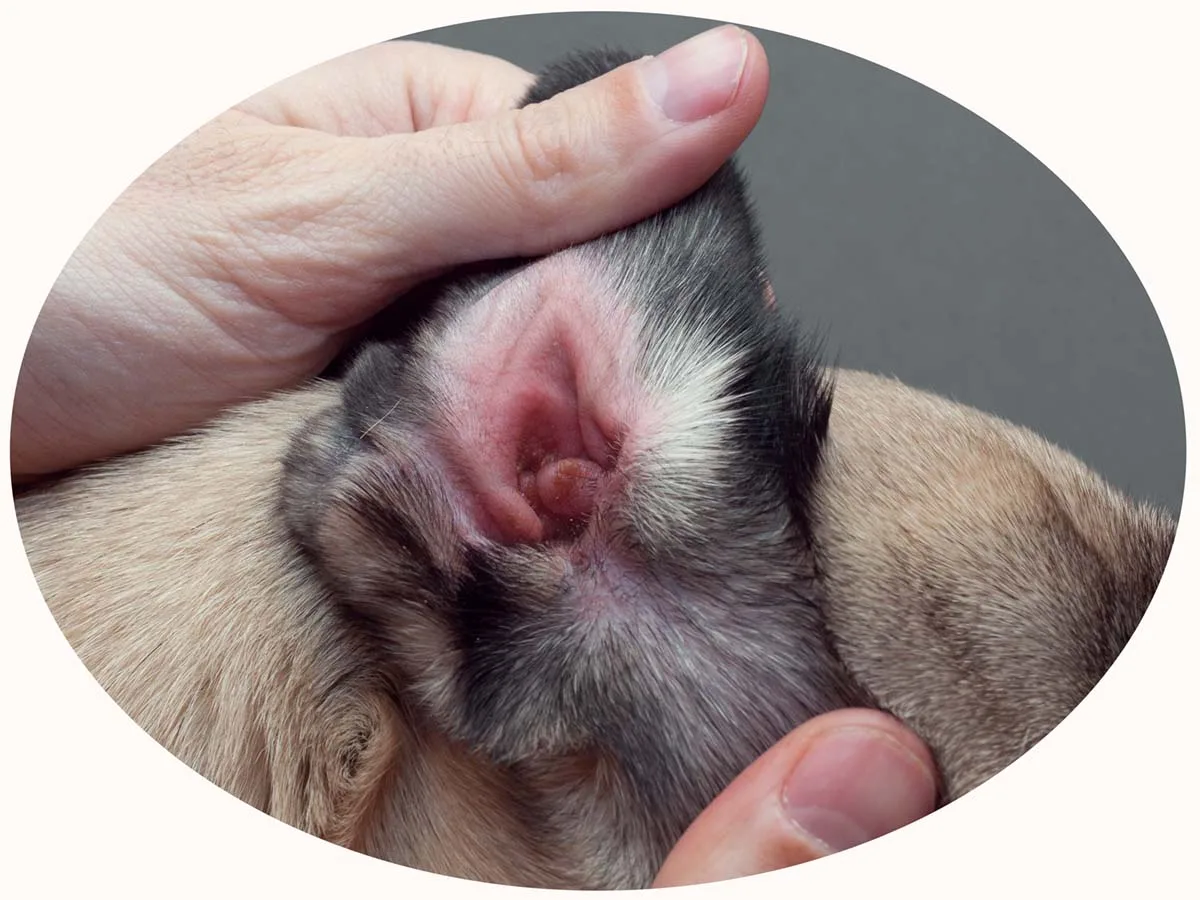
Image source: Bing (Web (fair-use with source credit))
How to Tell If It’s Serious or Just a Minor Irritation
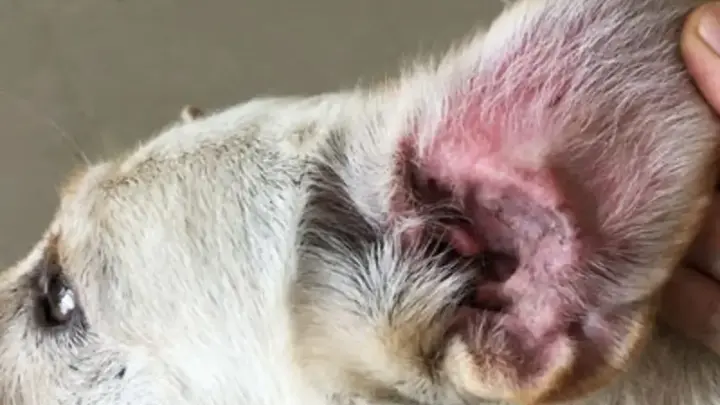
A one-off shake after a bath is usually nothing to worry about. But if your dog keeps shaking their head for more than a day, it’s time to investigate. Redness, swelling, or a foul odor are red flags.
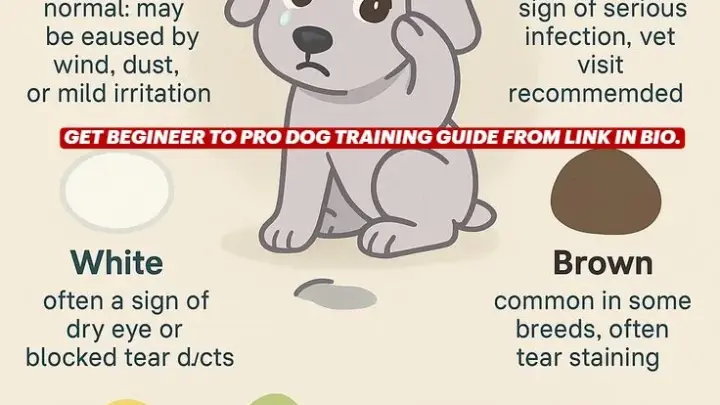
Discharge is a clear sign of trouble. Yellow or brown gunk often points to a bacterial infection, while black, waxy debris suggests mites. Blood or a head tilt could indicate a deeper issue, like a ruptured blood vessel or vestibular disease.
Pain is another warning sign. If your dog yelps when you touch their ears or avoids contact, it’s likely more than a minor irritation. Persistent scratching can also lead to self-inflicted wounds or ear hematomas.
What to Do Right Now: A Step-by-Step Decision Guide
Start with a visual inspection. Gently lift the ear flap and look for redness, swelling, or discharge. Use a flashlight if needed, but never insert anything into the ear canal.
If you spot debris or mild wax buildup, clean the ear with a vet-approved solution. Avoid cotton swabs, they can push debris deeper or damage the eardrum. Instead, use a soft cloth or gauze to wipe away visible dirt.
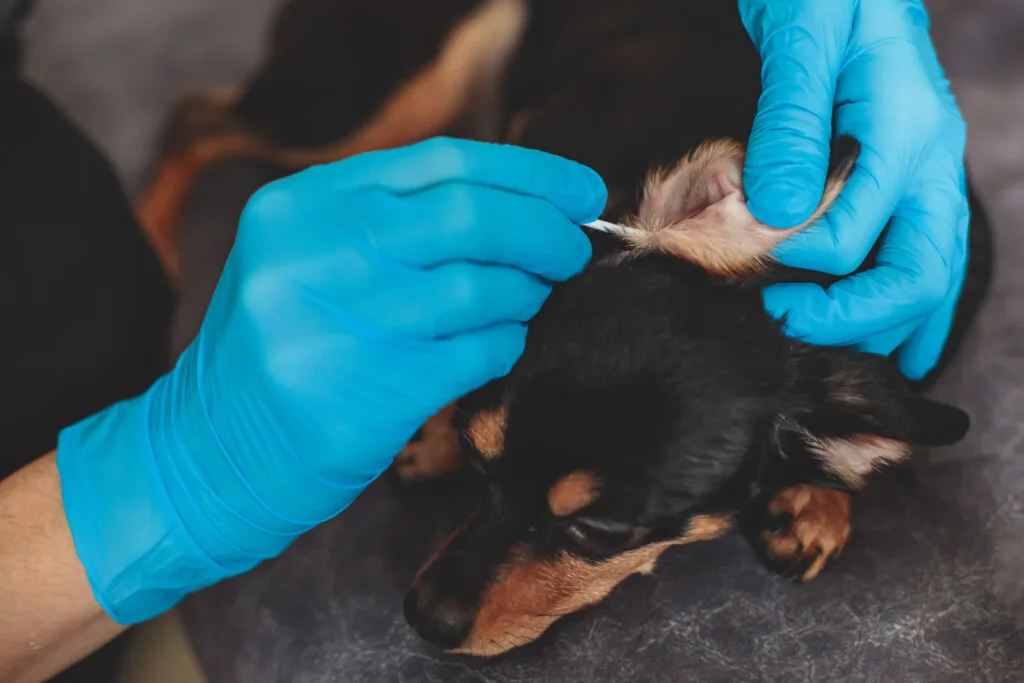
Image source: Bing (Web (fair-use with source credit))
For signs of mites, like dark crusty debris, use an anti-parasitic treatment recommended by your vet. If the shaking persists for more than 24 hours, or if you notice severe symptoms like blood or a head tilt, schedule a vet visit immediately. They can perform a thorough exam, possibly including an otoscope or ear cytology.
Home Care vs. Vet Visit—How to Decide
Mild irritation from water or minor wax buildup can often be managed at home. Use a vet-approved ear cleaner and dry the ears thoroughly after swimming or baths. Regular ear checks, especially for floppy-eared breeds, can prevent issues before they start.
However, some situations require professional care. If your dog has persistent discharge, a foul odor, or signs of pain, a vet visit is necessary. They can prescribe antibiotics, antifungals, or anti-parasitic medications tailored to the cause.
For severe cases, like deep infections or hematomas, surgery or drainage may be needed.
Allergies often need a vet’s input too. They can perform tests to identify triggers and recommend diet changes or medications. Ignoring allergies can lead to chronic ear infections and long-term discomfort.
Breed-Specific Risks and Prevention Tips
Breeds with floppy ears, like Cocker Spaniels and Basset Hounds, are more prone to ear infections due to poor airflow. Regular ear checks and cleaning can help prevent buildup. For dogs that swim often, drying their ears after each session is crucial.
Dogs with allergies, such as those prone to atopic dermatitis, may need extra care. Managing allergies through diet, medications, or environmental controls can reduce ear inflammation. Breeds with narrow ear canals, like Shar-Peis, are also at higher risk and may need more frequent cleanings.
Prevention is key. Use a vet-recommended ear cleaner and avoid overcleaning, which can strip natural oils. If your dog is prone to ear issues, ask your vet about preventive measures, like regular ear cytology or allergy testing.
As of 2026, the American Veterinary Medical Association (AVMA) continues to emphasize the importance of early intervention for ear health in dogs.
Frequently Asked Questions
Why does my dog shake his head after swimming?
Water in the ears is a common trigger. It creates a moist environment where yeast and bacteria thrive. Always dry your dog’s ears thoroughly after swimming or baths to prevent infections.
Can allergies cause my dog to shake their head?
Yes, allergies are a leading cause of ear inflammation. Environmental allergens like pollen or dust mites can irritate the ears. Food allergies may also contribute to chronic ear issues.
How can I tell if my dog has ear mites?
Ear mites often cause dark, crumbly debris that looks like coffee grounds. Your dog may scratch excessively and shake their head frequently. A vet can confirm with a microscopic exam.
When should I take my dog to the vet for head shaking?
See a vet if the shaking lasts more than 24 hours or if you notice discharge, odor, or pain. Blood, a head tilt, or loss of balance are emergency signs.
Are certain breeds more prone to ear problems?
Yes. Breeds with floppy ears like Cocker Spaniels and Basset Hounds have higher risks. Their ear shape traps moisture and reduces airflow, making infections more likely.
What’s the best way to clean my dog’s ears at home?
Use a vet-approved ear cleaner and a soft cloth or gauze. Avoid cotton swabs, as they can damage the ear canal. Clean only the visible part of the ear and dry thoroughly afterward.