Dog Allergies: Environmental vs Food Causes
Founder & Veterinary Clinical Advisor at Pets Health Tips · DVM (Doctor of Veterinary Medicine), Member of the American Veterinary Medical Association (AVMA) · 14+ years in companion animal clinical triage, preventative nutrition, and geriatric pet therapy
Your dog’s constant scratching, licking, or ear infections could mean allergies, but figuring out whether it’s environmental vs food allergies in dogs isn’t always straightforward. Both types share overlapping symptoms, yet they demand completely different solutions.
Environmental allergies affect roughly 10-20% of dogs, while true food allergies are far less common, making up only about 1-2% of cases as of 2026. The first step is knowing what sets them apart.
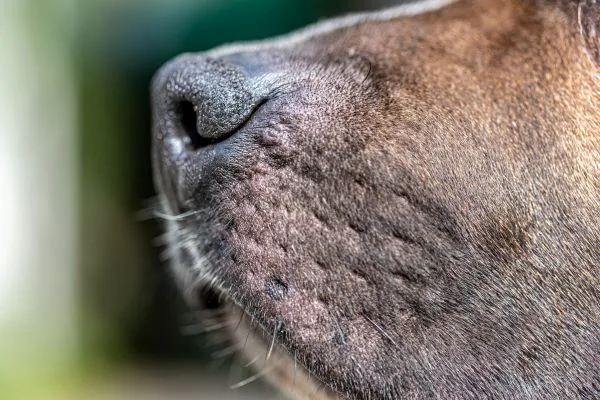
environmental vs food allergies in dogs
Environmental allergies are triggered by inhaled or contact irritants like pollen or dust. Food allergies stem from ingredients in your dog’s diet. Environmental symptoms often flare seasonally.
Food allergies cause year-round issues. Both can cause skin irritation and itching.
The Key Difference Between Environmental and Food Allergies in Dogs
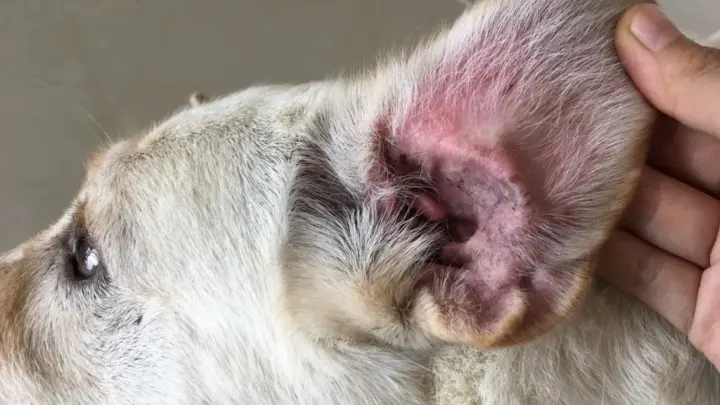
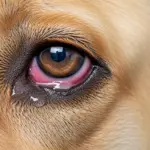
Environmental allergies, also called atopic dermatitis, happen when your dog’s immune system overreacts to airborne or surface allergens. Pollen, mold, dust mites, and flea saliva are the usual culprits. These allergens are absorbed through the skin or inhaled, leading to itching, redness, and secondary infections.
Food allergies occur when your dog’s immune system targets a specific protein in their diet, often beef, dairy, chicken, or wheat. Unlike food intolerances, which cause digestive upset, true food allergies trigger an immune response that usually shows up as skin problems.
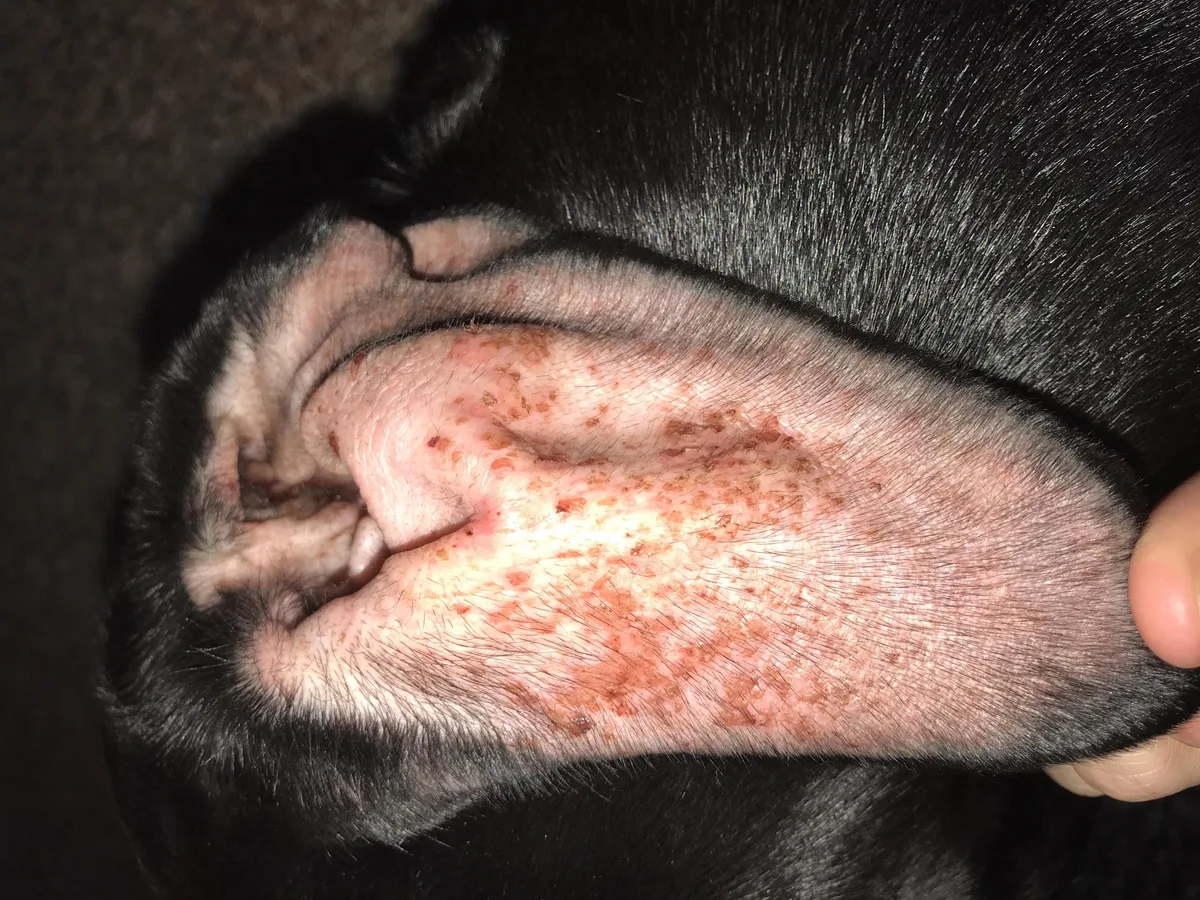
Image source: Bing (Web (fair-use with source credit))
The key difference lies in the trigger and how it enters your dog’s system. Environmental allergens are external, while food allergens are ingested. This distinction is critical because it determines how you’ll manage the problem.
Signs and Symptoms: What to Look For
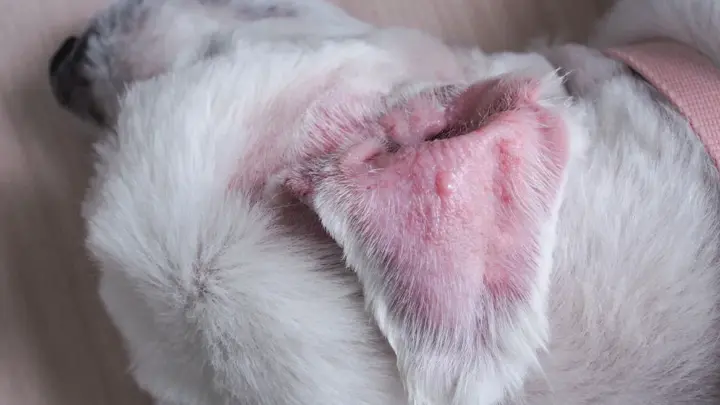
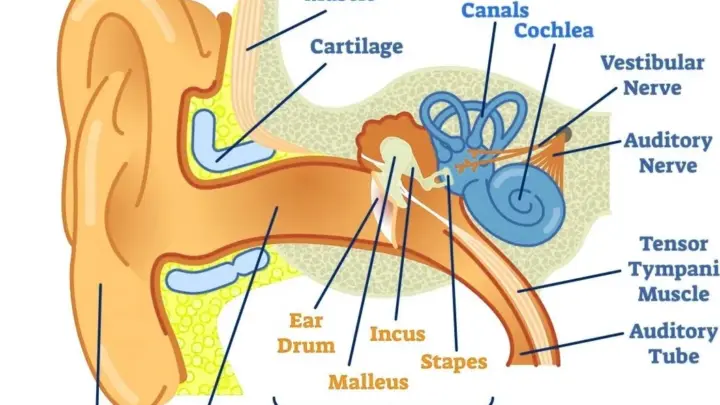
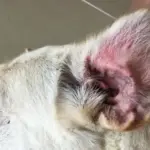
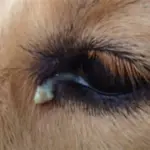
Both types of allergies can cause itching, but the patterns often differ. Environmental allergies frequently target the paws, ears, and belly, where skin is thinner. Food allergies may cause more generalized itching, often including the face, rear, and paws.
Digestive symptoms like vomiting or diarrhea are rare with environmental allergies but can occur with food allergies. However, most food allergies in dogs still present as skin issues rather than digestive upset.
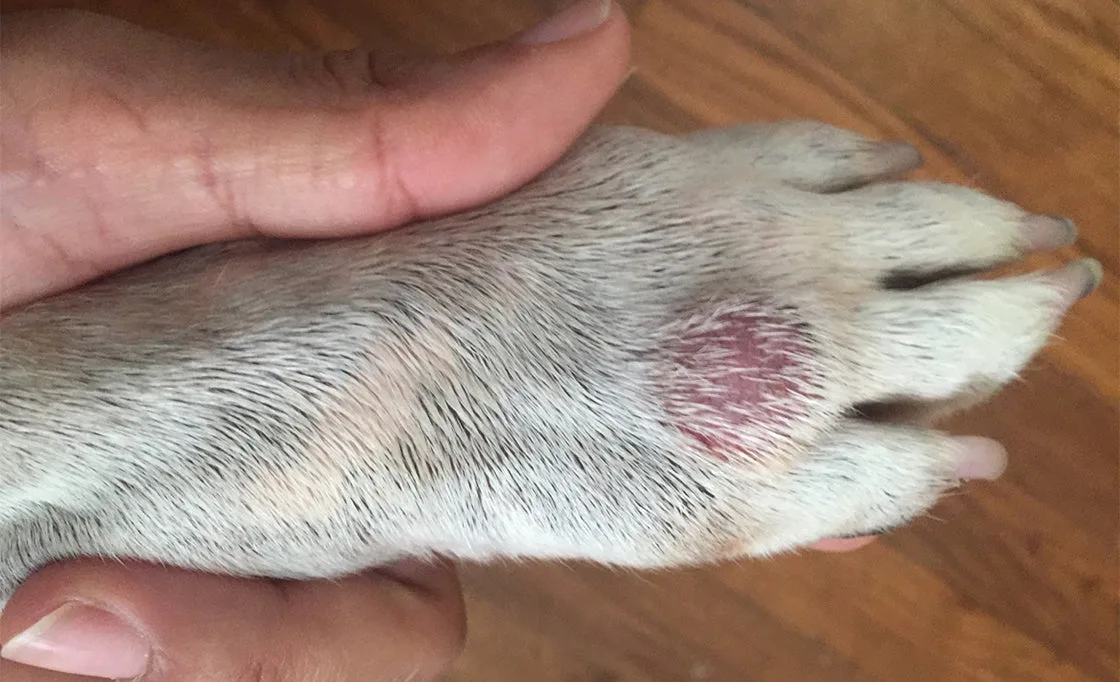
Image source: Bing (Web (fair-use with source credit))
Seasonality is another clue. If your dog’s symptoms worsen in spring or fall, environmental allergies are likely. Food allergies, on the other hand, persist year-round unless the offending ingredient is removed from their diet.
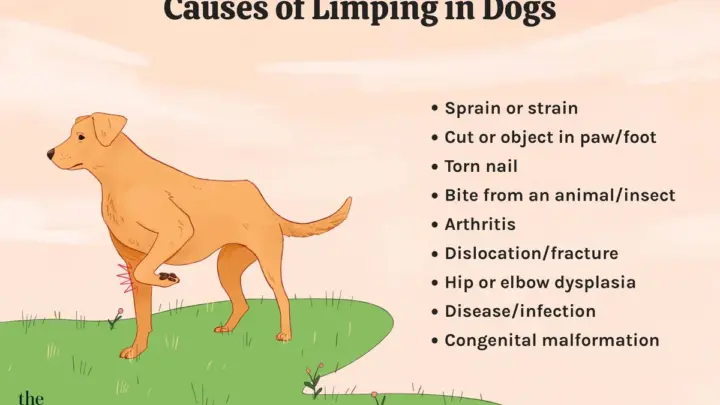
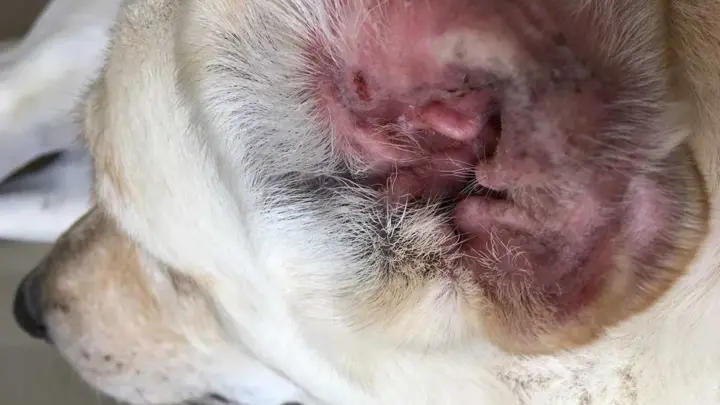
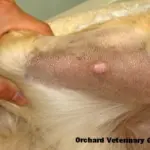
Watch for secondary signs, too. Chronic ear infections, hot spots, or hair loss can develop from constant scratching or licking. These often indicate an underlying allergy that needs addressing.
How Vets Diagnose Each Type of Allergy
Diagnosing environmental allergies usually starts with ruling out other causes like fleas or infections. Your vet may recommend allergy testing, either through a blood test or intradermal skin testing, which is considered the gold standard. These tests identify specific allergens triggering your dog’s immune response.
For food allergies, the most reliable method is an elimination diet trial. This involves switching your dog to a novel protein and carbohydrate source they’ve never eaten before, such as duck and sweet potato, or a hydrolyzed protein diet. The diet must be followed strictly for 8-12 weeks, with no other foods, treats, or flavored medications.
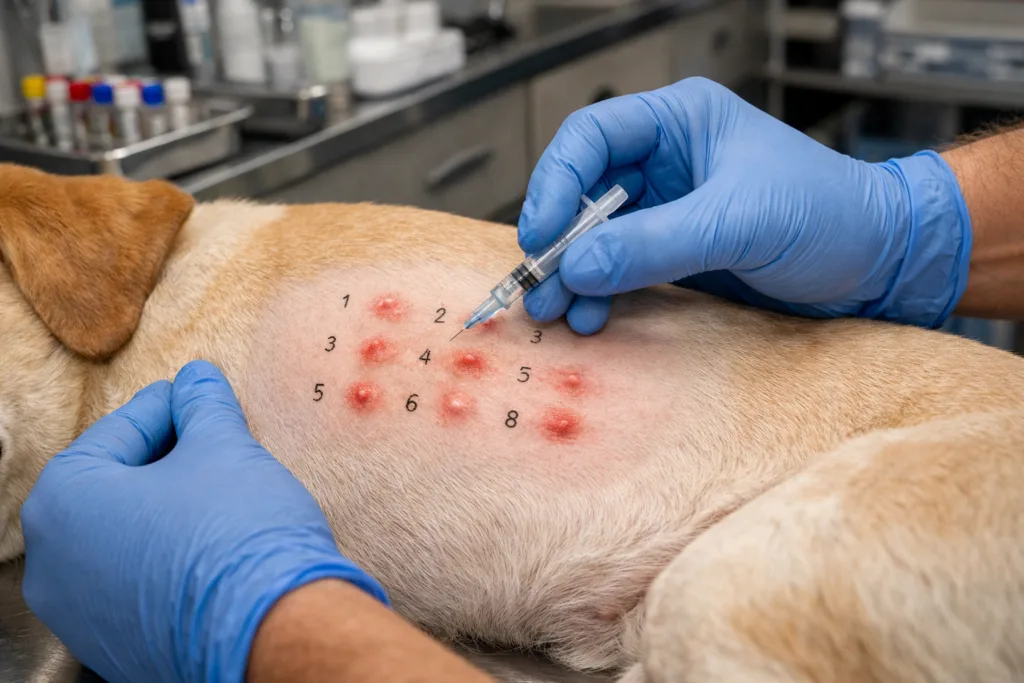
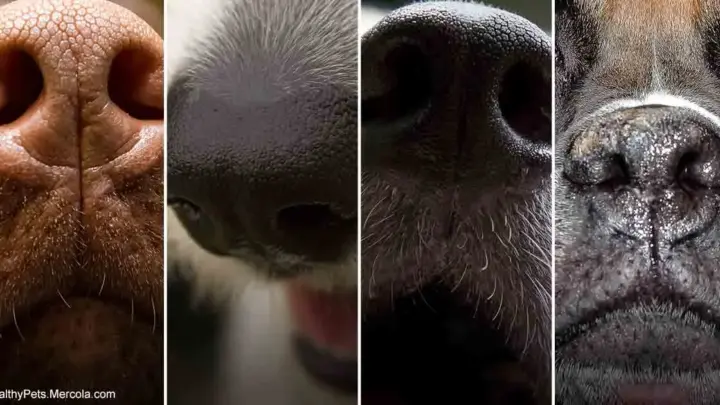
Image source: Bing (Web (fair-use with source credit))
If symptoms improve during the trial, your vet may recommend reintroducing old foods one at a time to pinpoint the culprit. This process can take time but is the most accurate way to diagnose a food allergy.
Over-the-counter allergy tests are not reliable for dogs. According to the American College of Veterinary Dermatology, these tests often produce false positives and can lead to unnecessary dietary restrictions or treatments.
Treatment Options for Environmental vs. Food Allergies
For environmental allergies, the first line of defense is avoidance. Regular baths with a hypoallergenic shampoo can remove allergens from your dog’s coat and skin. Wiping their paws after walks and keeping your home clean can also reduce exposure to pollen, dust, and other irritants.
Medications like antihistamines, corticosteroids, or newer options like Apoquel (oclacitinib) can help manage itching and inflammation. In severe cases, your vet may recommend immunotherapy, which involves gradually exposing your dog to small amounts of the allergen to build tolerance over time.
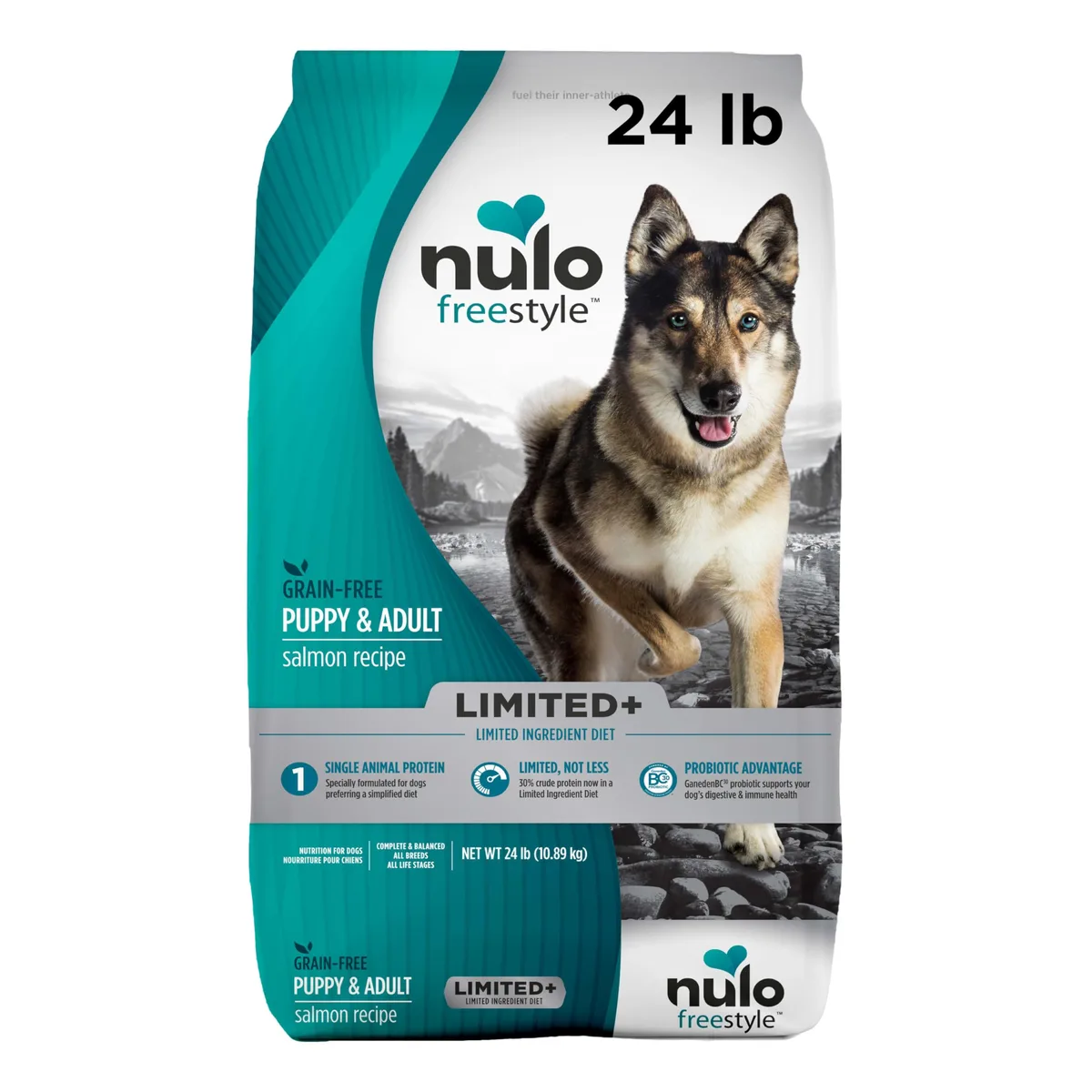
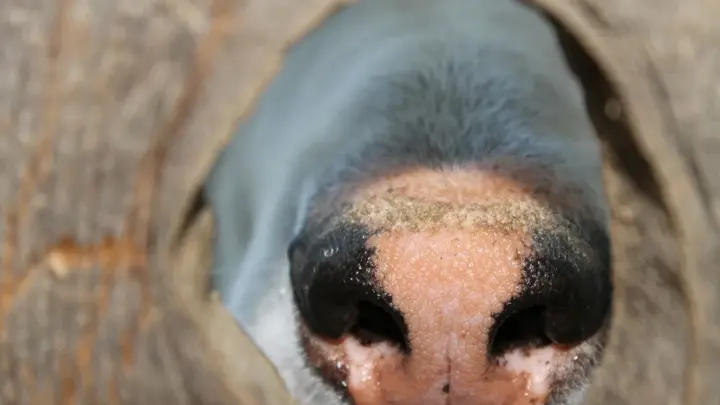
Image source: Bing (Web (fair-use with source credit))
For food allergies, the solution is simpler in theory but requires discipline. Once the offending ingredient is identified, you’ll need to eliminate it from your dog’s diet completely. This means carefully reading labels on all foods, treats, and even medications, as some may contain hidden allergens.
Hypoallergenic or limited-ingredient diets can be a good long-term solution. Some dogs do well on novel protein diets, while others may need hydrolyzed protein diets, where the proteins are broken down into smaller pieces that are less likely to trigger an immune response.
Common Mistakes Dog Owners Make (And How to Avoid Them)
Assuming itching always means food allergies is a big mistake. Environmental triggers are far more common. Many owners switch diets unnecessarily, missing the real cause.
Another error is not sticking to the elimination diet long enough. It takes 8 to 12 weeks to see results. Cheating with treats or table scraps ruins the test.
Over-the-counter allergy tests often give false positives. The American College of Veterinary Dermatology warns these tests aren’t reliable for dogs. Trust your vet’s diagnostic methods instead.
Ignoring secondary infections is also risky. Constant scratching can lead to bacterial or yeast infections. These need separate treatment, so address them early.
When to See a Vet Immediately
Seek emergency care if your dog has trouble breathing or their face swells. These are signs of anaphylaxis, a rare but life-threatening reaction.
Persistent vomiting or diarrhea alongside skin issues could signal a severe food allergy. Don’t wait to see if it resolves on its own.
If your dog’s symptoms don’t improve with basic care, it’s time for a vet visit. Chronic allergies can worsen without proper treatment.
Ear infections that keep coming back often point to underlying allergies. Left untreated, they can cause permanent damage.
Frequently Asked Questions
Can dogs develop allergies later in life?
Yes, dogs can develop allergies at any age. Environmental allergies often appear between 1 and 3 years old. Food allergies may show up later, even in senior dogs.
How long does an elimination diet take?
An elimination diet requires 8 to 12 weeks of strict adherence. No other foods, treats, or flavored medications are allowed during this period.
Are certain breeds more prone to allergies?
Yes, some breeds are genetically predisposed. Bulldogs, Retrievers, Terriers, and German Shepherds are among the most affected. If you own one of these breeds, watch for early signs.
Can I use human antihistamines for my dog?
Some human antihistamines are safe for dogs, but always check with your vet first. Dosages differ, and some ingredients can be toxic. Never give medication without professional guidance.
What’s the difference between food intolerance and food allergy?
Food intolerance causes digestive upset without an immune response. A food allergy triggers an immune reaction, usually causing skin issues. Both require dietary changes but for different reasons.

Similar Posts