Dog Eye Discharge Color Guide: What Each Hue Means
Founder & Veterinary Clinical Advisor at Pets Health Tips · DVM (Doctor of Veterinary Medicine), Member of the American Veterinary Medical Association (AVMA) · 14+ years in companion animal clinical triage, preventative nutrition, and geriatric pet therapy
Noticing your dog’s eyes watering or crusting over can be alarming, but a dog eye discharge color guide helps you tell the difference between a minor irritation and a serious issue. The color, texture, and accompanying symptoms often point to specific causes, from allergies to infections or even injuries.
Per the American College of Veterinary Ophthalmologists, eye discharge is one of the most common reasons dogs visit the vet, with color being the first clue to the underlying problem.
dog eye discharge color guide
Clear discharge often means allergies or minor irritation. White or gray mucus can signal dry eye or a mild infection. Yellow or green discharge usually indicates a bacterial infection.
Brown or red-tinged discharge may mean old blood or a more serious issue. Bloody discharge is an emergency and needs immediate vet care.
What Your Dog’s Eye Discharge Color Actually Means
The color and consistency of your dog’s eye discharge are the fastest way to narrow down the cause. Clear, watery discharge is often the body’s way of flushing out dust or pollen. Thicker, white or gray mucus suggests irritation or dry eye, especially in breeds like Pugs or Bulldogs with shallow eye sockets.
Yellow or green discharge is a red flag. This pus-like color typically means a bacterial infection, such as conjunctivitis, which often comes with redness and swelling. Brown or reddish discharge can indicate old blood from a minor injury or a blocked tear duct.
If the discharge is fresh blood or your dog is squinting in pain, it’s likely a trauma or ulcer.
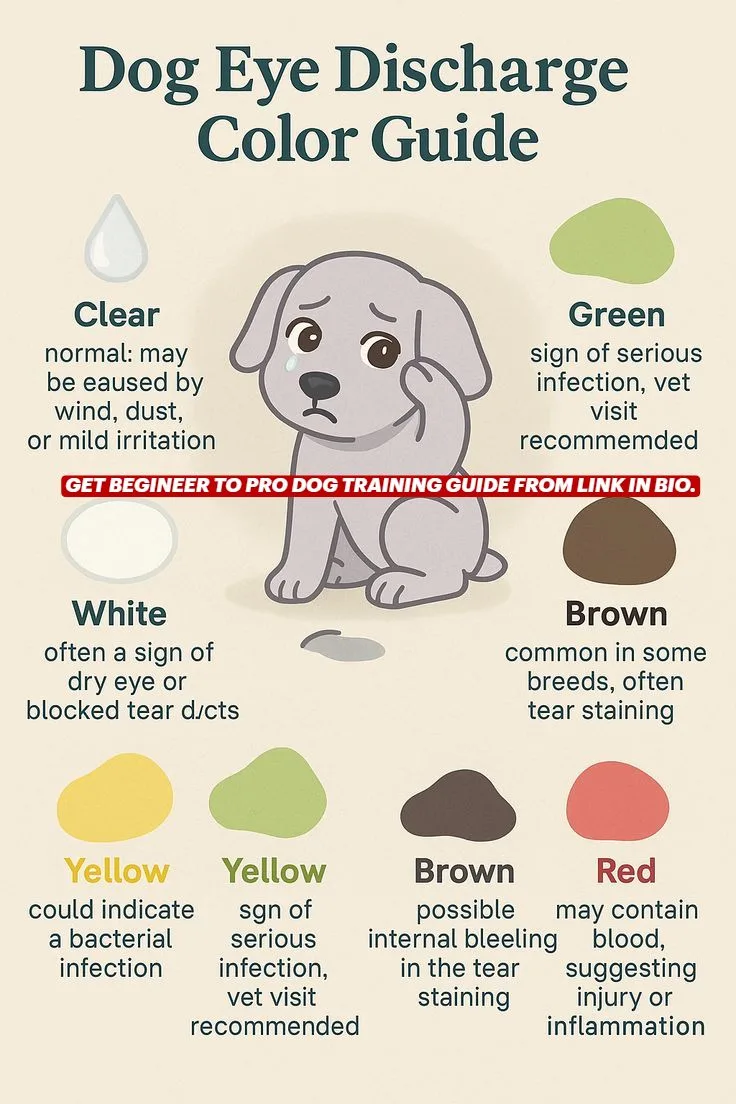
Image source: Bing (Web (fair-use with source credit))
Green discharge is almost always a sign of infection, while clear discharge is usually harmless. If the discharge is sticky or crusty, it might be from a foreign object or an allergic reaction. Always check for other symptoms like pawing at the eye, light sensitivity, or a cloudy appearance.
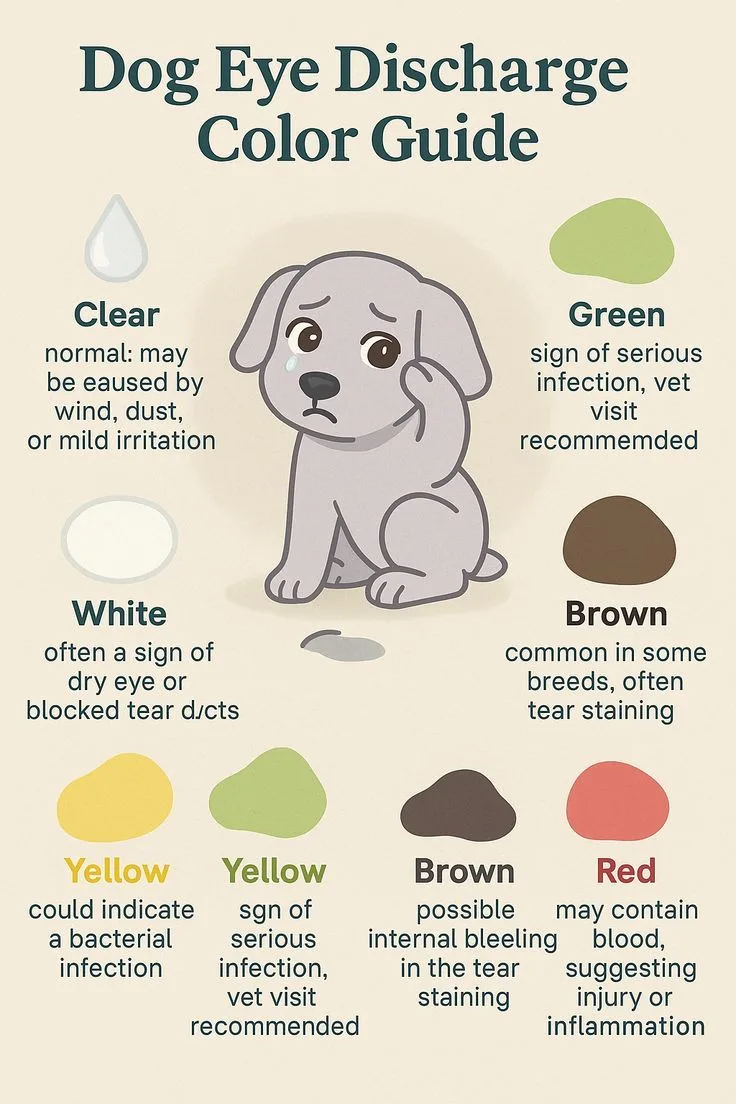
Image source: Bing (Web (fair-use with source credit))
When to Rush to the Vet (And When to Wait)
Take your dog to the vet immediately if you see bloody discharge, a sudden change in vision, or severe pain. These are signs of trauma, a corneal ulcer, or glaucoma, all of which can lead to permanent damage if untreated. Yellow or green discharge with swelling or redness also warrants a same-day vet visit, as bacterial infections can worsen quickly.
You can monitor clear or white discharge at home for 24 hours if your dog seems comfortable and has no other symptoms. Use a clean, damp cloth to gently wipe away discharge, but avoid over-the-counter human eye drops, as they can be harmful. If the discharge persists or worsens, or if your dog starts squinting or rubbing their eye, it’s time to call the vet.
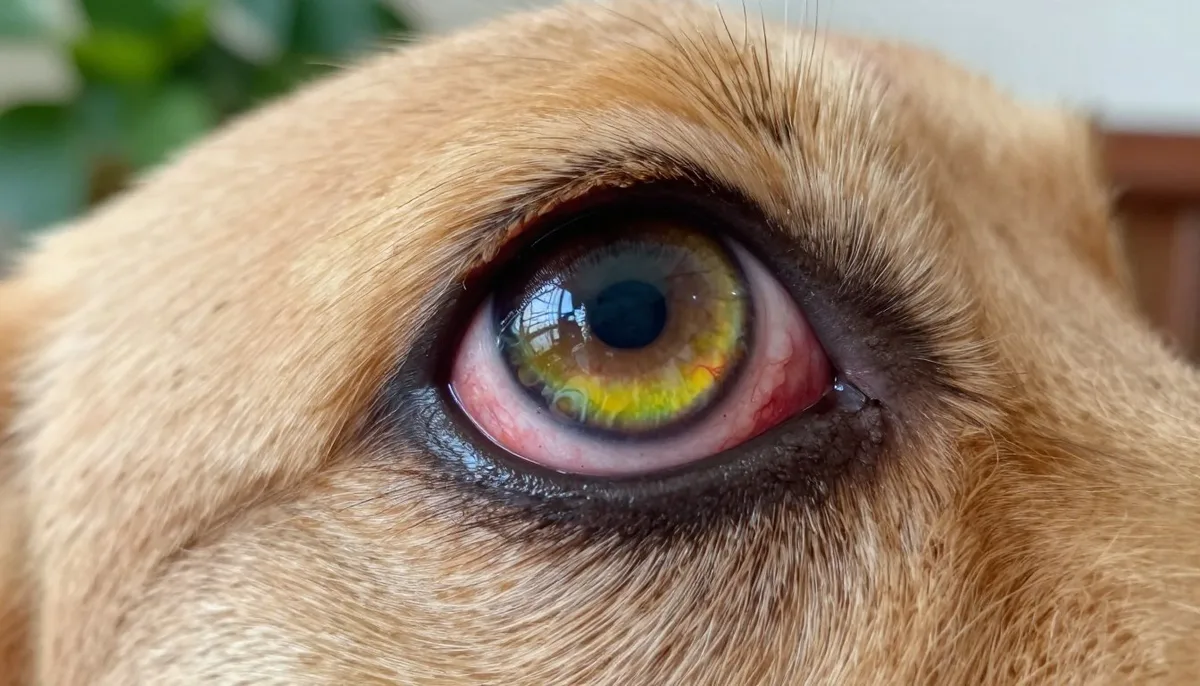
Image source: Bing (Web (fair-use with source credit))
For chronic issues like dry eye, your vet may prescribe artificial tears or cyclosporine to stimulate tear production. Breeds with prominent eyes, such as Shih Tzus or Pekingese, are more prone to eye problems and may need more frequent check-ups.
Clear vs. White vs. Yellow vs. Green: The Color Guide
| Color | Likely Cause | Accompanying Symptoms | Action |
|---|---|---|---|
| Clear | Allergies, dust, minor irritation | None or mild redness | Monitor, flush with saline |
| White/Gray | Dry eye, mild irritation | Thick mucus, crusty eyes | Vet visit if persistent |
| Yellow/Green | Bacterial infection | Redness, swelling, odor | Vet visit within 24 hours |
| Brown/Reddish | Old blood, blocked tear duct | Sticky discharge, mild discomfort | Vet visit if recurring |
| Bloody | Trauma, ulcer, glaucoma | Pain, squinting, vision changes | Emergency vet visit |
Clear discharge is often harmless, but if it’s excessive, it could indicate a blocked tear duct or distemper in unvaccinated dogs. White or gray discharge might be a sign of keratoconjunctivitis sicca (KCS), a condition where the eye doesn’t produce enough tears. This is common in older dogs and certain breeds like Cocker Spaniels.
Yellow or green discharge is a classic sign of a bacterial infection, such as conjunctivitis. This is contagious to other dogs, so keep your pet isolated until they’ve been treated. Brown or reddish discharge can result from a minor injury, like a scratch from a branch, or a more serious issue like a corneal ulcer.
Step-by-Step: How to Check and Clean Your Dog’s Eyes at Home
Start by examining your dog’s eyes in a well-lit area. Look for redness, swelling, or cloudiness, and note the color and consistency of any discharge. If your dog seems painful or is squinting, avoid touching the eye and consult your vet immediately.
To clean the eyes, use a clean, soft cloth or gauze dampened with sterile saline solution. Gently wipe from the inner corner of the eye outward, using a fresh part of the cloth for each wipe. Avoid using cotton balls, as the fibers can irritate the eye.
If the discharge is crusty, soak the area with a warm, damp cloth to soften it before wiping.
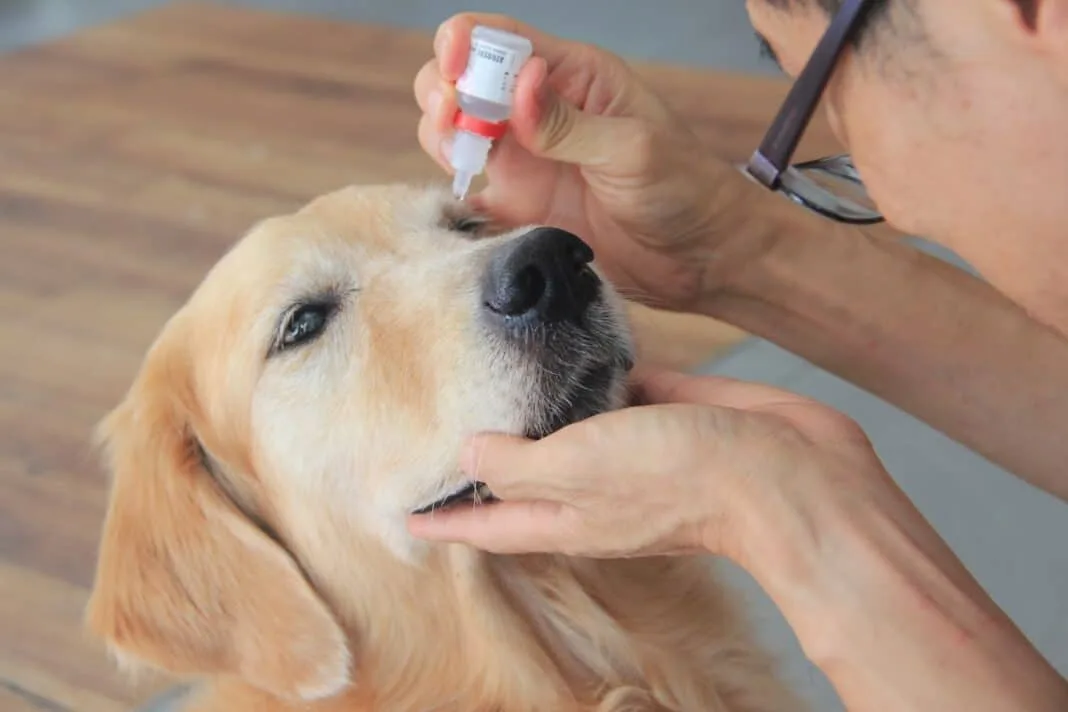
Image source: Bing (Web (fair-use with source credit))
Never use human eye drops, hydrogen peroxide, or any other household products in your dog’s eyes. These can cause severe irritation or damage. If you need to flush the eye, use a sterile saline solution made for pets or a homemade mix of 1 teaspoon of salt in 1 cup of boiled, cooled water.
After cleaning, monitor your dog for any changes. If the discharge returns or your dog seems uncomfortable, contact your vet. For breeds with long hair around their eyes, like Poodles or Bichons, keep the fur trimmed to prevent irritation.
Regular eye checks should be part of your grooming routine, especially for dogs prone to eye issues.
Common Mistakes That Make Eye Problems Worse
Using human eye drops on your dog can cause severe irritation or toxicity. Many over-the-counter products contain ingredients like tetrahydrozoline, which are unsafe for pets. Always stick to vet-approved saline or prescribed medications.
Ignoring discharge for more than a day can turn a minor issue into a serious infection. Yellow or green discharge often signals a bacterial problem that needs antibiotics. Waiting too long may lead to corneal damage or even vision loss.
Another mistake is assuming all eye issues are the same. A clear discharge from allergies requires different care than a thick, green discharge from an infection. Misdiagnosing the cause can delay proper treatment.
Breed-Specific Risks and What to Watch For
Brachycephalic breeds like Pugs, Bulldogs, and Shih Tzus have shallow eye sockets, making them prone to injuries and infections. Their prominent eyes are more exposed to dust, debris, and trauma. Regular eye checks are essential for these breeds.
Long-haired breeds such as Poodles, Bichons, and Lhasa Apsos often develop eye irritation from fur rubbing against the cornea. Keeping the hair around their eyes trimmed can prevent this. Breeds with long, droopy ears, like Cocker Spaniels, may also experience more eye issues due to reduced airflow.
Working and herding breeds like Border Collies and Australian Shepherds are at higher risk of eye trauma from outdoor activities. They may encounter branches, thorns, or other hazards that can scratch the eye. Always inspect their eyes after outdoor adventures.
Older dogs are more susceptible to chronic conditions like dry eye or cataracts. Regular vet visits can help catch these issues early. Small breeds, such as Chihuahuas and Yorkshire Terriers, are also more prone to eye problems due to their size and genetics.