New Lump on Dog Under Skin: Causes & Care
Founder & Veterinary Clinical Advisor at Pets Health Tips · DVM (Doctor of Veterinary Medicine), Member of the American Veterinary Medical Association (AVMA) · 14+ years in companion animal clinical triage, preventative nutrition, and geriatric pet therapy
Finding a new lump on dog under skin is alarming, but not every bump spells trouble. Many are harmless, like lipomas or cysts, while others need swift action. The key is knowing the difference before panic sets in.
Per the American Veterinary Medical Association, skin masses are among the most common reasons for vet visits, with up to 30% of dogs developing at least one lump in their lifetime as of 2026. Here’s how to assess what you’re seeing.
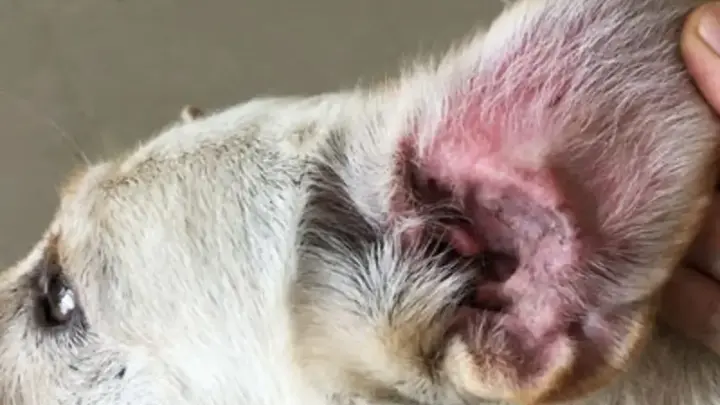
new lump on dog under skin
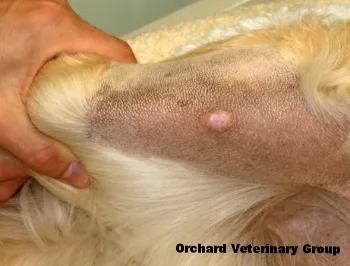
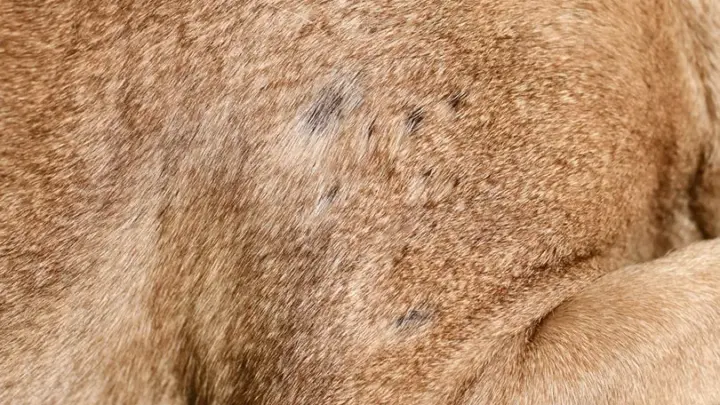
A new lump on dog under skin can be benign or serious. Lipomas are soft, movable, and usually harmless. Mast cell tumors may look similar but can be aggressive.
Rapid growth or pain means see a vet immediately.
How to Tell If It’s Serious (Red Flags vs. Probably Fine)
Not all lumps demand an emergency trip, but some signs scream "act now." If the lump is growing fast, doubling in size within days, that’s a red flag. Pain, bleeding, or ulceration also warrant urgent care.
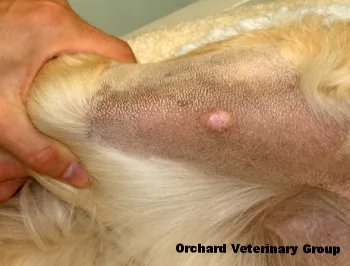
Image source: Bing (Web (fair-use with source credit))
A lump that’s hard, fixed in place, or accompanied by swelling in nearby lymph nodes could signal cancer. On the flip side, a slow-growing, soft, movable lump under the skin is often a lipoma, especially in older dogs. Still, never assume, always check with your vet.
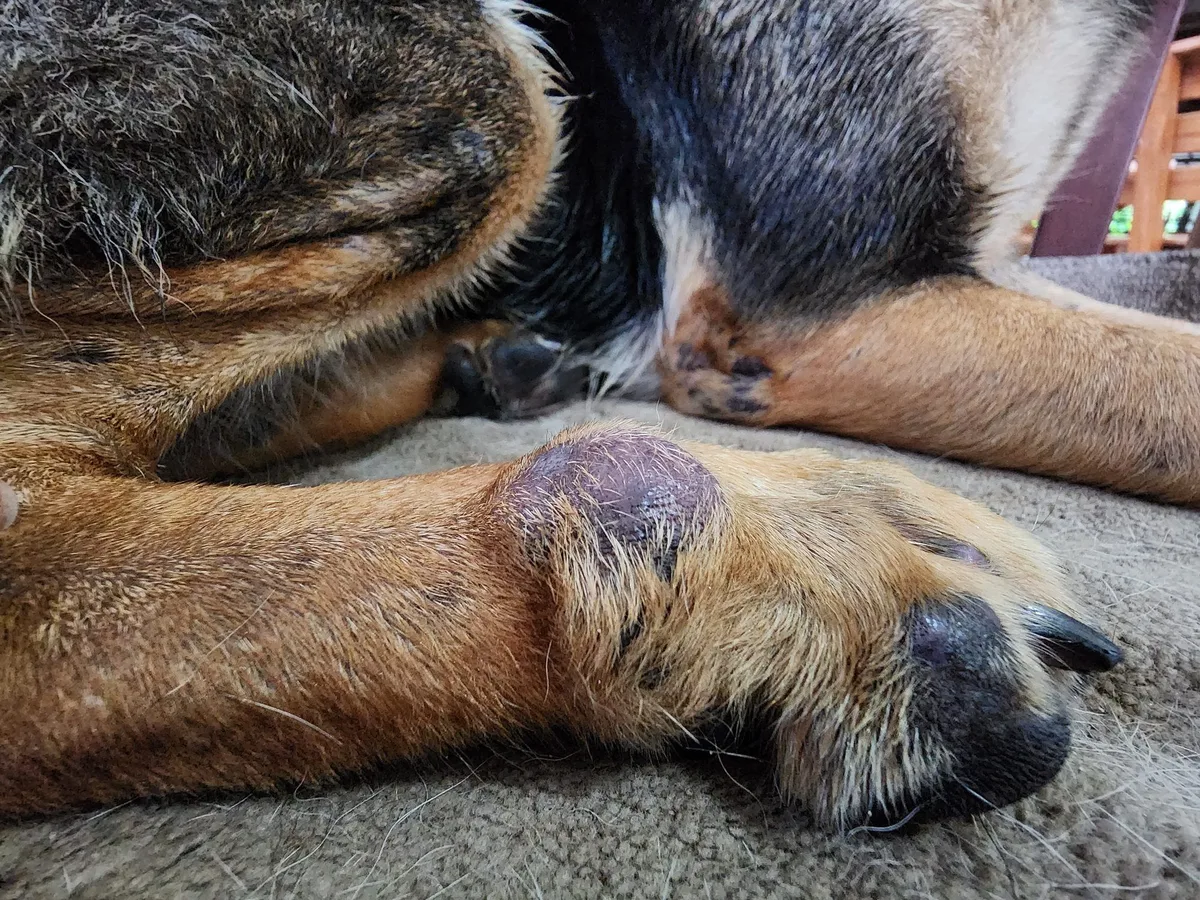
Image source: Bing (Web (fair-use with source credit))
What the Lump Could Be: Common Types and Their Signs
Lipomas are the most common benign lumps, typically soft and painless. They’re more frequent in middle-aged to senior dogs and certain breeds like Labradors and Beagles. Histiocytomas often appear in younger dogs as small, raised, and sometimes red bumps that may resolve on their own.
Mast cell tumors can look like anything, raised, flat, red, or ulcerated, and they’re the most common malignant skin tumor in dogs. Sebaceous cysts are another benign option, often filled with a cheese-like substance and prone to rupture. Abscesses, usually from bites or scratches, are painful, warm, and may ooze pus.
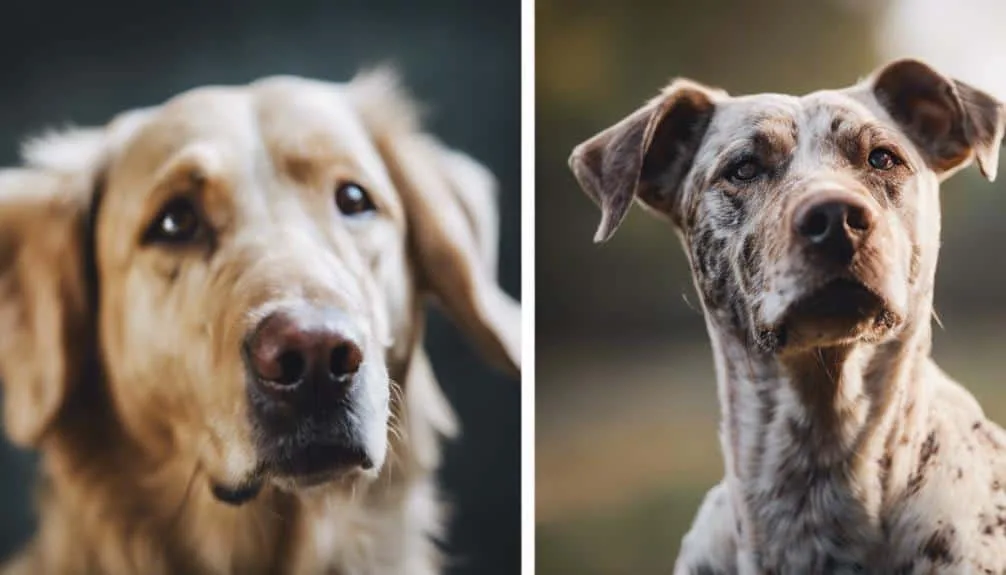
Image source: Bing (Web (fair-use with source credit))
Hematomas, often from trauma, are blood-filled and may feel squishy. Lymphoma can present as multiple lumps, especially in the lymph nodes, and usually comes with systemic signs like lethargy or weight loss.
What to Do Next: Step-by-Step Action Plan
First, stay calm and document the lump. Note its size, location, and appearance with photos and measurements. Monitor it for changes over 24, 48 hours, growth, color shifts, or your dog’s reaction to it.
If the lump is new but stable, small, and your dog seems fine, schedule a vet visit within the week. If it’s growing rapidly, painful, or your dog is acting off, go to the vet or emergency clinic immediately. Avoid poking, squeezing, or applying home remedies, as these can worsen the issue.
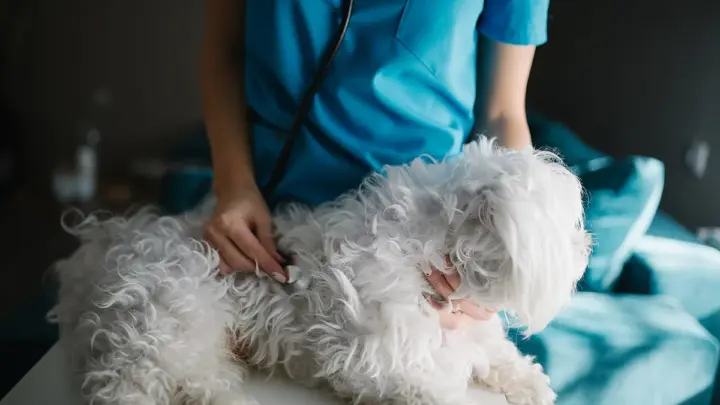
Bring your notes and photos to the vet. They’ll likely start with a physical exam, feeling the lump’s texture, size, and mobility. Be ready to answer questions about when you noticed it, any changes, and your dog’s overall health.
Diagnostic Tests the Vet Might Recommend
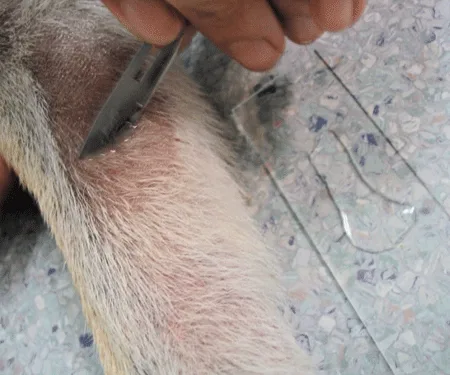
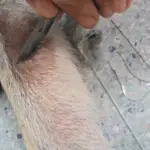
Your vet’s first step is often a fine-needle aspiration (FNA). This quick, minimally invasive test uses a needle to extract cells from the lump for analysis under a microscope. It’s low-risk, doesn’t require anesthesia, and can often distinguish between benign and malignant masses.
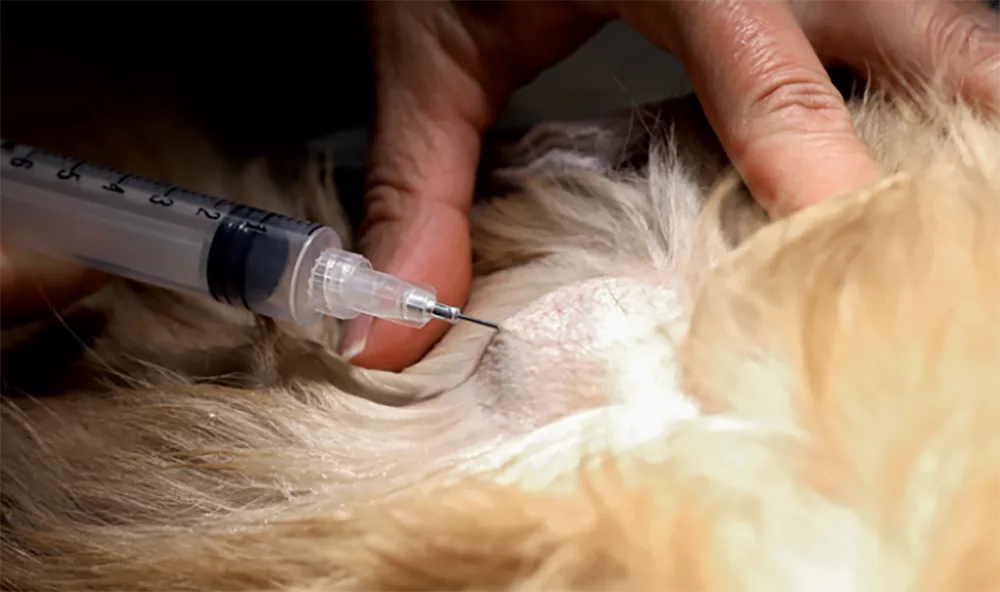
Image source: Bing (Web (fair-use with source credit))
If the FNA results are inconclusive, the next step might be a biopsy. This involves surgically removing a small piece of the lump or the entire mass for a more detailed lab analysis. Imaging, like ultrasounds or X-rays, can help assess the lump’s depth and whether it’s spread to other areas.
Bloodwork and urinalysis might also be recommended, especially if cancer is suspected. These tests check for systemic issues and help stage the disease if needed. According to the Veterinary Cancer Society, early and accurate diagnosis significantly improves treatment outcomes.
Costs You Might Face (And How to Prepare)
Fine-needle aspiration typically runs between $50 and $200. This is the most cost-effective first step for identifying the lump’s nature. A surgical biopsy can cost $200 to $600, depending on the lump’s location and size.
If the lump is malignant, treatment costs escalate quickly. Surgical removal of a tumor can range from $200 to $2,000 or more, especially if it requires a specialist. Chemotherapy or radiation may add thousands, with sessions often priced at $200 to $500 each.
Pet insurance can offset these expenses, but coverage varies. Some plans exclude pre-existing conditions, so check your policy details. For those without insurance, many vets offer payment plans or discounts for upfront payments.
Frequently Asked Questions
Is a new lump on my dog always cancer?
No, most lumps are benign. Lipomas and cysts are common and usually harmless. However, only a vet can confirm the diagnosis through testing.
When should I take my dog to the vet for a lump?
Go immediately if the lump is growing fast, painful, or bleeding. Also seek prompt care if your dog seems lethargic or loses appetite. For stable lumps, schedule a checkup within a week.
Can a dog lump go away on its own?
Some lumps, like histiocytomas in young dogs, may resolve without treatment. Abscesses might drain and heal, but they often need antibiotics. Never assume a lump will disappear without vet guidance.
How do vets test a lump on a dog?
They usually start with a fine-needle aspiration to collect cells for analysis. If that’s inconclusive, a biopsy may follow. Imaging like ultrasounds can help assess the lump’s extent.
Are certain dog breeds more prone to lumps?
Yes. Boxers, Golden Retrievers, and Bulldogs often develop skin masses. Senior dogs of any breed are also at higher risk for both benign and malignant lumps.

Similar Posts