Puppy Vaccination Schedule: Essential Shots by Age
Founder & Veterinary Clinical Advisor at Pets Health Tips · DVM (Doctor of Veterinary Medicine), Member of the American Veterinary Medical Association (AVMA) · 14+ years in companion animal clinical triage, preventative nutrition, and geriatric pet therapy
A puppy vaccination schedule by age isn’t just a checklist, it’s the difference between a healthy start and a preventable tragedy. Missing or delaying shots leaves puppies vulnerable to deadly diseases like parvovirus and distemper, which can strike in a matter of days. The first few months are critical, as maternal antibodies fade and a puppy’s own immunity hasn’t fully developed.
Per the American Veterinary Medical Association, core vaccines should begin at 6, 8 weeks, with boosters every 2, 4 weeks until 14, 16 weeks. Get this wrong, and you risk gaps in protection or unnecessary shots.
puppy vaccination schedule by age
Puppies need their first core vaccines at 6, 8 weeks. These include distemper, parvovirus, and adenovirus. Boosters follow every 2, 4 weeks until 14, 16 weeks.
Rabies is typically given at 12, 16 weeks, depending on local laws. Annual or triennial boosters maintain immunity after the first year.
Why Puppy Vaccination Timing Is Non-Negotiable
Vaccines work by training a puppy’s immune system to recognize and fight diseases before exposure. Too early, and maternal antibodies can neutralize the vaccine, rendering it ineffective. Too late, and the puppy is left unprotected during a high-risk window.
Diseases like parvovirus spread rapidly in unvaccinated populations. It’s highly contagious, survives for months in the environment, and can be fatal within 48, 72 hours of symptoms appearing. The AVMA reports that unvaccinated puppies are at the highest risk, with mortality rates reaching 90% in untreated cases.
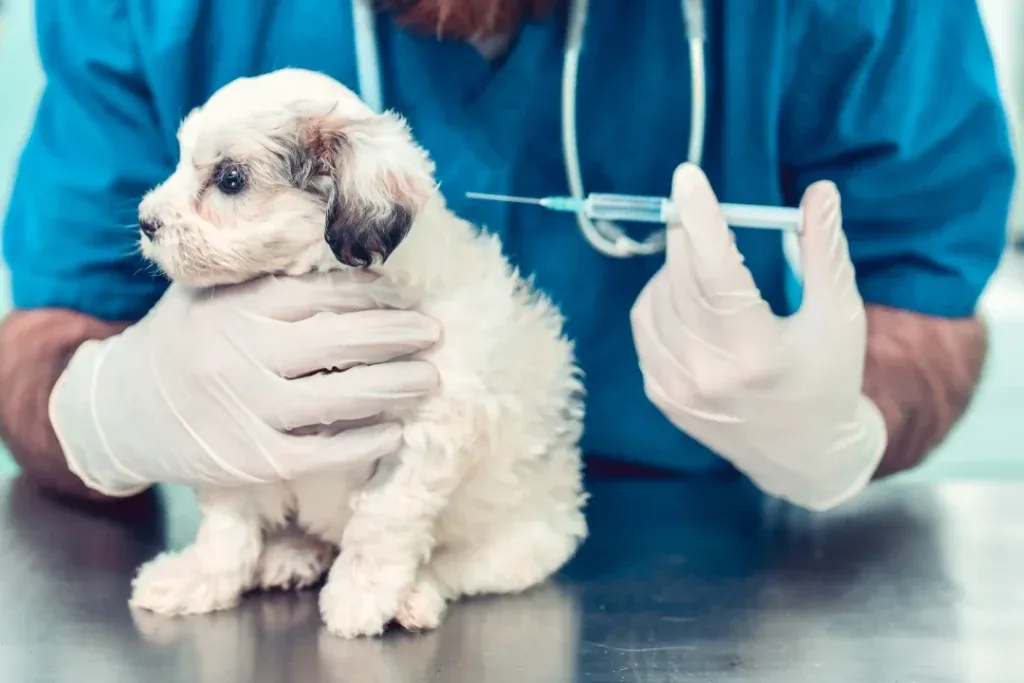
Image source: Bing (Web (fair-use with source credit))
The Core Puppy Vaccination Schedule by Age
Core vaccines are non-negotiable for every puppy, regardless of lifestyle or location. These include distemper, parvovirus, adenovirus (canine hepatitis), and rabies. Non-core vaccines, like leptospirosis or bordetella, depend on exposure risk.
Here’s the standard timeline:
| Age | Vaccines Given | Notes |
|---|---|---|
| 6–8 weeks | Distemper, parvovirus, adenovirus (DHPP) | First round of core vaccines |
| 10–12 weeks | DHPP booster + leptospirosis (if needed) | Second round; non-core added if at risk |
| 14–16 weeks | DHPP booster + rabies | Rabies timing varies by local law |
| 12+ months | Annual or triennial boosters | Depends on vaccine type and risk factors |
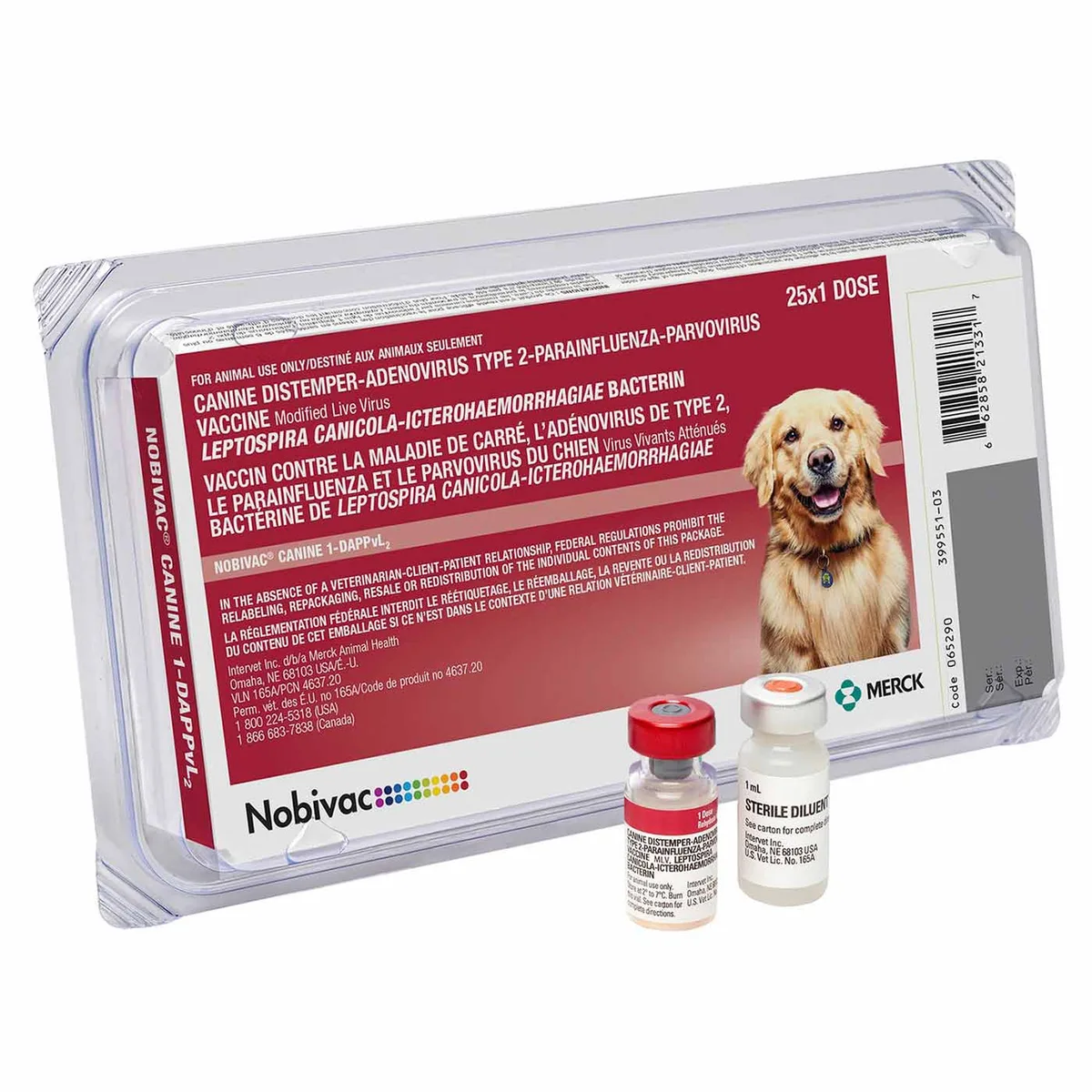
Image source: Bing (Web (fair-use with source credit))
Which Vaccines Are Essential vs. Optional
Core vaccines protect against widespread, severe, or zoonotic diseases. Distemper, parvovirus, adenovirus, and rabies fall into this category. These are mandatory for all puppies, as they prevent diseases that are often fatal or legally required.
Non-core vaccines target risks based on lifestyle, location, or exposure. Leptospirosis is critical in areas with standing water or wildlife. Bordetella (kennel cough) is often required for boarding, daycare, or dog parks.
Lyme disease vaccines are recommended in tick-prone regions.
Step-by-Step: What to Expect at Each Vet Visit
The first visit at 6, 8 weeks includes a full physical exam, deworming, and the first DHPP vaccine. Your vet will check for congenital issues, parasites, and overall health. This is also when you’ll discuss flea, tick, and heartworm prevention.
At 10, 12 weeks, your puppy gets a DHPP booster. If leptospirosis or other non-core vaccines are needed, they’ll start here. Your vet may also begin socialization discussions, as puppies can safely meet vaccinated dogs after their first shots.
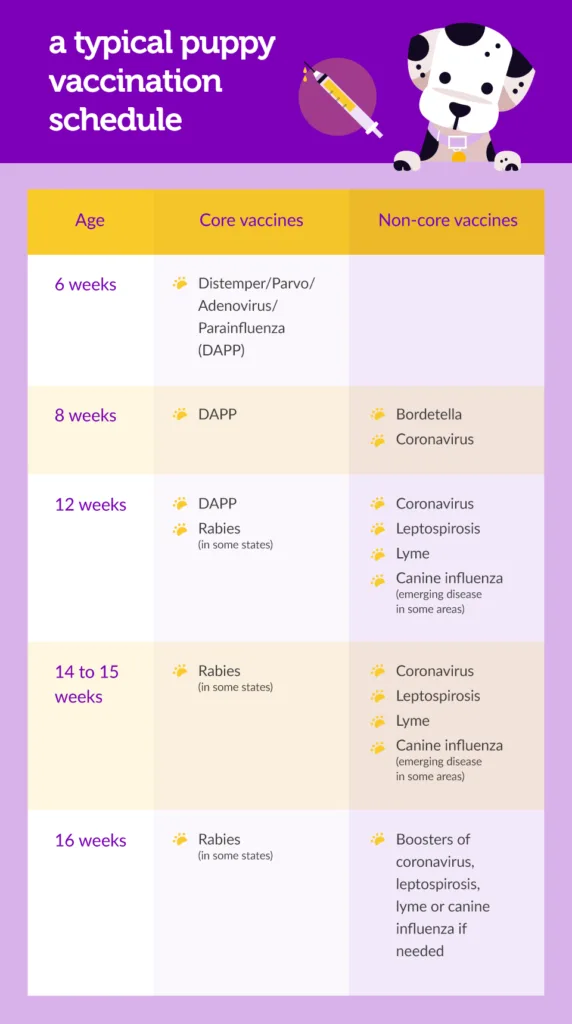
Image source: Bing (Web (fair-use with source credit))
Common Mistakes That Put Puppies at Risk
Skipping or delaying boosters is the most common error. Puppies need multiple rounds because maternal antibodies can block the first vaccine. A single shot at 6 weeks doesn’t guarantee protection.
Another mistake is assuming indoor puppies don’t need vaccines. Diseases like parvovirus can hitch a ride on shoes, clothing, or other pets. Even a backyard isn’t safe if wildlife or unvaccinated dogs have been there.
Over-vaccinating is just as risky. Giving unnecessary non-core vaccines can trigger adverse reactions. Always follow your vet’s tailored plan, not a one-size-fits-all chart.
Costs, Laws, and Practical Realities
Core puppy vaccines typically cost $15, $30 per shot. A full initial series runs $50, $150, depending on location and clinic. Non-core vaccines add $20, $50 each.
Rabies laws vary by state and country. In the US, most states require rabies vaccination by 12, 16 weeks, with boosters every 1, 3 years. Some areas mandate additional vaccines like leptospirosis due to local outbreaks.
Pet insurance often covers vaccines as part of wellness plans. Without insurance, budget for annual boosters and unexpected vet visits. Prevention is cheaper than treating a sick puppy.
FAQs About Puppy Vaccines
Can I take my puppy outside before vaccinations are complete?
Yes, but with caution. Avoid dog parks, pet stores, and areas with high dog traffic until after the 14, 16 week vaccines. Carry your puppy in low-risk areas like your own yard.
Are puppy vaccines safe?
Serious side effects are rare. Mild reactions like lethargy or soreness may occur. Severe allergic reactions are uncommon but require immediate vet attention.
How do I know if my puppy needs non-core vaccines?
Your vet will assess risk based on lifestyle. Urban puppies may need leptospirosis. Boarding or daycare often requires bordetella.
Tick-prone areas may call for Lyme disease vaccines.

Similar Posts