At What Age Is a Dog Considered Senior?
Founder & Veterinary Clinical Advisor at Pets Health Tips · DVM (Doctor of Veterinary Medicine), Member of the American Veterinary Medical Association (AVMA) · 14+ years in companion animal clinical triage, preventative nutrition, and geriatric pet therapy
You’ve probably asked yourself when is a dog considered senior and gotten a dozen different answers. The truth is, it’s not just about hitting a certain birthday, it depends on size, breed, and even health. A Great Dane might be a senior at 5, while a Chihuahua could still be spry at 10.
Per the American Veterinary Medical Association, dogs enter their senior years at roughly 50% of their expected lifespan. That means the timeline shifts dramatically between breeds, and knowing where your dog falls can help you adjust their care before problems start.
when is a dog considered senior
Small breeds under 20 lbs typically hit senior status at 10 to 12 years. Medium breeds between 20 to 50 lbs are usually seniors by 8 to 10 years. Large breeds from 50 to 100 lbs enter this stage around 6 to 8 years.
Giant breeds over 100 lbs are often seniors as early as 5 to 6 years.
Quick Answer: Age Ranges by Breed and Size
Here’s the straightforward breakdown. Small dogs live longer, so they’re not seniors until around 10 to 12 years. Medium dogs usually hit that mark at 8 to 10 years.
Large breeds age faster, so they’re seniors by 6 to 8 years. Giant breeds, like Mastiffs or Saint Bernards, can be seniors as early as 5 to 6 years.
These ranges aren’t arbitrary. They’re based on lifespan data from the American Kennel Club and veterinary research. A dog’s size directly impacts how quickly their body wears down, so bigger doesn’t mean tougher, it often means a shorter window for senior care.

Image source: Bing (Web (fair-use with source credit))
How to Tell If Your Dog Is a Senior (Beyond Just Age)
Age is just a number, and some dogs show their years earlier than others. Look for physical changes like a graying muzzle, cloudy eyes, or stiffness when they stand up. Behavioral shifts are just as telling.
A once-energetic pup might nap more, play less, or seem less interested in walks.
Weight changes are another red flag. Some seniors lose muscle mass, while others pack on pounds from slower metabolisms. Pay attention to their coat, too.
Dull, brittle fur or new lumps and bumps can signal aging. If you notice these signs, it’s time to start thinking like a senior dog owner.

Image source: Bing (Web (fair-use with source credit))

Image source: Bing (Web (fair-use with source credit))
Why Size and Breed Change the Timeline
Larger dogs have faster metabolisms and more stress on their joints, which speeds up aging. A Great Dane’s heart and bones work harder just to support their size, so they hit senior status sooner. Smaller breeds, like Dachshunds or Pomeranians, don’t carry the same physical load, so they stay younger longer.
Genetics play a role, too. Some breeds are prone to age-related issues earlier. For example, German Shepherds often develop hip dysplasia as they age, while Beagles might show cognitive decline sooner.
Knowing your dog’s breed-specific risks helps you spot problems before they become serious.
What Happens When a Dog Becomes Senior?
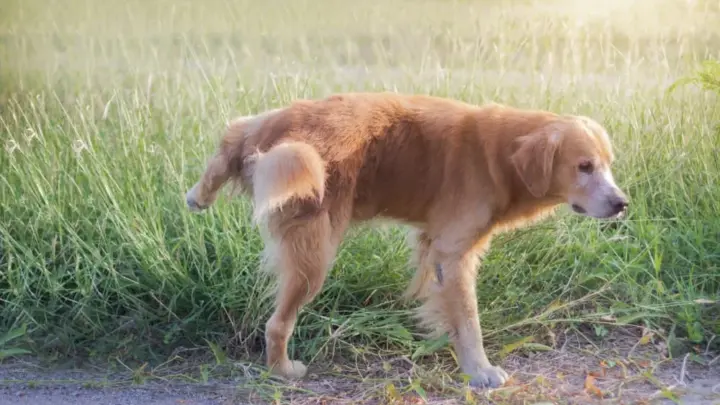
Their body slows down in almost every way. Digestion isn’t as efficient, so they might need smaller, more frequent meals. Joints stiffen, making movement harder, especially after rest.
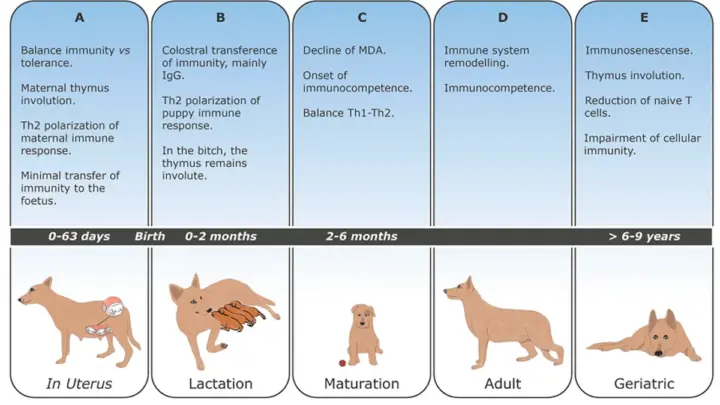
Their immune system weakens, leaving them more vulnerable to infections and diseases.
Cognitive changes can be just as noticeable. Senior dogs might seem confused, forget commands, or get disoriented in familiar places. This isn’t just old age, it could be canine cognitive dysfunction, a form of dementia.
The sooner you recognize these shifts, the sooner you can adapt their routine to keep them comfortable.
Senior Dog Care: Next Steps After the Classification
Once you’ve confirmed your dog is a senior, adjust their diet first. Senior-specific formulas have fewer calories but more fiber and joint-supporting nutrients like glucosamine. Smaller, more frequent meals help with slower digestion.
Exercise needs change too. Shorter, gentler walks prevent joint strain. Mental stimulation matters just as much, puzzle toys and training sessions keep their mind sharp.

Image source: Bing (Web (fair-use with source credit))
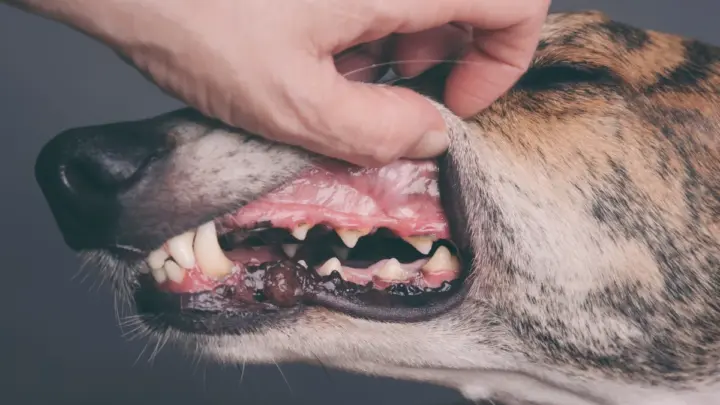
Schedule vet visits every six months. Bloodwork and early screenings catch issues like kidney disease or arthritis before they become severe. Dental care is often overlooked, brush their teeth regularly or use vet-approved dental chews.
Common Mistakes to Avoid With Aging Dogs
Assuming all dogs age the same is the first mistake. A 7-year-old Labrador is a senior, but a 7-year-old Poodle isn’t. Ignoring weight changes is another.
Obesity strains joints, while sudden weight loss can signal illness.
Skipping vet visits because they “seem fine” is risky. Many senior issues, like heart disease or cancer, show no early signs. Overlooking mobility aids can also hurt their quality of life.
Ramps for cars or beds and non-slip mats help arthritic dogs move easier.
Don’t wait for obvious pain to act. Dogs hide discomfort well. If they’re slower to rise or limp after play, it’s time for a checkup.
Frequently Asked Questions
How long do senior dogs live after being classified as senior?
Lifespan varies, but small seniors often live 3 to 5 more years with proper care. Large breeds may have 2 to 4 years. Genetics, diet, and healthcare play huge roles in extending their time.
Can a dog be senior but still act like a puppy?
Yes. Some seniors retain high energy and playfulness, especially if they’re healthy. However, their bodies still need senior-specific care, like joint support and regular vet checks.
What’s the best diet for a senior dog?
Look for food labeled for seniors with added joint supplements and reduced calories. Wet food can help with hydration. Always consult your vet before switching diets.
When should I switch to senior dog food?
Transition around the age your dog is classified as senior for their breed. For large breeds, that’s often around 6. For small breeds, wait until 10 or later.
Do all senior dogs get arthritis?
Not all, but it’s common. About 20% of dogs over 7 show signs of arthritis per the American Veterinary Medical Association. Early intervention with supplements and exercise can slow progression.

Similar Posts