Dog UTI Symptoms in Male Dogs: Key Signs to Watch
Founder & Veterinary Clinical Advisor at Pets Health Tips · DVM (Doctor of Veterinary Medicine), Member of the American Veterinary Medical Association (AVMA) · 14+ years in companion animal clinical triage, preventative nutrition, and geriatric pet therapy
Noticing dog UTI symptoms in male dogs early can save your pup from serious pain, or worse. While UTIs are less common in males than females, they still happen and can escalate quickly if ignored. About 14% of dogs will develop a UTI at some point, and males with prostate issues or anatomical quirks are especially at risk.
The signs aren’t always obvious, but knowing what to look for helps you act fast. Here’s how to spot the red flags and what to do next.
dog UTI symptoms in male dogs
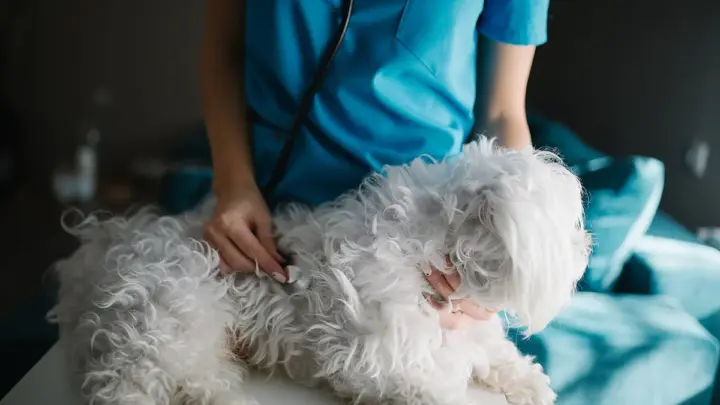
Frequent urination is the most common sign. Your dog may strain to pee or only pass small amounts. Blood in the urine is a clear red flag.
Cloudy or strong-smelling urine often signals infection. Excessive licking of the genital area is another key indicator.
Why Male Dogs Get UTIs (Even Though It’s Less Common)
Male dogs have a longer urethra, which makes it harder for bacteria to travel up into the bladder. But that doesn’t mean they’re immune. Bacteria like E. coli or Staphylococcus can still cause infections, especially if there’s an underlying issue.
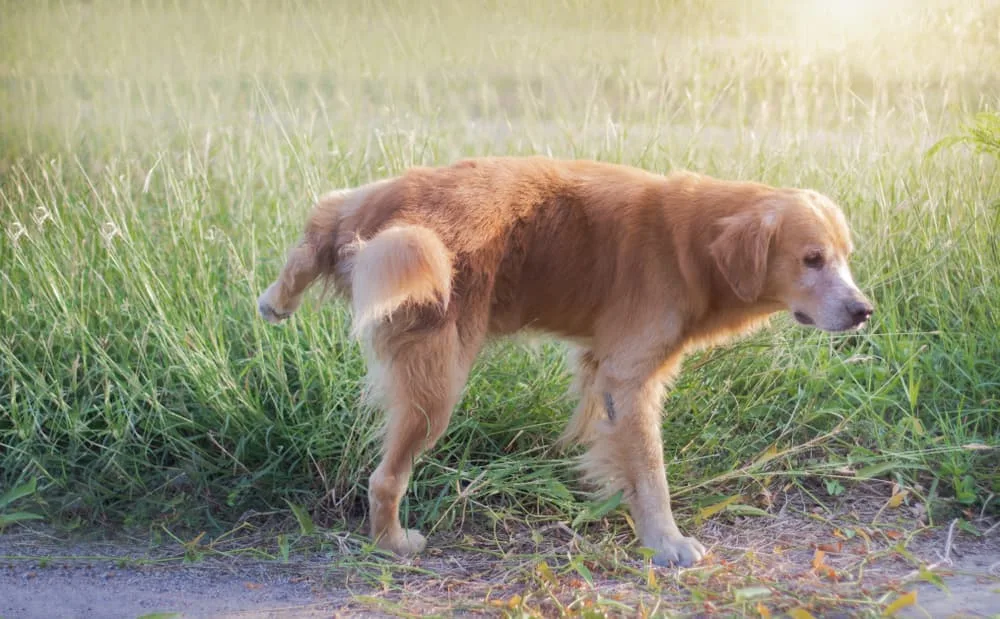
Image source: Bing (Web (fair-use with source credit))
Prostate problems are a big factor in intact males. An enlarged prostate can press on the urethra, trapping urine and creating a breeding ground for bacteria. Diabetes, kidney disease, or a weakened immune system can also increase the risk.
Even something as simple as not drinking enough water can set the stage for an infection.
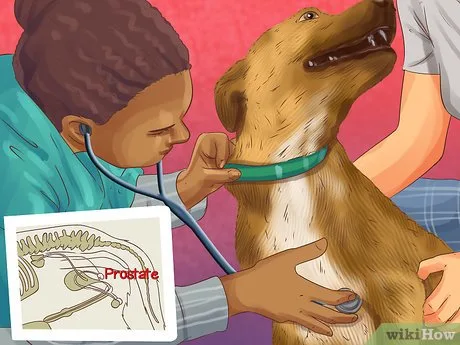
Image source: Bing (Web (fair-use with source credit))
Urinary stones or crystals are another culprit. These can irritate the bladder lining and make it easier for bacteria to take hold. According to the Merck Veterinary Manual, struvite and calcium oxalate stones are the most common types in dogs.
The 9 Most Common UTI Symptoms in Male Dogs
Some signs are subtle, while others are hard to miss. Here’s what to watch for:
- Frequent urination (pollakiuria): Your dog asks to go out more often but may only dribble a little.
- Straining to urinate (dysuria): He takes longer to pee or seems to be pushing hard with little result.
- Blood in urine (hematuria): Pink, red, or dark urine is a sure sign something’s wrong.

Image source: Bing (Web (fair-use with source credit))
- Cloudy or foul-smelling urine: Healthy urine should be clear and mild. A strong ammonia or rotten smell is a warning.
- Dribbling urine: You might notice small leaks when he’s resting or walking.
- Excessive licking: If he’s constantly cleaning his genital area, it could mean discomfort or irritation.
- Accidents in the house: A previously house-trained dog suddenly having accidents may signal a UTI.
- Lethargy: If your dog seems tired, less playful, or just “off,” it could be a sign of infection.
- Fever: In severe cases, a UTI can cause a fever, which often means the infection has spread.
These symptoms can overlap with other conditions, like bladder stones or prostate disease. That’s why a vet’s diagnosis is key.
When a UTI Is an Emergency (Don’t Wait on These Signs)
Most UTIs aren’t life-threatening, but some situations demand immediate action. If your dog can’t urinate at all, that’s a red alert. A blockage can cause the bladder to rupture, which is fatal without treatment.
Other emergency signs include vomiting, extreme lethargy, or a distended abdomen. These could mean the infection has spread to the kidneys or caused a systemic issue. As of 2026, vets still stress that urinary obstructions in male dogs are particularly dangerous due to their longer urethras.
If you notice blood clots in the urine or your dog is in visible pain, don’t wait. Even if it’s after hours, an emergency vet visit is the safest move. Delaying treatment can lead to kidney damage or sepsis, both of which are serious and costly to treat.
How Vets Diagnose and Treat UTIs in Male Dogs
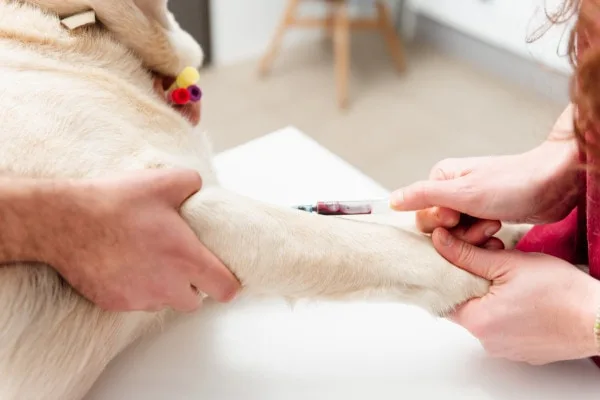
The first step is a urinalysis. Your vet will check for bacteria, white blood cells, and other abnormalities in the urine. A urine culture and sensitivity test can identify the specific bacteria and which antibiotics will work best.
In some cases, imaging like an ultrasound or X-ray is needed. This helps rule out stones, tumors, or prostate issues. Blood tests may also be recommended to check for underlying conditions like diabetes.
Treatment usually starts with antibiotics. Common options include Clavamox, Baytril, or Cefpodoxime. The course typically lasts 10, 14 days, but complicated cases may need longer.
Pain medication can help if your dog is uncomfortable.
Your vet might also recommend increasing water intake to flush out the bacteria. In recurrent cases, a special urinary diet or supplements could be suggested. For males with prostate issues, neutering may be discussed as a long-term solution.
How to Prevent Recurrent UTIs in Your Dog
Prevention starts with hydration. Fresh water should always be available to flush out bacteria. Encourage your dog to drink by adding ice cubes to the bowl or offering wet food.
Regular potty breaks are just as important. Holding urine for too long gives bacteria a chance to multiply. Aim for at least 3, 4 outdoor trips a day, even if your dog doesn’t always go.
Diet plays a role too. Urinary health diets like Hill’s c/d or Royal Canin Urinary SO can help dissolve certain types of stones and maintain a healthy urinary pH. These are often recommended for dogs with a history of UTIs or crystals.
For intact males, neutering can reduce prostate-related UTI risks. The prostate naturally shrinks after neutering, which decreases the chance of urine retention. If neutering isn’t an option, regular prostate checks are a must.
Finally, keep an eye on your dog’s weight. Obesity can contribute to urinary issues by increasing pressure on the bladder. A balanced diet and regular exercise help maintain a healthy urinary system.
FAQs About Male Dog UTIs
Can male dogs get UTIs even if they’re neutered?
Yes, neutered males can still develop UTIs. Neutering reduces prostate-related risks but doesn’t eliminate bacterial infections. Other factors like hydration, diet, and overall health still play a role.
How long does it take for a dog UTI to clear up?
With the right antibiotics, most uncomplicated UTIs improve within 3, 5 days. However, the full course (usually 10, 14 days) must be completed to prevent recurrence. Severe or complicated cases may take longer.
Are there home remedies for dog UTIs?
No home remedy replaces veterinary care. While some suggest cranberry supplements or apple cider vinegar, these lack strong evidence and can delay proper treatment. Always consult your vet first.
Why does my male dog keep getting UTIs?
Recurrent UTIs often point to an underlying issue. Common causes include bladder stones, prostate disease, or anatomical abnormalities. A vet may recommend imaging or further testing to identify the root problem.
Can a dog UTI go away on its own?
It’s unlikely. While mild cases might temporarily improve, bacteria usually persist without antibiotics. Untreated UTIs can worsen, leading to kidney infections or other complications.
When should I take my dog to the vet for a UTI?
See a vet if you notice any UTI symptoms, especially blood in urine, straining, or frequent accidents. If your dog can’t urinate at all, seek emergency care immediately.

Similar Posts