Bladder Infection vs Urinary Stones in Dogs: Key Differences
Founder & Veterinary Clinical Advisor at Pets Health Tips · DVM (Doctor of Veterinary Medicine), Member of the American Veterinary Medical Association (AVMA) · 14+ years in companion animal clinical triage, preventative nutrition, and geriatric pet therapy
Your dog is straining to pee, whining, or leaving bloody spots on the floor. Is it a bladder infection or urinary stones? The line between bladder infection vs urinary stones in dogs can blur, but missing the difference risks a life-threatening blockage.
Both share symptoms like frequent urination and discomfort, yet one often needs antibiotics while the other may require surgery.
Struvite stones alone account for about 50% of canine urinary stones, per the Minnesota Urolith Center. Knowing which is which starts with recognizing the subtle clues.
bladder infection vs urinary stones in dogs
A bladder infection is a bacterial UTI causing inflammation. Urinary stones are mineral deposits that form in the bladder or kidneys. UTIs often cause frequent, painful urination with blood.
Stones may cause the same signs but can also block urine flow. Both need a vet, but stones can be deadly if untreated.
Why Bladder Infections and Urinary Stones in Dogs Are Easy to Confuse (But Critical to Tell Apart)
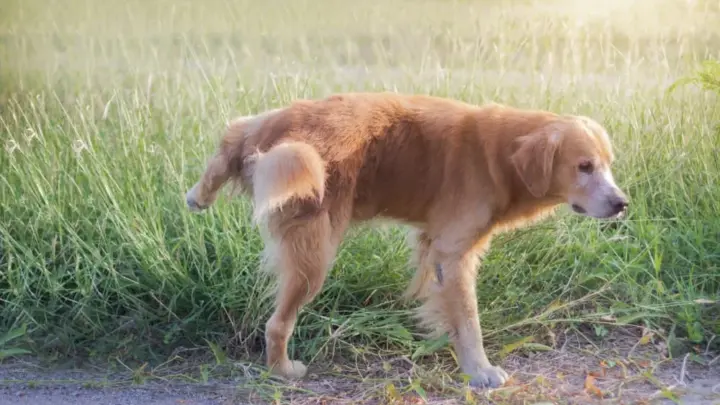
Both conditions target the lower urinary tract, so the symptoms overlap. Your dog might lick their genital area excessively, strain to urinate, or have accidents in the house. The key difference lies in the cause: bacteria for infections, minerals for stones.
Stones can also cause infections by irritating the bladder lining. This is why a UTI that keeps coming back might signal an underlying stone problem. Without imaging, it’s nearly impossible to tell them apart at home.
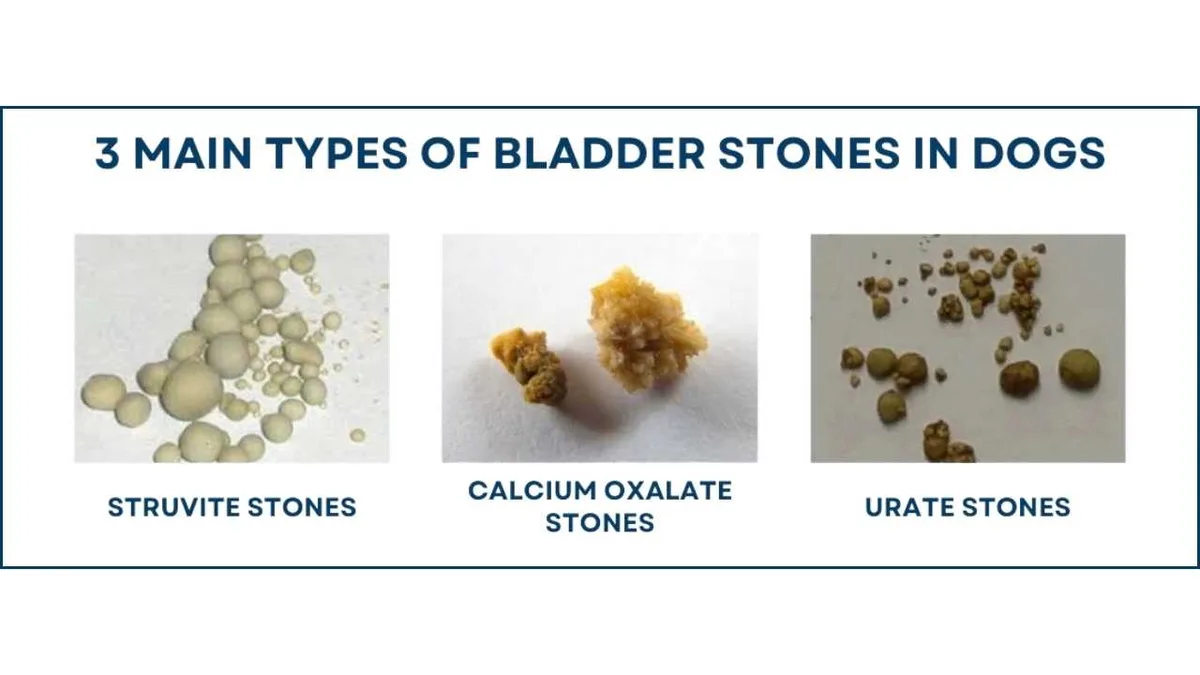
Image source: Bing (Web (fair-use with source credit))
Key Differences at a Glance: UTI vs. Stones
| Factor | Bladder Infection (UTI) | Urinary Stones (Uroliths) |
|---|---|---|
| Primary Cause | Bacterial (e.g., E. coli) | Mineral crystallization (struvite, calcium oxalate, etc.) |
| Onset | Sudden | Gradual (but blockage is acute) |
| Pain Level | Moderate to severe | Severe (especially if obstructed) |
| Blood in Urine | Common | Common |
| Urinary Blockage | Rare | Possible (life-threatening) |
| Treatment | Antibiotics, fluids | Diet, surgery, or lithotripsy |
UTIs often improve with antibiotics in days. Stones won’t resolve without intervention, and some types (like calcium oxalate) usually require surgical removal.
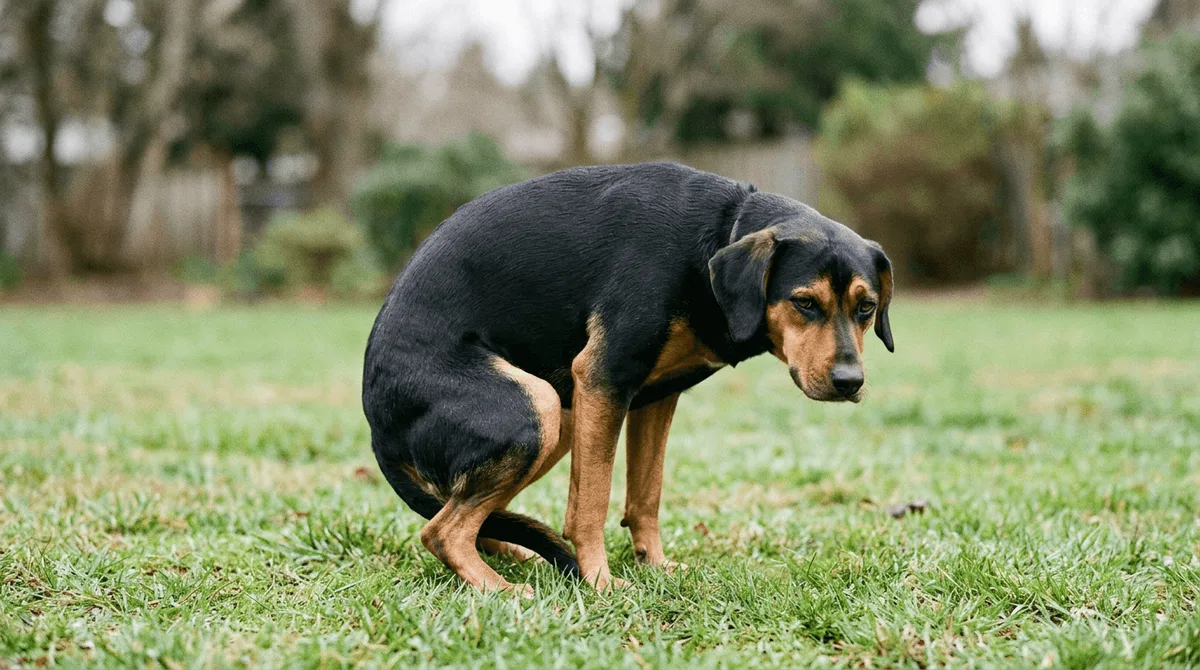
Image source: Bing (Web (fair-use with source credit))
How to Spot the Signs in Your Dog
Watch for these red flags, which apply to both conditions but vary in intensity:
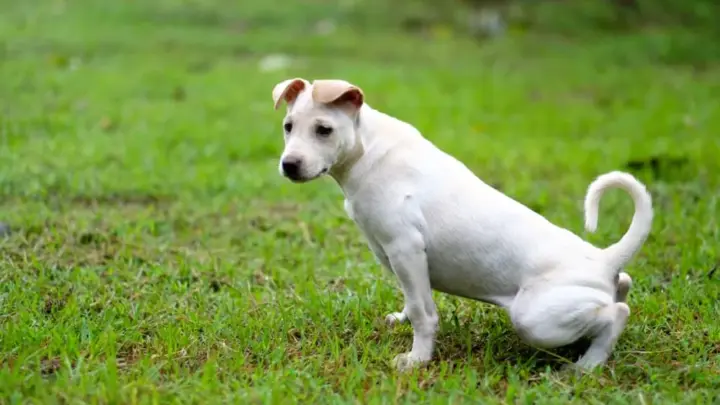
- Straining to urinate (dysuria): More pronounced with stones, especially if urine flow is weak or stops entirely.
- Frequent urination: Small amounts, often with little to no urine passed (a blockage emergency).
- Blood in urine (hematuria): Bright red or dark, cloudy urine.
- Licking genital area: Due to irritation or pain.
- Lethargy or vomiting: More common with stones, especially if a blockage is present.
A complete urinary blockage is a vet emergency. Male dogs are at higher risk due to their narrower urethras. If your dog can’t urinate at all, seek help within hours.
What’s Actually Happening Inside Their Body
A bladder infection (cystitis) starts when bacteria, usually from the gastrointestinal tract, travel up the urethra. The immune system triggers inflammation, leading to swelling, pain, and increased urgency to urinate. Left untreated, the infection can spread to the kidneys, causing more severe illness.
Urinary stones form when minerals in the urine, like magnesium, ammonium, phosphate, or calcium, crystallize. The most common types in dogs are:
- Struvite stones: Often linked to UTIs (bacteria produce urease, which raises urine pH).
- Calcium oxalate stones: Hard, jagged, and usually require surgical removal.
- Urate stones: Common in Dalmatians due to a genetic predisposition.
- Cystine stones: Rare, but seen in breeds like Newfoundland and Dachshunds.
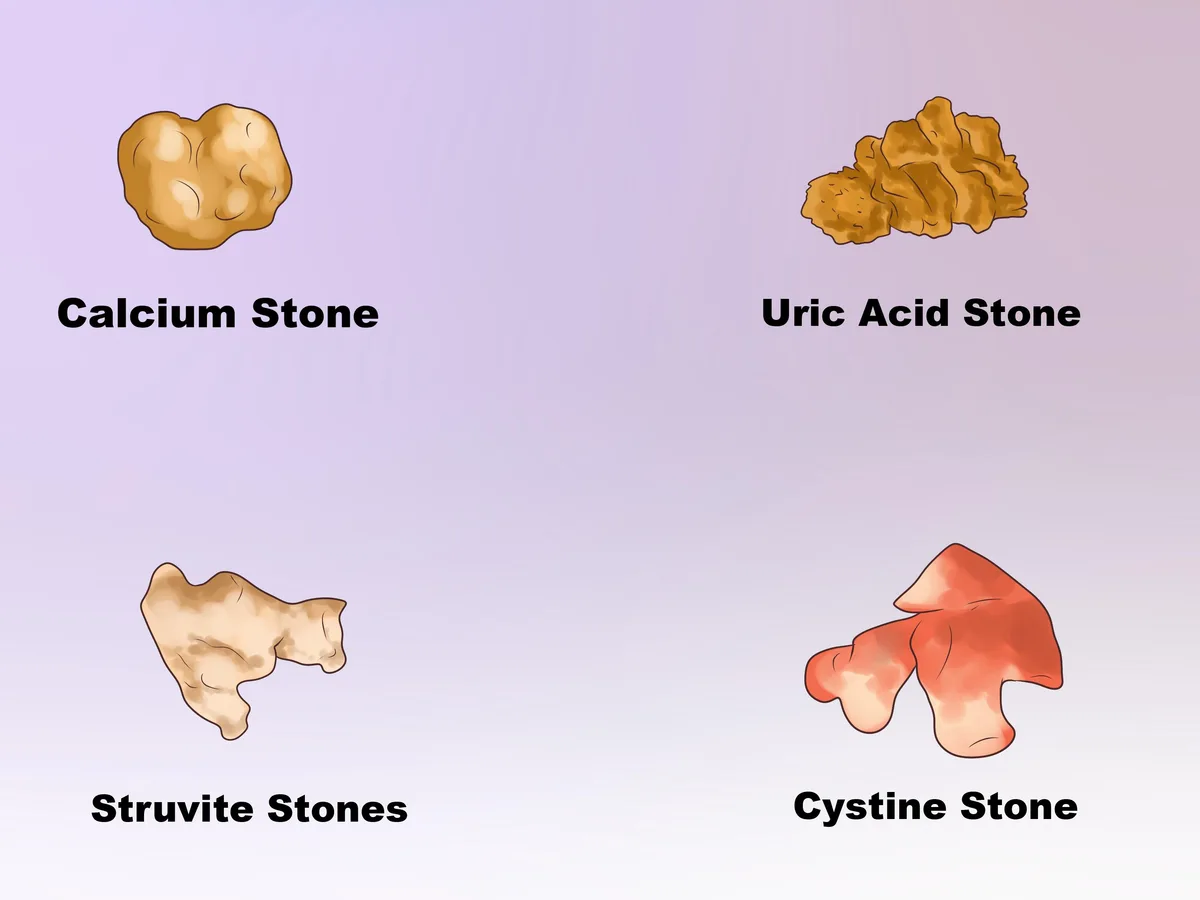
Image source: Bing (Web (fair-use with source credit))
Struvite stones may dissolve with a prescription diet, while calcium oxalate stones typically won’t. The type of stone matters for treatment, which is why vets often send removed stones for analysis to the Minnesota Urolith Center.
When to Rush to the Vet (And When You Can Wait)
A urinary blockage is a life-threatening emergency. If your dog can’t urinate at all, or only dribbles a few drops, go to the vet immediately. This is most common in male dogs due to their narrower urethras.
For less severe symptoms like blood in urine or frequent urination, you have a short window to monitor. But if symptoms persist for more than 24 hours, or if your dog seems in significant pain, don’t wait. UTIs can worsen, and stones can cause irreversible damage.
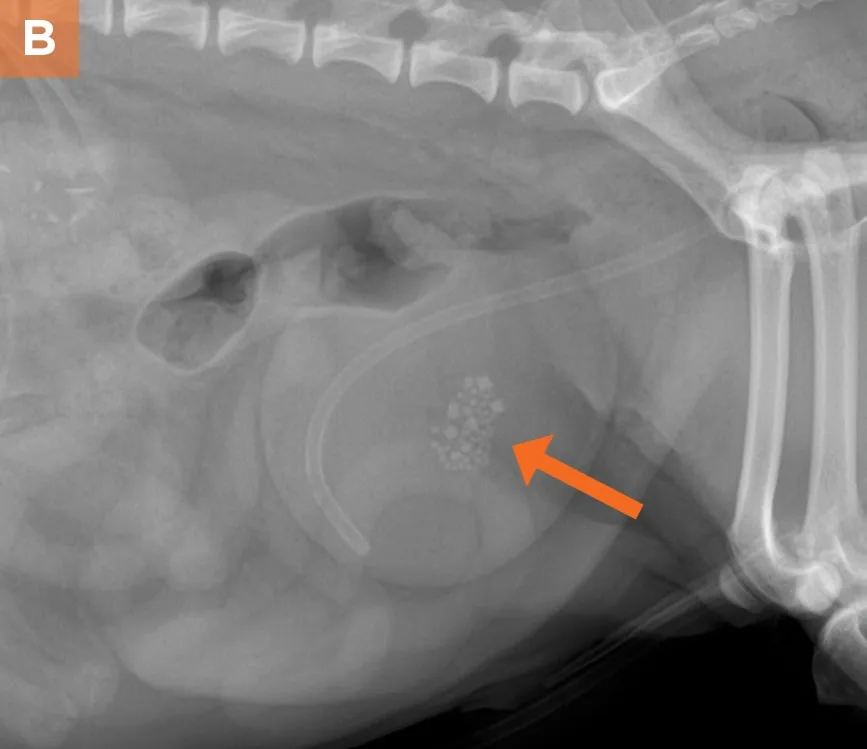
Image source: Bing (Web (fair-use with source credit))
Diagnosis and Treatment: What to Expect
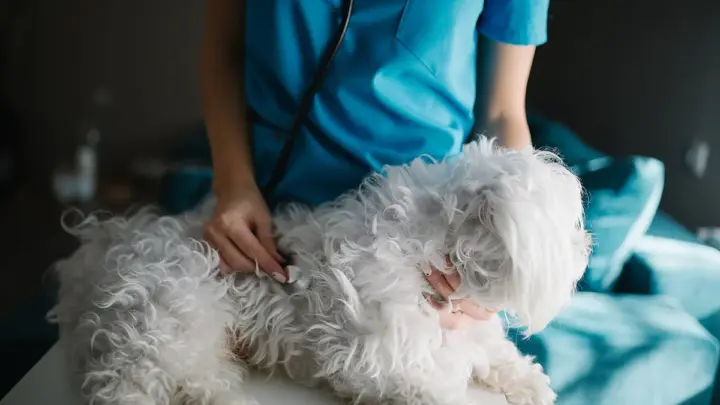
Your vet will start with a physical exam and urinalysis. This checks for bacteria, blood, crystals, and pH levels. A urine culture identifies the specific bacteria causing a UTI.
For stones, imaging is essential. X-rays reveal most stones, but some (like urate) may require an ultrasound. If stones are confirmed, your vet may recommend:
- Dissolution diet: For struvite stones, a special diet can dissolve them over weeks.
- Surgery: For calcium oxalate or large stones, surgical removal (cystotomy) is often necessary.
- Lithotripsy: Rare in dogs, this uses sound waves to break stones into smaller pieces.
How to Prevent Recurrence for Good
Prevention starts with hydration. Always provide fresh water and consider wet food to increase moisture intake. Regular bathroom breaks help flush out bacteria and minerals before they cause problems.
Diet plays a key role. Prescription urinary diets (like Hill’s s/d or Royal Canin Urinary SO) can prevent stone formation. For breeds prone to specific stones, your vet may recommend a tailored diet.
As of 2026, these diets are formulated to target urine pH and mineral levels.
Avoid high-mineral treats or supplements unless approved by your vet. Regular vet check-ups, including urine tests, can catch issues early.

Similar Posts