Dog Losing Fur in Clumps? Causes & Solutions
Founder & Veterinary Clinical Advisor at Pets Health Tips · DVM (Doctor of Veterinary Medicine), Member of the American Veterinary Medical Association (AVMA) · 14+ years in companion animal clinical triage, preventative nutrition, and geriatric pet therapy
Finding clumps of fur around your home or on your dog’s bed is alarming. A dog losing fur in clumps usually signals something more serious than seasonal shedding, like allergies, infections, or hormonal issues.
Per the American Academy of Veterinary Dermatology, about 10% of dogs develop skin allergies that can lead to patchy hair loss. If the fur comes out in chunks or leaves bald spots, it’s time to dig deeper.
dog losing fur in clumps
This is often a sign of an underlying issue. Allergies, parasites, or infections can cause clumping hair loss. Hormonal imbalances or stress may also be to blame.
It’s not normal shedding if you see bald patches or redness.
Quick Answer: Normal Shedding vs. a Vet Emergency
Normal shedding is gradual and even. Clumping hair loss means fur comes out in chunks, often with bald spots or irritation.
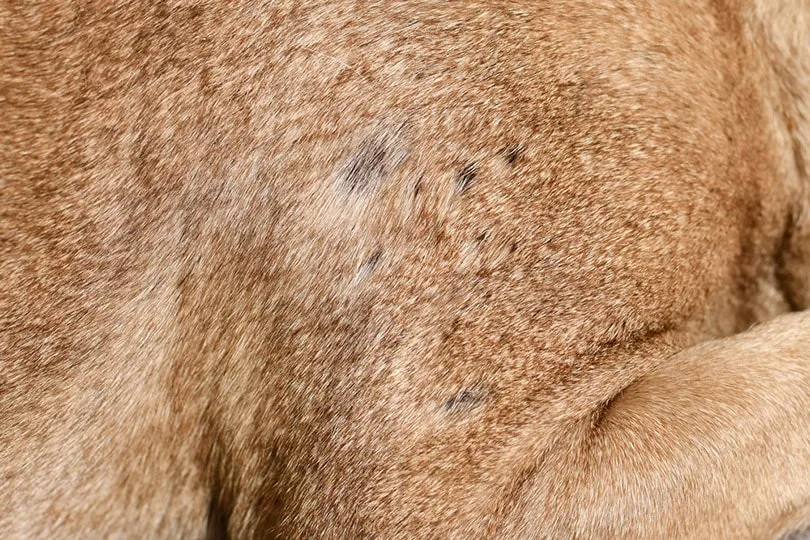
Image source: Bing (Web (fair-use with source credit))
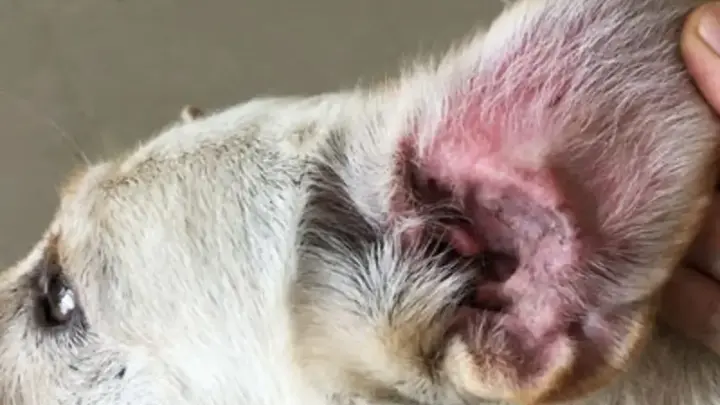
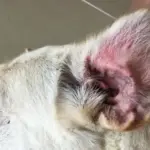
If your dog has red, scabby, or inflamed skin alongside the clumps, it’s likely an emergency. Flea allergy dermatitis, for example, can cause severe itching and hair loss within hours.
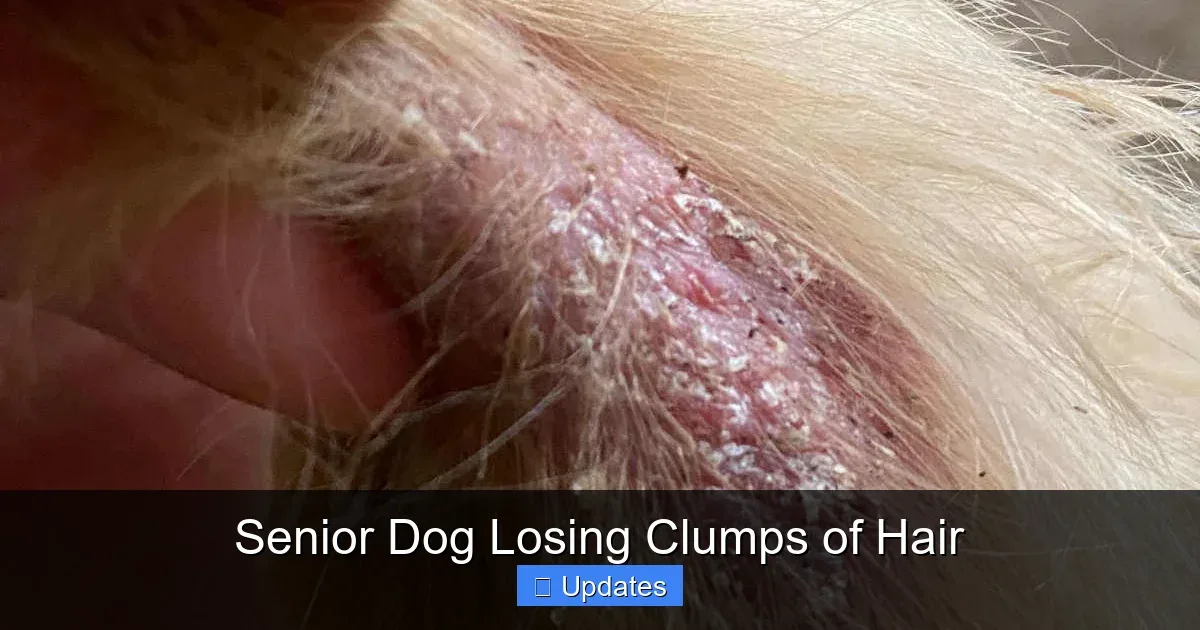
Image source: Bing (Web (fair-use with source credit))
The 6 Most Common Causes of Clumping Hair Loss in Dogs
Allergies are a top culprit. Environmental triggers like pollen or dust mites can lead to itching and fur loss. Food allergies may also cause clumping, often around the face or paws.
Parasites are another frequent cause. Fleas, mites, or ticks can irritate the skin, leading to hair loss in patches. Ringworm, a fungal infection, also causes circular bald spots.
Hormonal imbalances often go unnoticed. Hypothyroidism or Cushing’s disease can lead to symmetrical hair loss, often on the flanks or tail. These conditions require blood tests to diagnose.
Bacterial or fungal infections can cause localized clumping. Pyoderma, a bacterial skin infection, often results in red, oozing bald patches. Fungal infections like ringworm create scaly, circular areas of hair loss.
Stress or anxiety can trigger shedding. Dogs may lose fur in clumps due to emotional distress, often along the back or tail. This is less common but worth considering if other causes are ruled out.
Breed-specific conditions may play a role. Some breeds, like Bulldogs or Shar-Peis, are prone to skin fold infections that can lead to hair loss. Double-coated breeds may also experience seasonal "blowing" of their undercoat, which can look like clumping.
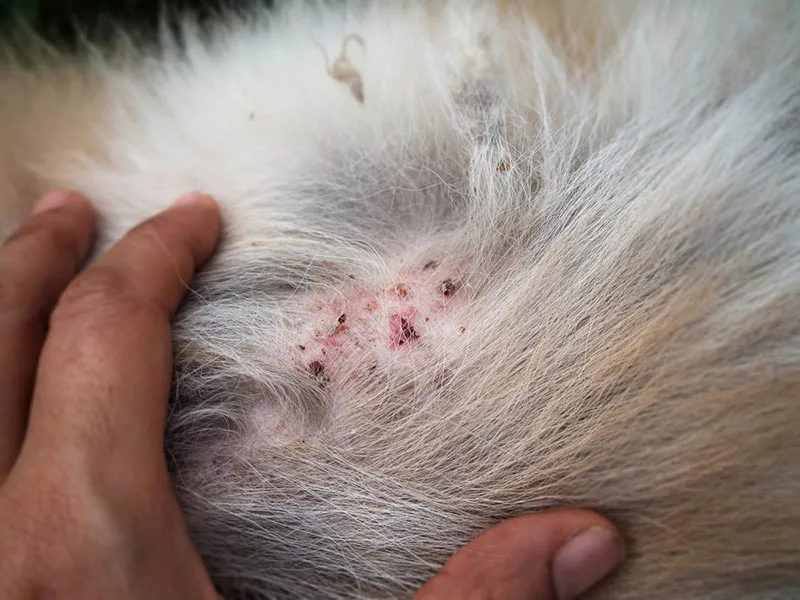
Image source: Bing (Web (fair-use with source credit))
How to Diagnose the Problem at Home (Before the Vet Visit)
Start with a visual inspection. Look for redness, scabs, or inflammation in the areas where fur is missing. Note whether the hair loss is symmetrical or patchy.
Check for parasites. Part your dog’s fur and look for fleas, ticks, or mites. Flea dirt, which looks like black specks, is a sign of flea infestation.
Examine your dog’s skin for signs of infection. Bacterial infections often cause red, oozing, or crusty patches. Fungal infections like ringworm may create circular, scaly bald spots.
Consider recent changes. Has your dog been exposed to new foods, environments, or stressors? Allergies or stress-related hair loss often follow a change in routine.
Use the "skin scrape test" at home. Gently scrape a small area of affected skin with a dull edge (like a spoon) and examine the debris. If you see mites or excessive flakes, it could indicate mange or a fungal infection.
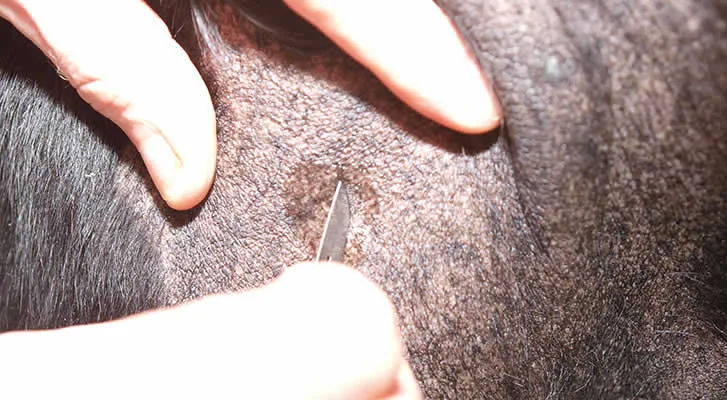
Image source: Bing (Web (fair-use with source credit))
Step-by-Step: What to Do If Your Dog’s Fur Is Falling Out in Clumps
Isolate your dog if you suspect a contagious condition. Ringworm, for example, can spread to other pets and humans. Keep your dog away from other animals and wash their bedding in hot water.
Start with a flea treatment if parasites are suspected. Use a vet-approved flea and tick preventative. If flea allergy dermatitis is the cause, this may resolve the issue within weeks.
Switch to a hypoallergenic diet if food allergies are a possibility. Eliminate common allergens like beef, dairy, or wheat for 8, 12 weeks. Monitor your dog’s skin and coat for improvements.
Use medicated shampoos for bacterial or fungal infections. Look for shampoos containing chlorhexidine or ketoconazole. Bathe your dog every 3, 5 days until the infection clears.
Schedule a vet visit if the hair loss persists or worsens. Your vet may perform blood tests, skin scrapes, or allergy testing. Hormonal imbalances or severe infections often require prescription medication.
Monitor your dog’s stress levels. If anxiety is the cause, provide a calm environment and consider pheromone diffusers or anti-anxiety supplements. Consult your vet for long-term solutions.
Mistakes That Make It Worse (And How to Avoid Them)
Using human shampoos or remedies can irritate your dog’s skin further. Their pH balance differs from ours, so even mild products may cause dryness or allergic reactions.
Over-bathing strips natural oils from the coat. This leads to dry, flaky skin and can worsen hair loss. Stick to bathing every 4, 6 weeks unless your vet advises otherwise.
Ignoring diet can prolong the problem. Poor nutrition weakens the coat and skin. Ensure your dog’s food is rich in omega-3 fatty acids, zinc, and protein.
Delaying vet visits for persistent symptoms risks complications. What starts as a minor issue can turn into a severe infection. If clumping continues for more than a week, seek professional help.
Skipping flea prevention is a common oversight. Even indoor dogs can get fleas, which trigger allergy dermatitis. Use vet-recommended preventatives year-round.
When to See a Vet Immediately—Red Flags You Can’t Ignore
See a vet if your dog has open sores or bleeding. These are signs of severe infection or self-injury from scratching.
Sudden, widespread hair loss demands urgent care. This could indicate a systemic issue like hormonal imbalance or autoimmune disease.
If your dog seems lethargic or loses appetite alongside hair loss, act fast. These symptoms suggest a deeper health problem that needs immediate attention.
Red, swollen, or oozing skin is a clear red flag. This often points to bacterial infections or severe allergic reactions.
Patchy hair loss with crusty or scaly skin may signal mange or ringworm. Both require prescription treatment to resolve.
Frequently Asked Questions
Why is my dog losing fur in clumps but not itching?
Hormonal imbalances like hypothyroidism often cause hair loss without itching. Stress or breed-specific conditions may also lead to clumping without irritation.
Can a dog’s fur grow back after clumping hair loss?
Yes, in most cases the fur will regrow once the underlying cause is treated. Recovery time varies from a few weeks to several months depending on the issue.
How can I tell if my dog’s hair loss is due to allergies?
Allergy-related hair loss often comes with redness, itching, or hot spots. If your dog licks or scratches the affected areas frequently, allergies are likely.
Is clumping hair loss contagious to other pets or humans?
Ringworm and some parasitic infections like mange can spread to other animals and people. Isolate your dog and consult a vet if you suspect a contagious condition.
What home remedies can help with my dog’s hair loss?
Mild cases may improve with omega-3 supplements or oatmeal baths for soothing irritation. However, always check with your vet before trying home treatments.