How Hot Spots Develop in Dogs: Causes & Care
Founder & Veterinary Clinical Advisor at Pets Health Tips · DVM (Doctor of Veterinary Medicine), Member of the American Veterinary Medical Association (AVMA) · 14+ years in companion animal clinical triage, preventative nutrition, and geriatric pet therapy
Your dog’s skin looks fine one day, then suddenly there’s a red, oozing sore they won’t stop licking. Understanding how hot spots develop in dogs helps you catch them early and stop the cycle before it spirals. These painful lesions can explode in size within hours, turning a small irritation into a full-blown infection.
Hot spots, or acute moist dermatitis, affect up to 30% of dogs with skin issues, per veterinary dermatology studies as of 2026. Left untreated, they can lead to deeper infections or even systemic illness.
how hot spots develop in dogs
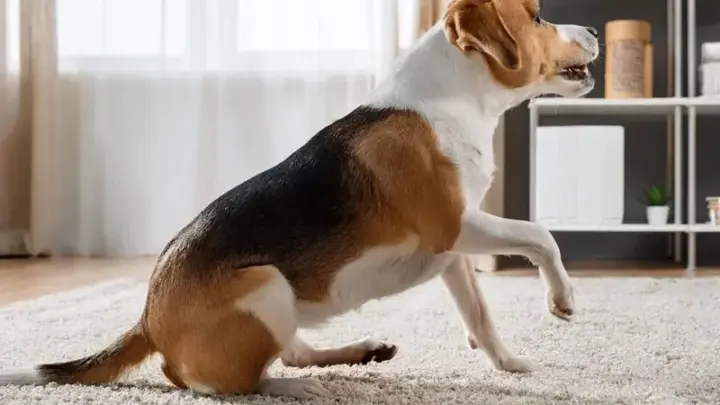
Hot spots start with skin irritation. Dogs lick or scratch the area, breaking the skin. Bacteria then colonize the moist, damaged tissue.
The lesion spreads rapidly due to self-trauma and warmth.
What Are Hot Spots on Dogs and Why They Happen
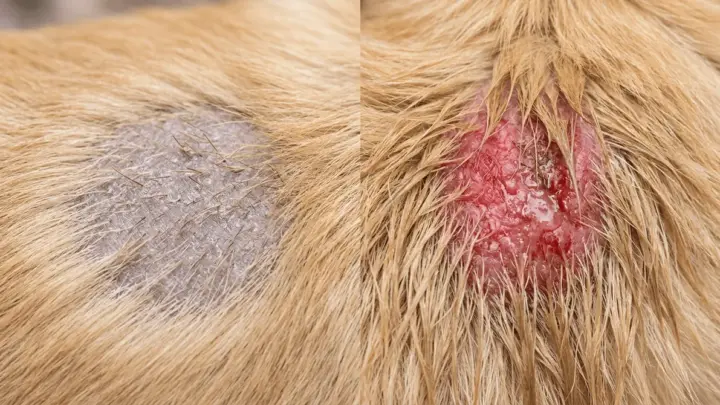
Hot spots are localized, inflamed skin lesions that develop quickly. They’re a form of acute moist dermatitis, triggered by a mix of irritation, moisture, and bacteria. The most common culprits are allergies, flea bites, or anything that makes your dog itch or lick excessively.
Underlying causes often include environmental allergies, food sensitivities, or even boredom-induced licking. Thick-coated breeds like Golden Retrievers or German Shepherds are especially prone because their fur traps moisture and heat. Without intervention, a small red patch can turn into a weeping, foul-smelling sore in less than 24 hours.
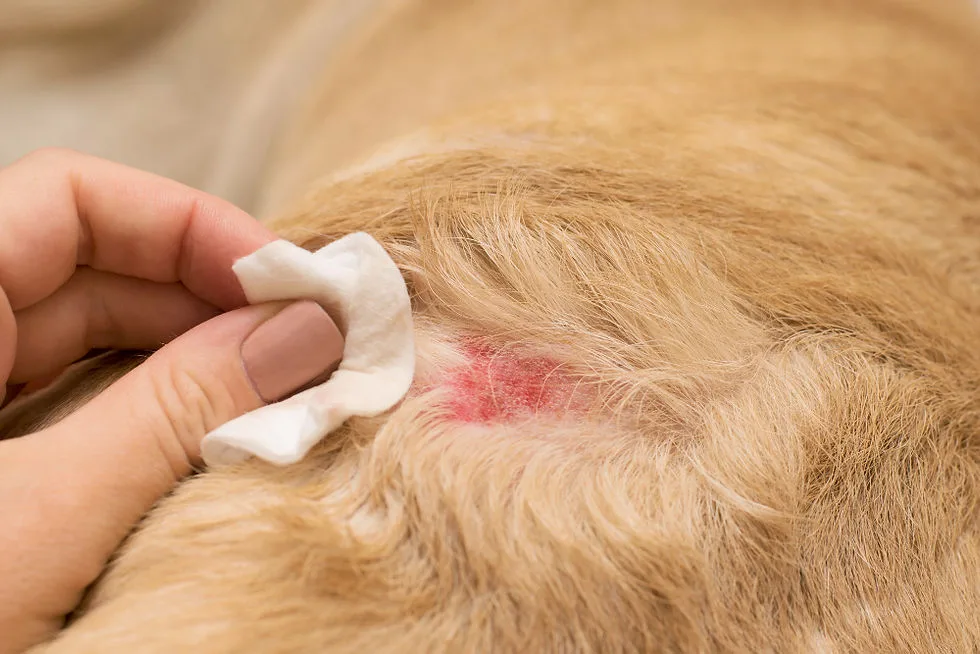
Image source: Bing (Web (fair-use with source credit))
The 3 Stages of How a Hot Spot Develops
Stage 1: Initial Irritation
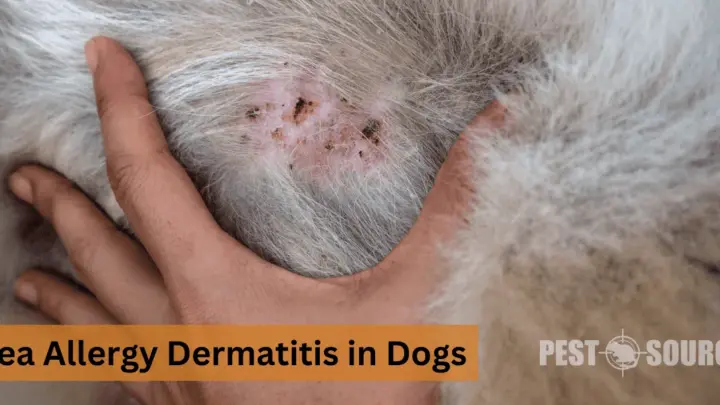
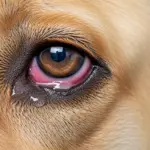
It starts with itching or discomfort. Your dog might scratch, lick, or rub the area against furniture. Common triggers include flea bites, a dirty coat, or an allergic reaction to pollen or food.
Stage 2: Self-Trauma
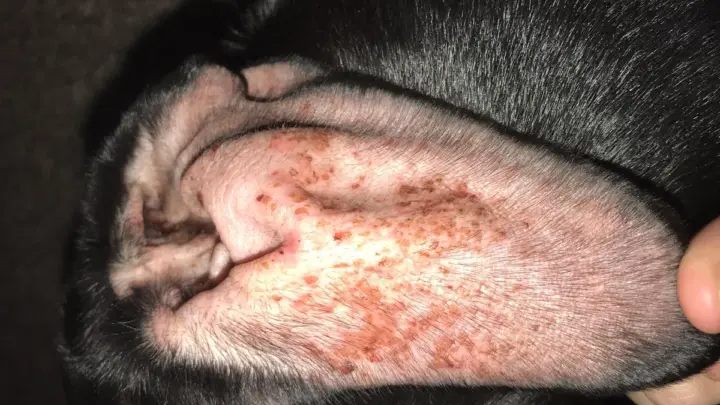
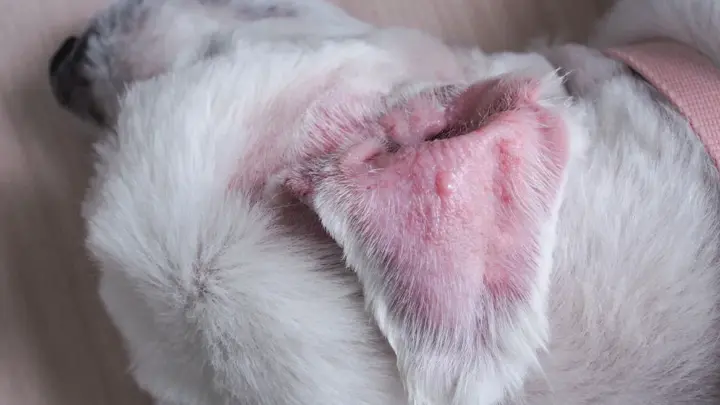
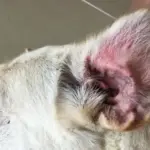
The licking and scratching break the skin. Saliva and bacteria from the mouth introduce infection. The area becomes red, warm, and swollen.
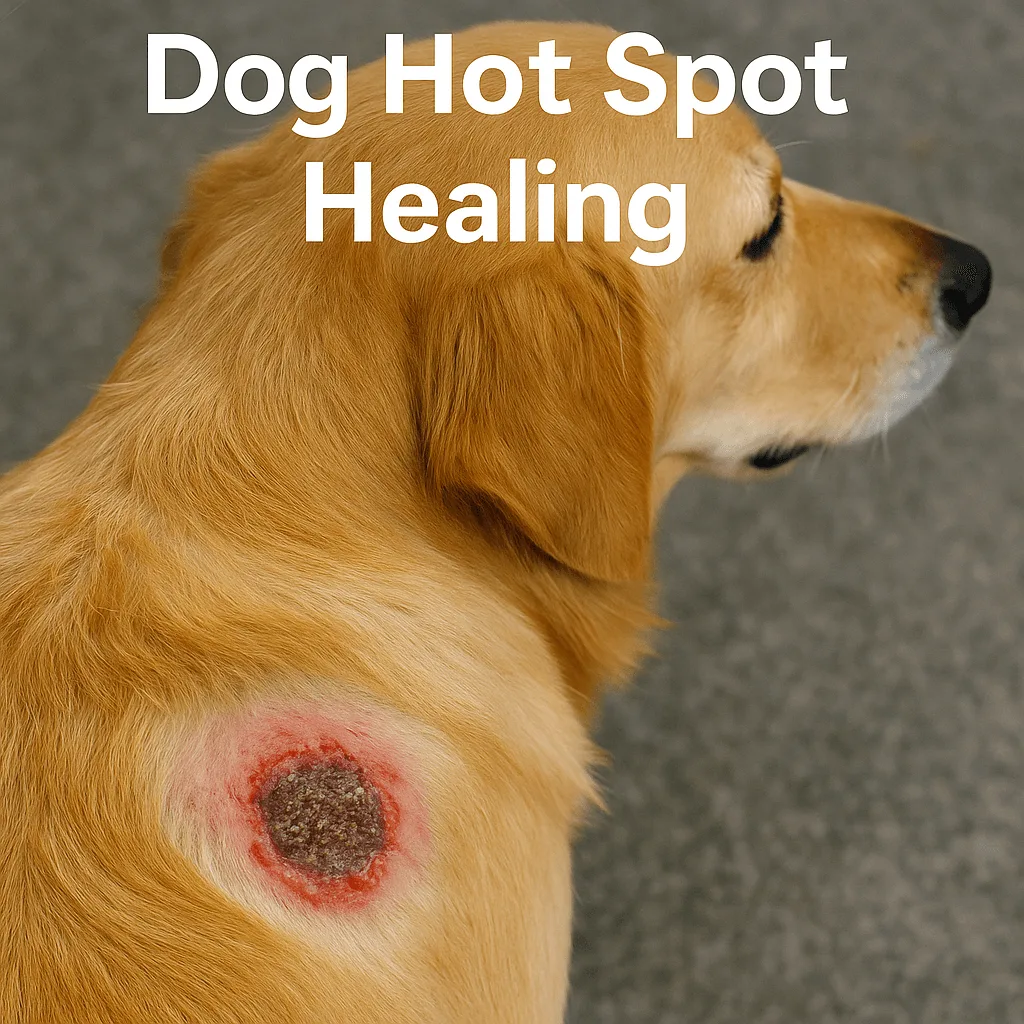
Image source: Bing (Web (fair-use with source credit))
Stage 3: Bacterial Colonization
Bacteria like Staphylococcus thrive in the moist, damaged skin. The lesion oozes pus or serum, and the smell can be strong. Without treatment, it spreads fast, sometimes covering several inches within a day.
What Hot Spots Look Like (and How to Spot Them Early)
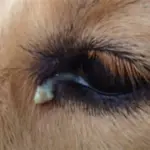
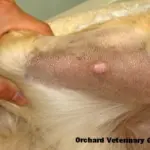
Hot spots are hard to miss once they’re fully developed. They appear as red, inflamed patches that may weep fluid. The fur around the area is often matted or wet from constant licking.
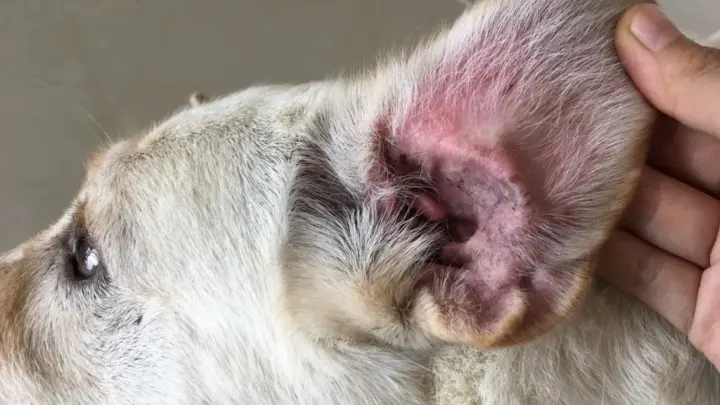
You’ll usually find them on the head, neck, chest, hips, or tail base. The skin might look raw, and your dog will likely flinch or yelp if you touch it. Early signs include excessive licking or a small red bump that grows quickly.
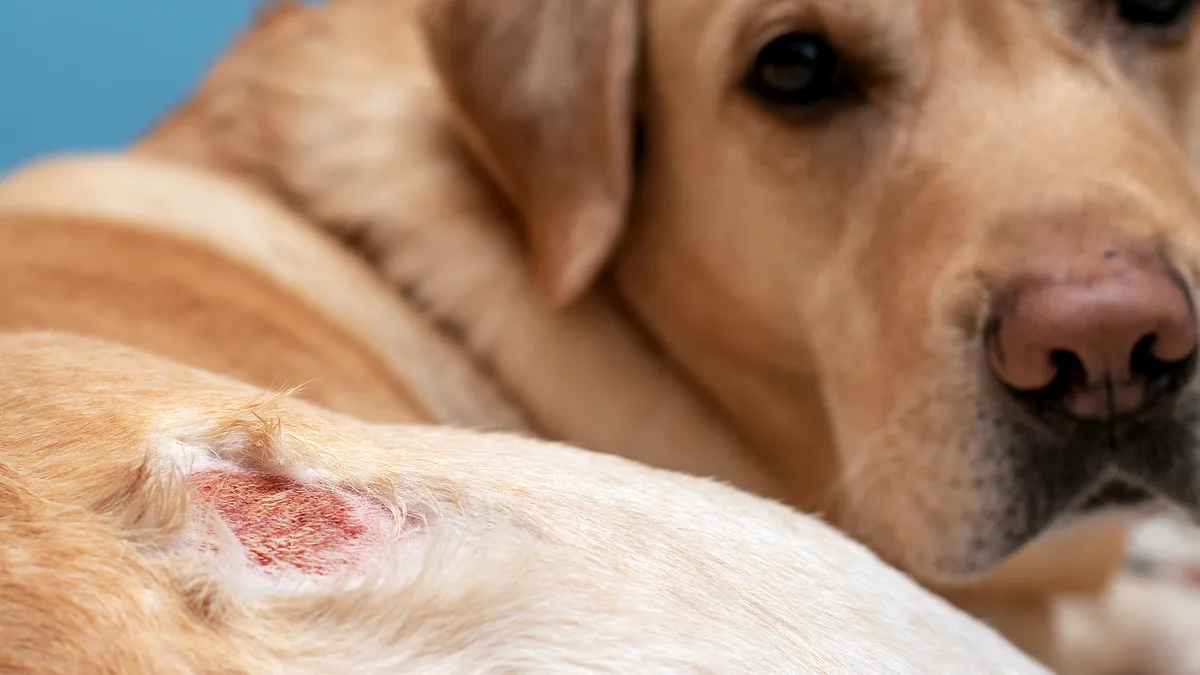
Image source: Bing (Web (fair-use with source credit))
How to Treat a Hot Spot at Home (Safely)
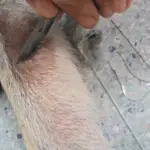
First, stop the cycle of licking. Use an e-collar to prevent further trauma. Clip the fur around the lesion to expose the skin, but avoid cutting too close if the area is painful.
Clean the wound gently with a mild antiseptic like chlorhexidine. Pat it dry thoroughly, moisture fuels bacterial growth. Apply a vet-approved antibiotic ointment or spray, but avoid human products like Neosporin, which can cause allergic reactions.
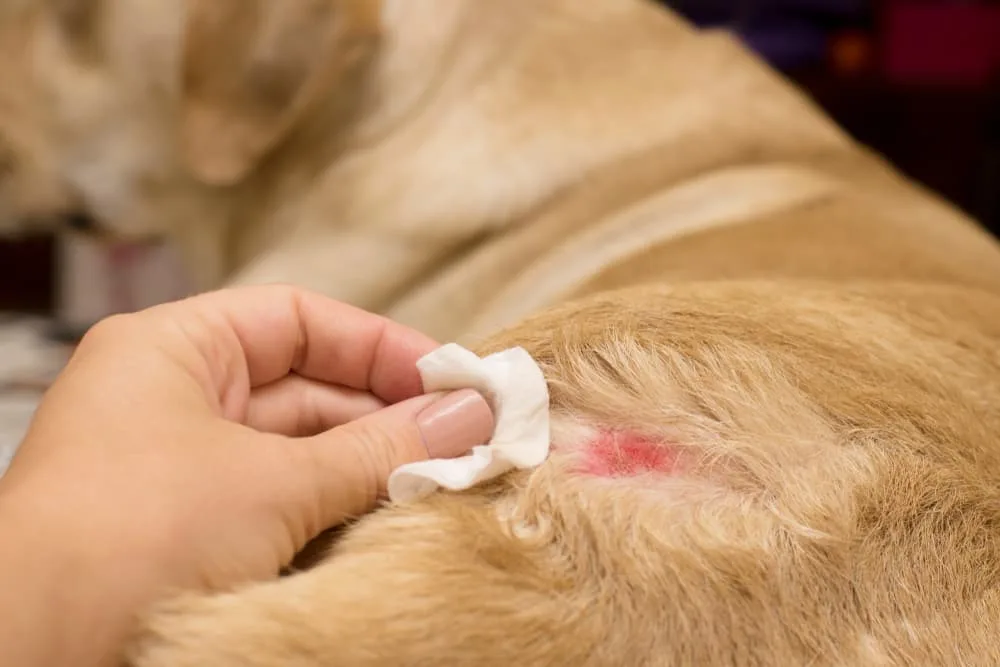
Image source: Bing (Web (fair-use with source credit))
Monitor the area daily. If it doesn’t improve within 24, 48 hours, or if it worsens, see a vet. Severe cases may need oral antibiotics or pain relief.
When to See a Vet—Red Flags You Shouldn’t Ignore
See a vet if the hot spot is larger than an inch in diameter. Immediate care is also needed if your dog seems lethargic, refuses food, or has a fever.
Other red flags include excessive swelling, a foul odor, or if the lesion keeps coming back. Recurrent hot spots often signal an underlying issue like allergies or a skin infection that needs professional treatment. According to the American Veterinary Medical Association, delaying treatment can lead to deeper infections or even sepsis in extreme cases.
How to Prevent Hot Spots from Coming Back
Prevention starts with regular grooming. Brush your dog’s coat frequently to prevent mats and remove debris. Pay extra attention to thick-furred areas like behind the ears and under the legs.
Keep your dog dry after baths or swim sessions. Moisture trapped in the fur creates the perfect environment for bacteria. Use a blow dryer on a cool setting if needed, especially for long-haired breeds.
Address allergies and fleas proactively. If your dog has seasonal allergies, work with your vet to manage symptoms. Flea prevention is non-negotiable, as flea bites are a leading trigger for hot spots.
Monthly preventatives or flea collars can make a big difference.
Reduce stress and boredom. Dogs often lick or chew out of anxiety or lack of stimulation. Ensure they get enough exercise, mental enrichment, and attention.
Puzzle toys or training sessions can redirect their focus away from self-trauma.
Frequently Asked Questions
Can hot spots heal on their own?
No. Without intervention, hot spots usually worsen due to continued licking and bacterial growth. Early treatment at home can help, but severe cases need veterinary care.
How long does it take for a hot spot to heal?
With proper treatment, most hot spots improve within 3 to 7 days. Deeper or infected lesions may take up to 2 weeks. Consistency in cleaning and preventing further irritation is key.
Are hot spots contagious to other pets or humans?
No. Hot spots are not contagious. They’re caused by bacteria already present on your dog’s skin, not by a transmittable pathogen.
Why does my dog keep getting hot spots in the same spot?
Recurrent hot spots often point to an underlying issue. Common causes include chronic allergies, flea infestations, or skin fold infections. A vet can help identify and treat the root problem.
Can I use human antibiotic ointment on my dog’s hot spot?
No. Human products like Neosporin can cause allergic reactions in dogs. Always use vet-approved topical treatments to avoid complications.
What’s the best way to stop my dog from licking a hot spot?
An e-collar (cone) is the most effective way to prevent licking. Bitter sprays can also deter some dogs, but they’re not as reliable for persistent lickers.

Similar Posts