Spot Food Allergies in Dogs: Key Signs to Watch
Founder & Veterinary Clinical Advisor at Pets Health Tips · DVM (Doctor of Veterinary Medicine), Member of the American Veterinary Medical Association (AVMA) · 14+ years in companion animal clinical triage, preventative nutrition, and geriatric pet therapy
Your dog’s constant scratching, ear infections, or upset stomach might not be random, it could be food allergy signs in dogs. These reactions often fly under the radar because they mimic other conditions, but spotting them early can save your pet from chronic discomfort.
Food allergies affect about 1, 2% of dogs, per the American College of Veterinary Dermatology, and they can develop at any age, even after years of eating the same diet.
food allergy signs in dogs
Food allergy signs in dogs include itchy skin, chronic ear infections, and digestive issues like vomiting or diarrhea. Some dogs lick their paws excessively or develop hot spots. Less commonly, respiratory symptoms like sneezing may appear.
The 7 Most Common Signs Your Dog Has a Food Allergy
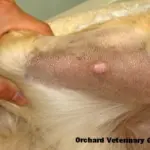
Itching is the most telltale sign, especially around the face, feet, ears, and rear. Unlike flea allergies, which focus on the hindquarters, food allergies often cause whole-body discomfort.
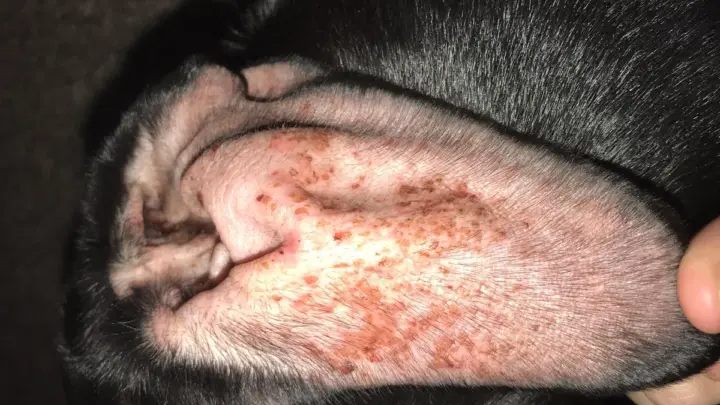
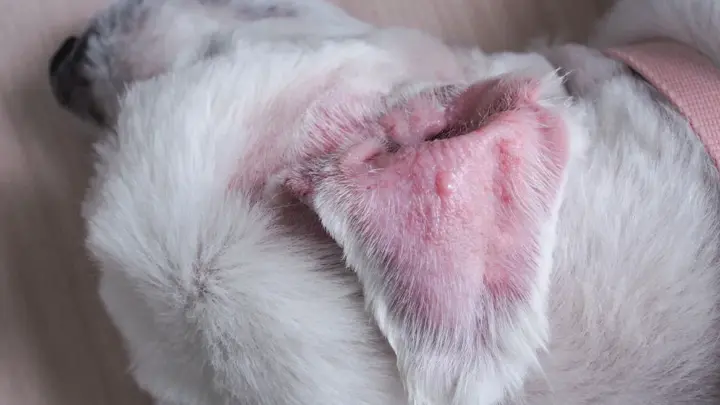
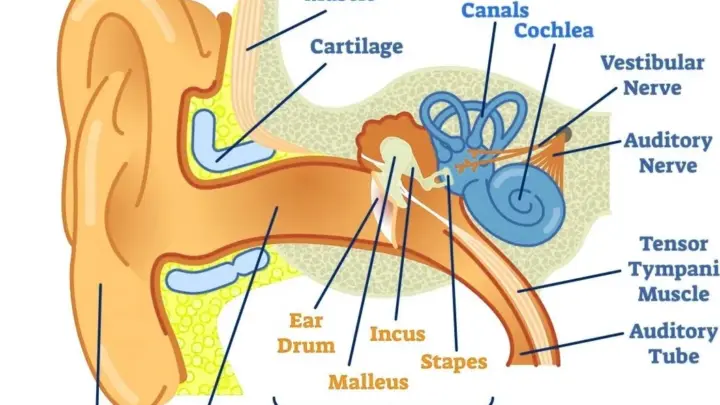
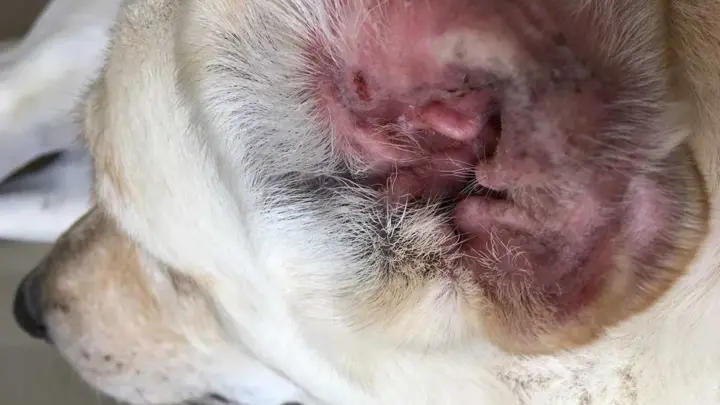
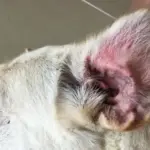
Chronic ear infections are another red flag. If your dog’s ears are frequently red, smelly, or filled with wax, a food allergy could be the culprit.
Digestive issues like vomiting, diarrhea, or excessive gas can also point to a food allergy. These symptoms may appear within minutes to 72 hours after eating the offending ingredient.
Paw licking or chewing is a subtle but common sign. Dogs with food allergies often target their paws due to itching or inflammation.
Hot spots, or moist, red, inflamed patches of skin, can develop from constant scratching or licking. These are often secondary to the underlying allergy.
Recurrent skin infections, such as bacterial or yeast infections, can stem from the skin damage caused by scratching. These infections often require veterinary treatment.
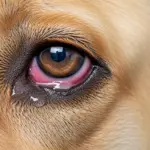
Less commonly, respiratory symptoms like sneezing, reverse sneezing, or watery eyes may occur. These are more typical of environmental allergies but can sometimes be linked to food.
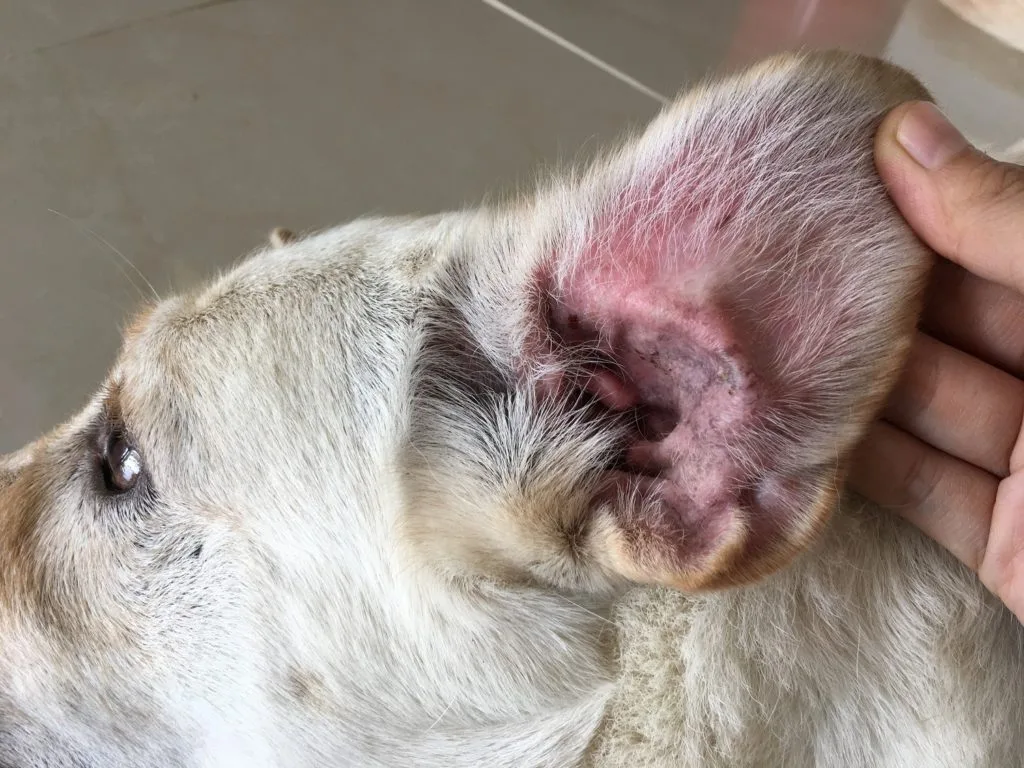
Image source: Bing (Web (fair-use with source credit))

Image source: Bing (Web (fair-use with source credit))
Why These Symptoms Get Misdiagnosed (And How to Tell the Difference)
Food allergies are often confused with environmental allergies, flea allergies, or even skin infections. The key difference is that food allergies cause year-round symptoms, while environmental allergies are often seasonal.
Flea allergies typically cause intense itching around the hindquarters, tail base, and inner thighs. If your dog’s symptoms are focused in these areas, fleas are a more likely culprit.
Skin infections, such as bacterial or yeast infections, can cause similar symptoms to food allergies. However, these infections are usually secondary to another issue, like allergies or hormonal imbalances.
Food intolerances, unlike allergies, do not involve the immune system. They cause digestive upset but not the skin or ear symptoms associated with food allergies.
To tell the difference, your vet may recommend diagnostic tests, such as skin scrapings, cytology, or blood tests. However, the only definitive way to diagnose a food allergy is through an elimination diet.
The Only Reliable Way to Confirm a Food Allergy in Dogs
An elimination diet is the gold standard for diagnosing food allergies in dogs. This involves feeding your dog a novel protein and carbohydrate source they’ve never eaten before for 8, 12 weeks.
During this period, it’s crucial to avoid all other foods, treats, and flavored medications. Even small amounts of the offending allergen can cause a reaction and skew the results.
If your dog’s symptoms improve during the elimination diet, your vet may recommend a reintroduction phase. This involves gradually adding back potential allergens one at a time to identify the culprit.
It’s important to work closely with your vet during this process. They can help you choose the right diet and monitor your dog’s progress.
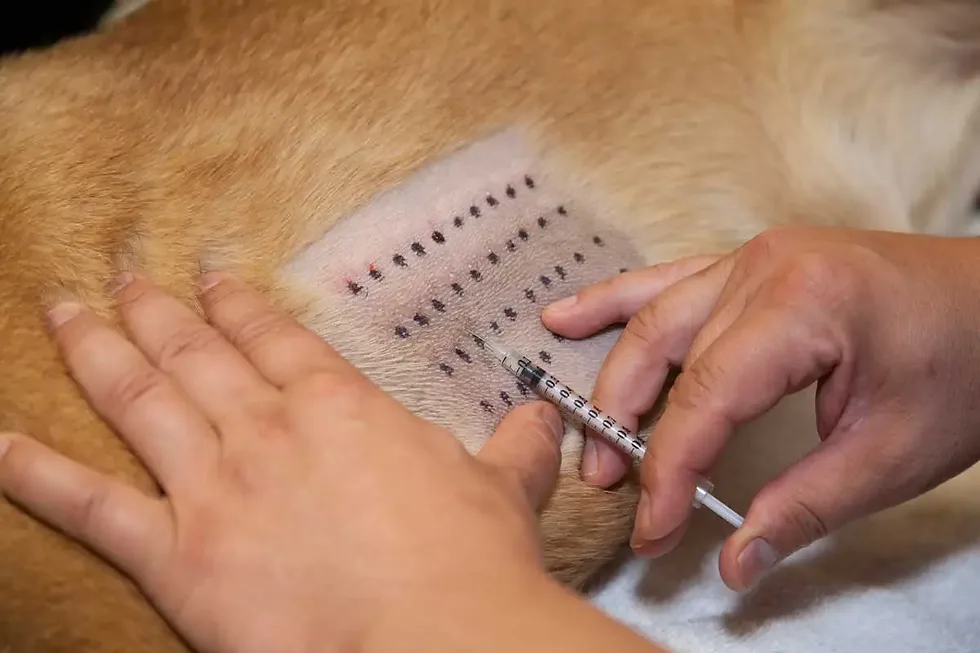
Image source: Bing (Web (fair-use with source credit))
How to Do an Elimination Diet the Right Way (Step by Step)
Start by selecting a novel protein and carbohydrate source. This could be a commercial hypoallergenic diet or a homemade diet approved by your vet.
Feed this diet exclusively for 8, 12 weeks. This means no treats, table scraps, or flavored medications. Stick to the diet strictly to ensure accurate results.
Monitor your dog’s symptoms closely during this period. Keep a journal to track any improvements or flare-ups. Note the date, severity, and any potential triggers.
If your dog’s symptoms improve, your vet may recommend a reintroduction phase. This involves adding back potential allergens one at a time, starting with the most common offenders like beef, dairy, or chicken.
Watch for any return of symptoms during the reintroduction phase. If symptoms flare up, you’ve likely found the culprit. Remove the offending ingredient and allow your dog’s symptoms to resolve before testing another potential allergen.
Image source: Bing (Web (fair-use with source credit))
Long-Term Management: Diets, Treatments, and What to Avoid
Once you’ve identified the allergen, the simplest solution is strict avoidance. Switch to a diet that excludes the problematic ingredient, whether it’s a commercial hypoallergenic formula or a vet-approved homemade meal plan.
For dogs with multiple allergies, a hydrolyzed protein diet may be the best option. These diets break down proteins into smaller pieces that are less likely to trigger an immune response.
Medications like antihistamines or corticosteroids can provide temporary relief during flare-ups. However, they’re not a long-term solution and can have side effects with prolonged use.
Topical treatments, such as medicated shampoos or ointments, can help soothe irritated skin. These are often used alongside dietary changes for comprehensive management.
Avoid giving your dog table scraps or treats that contain the allergen. Always check ingredient labels carefully, as some products may contain hidden allergens.
When to See a Vet Immediately
Seek emergency veterinary care if your dog shows signs of anaphylaxis. These include difficulty breathing, swelling of the face or throat, severe vomiting, or collapse.
If your dog’s symptoms are severe or persistent, don’t wait to see if they improve on their own. Chronic discomfort can lead to secondary infections or other complications.
A vet can also help rule out other conditions that mimic food allergies, such as parasites, hormonal imbalances, or autoimmune diseases. Blood tests, skin scrapings, or other diagnostics may be necessary.
For dogs with recurring ear or skin infections, a vet can prescribe appropriate medications to clear the infection and provide relief. They can also recommend a maintenance plan to prevent future flare-ups.
If you’re unsure whether your dog’s symptoms are due to a food allergy, a vet can guide you through the diagnostic process. Early intervention can prevent long-term discomfort and improve your dog’s quality of life.
Frequently Asked Questions
Can food allergies in dogs develop suddenly?
Yes, dogs can develop food allergies at any age, even after eating the same diet for years. The immune system can become sensitized to a protein over time, leading to an allergic reaction.
What are the most common food allergens for dogs?
The most common allergens are beef, dairy, chicken, wheat, soy, eggs, lamb, and fish. These ingredients are frequently found in commercial dog foods and treats.
How long does an elimination diet take to work?
It typically takes 8 to 12 weeks to see improvement in skin symptoms. Digestive symptoms may resolve sooner, often within a few weeks.
Can I use over-the-counter allergy tests for my dog?
No, over-the-counter tests, including hair or saliva tests, are not reliable for diagnosing food allergies in dogs. The only accurate method is an elimination diet under veterinary supervision.
Are grain-free diets better for dogs with food allergies?
Not necessarily. While some dogs may be allergic to grains like wheat, others may react to proteins like beef or chicken. A grain-free diet won’t help if the allergen is a protein source.
Can food allergies in dogs be cured?
There’s no cure for food allergies, but they can be managed effectively through strict dietary avoidance. Once the allergen is identified and removed, symptoms typically resolve.

Similar Posts