Dog Anal Gland Issues: Key Signs to Watch For
Founder & Veterinary Clinical Advisor at Pets Health Tips · DVM (Doctor of Veterinary Medicine), Member of the American Veterinary Medical Association (AVMA) · 14+ years in companion animal clinical triage, preventative nutrition, and geriatric pet therapy
Your dog’s backside is trying to tell you something. Anal gland problems in dogs signs often start with scooting, excessive licking, or a foul smell near their rear. These small sacs can become impacted, infected, or even rupture if ignored.
About 12% of dogs will develop anal gland issues in their lifetime, with small breeds like Chihuahuas and Poodles at higher risk. Left untreated, what begins as mild discomfort can turn into a painful abscess or systemic infection.
anal gland problems in dogs signs
Anal gland problems in dogs signs include scooting on the floor. You may notice excessive licking or biting near the rear. A foul odor often comes from the anus.
Swelling or redness can appear around the area. Blood or pus may show up in their stool.
The 5 Clear Signs Your Dog’s Anal Glands Are Acting Up
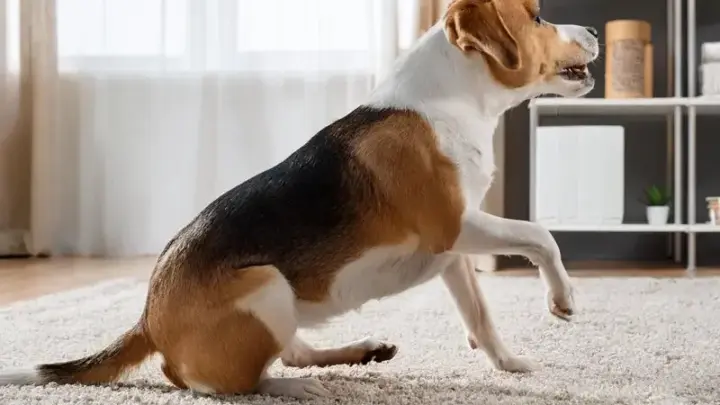
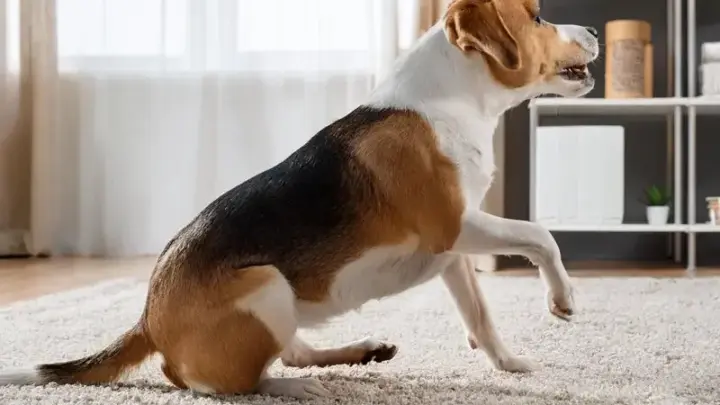
The first red flag is scooting. Your dog drags their rear across the carpet or grass because the glands are full or irritated. This isn’t always worms, it’s often a gland issue.
Next is excessive licking or biting at their backside. They’re trying to relieve pressure or itching from impacted or infected glands.
A foul, fishy smell is another giveaway. The glands secrete a strong-smelling fluid, and when they’re not emptying properly, that odor becomes noticeable.
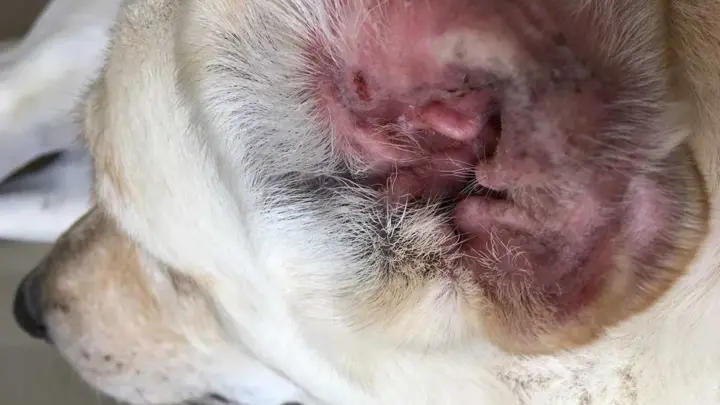
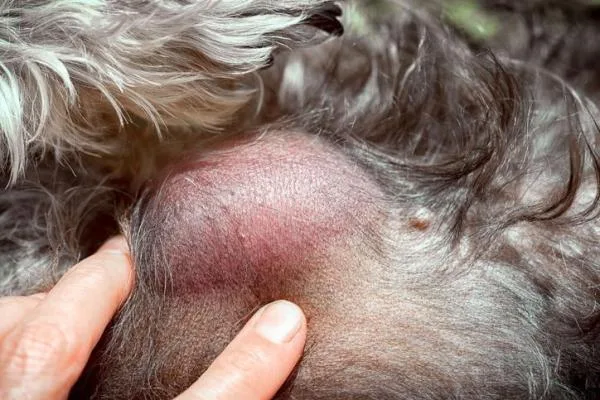
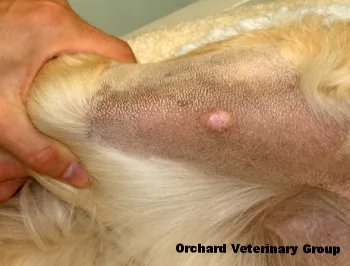
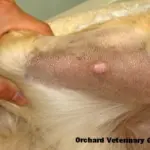
Swelling or redness near the anus is a sign of infection or abscess. This can look like a small, hard lump on one or both sides of the anus.
Finally, blood or pus in their stool or on their bedding means the problem has progressed. This is an emergency and needs vet care immediately.
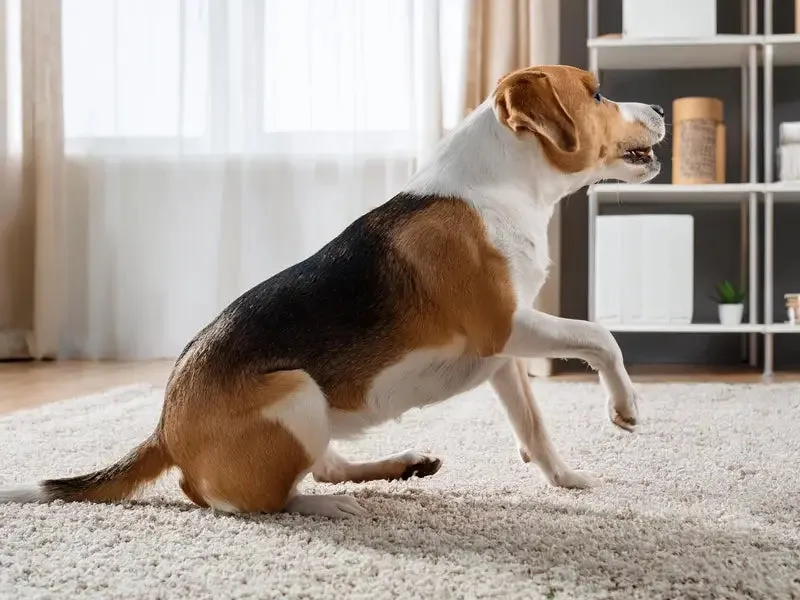
Image source: Bing (Web (fair-use with source credit))
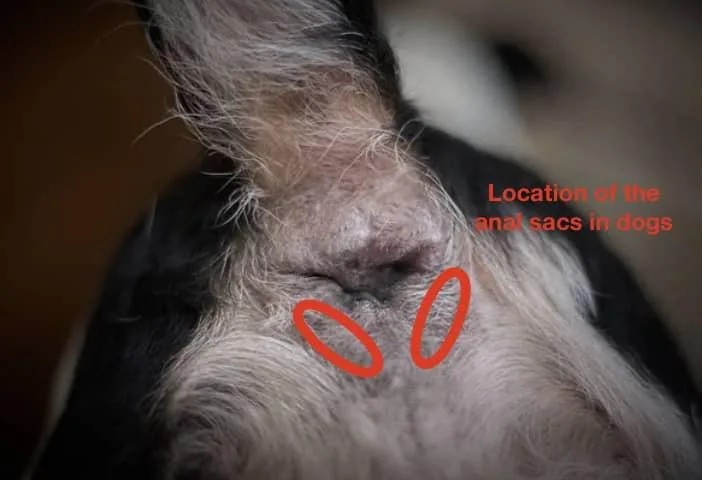
Image source: Bing (Web (fair-use with source credit))
Why This Happens: Root Causes and Risk Factors
Anal glands are small sacs located just inside your dog’s anus. They produce a smelly fluid used for scent marking. Normally, they empty when your dog defecates, but soft stools or diarrhea can prevent this.
Small breeds are more prone to issues because their glands are tiny and clog easily. Obese dogs also struggle, as extra weight puts pressure on the glands. Chronic diarrhea or a low-fiber diet can lead to soft stools, which don’t apply enough pressure to empty the glands naturally.
Other risk factors include allergies, skin infections, or anatomical abnormalities. Older dogs may develop tumors in the glands, which can block drainage and cause swelling.
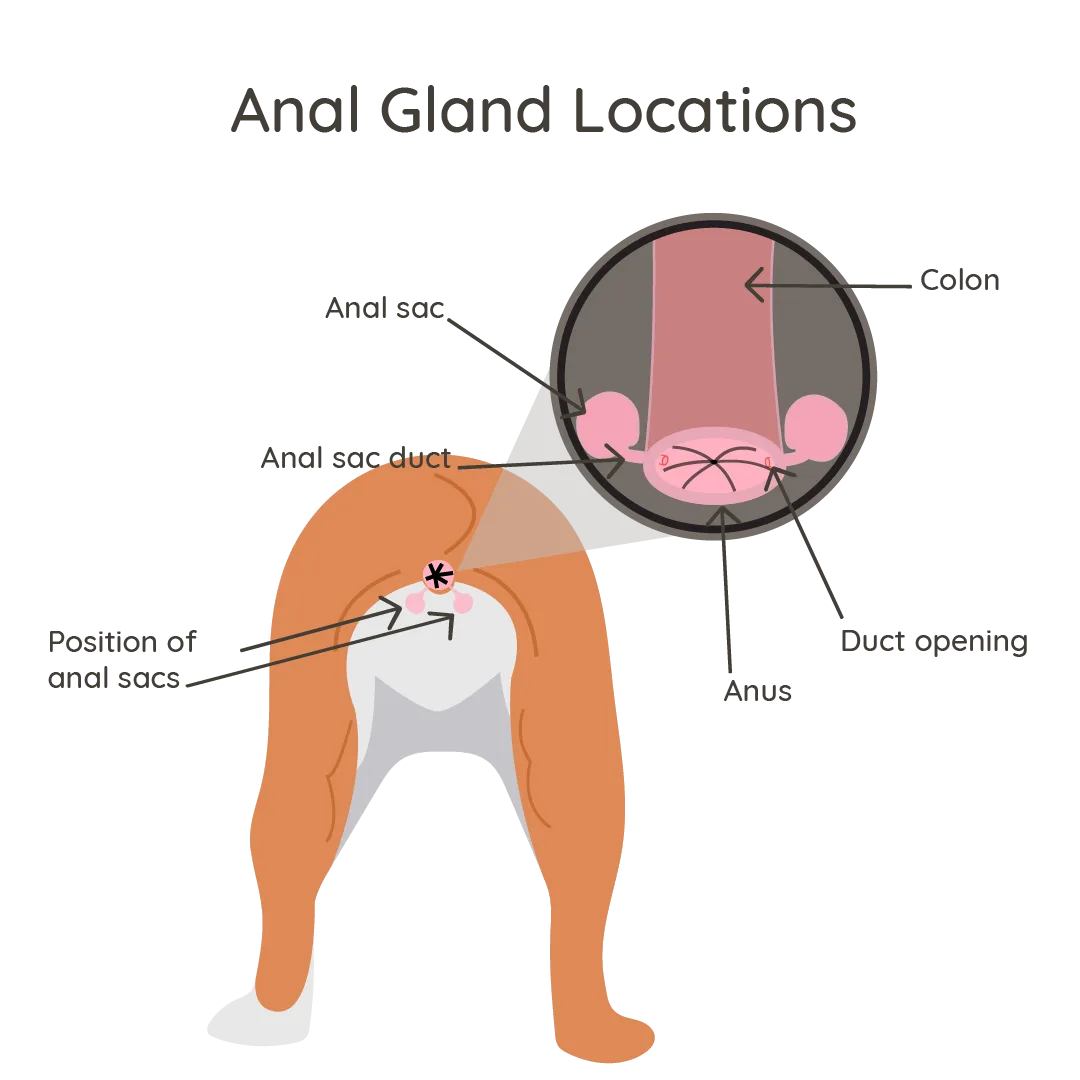
Image source: Bing (Web (fair-use with source credit))
What Each Sign Actually Means for Your Dog’s Health
Scooting usually means the glands are full or impacted. This is uncomfortable but not yet an emergency. Excessive licking or biting suggests irritation or early infection.
The glands may be swollen but not yet abscessed.
A foul smell indicates the glands aren’t emptying properly. The fluid inside is stagnant and may be infected. Swelling or redness means inflammation or infection has set in.
This can progress to an abscess if untreated.
Blood or pus is a sign of a ruptured gland or severe infection. This is painful and can lead to systemic illness if bacteria enter the bloodstream. Your dog may also show signs of lethargy, fever, or loss of appetite at this stage.
Safe Next Steps: Home Care vs. Vet Emergency
If your dog is scooting or licking but has no swelling or discharge, try adding fiber to their diet. Canned pumpkin or a high-fiber kibble can firm up stools and help the glands empty naturally. A warm compress on the area can also soothe mild irritation.
For swelling or redness, see a vet within 24, 48 hours. They can manually express the glands and prescribe antibiotics if there’s an infection. If you notice blood, pus, or your dog seems in pain, go to the vet immediately.
This could be an abscess or rupture, which may require drainage or surgery.
Never attempt to express the glands internally at home. This can cause injury or push infection deeper. External expression can be done carefully, but it’s best left to a professional if you’re unsure.
For chronic issues, ask your vet about regular gland checks during grooming visits. Some dogs need their glands expressed every 4, 6 weeks to prevent impaction.
How Vets Diagnose and Treat Anal Gland Issues
Vets start with a physical exam. They’ll palpate the glands externally to check for swelling, hardness, or pain. If the glands feel impacted, they may express them manually to relieve pressure.
For suspected infections, they’ll collect a sample of the gland fluid. A cytology test under a microscope confirms bacteria or abnormal cells. If an abscess is present, they may drain it and prescribe antibiotics.
Chronic cases might need imaging. Ultrasound or X-rays can reveal tumors, fistulas, or deep infections. Surgery is the last resort for severe or recurring problems.
Preventing Recurring Problems: Diet, Habits, and Routine Checks
A high-fiber diet helps firm up stools. This applies natural pressure to empty the glands during defecation. Canned pumpkin, psyllium husk, or vet-recommended fiber supplements can help.
Regular exercise keeps stools consistent. Obese dogs benefit from weight management to reduce gland pressure. Groomers can express glands during routine visits for high-risk breeds.
Image source: Bing (Web (fair-use with source credit))
Monitor your dog’s rear for early signs. Scooting or licking once or twice may not be urgent. But if it persists for more than a day, check for swelling or discharge.
Frequently Asked Questions
Why does my dog keep scooting after gland expression?
Scooting can continue if the glands weren’t fully emptied. It may also signal irritation from the expression process itself. If it persists beyond 24 hours, see your vet to rule out infection or other issues.
Can I express my dog’s anal glands at home?
External expression is safer and can be done with guidance. Internal expression carries risks like injury or pushing infection deeper. If you’re unsure, leave it to a professional groomer or vet.
How often should anal glands be expressed?
Most dogs don’t need manual expression. But small breeds or those with chronic issues may need it every 4 to 6 weeks. Always follow your vet’s recommendation based on your dog’s history.
Are some breeds more prone to anal gland problems?
Yes. Small breeds like Chihuahuas, Poodles, and Beagles are at higher risk. Obese dogs and those with chronic soft stools are also more susceptible.
What happens if an anal gland abscess ruptures?
A ruptured abscess is painful and can lead to systemic infection. Your dog may need emergency drainage, antibiotics, and pain management. Left untreated, it can cause sepsis.

Similar Posts