Why Your Dog’s Nose Changes Color
Founder & Veterinary Clinical Advisor at Pets Health Tips · DVM (Doctor of Veterinary Medicine), Member of the American Veterinary Medical Association (AVMA) · 14+ years in companion animal clinical triage, preventative nutrition, and geriatric pet therapy
A dog’s nose changing color can be startling, but the dog nose changing color reasons range from harmless quirks to signs of serious health issues. Some changes, like seasonal lightening, are normal, while others, like sudden depigmentation, may need a vet’s attention.
Per the American Kennel Club, certain breeds naturally develop lighter noses, but unexpected shifts in pigment can also signal infections, allergies, or autoimmune conditions. Knowing the difference helps you act fast when it matters.
dog nose changing color reasons
A dog’s nose can change color due to aging, sun exposure, or seasonal shifts like snow nose. Breed traits, such as Dudley nose in Labradors, also cause depigmentation. Infections, allergies, or autoimmune diseases may trigger sudden color loss.
The 5 Most Common Reasons Your Dog’s Nose Is Changing Color
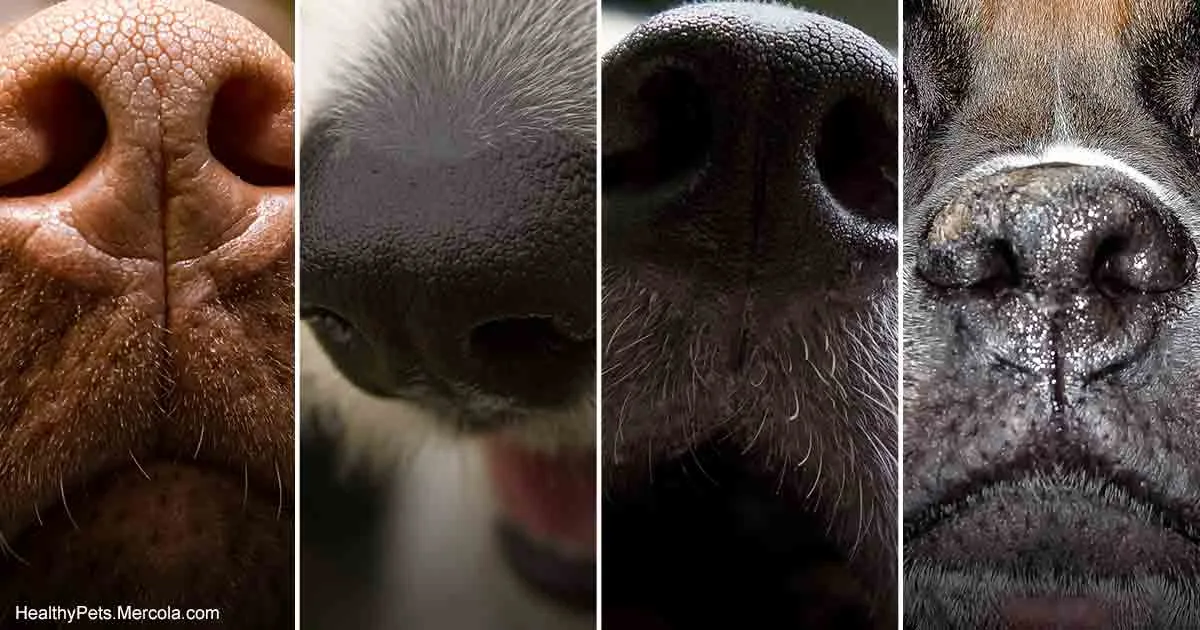
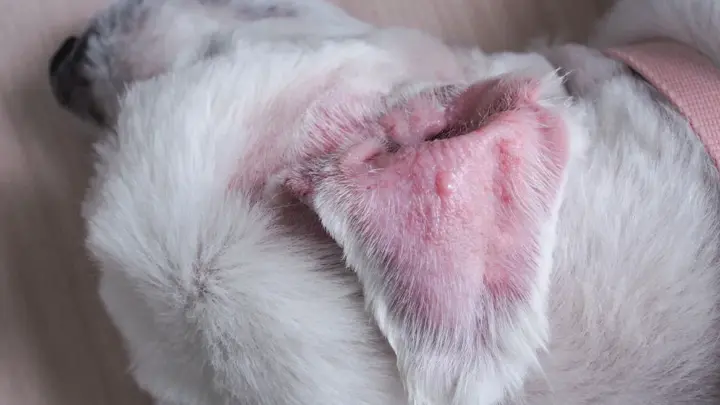
Image source: Bing (Web (fair-use with source credit))
Snow Nose (Seasonal Depigmentation)
This is common in breeds like Siberian Huskies and Bernese Mountain Dogs. The nose lightens in winter and often darkens again in summer. It’s harmless and doesn’t require treatment.
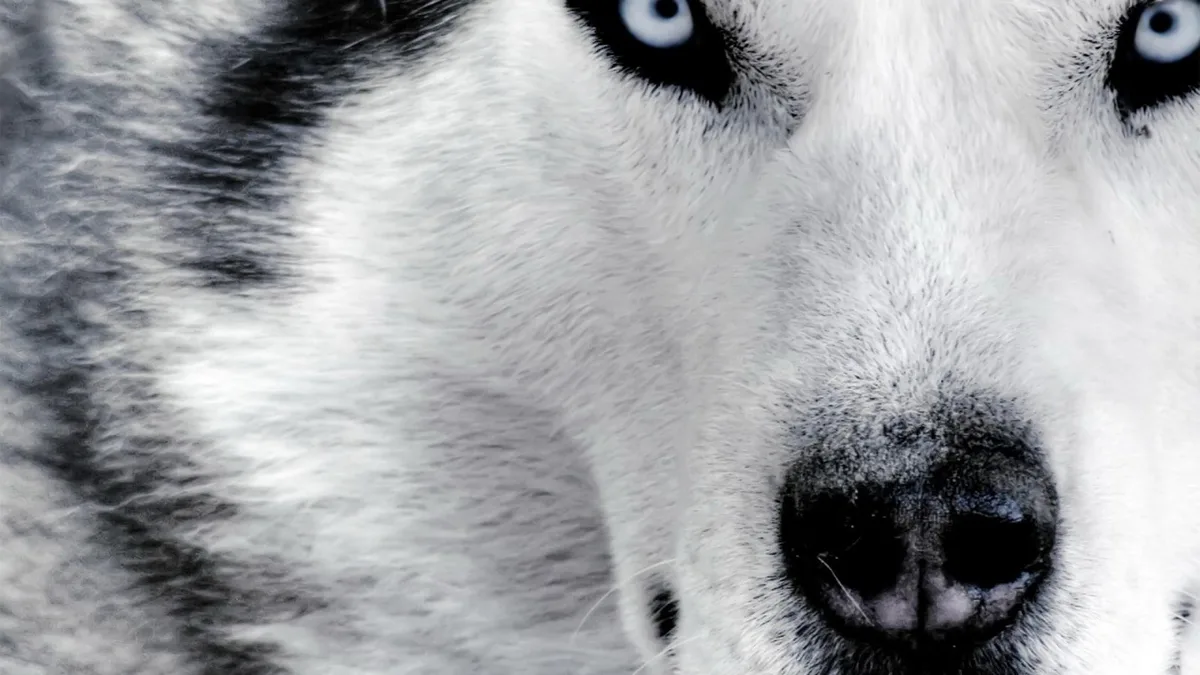
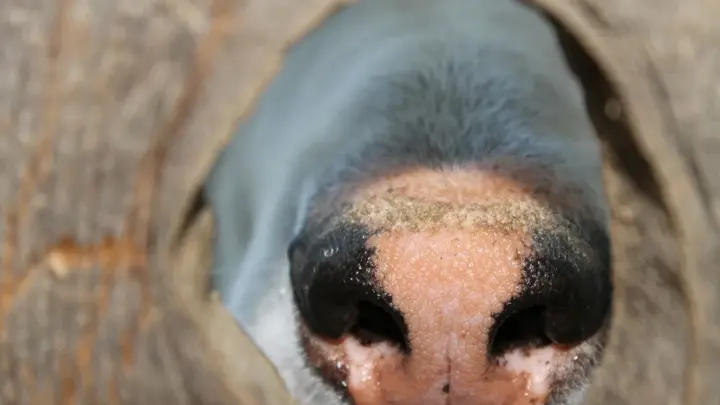
Image source: Bing (Web (fair-use with source credit))
Aging
As dogs age, their nose may naturally lighten due to melanin loss. This is gradual and typically affects older dogs.
Sun Exposure
Prolonged sun exposure can cause a dog’s nose to fade, especially in light-colored or thin-coated breeds. This is similar to how human skin tans or burns.
Dudley Nose (Genetic Depigmentation)
Some breeds, like Labradors, may have a genetic trait called Dudley nose, where the nose lacks pigment. It’s present from birth or early puppyhood and isn’t harmful.
Health Issues
Sudden or patchy depigmentation can signal infections, allergies, or autoimmune diseases like pemphigus or discoid lupus erythematosus. These require veterinary attention.
How to Tell If It’s Harmless or a Vet Emergency
Harmless Changes
Snow nose, aging, and Dudley nose are usually benign. These changes are gradual, symmetrical, and don’t come with other symptoms like crusting, discharge, or sores.
Red Flags
Sudden color loss, especially if accompanied by crusting, bleeding, or a change in texture, warrants a vet visit. Autoimmune diseases often cause patchy depigmentation and may require biopsies or blood tests for diagnosis.
When in Doubt
If your dog’s nose changes color and they show signs of discomfort, lethargy, or other unusual symptoms, consult a vet. Early intervention can prevent complications.
Breed-Specific Nose Quirks You Should Know About

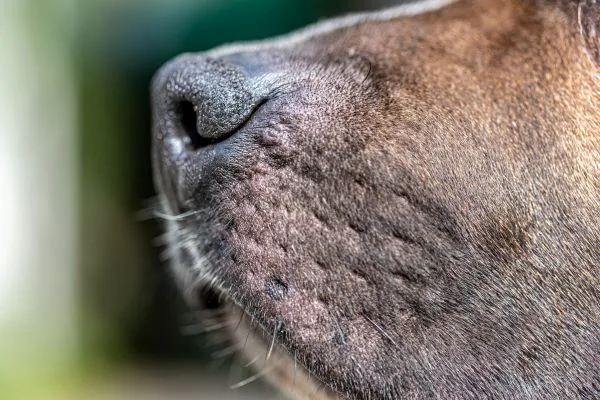
Image source: Bing (Web (fair-use with source credit))
Labrador Retrievers
Dudley nose is common in Labradors, particularly those with yellow coats. It’s a genetic trait and doesn’t affect the dog’s health.
Siberian Huskies and Bernese Mountain Dogs
These breeds are prone to snow nose, where the nose lightens in colder months. It’s a cosmetic change and doesn’t require treatment.
Dalmatians and Pointers
Some Dalmatians and Pointers may have naturally lighter noses due to their coat color genetics. This is normal and not a cause for concern.
Bulldogs and Pugs
These breeds may develop nasal hyperkeratosis, a condition where the nose becomes dry and crusty. While not directly related to color change, it can affect the nose’s appearance and requires management.
What to Do (and What NOT to Do) When You Notice a Change
Do:
Monitor the change over time. Note if it’s gradual or sudden, symmetrical or patchy. If it’s accompanied by other symptoms, like crusting or discharge, see a vet.
Use pet-safe sunscreen on light-nosed dogs to prevent sunburn. Brands like Epi-Pet offer products specifically designed for dogs.
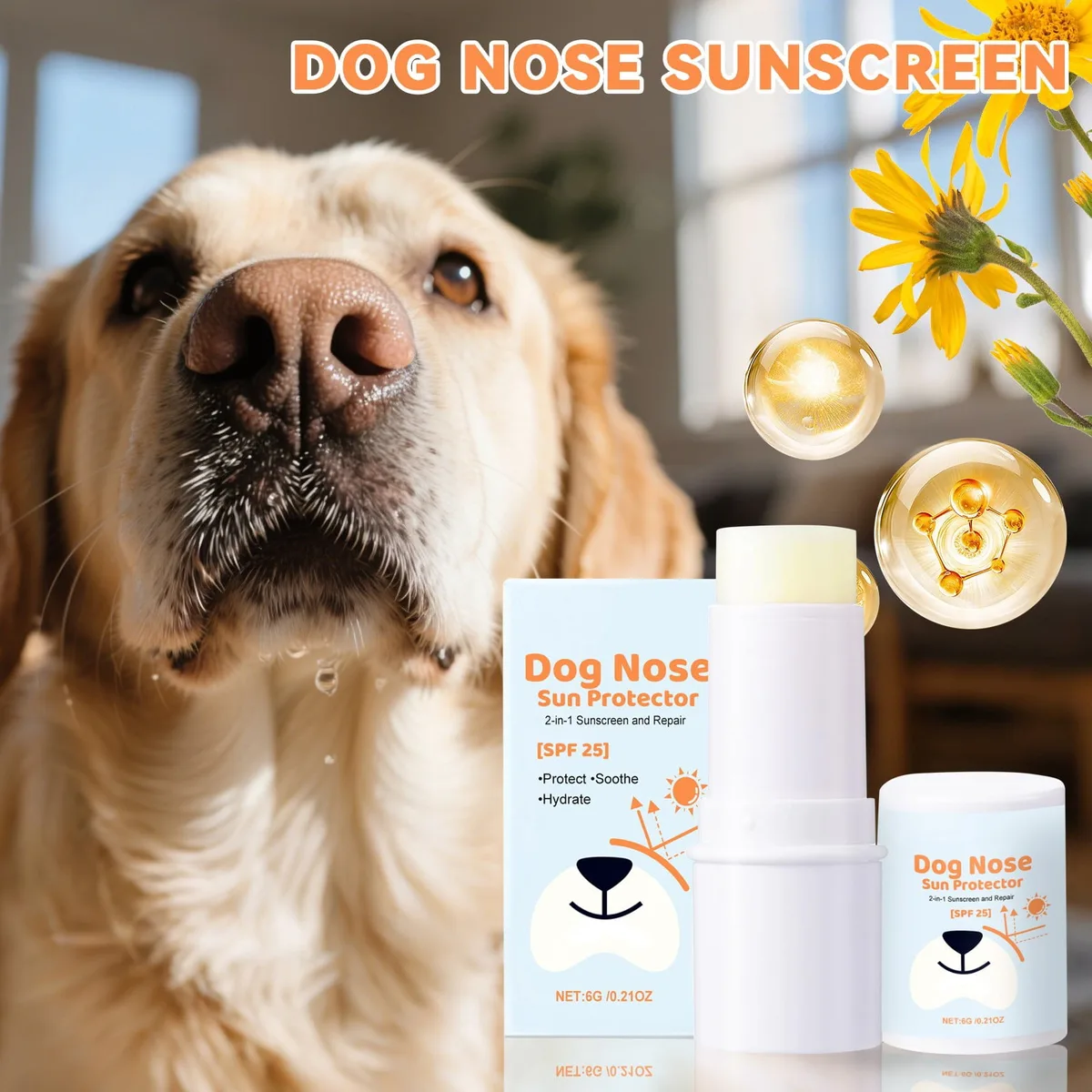
Image source: Bing (Web (fair-use with source credit))
Don’t:
Ignore sudden or patchy depigmentation. These can be signs of underlying health issues that need prompt attention.
Use human sunscreen on your dog. Zinc oxide, a common ingredient in human sunscreen, is toxic to dogs. Stick to pet-safe alternatives.
Self-diagnose autoimmune conditions. These require professional veterinary care, including biopsies or blood tests, to confirm and treat.
When to See a Vet—Red Flags You Can’t Ignore
Sudden depigmentation is the biggest warning sign. If your dog’s nose loses color overnight or over a few days, it could indicate an autoimmune issue like pemphigus or discoid lupus.
Crusting, bleeding, or open sores on the nose are emergencies. These symptoms often accompany infections or severe allergic reactions that need immediate treatment.
Other red flags include lethargy, loss of appetite, or changes in behavior. These systemic signs suggest the color change might be part of a larger health problem.
If the depigmentation is patchy or asymmetrical, see a vet. Uniform lightening is often benign, but irregular patterns can signal underlying conditions.
Frequently Asked Questions
Why does my dog’s nose turn pink in winter?
This is likely snow nose, a seasonal depigmentation common in breeds like Huskies. The nose typically darkens again in warmer months.
Is a Dudley nose harmful?
No, a Dudley nose is a genetic trait, not a health issue. It’s most common in Labradors and doesn’t require treatment.
Can sun exposure change my dog’s nose color?
Yes, prolonged sun exposure can lighten a dog’s nose, especially in light-coated breeds. Use pet-safe sunscreen to prevent this.
What does it mean if my dog’s nose is crusty and changing color?
Crusting combined with color change often signals an infection or autoimmune disease. A vet visit is necessary for diagnosis and treatment.
Can allergies cause my dog’s nose to change color?
Yes, allergies can lead to inflammation and temporary depigmentation. Identifying and managing the allergen can help restore normal color.
How do I protect my dog’s nose from sunburn?
Apply pet-safe sunscreen to the nose, especially if it’s light-colored. Avoid human sunscreen, as ingredients like zinc oxide are toxic to dogs.

Similar Posts