Hot Spot vs Ringworm in Dogs: Key Differences
Founder & Veterinary Clinical Advisor at Pets Health Tips · DVM (Doctor of Veterinary Medicine), Member of the American Veterinary Medical Association (AVMA) · 14+ years in companion animal clinical triage, preventative nutrition, and geriatric pet therapy
Your dog’s skin looks red, patchy, or irritated, and you’re trying to figure out if it’s a hot spot or ringworm. The difference between hot spot vs ringworm on a dog isn’t just academic, it changes how you treat it and whether your family is at risk.
Ringworm is a fungal infection that spreads to humans, while hot spots are bacterial and usually stay on your dog. Misdiagnosing one for the other can make things worse.
hot spot vs ringworm on a dog
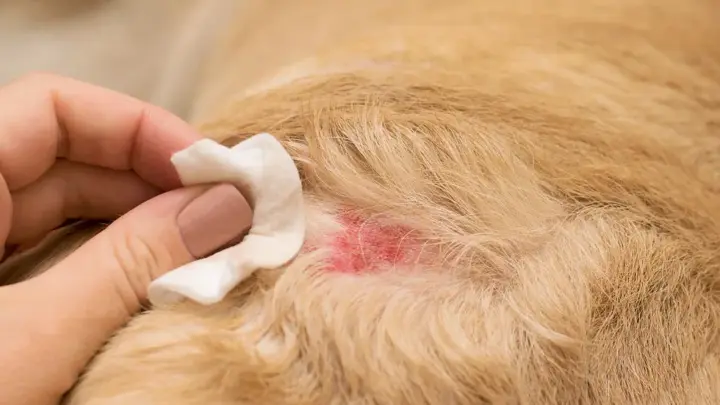
Hot spots are bacterial skin infections. They’re red, moist, and painful.
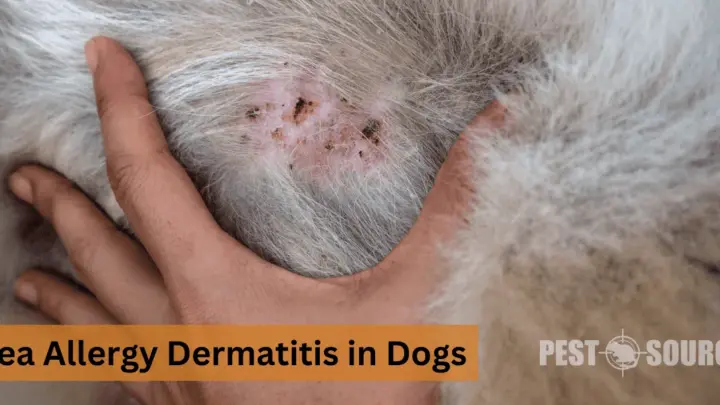
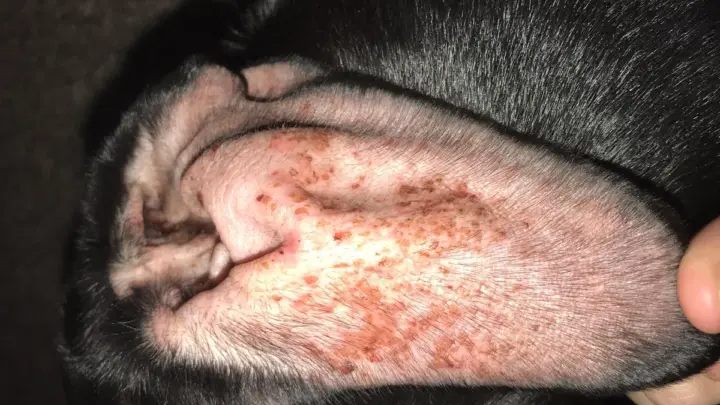
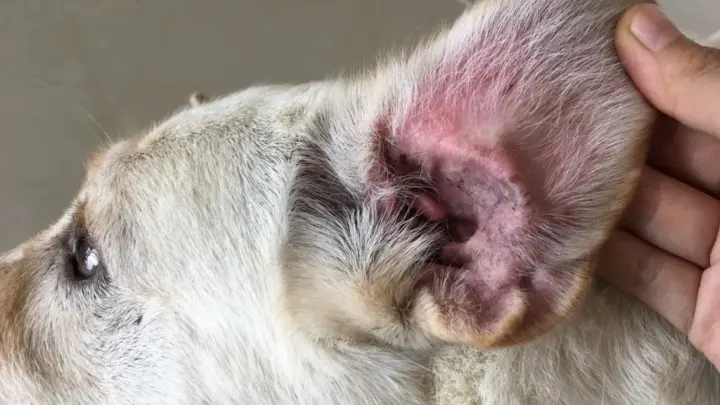
Ringworm is fungal. It causes dry, crusty, circular patches.
Hot spots develop fast. Ringworm spreads slowly.
Hot spots aren’t contagious. Ringworm is highly contagious to pets and people.
Why Hot Spots and Ringworm Are Easily Confused (And Why It Matters)
Both conditions cause hair loss and skin irritation, so it’s no surprise they’re mixed up. But the risks and treatments couldn’t be more different.
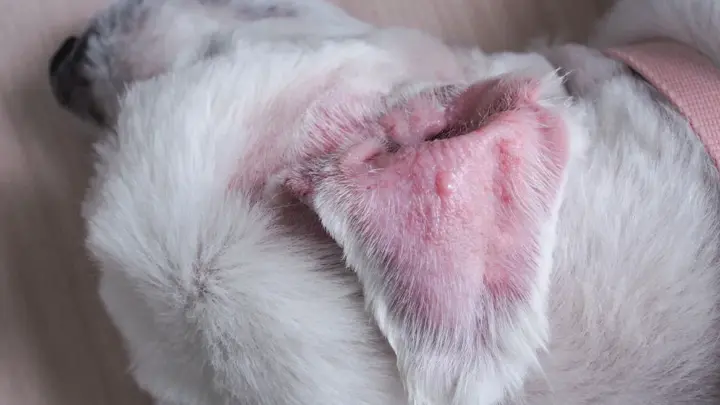
Hot spots, or acute moist dermatitis, are painful, oozing sores that pop up suddenly, often after your dog scratches or licks one spot too much. Ringworm, or dermatophytosis, is a fungal infection that creates scaly, ring-like patches and can linger for weeks. The biggest difference?
Ringworm spreads to humans, while hot spots don’t.
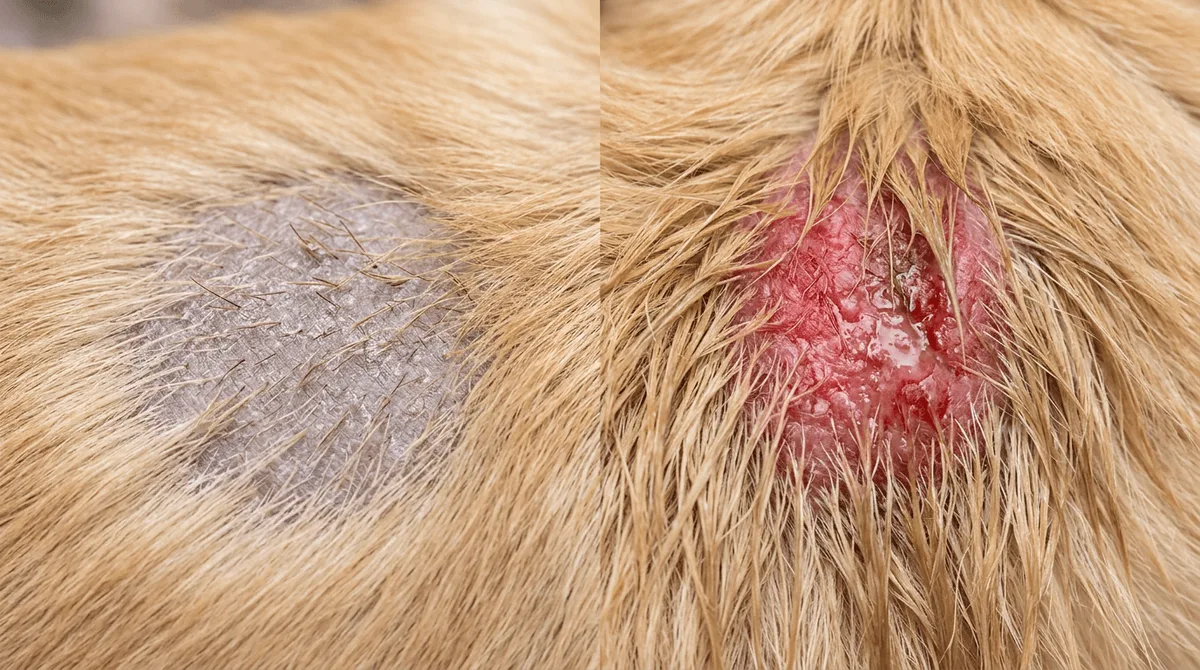
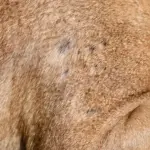
Image source: Bing (Web (fair-use with source credit))
Misdiagnosing ringworm as a hot spot (or vice versa) can delay proper treatment. For example, steroids, sometimes used for allergies, can worsen ringworm. And if you assume a hot spot is just a minor irritation, it can turn into a serious infection overnight.
Hot Spot vs. Ringworm: Key Differences at a Glance
Here’s how to tell them apart at a glance:
| Feature | Hot Spot | Ringworm |
|---|---|---|
| Appearance | Red, moist, oozing, hair loss | Dry, crusty, scaly, circular patches |
| Itchiness | Very itchy, painful | Mild itch or none |
| Odor | Often foul-smelling | No odor |
| Onset | Develops in hours | Develops over weeks |
| Contagious? | No | Yes (to pets and humans) |
| Common Locations | Head, hips, legs (anywhere dog can lick) | Face, ears, paws, tail |
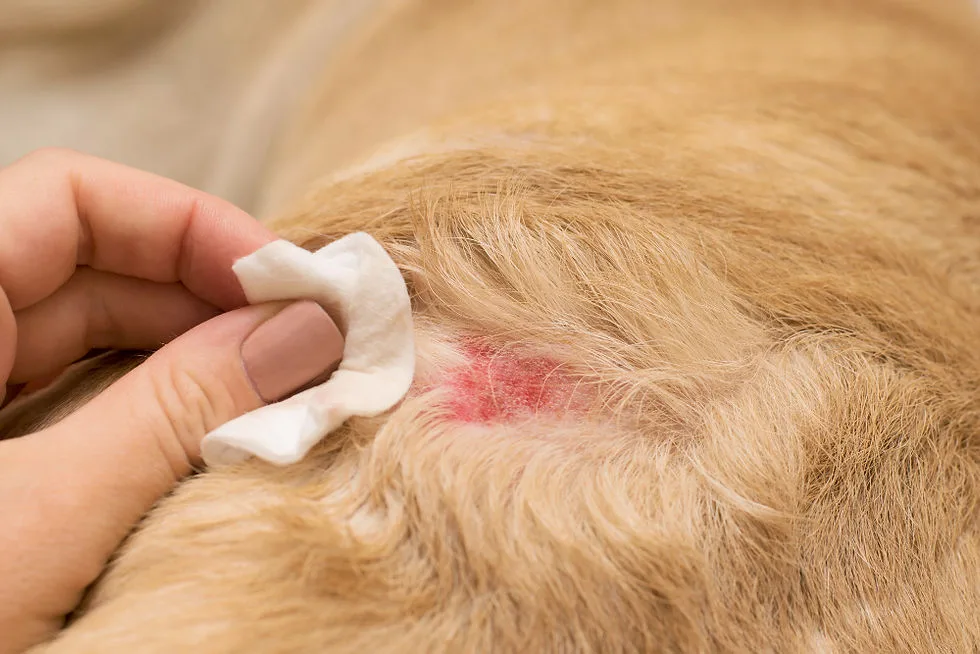
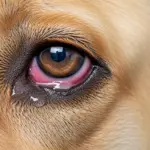
Image source: Bing (Web (fair-use with source credit))
Hot spots are usually triggered by self-trauma, your dog licks or scratches until the skin breaks. Ringworm, on the other hand, is caused by fungi like Microsporum or Trichophyton, which thrive in warm, humid environments.
How to Tell Which One Your Dog Has
Start with a visual check. Hot spots are wet, red, and inflamed, often with pus or a foul smell. Ringworm looks dry, crusty, and ring-shaped, with hair loss in the center.
Next, consider your dog’s behavior. If they’re constantly licking or scratching one spot, it’s likely a hot spot. Ringworm may not itch at all, but you might notice it spreading to other areas, or even to other pets or people in the house.
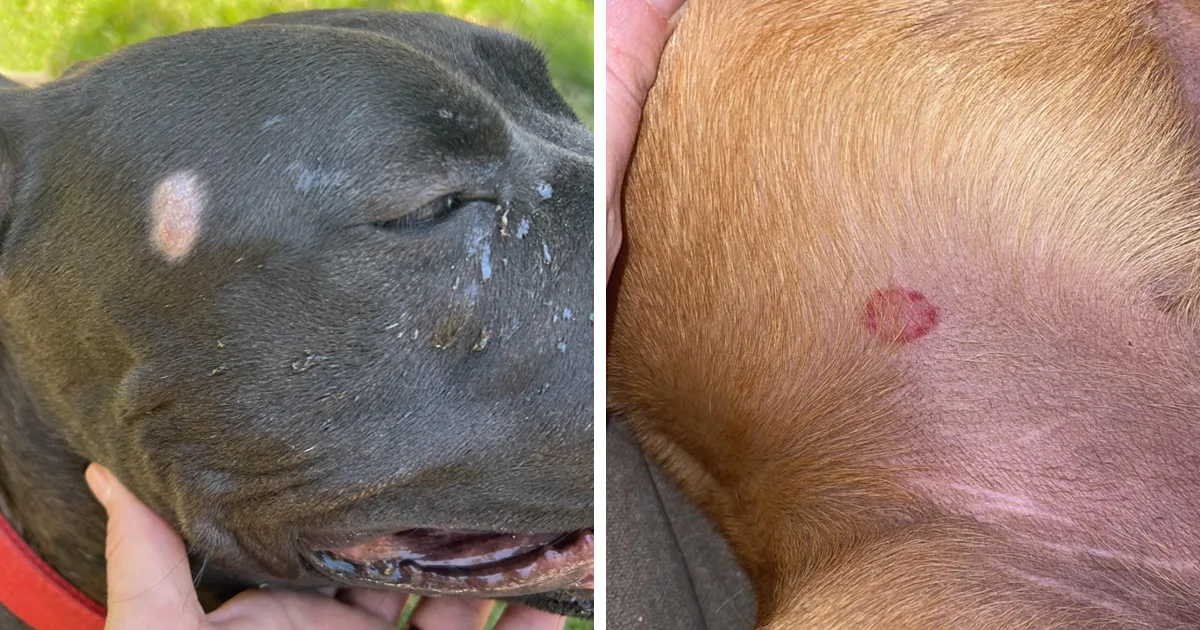
Image source: Bing (Web (fair-use with source credit))
Still unsure? A vet can confirm with a skin scraping, fungal culture, or Wood’s lamp test. As of 2026, fungal cultures remain the gold standard for diagnosing ringworm, as some strains don’t fluoresce under UV light.
What Causes Each Condition (And How to Prevent Them)
Hot spots usually start with an underlying issue. Flea bites, allergies, poor grooming, or even boredom can lead to excessive licking or scratching. Once the skin breaks, bacteria like Staphylococcus move in, creating a hot spot within hours.
Thick-coated breeds (Golden Retrievers, Labradors) are especially prone in hot, humid weather.
Ringworm spreads through direct contact with infected animals, contaminated objects (brushes, bedding), or even soil. Shelters, kennels, and multi-pet households are high-risk zones. Puppies, elderly dogs, and those with weakened immune systems are most vulnerable.
Prevention starts with good hygiene. Regular grooming, flea control, and keeping your dog dry after swims or baths can stop hot spots. For ringworm, disinfect your pet’s environment with bleach (1:10 dilution) and isolate new or infected pets until they’re cleared.
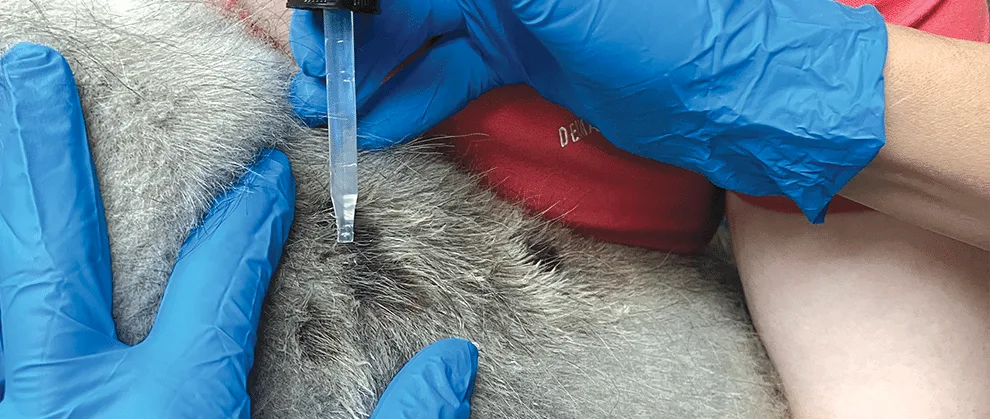
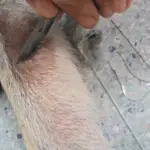
Image source: Bing (Web (fair-use with source credit))
Treatment: What Works for Hot Spots vs. Ringworm
Hot spots need immediate cleaning and antibiotics. Clip the fur around the sore, then gently wash it with chlorhexidine or a vet-approved antiseptic. Topical antibiotics like mupirocin or neomycin help, but severe cases may need oral meds like cephalexin.
Ringworm requires antifungals. Topical treatments include miconazole, clotrimazole, or lime sulfur dips. Oral options like itraconazole or terbinafine are often prescribed for widespread infections.
Always finish the full course, even if the skin looks better.
Never use steroids for ringworm. They can suppress the immune response and worsen the infection. For hot spots, address the root cause, fleas, allergies, or boredom, to prevent recurrence.
When to See a Vet Immediately
See a vet if the skin issue spreads rapidly or doesn’t improve in 24 hours. Hot spots can turn into deep infections if left untreated. Ringworm won’t clear on its own and can infect your whole household.
Other red flags include fever, lethargy, or signs of pain. If your dog has a weakened immune system, don’t wait, early intervention prevents complications.
For ringworm, a vet will likely perform a fungal culture. This confirms the diagnosis and ensures the right treatment. As of 2026, this remains the most reliable method.
FAQs About Dog Skin Infections
Can I treat a hot spot at home?
Yes, but only if it’s mild. Clean the area, apply an antiseptic, and use an e-collar to stop licking. If it worsens or doesn’t improve in a day, see a vet.
How long does ringworm take to clear?
With proper treatment, ringworm usually resolves in 4 to 6 weeks. However, fungal cultures may be needed to confirm it’s fully gone.
Is ringworm always circular?
Not always. Some cases appear as irregular patches. A Wood’s lamp test or fungal culture is the only sure way to diagnose it.
Can hot spots become chronic?
Yes, if the underlying cause isn’t addressed. Allergies, fleas, or anxiety can lead to repeated hot spots. Work with your vet to identify triggers.
Are some breeds more prone to these issues?
Thick-coated breeds like Golden Retrievers and Labradors are more susceptible to hot spots. Ringworm can affect any breed, but puppies and shelter dogs are at higher risk.

Similar Posts