Why Do Dogs Scoot on the Floor? Causes & Fixes
Founder & Veterinary Clinical Advisor at Pets Health Tips · DVM (Doctor of Veterinary Medicine), Member of the American Veterinary Medical Association (AVMA) · 14+ years in companion animal clinical triage, preventative nutrition, and geriatric pet therapy
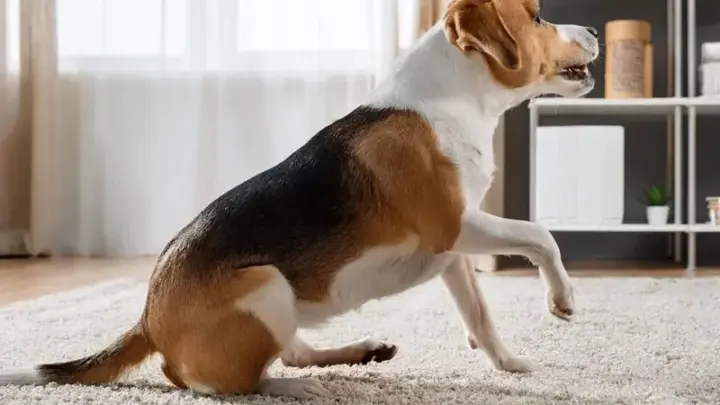
Seeing your dog scooting across the floor is more than just a weird habit, it’s usually their way of saying something’s wrong. The most common reasons for why dogs scoot on the floor range from anal gland issues to parasites, but some causes need quick attention.
Per the Companion Animal Parasite Council, up to 15% of dogs will deal with anal gland problems at some point, and parasites like tapeworms are even more common. Figuring out the cause starts with knowing what to look for.
why dogs scoot on the floor
Dogs scoot to relieve itching or discomfort around their rear. Common causes include full or infected anal glands. Parasites like tapeworms can also trigger this behavior.
Allergies or skin infections may lead to scooting as well. Less often, tumors or injuries are the culprit.
The 6 Most Common Causes of Scooting
Anal gland issues top the list. These small sacs near the anus can get clogged, infected, or abscessed, causing intense itching. Your dog drags their rear to try to empty them.
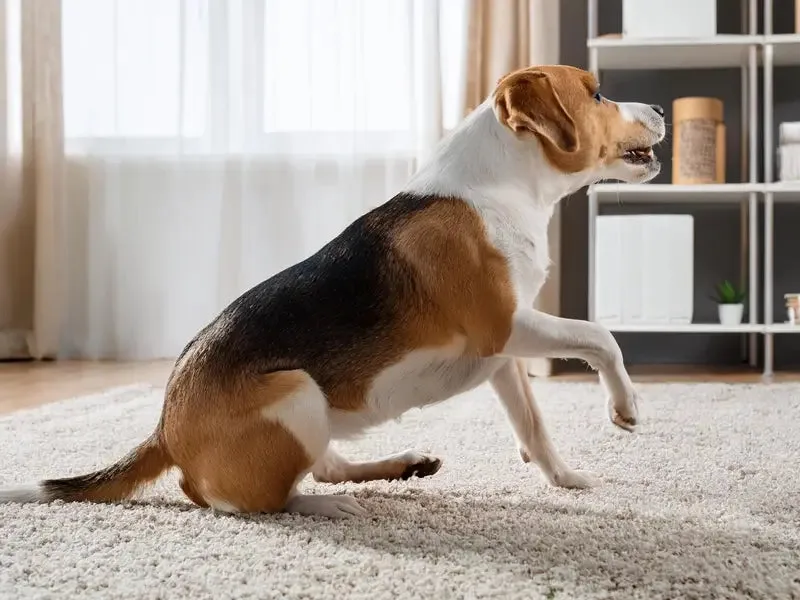
Image source: Bing (Web (fair-use with source credit))
Intestinal parasites are another big reason. Tapeworms, in particular, cause irritation around the anus. You might spot rice-like segments in their stool or bedding.
Roundworms and hookworms can also lead to scooting.
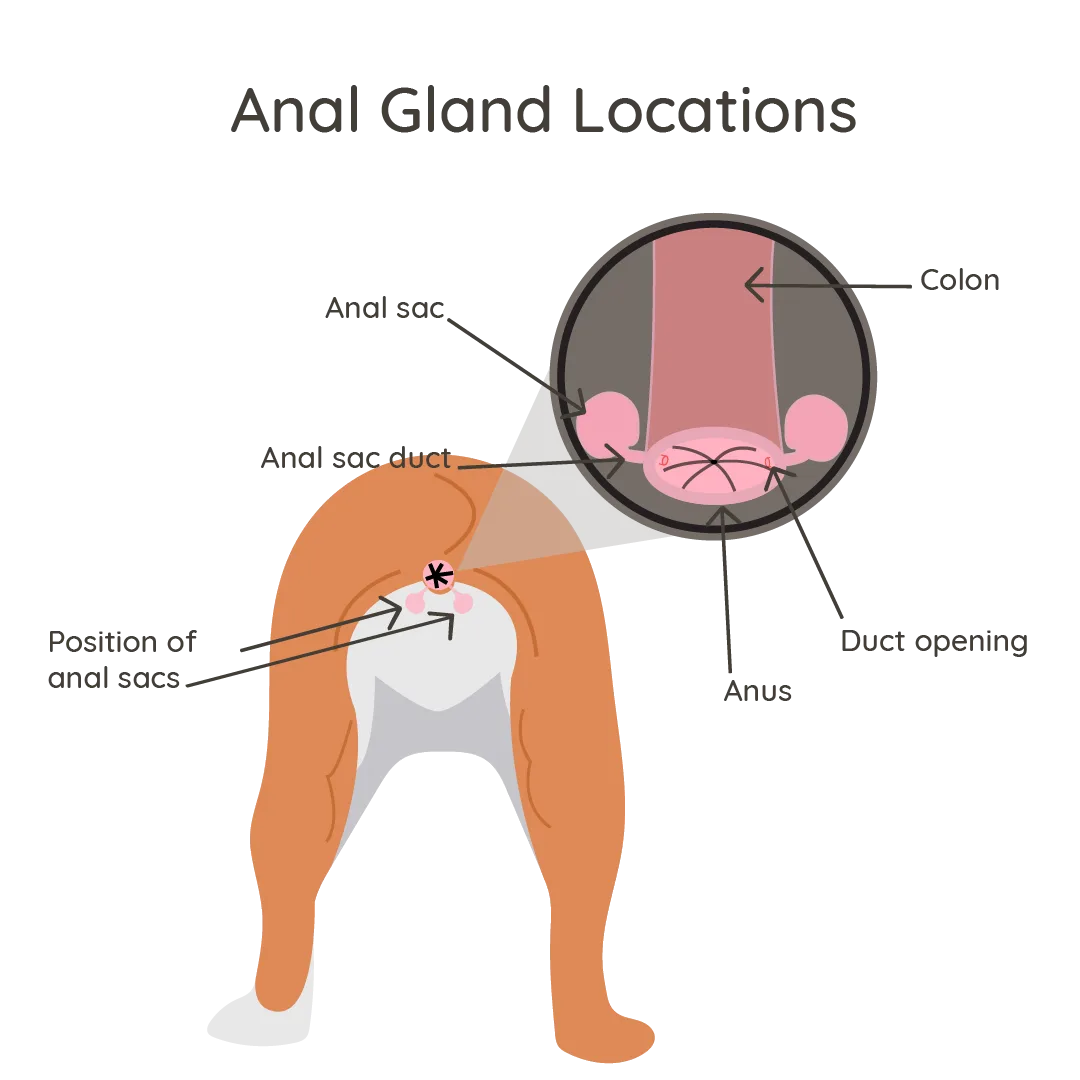
Image source: Bing (Web (fair-use with source credit))
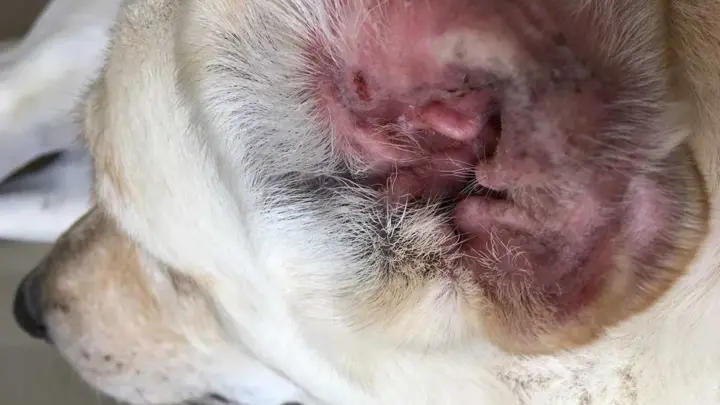
Allergies often fly under the radar. Food or environmental allergies can cause itchy skin, including around the rear. If your dog also licks their paws or has ear infections, allergies might be the issue.
Skin infections, whether bacterial or fungal, can make the area around the anus itchy and inflamed. Yeast infections are especially common in dogs with skin folds or moisture trapped in their fur.
Foreign objects, like grass seeds or debris, can get stuck in your dog’s fur or rectum. This can cause irritation and lead to scooting. Trauma or injury to the tail, anus, or lower spine can also cause discomfort.
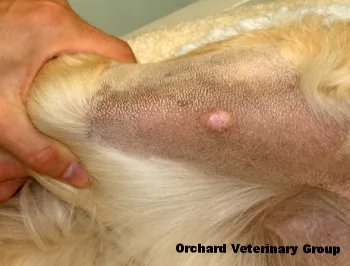
Less commonly, tumors or growths near the anus can cause scooting. Anal sac adenocarcinoma is a type of cancer that can affect these glands. Polyps or other growths can also lead to irritation.
How to Tell If It’s Serious or Just an Itch
Occasional scooting might just be an itch, but frequent or intense scooting usually signals a problem. If your dog scoots once and then stops, it’s likely nothing serious. But if they keep at it, it’s time to investigate.
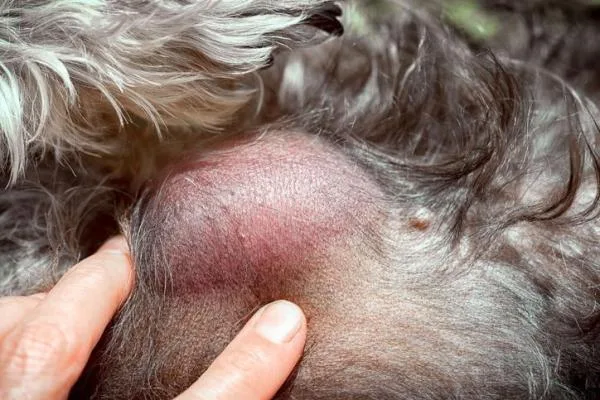
Look for red flags. Blood or pus near the anus, swelling, or a foul odor are all signs of infection or injury. If your dog seems lethargic, has a loss of appetite, or is straining to defecate, these could indicate a more serious issue.

Image source: Bing (Web (fair-use with source credit))
Check their stool. Parasites like tapeworms often leave visible segments in the stool or around the anus. These look like small, white rice grains.
Diarrhea or abnormal stool can also point to digestive issues.
Pay attention to other symptoms. Excessive licking or biting at the rear, scooting paired with vomiting, or changes in behavior can all indicate a more serious problem. If your dog has a history of allergies or skin issues, consider whether those might be flaring up.
When in doubt, err on the side of caution. Some causes of scooting, like tumors or severe infections, need prompt veterinary care. If you’re unsure, a quick call to your vet can help you decide whether to bring your dog in.
What to Do at Home (And What NOT to Do)
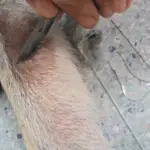
Start with a visual inspection. Lift your dog’s tail and check for redness, swelling, or discharge around the anus. Look for any signs of parasites or foreign objects in their fur or stool.
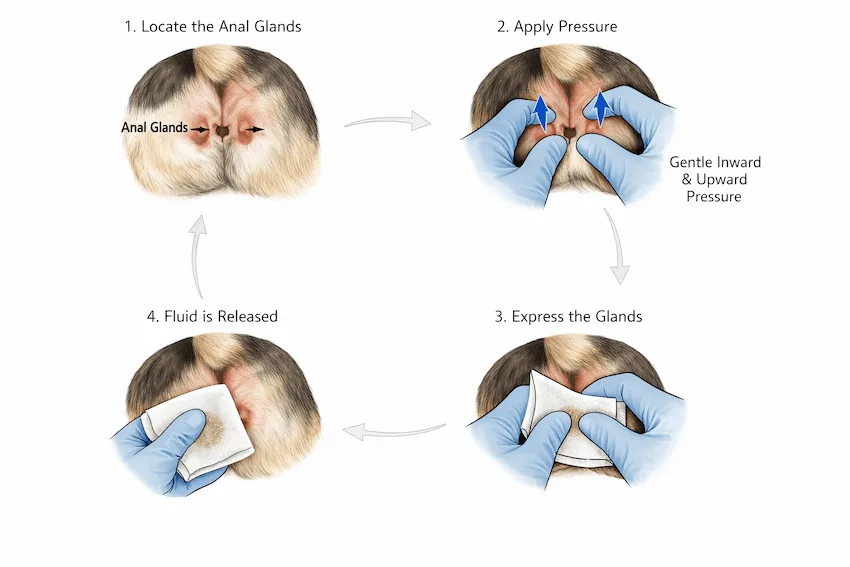
Image source: Bing (Web (fair-use with source credit))
Keep the area clean. Use a damp cloth to gently wipe your dog’s rear after they defecate. This can help remove any fecal matter or debris that might be causing irritation.
Regular grooming, including trimming the fur around the anus, can also help prevent issues.
Try a warm compress. If your dog’s anal glands seem full or slightly irritated, a warm compress can help soothe the area. Apply it for a few minutes, a couple of times a day.
This can also encourage the glands to empty naturally.
Avoid squeezing anal glands at home. While it might seem like a quick fix, doing this incorrectly can cause injury or infection. Leave this to a professional, like your vet or a groomer trained in anal gland expression.
Don’t use human medications. Over-the-counter creams or ointments meant for humans can be harmful to dogs. Stick to vet-approved treatments.
Also, avoid home remedies like essential oils, which can be toxic to pets.
Monitor their diet. If your dog’s scooting is due to digestive issues, a high-fiber diet might help. Fiber can bulk up their stool, which can help naturally express the anal glands.
Talk to your vet before making any major dietary changes.
When to See a Vet ASAP
Take your dog to the vet if scooting comes with blood, pus, or a foul smell. These are signs of infection or injury that need professional care. Swelling around the anus or a sudden change in behavior also warrants a visit.
If your dog strains to poop or seems in pain, it could indicate a blockage or prolapse. These are emergencies. Lethargy, vomiting, or loss of appetite alongside scooting may point to a systemic issue that needs immediate attention.
Persistent scooting, even without other symptoms, should be checked. If home care doesn’t resolve the issue within a day or two, a vet can diagnose the underlying cause. Some conditions, like tumors or chronic allergies, require long-term management.
Puppies and senior dogs need extra attention. Puppies are more prone to parasites, while older dogs may develop tumors or other age-related issues. When in doubt, a quick vet visit can rule out serious problems.
Preventing Scooting Long-Term
Regular anal gland checks can prevent impactions. Your vet or groomer can express the glands during routine visits. Some dogs need this done every few weeks, while others rarely have issues.
Keep up with parasite prevention. Monthly dewormers and flea control can stop tapeworms and other parasites before they cause scooting. The Companion Animal Parasite Council recommends year-round prevention for most dogs.
Feed a balanced diet. High-fiber foods can help maintain healthy digestion and stool consistency. If your dog has food allergies, work with your vet to find a suitable diet.
Avoid sudden dietary changes, which can upset their stomach.
Maintain good hygiene. Regular grooming, including trimming fur around the rear, can prevent debris buildup. Wipe your dog’s rear after they poop, especially if they have long fur or skin folds.
Watch for early signs. Catching issues like allergies or skin infections early can prevent scooting from becoming a chronic problem. If your dog starts licking or biting at their rear more than usual, take action before it escalates.
Frequently Asked Questions
Is scooting always a sign of worms?
No, scooting doesn’t always mean worms. While tapeworms are a common cause, anal gland issues, allergies, or infections can also trigger it. A fecal test is the only way to confirm parasites.
Can I express my dog’s anal glands at home?
It’s risky. If done incorrectly, you can cause injury or infection. Leave it to a vet or trained groomer unless you’ve been properly shown how.
Why does my dog scoot after pooping?
This often signals anal gland irritation. The glands may not have emptied properly during bowel movements. A vet can check if they need manual expression.
How can I tell if it’s allergies causing the scooting?
Look for other signs like excessive licking, red skin, or ear infections. Allergies often cause itching in multiple areas, not just the rear.
When should I worry about my dog’s scooting?
See a vet if you notice blood, swelling, or a foul odor. Also seek help if scooting is frequent, paired with vomiting, or if your dog seems in pain.

Similar Posts