Head Shaking: A Sign of Ear Problems?
Founder & Veterinary Clinical Advisor at Pets Health Tips · DVM (Doctor of Veterinary Medicine), Member of the American Veterinary Medical Association (AVMA) · 14+ years in companion animal clinical triage, preventative nutrition, and geriatric pet therapy
Shaking your head and suddenly feeling off-balance or dizzy can be unsettling. When head shaking means an ear problem, it’s often tied to issues in your inner ear, which controls balance. This isn’t just a random sensation, it’s your body’s way of signaling something might be wrong.
About 40% of people with dizziness have an inner ear disorder, per the Vestibular Disorders Association. If this sounds familiar, let’s break down what’s happening and when you should take it seriously.
when head shaking means an ear problem
It often signals an inner ear disorder. Common culprits include BPPV, labyrinthitis, or Ménière’s disease. Head movement can dislodge ear crystals or irritate inflamed nerves.
Sudden dizziness after shaking your head is a key sign.
Quick Answer: Is It Serious?
Not always, but it depends on the cause. BPPV is usually harmless and fixable with simple maneuvers. Labyrinthitis or vestibular neuritis may need medical treatment.
If dizziness comes with hearing loss or severe headache, seek help immediately.
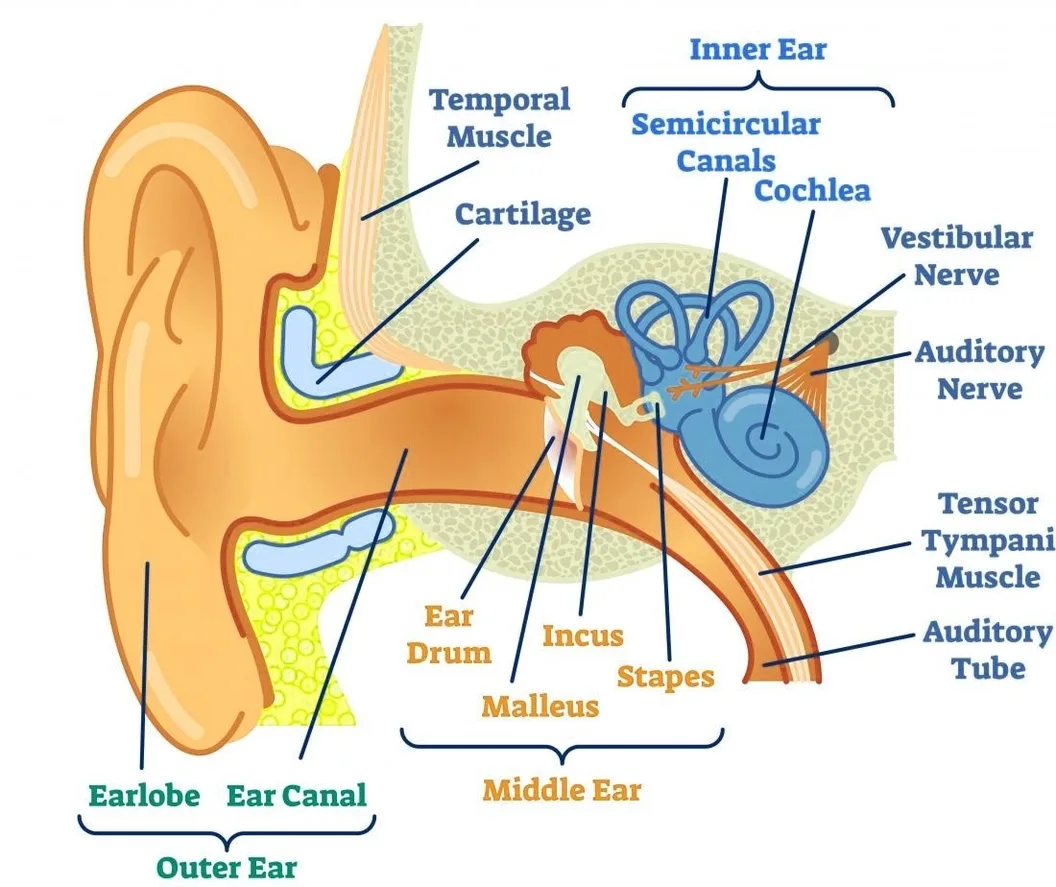
Image source: Bing (Web (fair-use with source credit))
How Head Movement Triggers Ear-Related Dizziness
Your inner ear has tiny structures filled with fluid and crystals that detect motion. When you shake your head, these structures send signals to your brain about position and balance. If something’s off, like displaced crystals in BPPV or inflammation in labyrinthitis, your brain gets confused, leading to dizziness or vertigo.
This reaction is your vestibular system’s way of recalibrating. But if the system is damaged or irritated, even small movements can trigger a strong response.
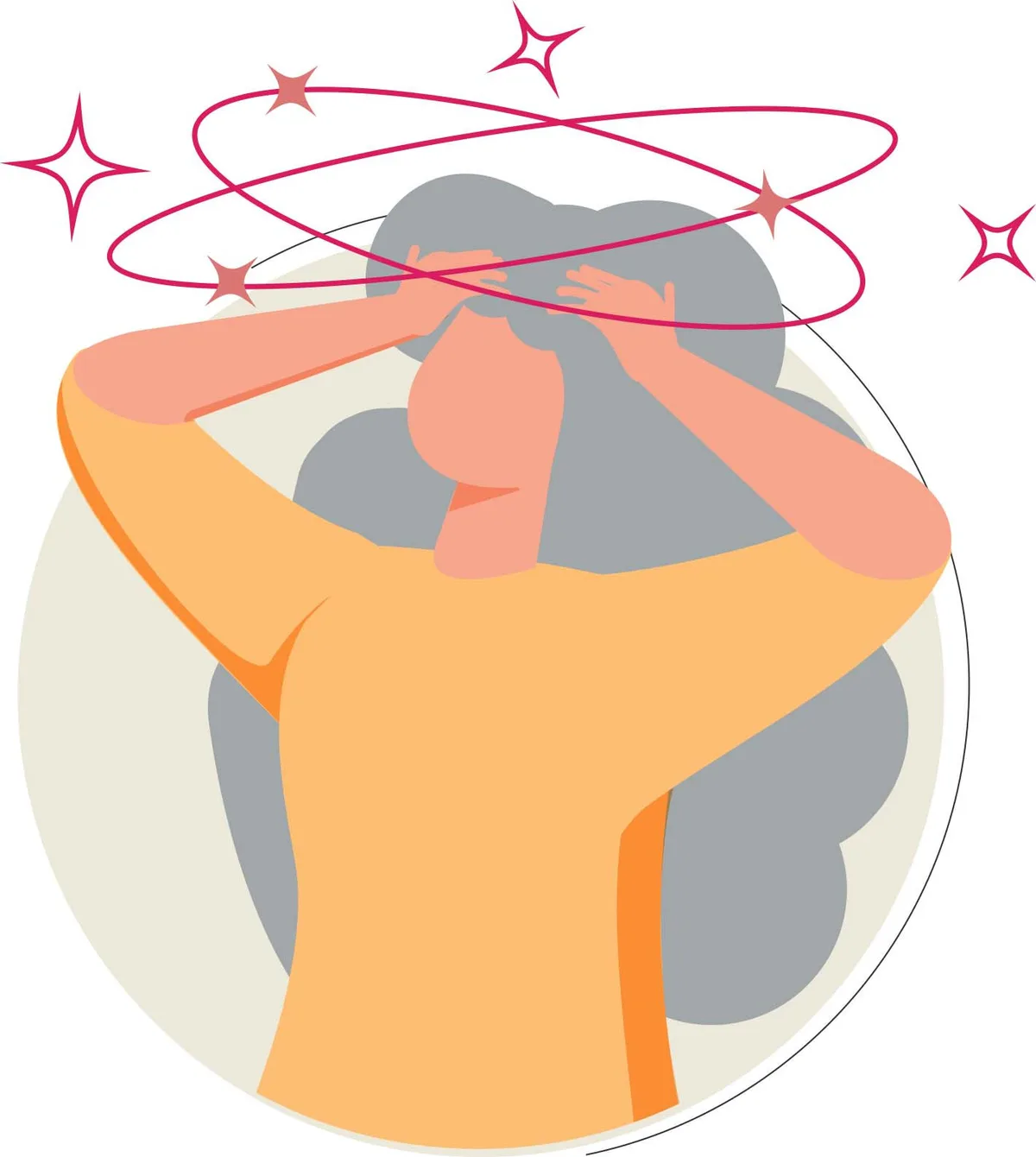
Image source: Bing (Web (fair-use with source credit))
The 5 Most Common Ear Problems Linked to Head Shaking
Benign Paroxysmal Positional Vertigo (BPPV)
Triggered by rapid head movements. Caused by tiny calcium crystals shifting in your inner ear. Episodes last seconds but can be intense.
Labyrinthitis
Often follows a viral infection. Causes inflammation in the inner ear, leading to vertigo and possible hearing loss. Symptoms can last days or weeks.
Vestibular Neuritis
Similar to labyrinthitis but without hearing loss. Inflammation affects the vestibular nerve, disrupting balance signals. Recovery can take weeks to months.
Ménière’s Disease
Involves fluid buildup in the inner ear. Leads to vertigo, hearing loss, tinnitus, and a feeling of fullness. Episodes can last hours and recur over time.
Earwax Buildup (Cerumen Impaction)
Excess wax can press against the eardrum or block the ear canal. May cause dizziness, especially with head movement. Often resolved with professional cleaning.
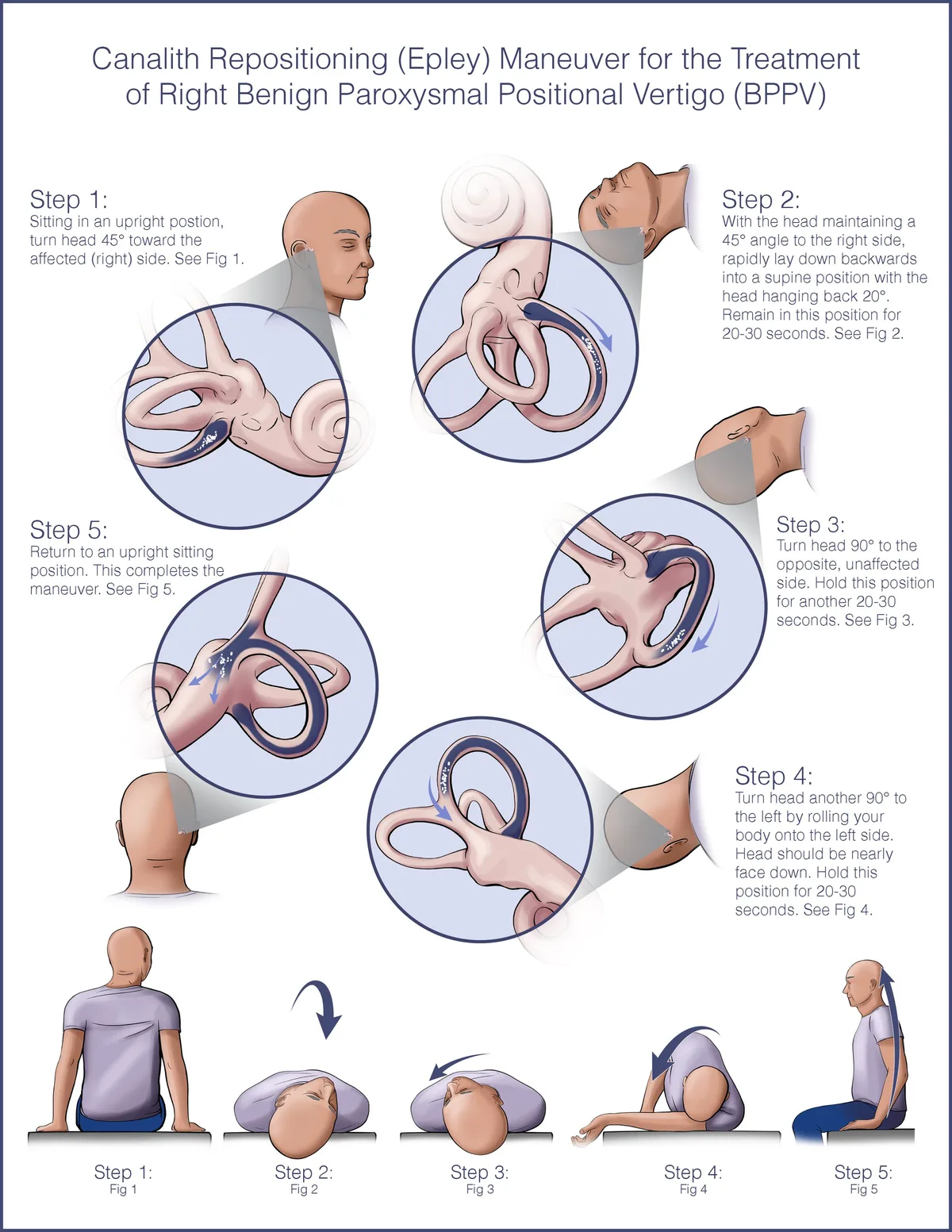
Image source: Bing (Web (fair-use with source credit))
How to Tell If It’s BPPV, Ménière’s, or Something Else
BPPV is the most common cause of vertigo triggered by head movement. It’s brief, often lasts less than a minute, and doesn’t cause hearing loss. The Epley maneuver, a simple head repositioning exercise, can often resolve it.
Ménière’s disease involves longer episodes, often with hearing loss, tinnitus, and a feeling of fullness in the ear. It’s less directly tied to head movement but can be triggered by stress or dietary factors like high salt intake.
Labyrinthitis and vestibular neuritis usually follow a viral illness. They cause persistent dizziness, nausea, and imbalance. Labyrinthitis affects hearing, while vestibular neuritis does not.
If your dizziness comes with a severe headache, slurred speech, or weakness, it could signal a more serious issue like a stroke. Seek emergency care immediately. For less severe cases, tracking your symptoms and triggers can help identify the cause.
When to See a Doctor (And When to Go to the ER)
Go to the ER if dizziness comes with sudden severe headache, slurred speech, or weakness on one side. These could signal a stroke or other neurological emergency. Don’t wait to see if it improves.
Schedule a doctor visit if vertigo lasts longer than 24 hours or keeps returning. Persistent hearing loss, tinnitus, or imbalance also warrant professional evaluation. Early diagnosis can prevent complications.
If you have a history of ear infections or recent illness, mention this to your doctor. It helps narrow down possible causes like labyrinthitis or vestibular neuritis.
What You Can Do at Home to Test and Ease Symptoms
Try the Dix-Hallpike test to check for BPPV. Sit on a bed, turn your head 45 degrees, then lie back quickly with your head hanging slightly off the edge. If you feel dizzy and your eyes twitch, BPPV is likely.
For BPPV, the Epley maneuver can help reposition the crystals. Sit upright, turn your head 45 degrees toward the affected ear, then lie down with your head tilted back. Hold for 30 seconds, then turn your head 90 degrees to the other side.
Repeat a few times.
Avoid sudden head movements if you’re prone to dizziness. Sleep with your head slightly elevated to reduce fluid buildup. Stay hydrated and limit salt if Ménière’s disease is suspected.
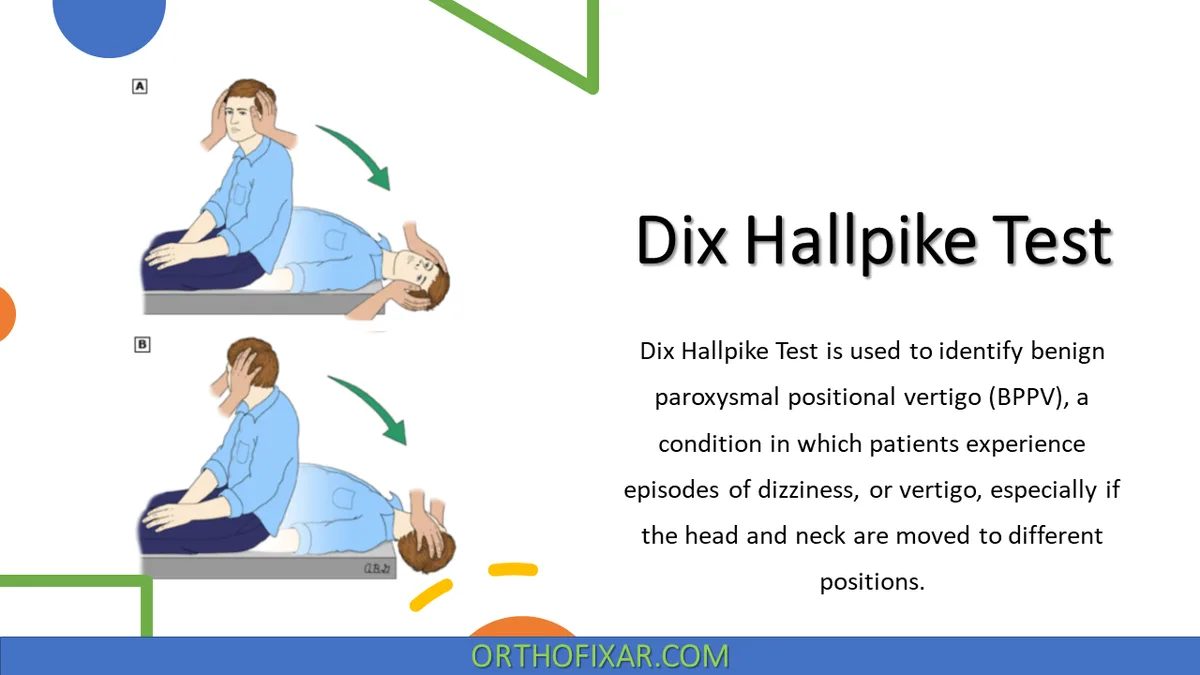
Image source: Bing (Web (fair-use with source credit))
Frequently Asked Questions
Can earwax cause dizziness when I shake my head?
Yes, excessive earwax can press against the eardrum or block the ear canal. This may trigger dizziness, especially with head movement. A doctor can safely remove the buildup.
How do I know if my dizziness is from my ear or something else?
Ear-related dizziness often comes with hearing changes, tinnitus, or a feeling of fullness. If dizziness occurs without these, it could be a neurological or cardiovascular issue. A doctor can help determine the cause.
Is BPPV permanent?
No, BPPV can often be resolved with repositioning maneuvers like the Epley maneuver. However, it can recur. Physical therapy may help prevent future episodes.
Can stress trigger ear-related dizziness?
Yes, stress can worsen symptoms of Ménière’s disease and vestibular migraines. Managing stress through relaxation techniques may reduce flare-ups.
When should I worry about head shaking and dizziness?
Seek emergency care if dizziness comes with severe headache, slurred speech, or weakness. See a doctor if symptoms persist or interfere with daily life.

Similar Posts