Dog Seasonal Allergy Symptoms to Watch For
Founder & Veterinary Clinical Advisor at Pets Health Tips · DVM (Doctor of Veterinary Medicine), Member of the American Veterinary Medical Association (AVMA) · 14+ years in companion animal clinical triage, preventative nutrition, and geriatric pet therapy
If your dog is constantly scratching, licking, or rubbing their face, seasonal allergies in dogs symptoms might be the culprit. These reactions are often triggered by pollen, mold, or dust mites, and they can make life miserable for your pet. About 10-20% of dogs suffer from allergies, with seasonal flare-ups being one of the most common types.
Seasonal allergies in dogs, also known as atopic dermatitis, typically spike during spring, summer, and fall when pollens are at their peak. Left untreated, they can lead to secondary infections, so recognizing the signs early is key.
seasonal allergies in dogs symptoms
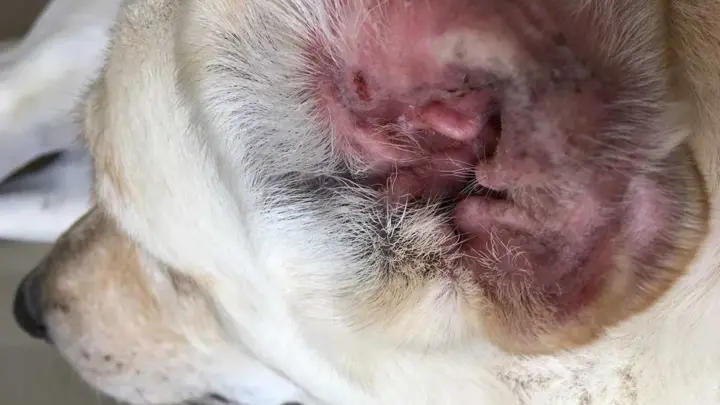
Seasonal allergies in dogs cause itchy skin, redness, and excessive scratching. Common signs include watery eyes, sneezing, and recurrent ear infections. Paws, belly, and ears are often the most affected areas.
Some dogs may also develop hot spots or hair loss.
The 9 Most Common Symptoms of Seasonal Allergies in Dogs
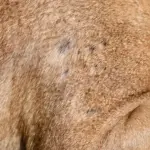
The first sign is usually relentless itching, often focused on the paws, ears, or belly. Your dog might chew at their feet or rub their face against furniture to relieve the irritation.
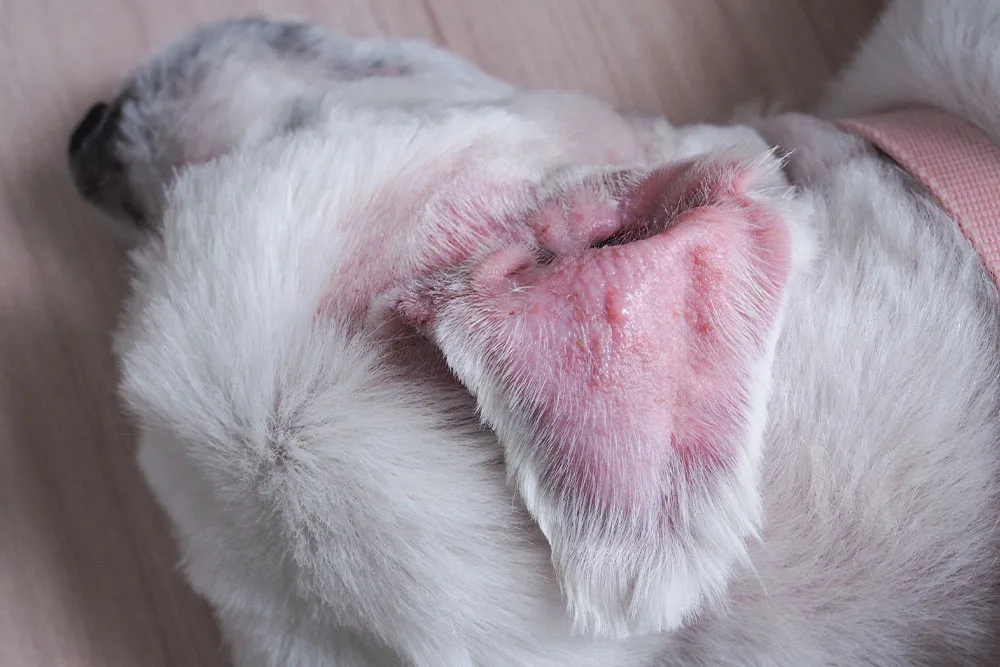
Image source: Bing (Web (fair-use with source credit))
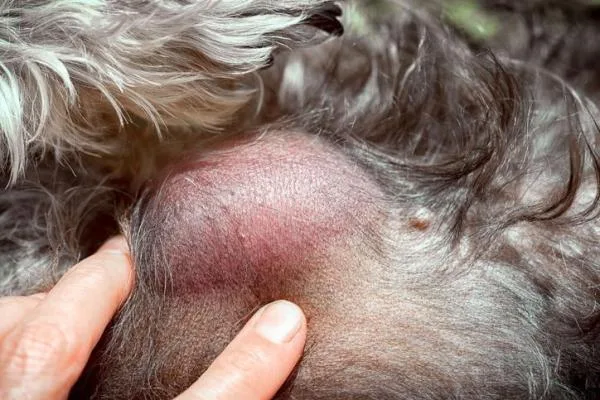
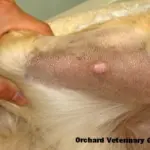
Red, inflamed skin is another telltale symptom, especially in areas with less fur like the armpits or groin. This can progress to hot spots, moist, painful sores caused by constant scratching or licking.
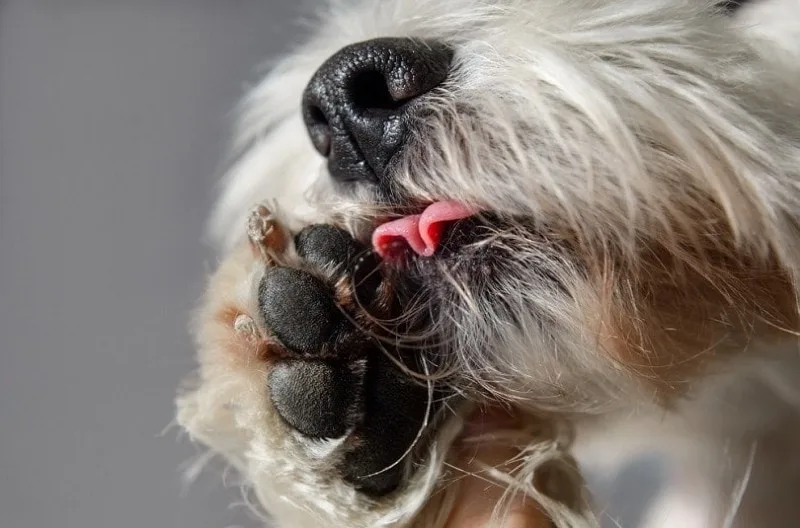
Image source: Bing (Web (fair-use with source credit))
Other symptoms include:
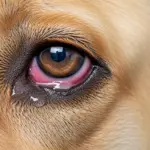
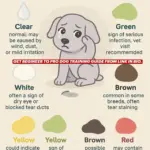
- Watery, red eyes or nasal discharge
- Frequent sneezing or reverse sneezing (snorting sounds)
- Recurrent ear infections, often with a foul odor or discharge
- Hair loss in patches from excessive scratching
- Scabs or crusty skin from self-inflicted wounds
- Secondary infections (bacterial or yeast) due to broken skin
If your dog shows multiple signs, it’s likely more than just a minor irritation.
Why Some Dogs Get Seasonal Allergies (And Which Breeds Are at Risk)
Seasonal allergies occur when a dog’s immune system overreacts to environmental triggers like pollen, mold, or dust mites. These allergens are inhaled or absorbed through the skin, causing an inflammatory response.
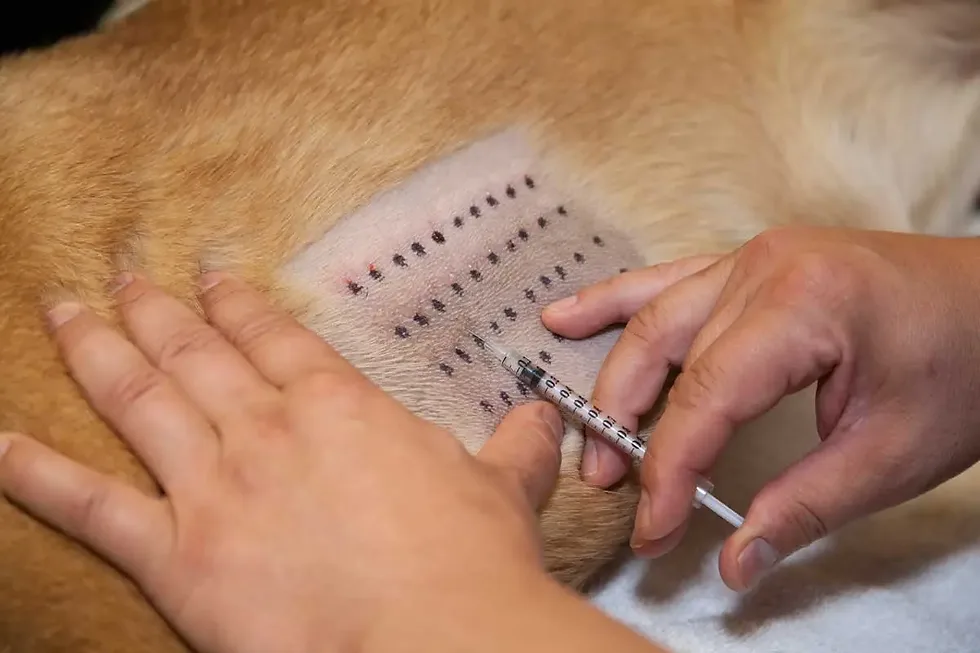
Image source: Bing (Web (fair-use with source credit))
Certain breeds are genetically predisposed to allergies. Bulldogs, Retrievers, Terriers, Poodles, and Setters are among the most commonly affected. While any dog can develop allergies, these breeds often show symptoms earlier in life, sometimes as young as 1-3 years old.
Environmental factors also play a role. Dogs in urban areas with higher pollution may experience worse symptoms. Similarly, regions with high pollen counts, like the Southeast US or parts of the UK, see more cases during peak seasons.
Seasonal Allergies vs. Other Dog Skin Problems: How to Tell the Difference
Seasonal allergies often mimic other skin conditions, making diagnosis tricky. Unlike flea allergy dermatitis, which causes intense itching at the base of the tail, seasonal allergies typically affect the paws, ears, and belly.
Food allergies can also cause itching, but they’re usually year-round and often come with digestive issues like vomiting or diarrhea. Seasonal allergies, on the other hand, flare up during specific times of the year.
Mange, caused by mites, leads to severe itching and hair loss but is accompanied by crusty, scaly skin. A vet can perform a skin scrape to rule this out.
Contact dermatitis, from irritants like cleaning products or certain plants, causes localized redness and itching. Unlike seasonal allergies, it’s tied to direct exposure rather than airborne allergens.
If symptoms persist despite flea prevention and diet changes, seasonal allergies are likely the cause.
Safe and Effective Treatments (From Home Care to Vet Prescriptions)
The first step is reducing your dog’s exposure to allergens. Wipe their paws and coat with a damp cloth after walks, especially during high-pollen seasons. Regular baths with a hypoallergenic shampoo can also remove allergens from their skin.
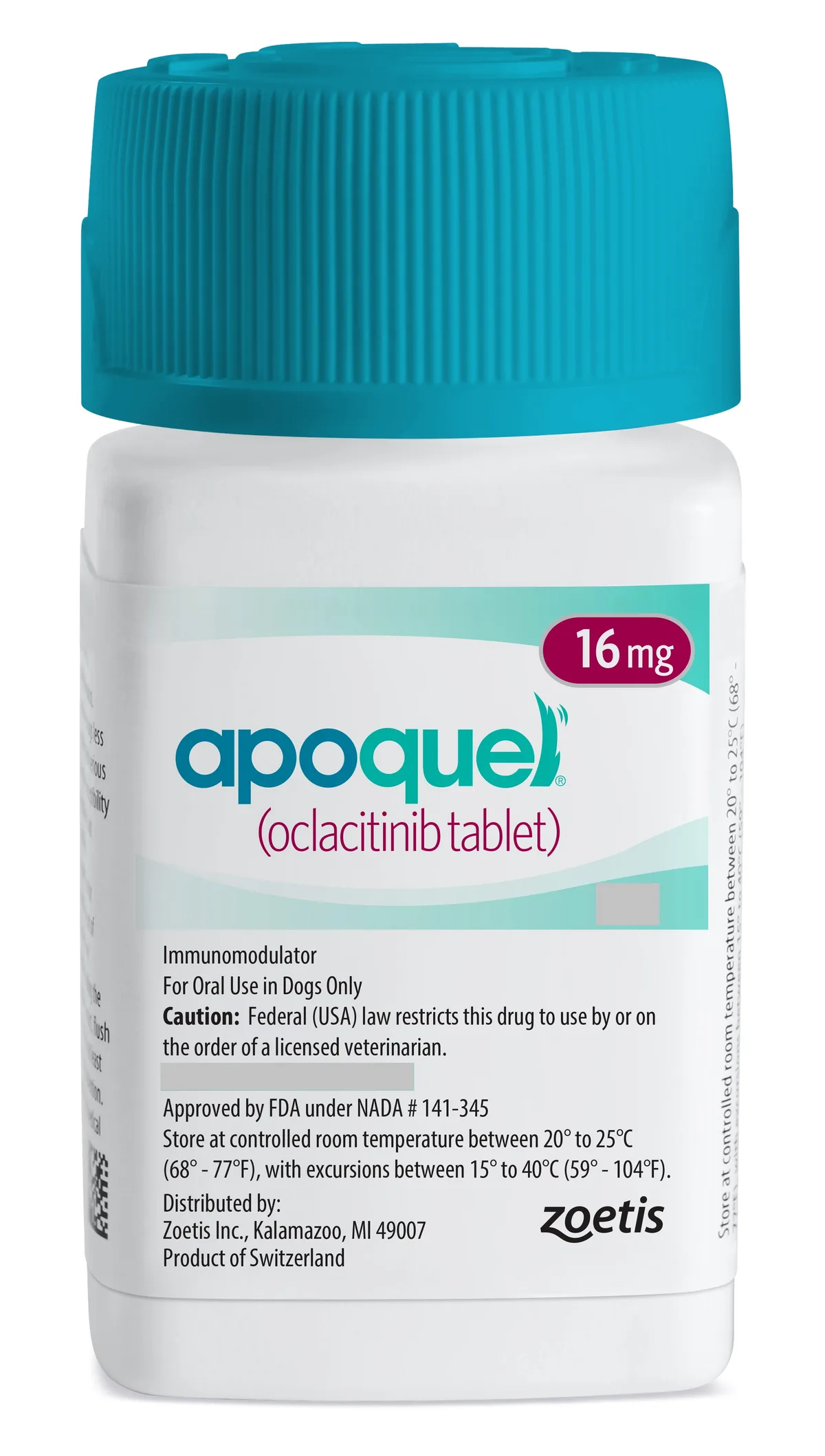
Image source: Bing (Web (fair-use with source credit))
For mild symptoms, over-the-counter antihistamines like cetirizine or loratadine can help, but always check with your vet for the correct dosage. Omega-3 fatty acid supplements may also reduce inflammation and support skin health.
For more severe cases, vets often prescribe:
- Corticosteroids (e.g., prednisone) for quick relief from itching and inflammation
- Apoquel (oclacitinib) to target itch at its source within hours
- Cytopoint, an injectable treatment that blocks itch signals for 4-8 weeks
- Allergy shots (immunotherapy) for long-term management by gradually desensitizing the immune system
Never use human medications without veterinary approval, as some can be toxic to dogs. According to the American Veterinary Medical Association, improper dosing or wrong medications can lead to serious health risks.
When to See a Vet Immediately (Red Flags You Shouldn’t Ignore)
Take your dog to the vet if the itching becomes uncontrollable or they develop open sores. These are signs of secondary infections that need professional care.
Watch for thick, yellow, or bloody discharge from the ears, as this often indicates a severe infection. If your dog is shaking their head constantly or seems in pain, it’s time for a vet visit.
Other red flags include:
- Loss of appetite or lethargy
- Swollen face or paws
- Difficulty breathing (rare but serious allergic reaction)
The American College of Veterinary Dermatology notes that untreated allergies can lead to chronic skin damage and systemic issues. Don’t wait for symptoms to worsen.
Long-Term Management: Keeping Allergies Under Control Year-Round
Start by identifying your dog’s specific triggers through allergy testing. A vet can perform intradermal or blood tests to pinpoint the exact allergens.
Once you know the triggers, minimize exposure. Keep windows closed during high-pollen days and use air purifiers indoors. Bathe your dog weekly with a hypoallergenic shampoo to remove allergens from their coat.
Consider immunotherapy if your dog’s allergies are severe. This treatment involves regular injections of small amounts of the allergen to build tolerance over time. It can take 6 to 12 months to see improvement but offers long-term relief.
Maintain a consistent flea prevention routine, as flea bites can worsen allergic reactions. Also, feed a high-quality diet rich in omega-3 fatty acids to support skin health.
Frequently Asked Questions
Can seasonal allergies in dogs be cured?
There’s no outright cure, but symptoms can be managed effectively. Immunotherapy is the closest to a long-term solution, reducing sensitivity to allergens over time.
How long do seasonal allergies last in dogs?
Symptoms typically last as long as the allergen is present. In most cases, this means a few weeks to a few months, depending on the pollen or mold season.
Are certain dog breeds more prone to seasonal allergies?
Yes. Breeds like Bulldogs, Retrievers, Terriers, Poodles, and Setters are genetically predisposed. These dogs often show symptoms earlier in life.
Can I give my dog human antihistamines?
Some human antihistamines are safe for dogs, but always consult your vet first. Dosages vary by weight, and some ingredients can be toxic.
What’s the difference between seasonal allergies and food allergies?
Seasonal allergies are triggered by environmental factors like pollen and cause skin and respiratory symptoms. Food allergies are year-round and often involve digestive issues like vomiting or diarrhea.

Similar Posts