Why Does My Dog Scoot After Pooping?
Founder & Veterinary Clinical Advisor at Pets Health Tips · DVM (Doctor of Veterinary Medicine), Member of the American Veterinary Medical Association (AVMA) · 14+ years in companion animal clinical triage, preventative nutrition, and geriatric pet therapy
Dog scooting after pooping is usually a sign your dog is trying to relieve discomfort around their anus. It’s not just a weird habit, it often points to anal gland issues, parasites, or skin irritation.
About 12% of dogs develop anal gland problems at some point, per veterinary studies. Left unchecked, what starts as a minor annoyance can turn into an infection or abscess.
dog scooting after pooping
It means your dog is dragging their rear on the floor. Common causes include full anal glands, worms, or allergies. Persistent scooting warrants a vet visit.
Never ignore blood or pus near the anus.
The 5 Most Common Causes of Dog Scooting
Anal gland impaction or infection tops the list. These small sacs near the anus fill with fluid and can clog, leading to discomfort. Dogs scoot to try to empty them.
Intestinal parasites like tapeworms are another culprit. You might spot rice-like segments in their stool or fur. Roundworms and hookworms can also cause irritation.
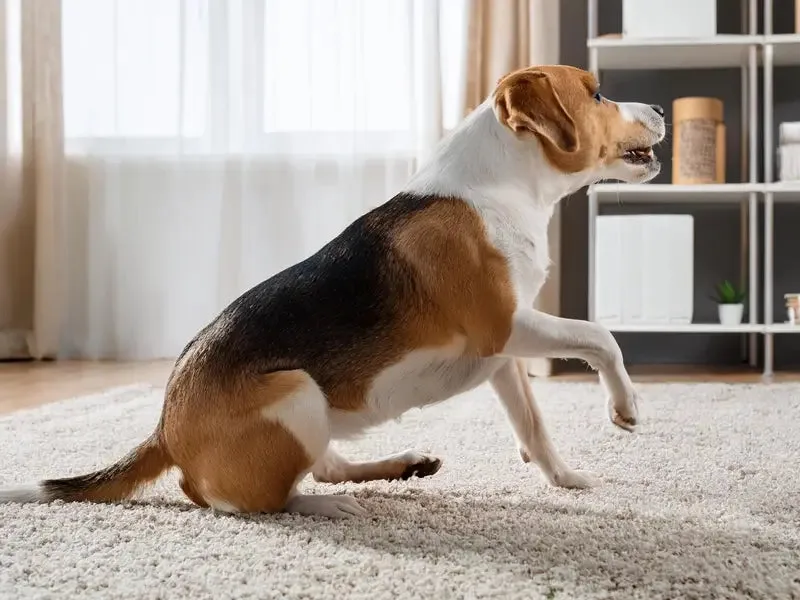
Image source: Bing (Web (fair-use with source credit))
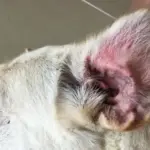
Allergies can trigger itching around the rear. Food allergies or environmental irritants like pollen may be to blame. Skin infections from yeast or bacteria can also lead to scooting.
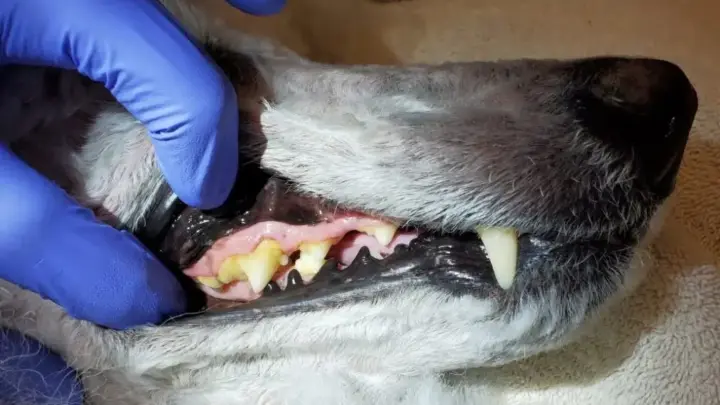
Poor diet or low fiber intake often plays a role. Soft stools don’t put enough pressure on the anal glands to empty them naturally. Obesity can worsen the issue by adding pressure.
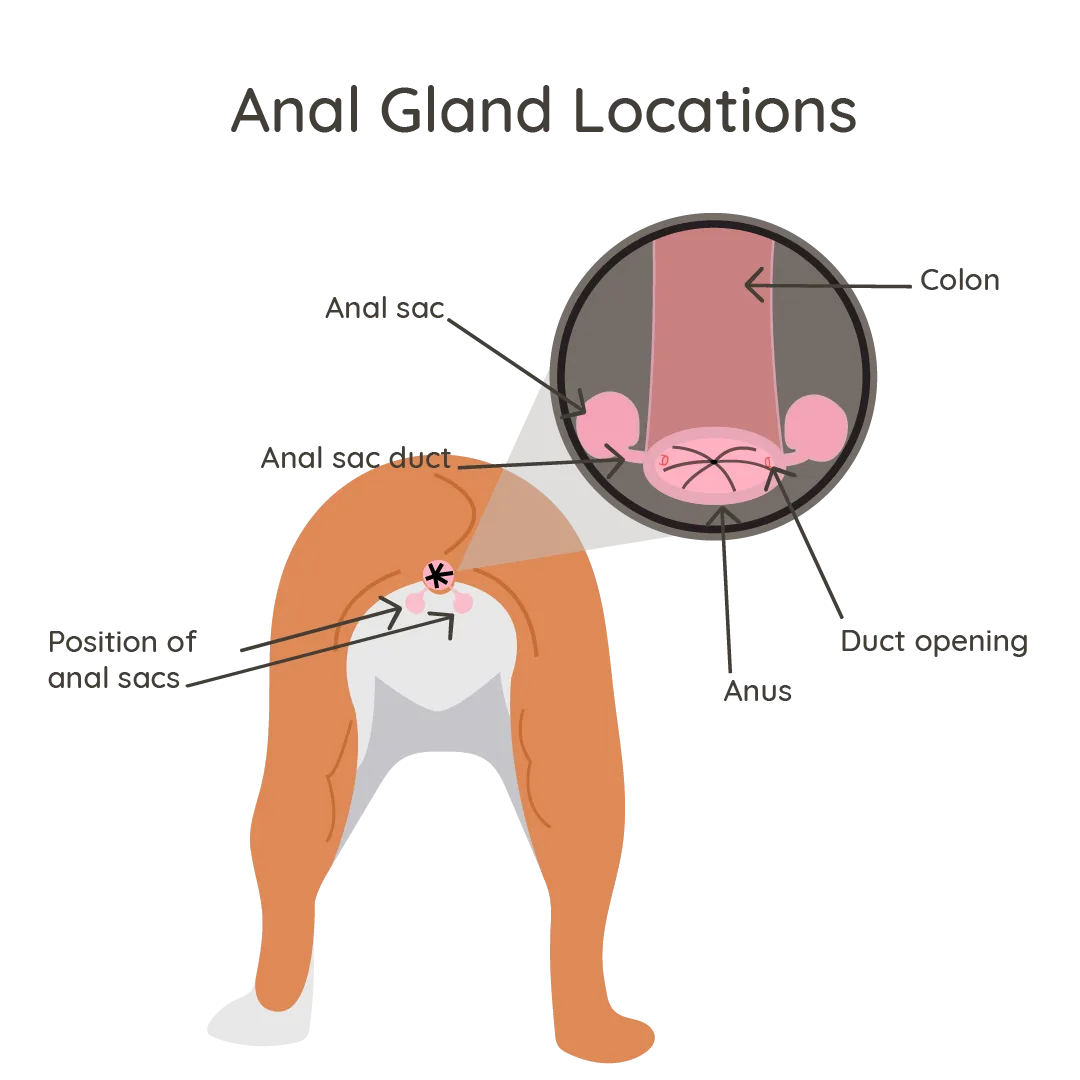
Image source: Bing (Web (fair-use with source credit))
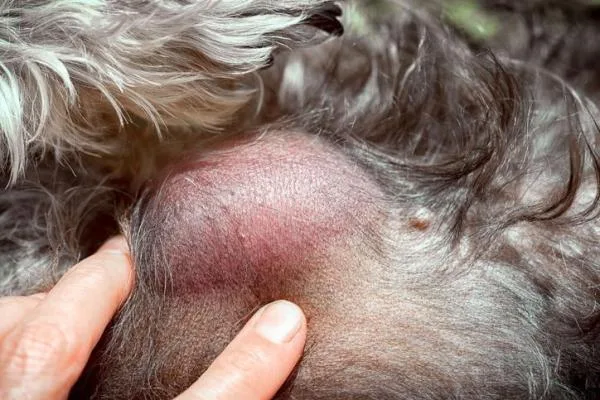
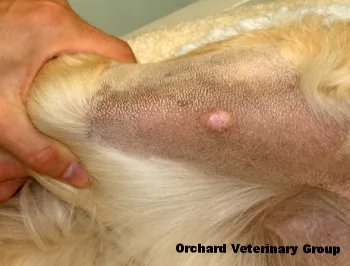
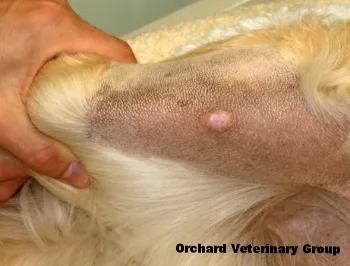
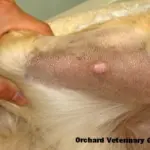
Perianal fistulas or tumors are less common but serious. These are painful sores or growths near the anus. They require immediate veterinary attention.
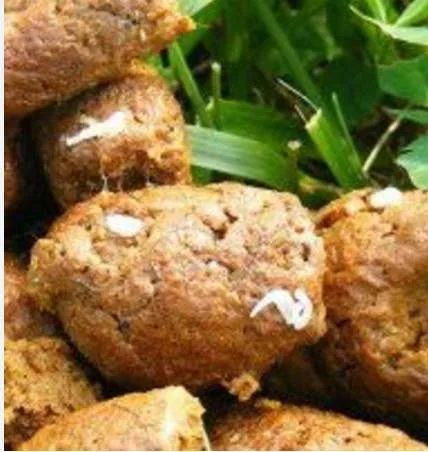
Image source: Bing (Web (fair-use with source credit))
How to Tell If It’s Serious or Just a Passing Issue
Check for redness, swelling, or discharge near the anus. These are red flags that need a vet’s attention. Blood in the stool or on the floor is another urgent sign.
If your dog scoots once or twice but otherwise acts normal, it might be a minor irritation. Monitor them for 24 hours. Persistent scooting, especially with other symptoms, means it’s time to call the vet.
Watch for changes in appetite or energy levels. Lethargy or reluctance to sit can signal pain. A foul odor from the rear is a clear sign of infection.
What to Do Right Now (Step-by-Step)
Start by inspecting your dog’s rear end. Look for signs of irritation, swelling, or discharge. Use a flashlight if needed, but avoid touching the area unless you’re experienced.
Check their stool for worms or unusual consistency. Tapeworm segments look like small rice grains. Loose stools or diarrhea can indicate dietary issues.
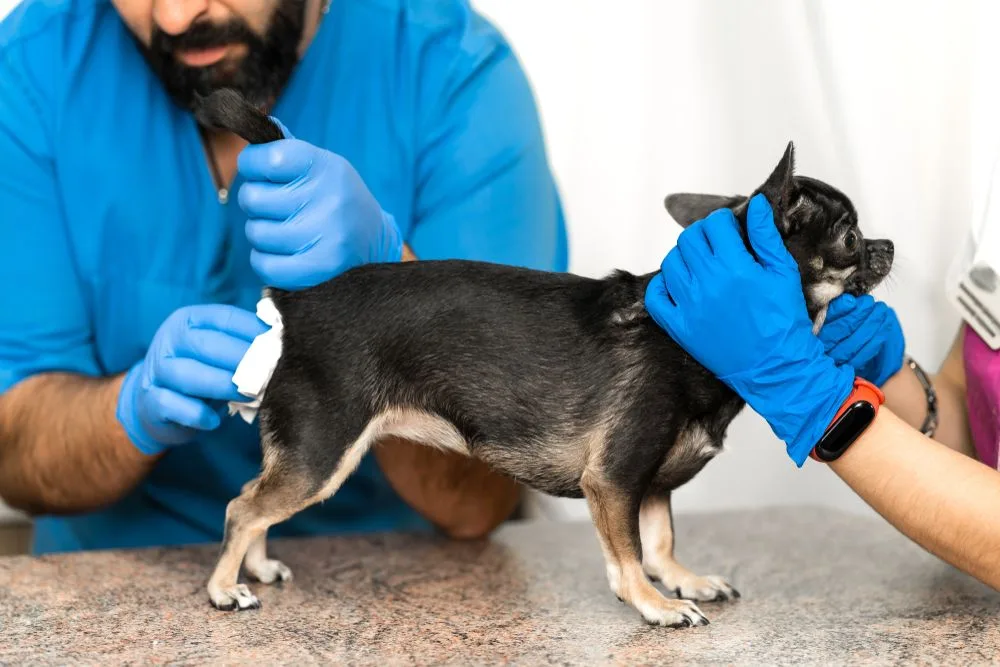
Image source: Bing (Web (fair-use with source credit))
Add fiber to their diet if their stools are soft. Plain canned pumpkin or a vet-approved fiber supplement can help. Ensure they’re drinking enough water to prevent constipation.
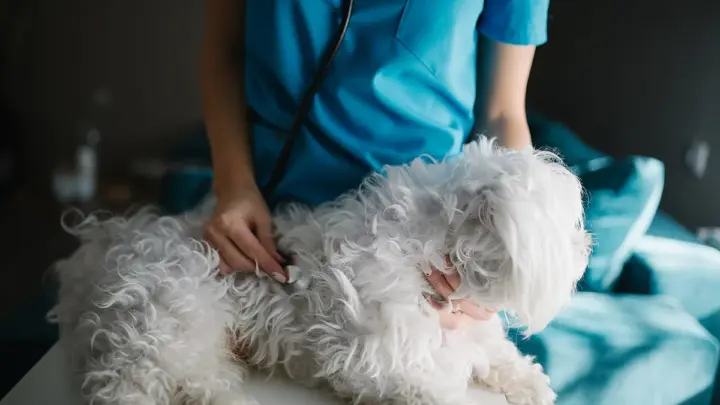
If scooting continues for more than a day, schedule a vet visit. The vet may express the anal glands manually or prescribe medication. Never attempt to express the glands yourself, it can cause injury.
For immediate relief, keep the area clean and dry. Use a damp cloth to gently wipe their rear after they poop. Avoid harsh soaps or wipes with alcohol, as these can irritate the skin further.
When to Skip Home Fixes and See a Vet
See a vet immediately if you notice blood, pus, or a foul smell. These are signs of infection or abscess that need professional treatment. Antibiotics or even surgery may be required.
If your dog seems in pain, whines, or struggles to sit, don’t wait. Pain is a clear indicator that something is seriously wrong. Over-the-counter pain meds for humans are toxic to dogs, so avoid them.
Recurring scooting, even without other symptoms, warrants a check-up. Chronic issues often point to underlying problems like allergies or dietary imbalances. A vet can run tests to identify the root cause.
Small breeds like Chihuahuas, Poodles, and Beagles are prone to anal gland issues. If your dog falls into this category, be extra vigilant. As of 2026, vets report these breeds make up a disproportionate number of anal gland cases.
Puppies and senior dogs also need prompt attention. Their immune systems may not handle infections as well as adult dogs. Early intervention can prevent complications.
Preventing Scooting Long-Term: Diet, Hygiene, and Habits
A high-fiber diet is your first line of defense. Fiber adds bulk to stool, which helps naturally express the anal glands during bowel movements. Look for dog foods with at least 3-5% crude fiber.
Regular grooming keeps the rear clean and reduces irritation. Trim long hair around the anus to prevent fecal matter from sticking. Wipe their rear after pooping if they’re prone to messes.
Maintain a healthy weight for your dog. Extra pounds put pressure on the anal glands, making impactions more likely. Ask your vet for a weight management plan if needed.
Routine vet check-ups catch issues early. Annual or bi-annual exams allow your vet to monitor anal gland health. They can also recommend preventative measures tailored to your dog.
Exercise supports digestive health. Daily walks and playtime keep the digestive system moving smoothly. This reduces the risk of constipation, which can contribute to scooting.
Frequently Asked Questions
Why does my dog scoot only after pooping?
It’s usually a sign the anal glands didn’t empty properly during the bowel movement. The pressure from pooping can trigger the glands to release fluid, but if they’re clogged, your dog may scoot to try to finish the job.
Can I express my dog’s anal glands at home?
No, it’s risky without proper training. You could injure the glands or cause an infection. Leave this to a vet or professional groomer who knows the correct technique.
How often should anal glands be expressed?
Most dogs don’t need manual expression if their diet and health are good. Only dogs with chronic issues may require it every 4-6 weeks. Always follow your vet’s advice.
Are certain breeds more prone to scooting?
Yes, small breeds like Chihuahuas, Poodles, and Beagles are more susceptible. Their anal glands are smaller and more likely to clog. Overweight dogs of any breed are also at higher risk.
Can food allergies cause scooting?
Absolutely. Allergies can lead to itchy skin, including around the anus. If your dog has frequent ear infections or skin issues along with scooting, allergies might be the culprit.
When is scooting an emergency?
Seek immediate vet care if you see blood, pus, or severe swelling. These are signs of infection or abscess. Also, if your dog seems in pain or stops eating, it’s time for urgent attention.

Similar Posts