Why Does My Dog’s Breath Smell Like Fish?
Founder & Veterinary Clinical Advisor at Pets Health Tips · DVM (Doctor of Veterinary Medicine), Member of the American Veterinary Medical Association (AVMA) · 14+ years in companion animal clinical triage, preventative nutrition, and geriatric pet therapy
Your dog’s breath smells like fish, and it’s not just unpleasant, it’s a red flag. That odor often points to something more serious than just a dental issue, like kidney disease or a diet problem. Ignoring it can lead to bigger health troubles down the line.
Per the American Veterinary Medical Association, over 80% of dogs over 3 already have dental disease, which is a common culprit. But fishy breath can also signal organ issues, so it’s worth figuring out the cause fast.
dog breath smells like fish
It usually means dental disease or a systemic issue. Kidney failure often causes a fishy or ammonia-like smell. Liver problems or a fish-heavy diet can also trigger it.
A vet visit is the best way to pinpoint the cause.
Quick Answer: Is This an Emergency?
If your dog’s breath smells like fish and they’re acting normal, it’s likely dental disease or diet. But if they’re also drinking excessively, vomiting, or lethargic, it could be kidney or liver failure. That’s an emergency.
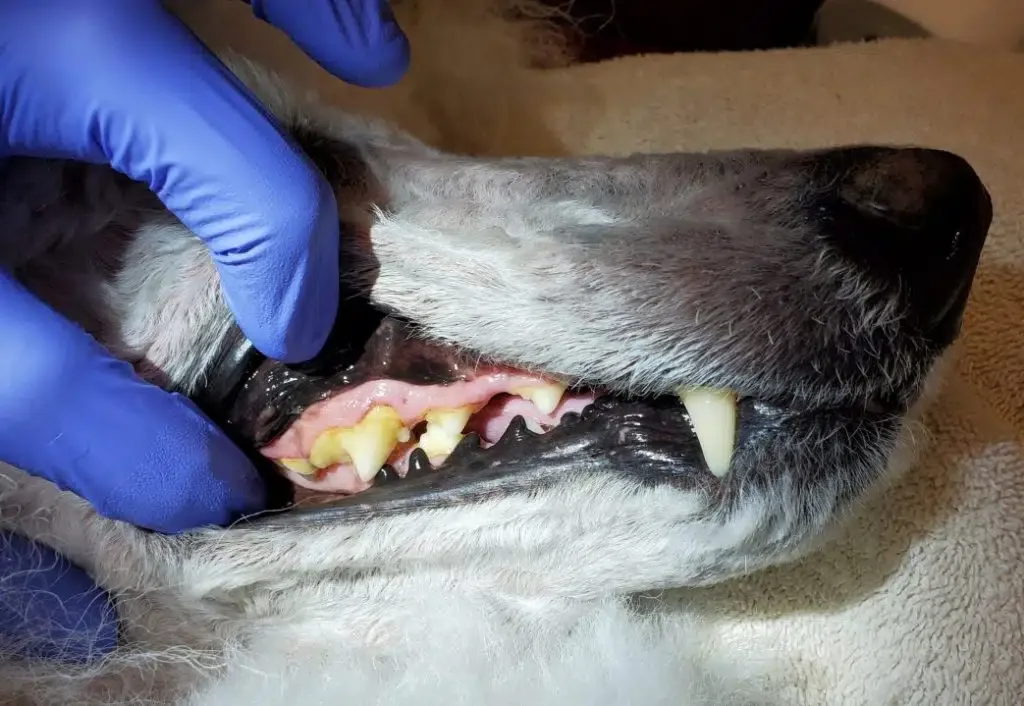
Image source: Bing (Web (fair-use with source credit))
These symptoms mean a vet visit today, not tomorrow. Even without other signs, persistent fishy breath warrants a checkup. Early treatment prevents organ damage or tooth loss.
The 4 Most Common Causes (And How to Tell Them Apart)
Dental disease is the top cause. Plaque and tartar buildup trap bacteria, leading to gum inflammation and that fishy odor. Small breeds are especially prone to it.
Kidney disease is another major culprit. When kidneys fail, toxins build up in the blood, causing a fishy or ammonia-like smell. Increased thirst and urination often accompany it.
Liver disease can also cause fishy breath. The liver filters toxins, and when it’s not working properly, those toxins can lead to bad breath. Look for yellow gums or a swollen belly.
Diet plays a role too. Fish-based diets or supplements can leave a lingering odor. Low-quality kibble with fish meal is a common offender.

Image source: Wikimedia Commons / Shixart1985 (CC BY)
If the smell is new and your dog’s diet hasn’t changed, it’s likely a health issue. If it’s been gradual and they’re on a fish-heavy diet, try switching their food first.
Step-by-Step: What to Do at Home vs. When to See a Vet
At home, start with a dental check. Lift your dog’s lips and look for red gums, brown tartar, or broken teeth. If you see any of these, it’s time for a vet visit.
Brush their teeth daily with dog-specific toothpaste. Human toothpaste is toxic to dogs. Use a soft-bristled brush or a finger brush designed for pets.
Add dental chews or water additives to their routine. Look for products with the Veterinary Oral Health Council (VOHC) seal. These can help reduce plaque and freshen breath.

Image source: Wikimedia Commons / U.S. Department of Agriculture
See a vet if the smell persists after a week of home care. Also, go immediately if your dog shows other symptoms like vomiting, diarrhea, or lethargy. These could signal a serious issue like kidney or liver disease.
A vet can perform a full oral exam and recommend professional cleaning if needed. They may also run blood tests to check for underlying conditions.
Costs, Treatments, and What to Expect at the Vet
A professional dental cleaning typically costs between $200 and $600. This includes anesthesia, scaling, and polishing. If extractions are needed, the cost can go up.
Blood tests to check kidney and liver function usually run $100 to $300. These are crucial if your vet suspects a systemic issue. Early detection can save you money and your dog’s health in the long run.
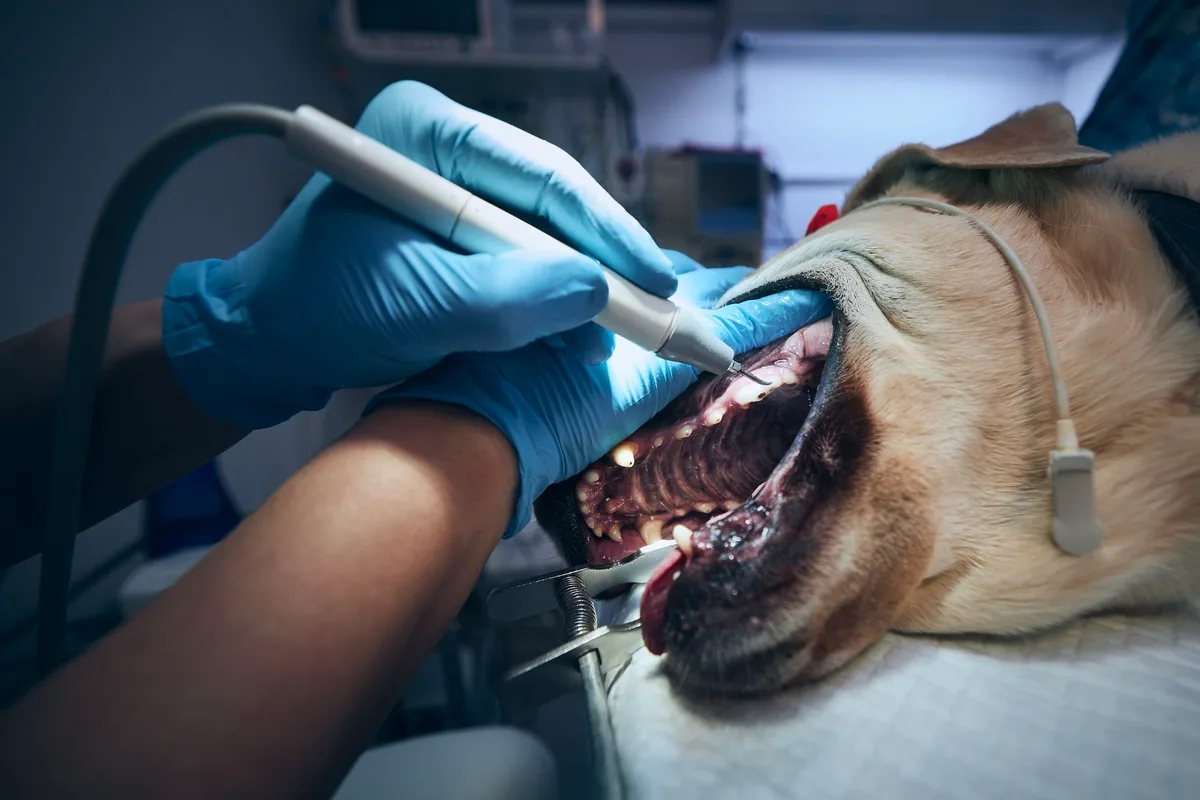
Image source: Bing (Web (fair-use with source credit))
Treatment depends on the cause. For dental disease, a professional cleaning and antibiotics may be needed. For kidney or liver disease, medication and diet changes are often prescribed.
Always follow your vet’s recommendations.
Most dogs recover well with proper treatment. The key is catching the issue early. Regular vet checkups can help prevent problems before they start.
Mistakes That Make It Worse (And How to Avoid Them)
Using human toothpaste is a common mistake. It contains xylitol, which is toxic to dogs. Always use toothpaste made specifically for pets.
Ignoring the smell can lead to serious health issues. Dental disease can cause tooth loss and infections. Kidney or liver disease can become life-threatening if untreated.
Feeding low-quality fish-based diets can worsen the odor. Check the ingredients list for fish meal or by-products. Switch to a high-quality diet if needed.
Skipping regular vet checkups means missing early signs of trouble. Annual dental exams can catch problems before they escalate. Senior dogs may need more frequent visits.
Overlooking other symptoms is another pitfall. If your dog is drinking more water or seems tired, don’t just focus on the breath. These could be signs of a systemic issue.
Frequently Asked Questions
Why does my dog’s breath smell like fish all of a sudden?
A sudden fishy smell often signals a new issue like kidney disease or a dental infection. If it’s paired with other symptoms like vomiting or lethargy, see a vet immediately.
Can dog dental chews fix fishy breath?
They can help reduce plaque and freshen breath, but they won’t fix underlying issues like kidney disease. Look for products with the VOHC seal for effectiveness.
How often should I brush my dog’s teeth?
Aim for daily brushing to prevent plaque buildup. If that’s not possible, do it at least 3 times a week. Use a soft-bristled brush and dog-specific toothpaste.
Is fishy breath always a sign of illness?
Not always. A fish-heavy diet can cause a temporary odor. But if it persists or is paired with other symptoms, it’s likely a health issue.
What’s the best way to prevent fishy breath in dogs?
Regular teeth brushing, dental chews, and vet checkups are key. A balanced diet and fresh water also help maintain oral health.

Similar Posts