Does a Dry Nose Mean Your Dog Is Sick?
Founder & Veterinary Clinical Advisor at Pets Health Tips · DVM (Doctor of Veterinary Medicine), Member of the American Veterinary Medical Association (AVMA) · 14+ years in companion animal clinical triage, preventative nutrition, and geriatric pet therapy
A dry nose doesn’t always mean your dog is sick. Many healthy dogs have dry noses at times, but it can also signal dehydration or illness. So, does a dry nose mean a dog is sick?
Not necessarily, but it’s worth checking for other signs.
A dog’s nose can dry out from sleep, weather, or age. According to the American Kennel Club, a dry nose alone isn’t a reliable indicator of illness. What matters is the bigger picture.
does a dry nose mean a dog is sick
A dry nose does not always mean a dog is sick. Many dogs have dry noses after naps or in dry climates. It can also signal dehydration or illness if paired with other symptoms.
Watch for changes in behavior or appetite. A vet visit is wise if the dryness persists with other warning signs.
Quick Answer: When to Worry (and When to Relax)
A dry nose is normal if your dog is active, eating, and drinking. It’s often just environmental. Sun, wind, or indoor heating can dry out their nose.
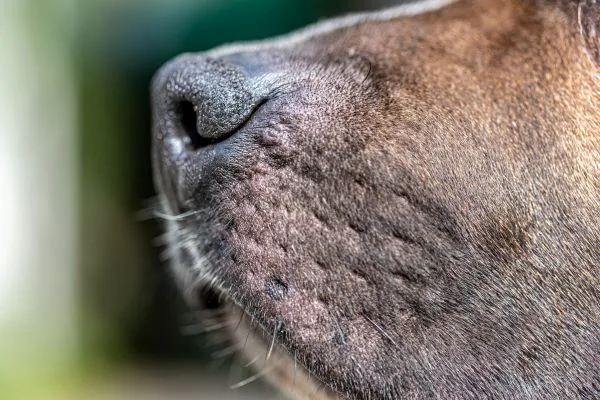
Image source: Bing (Web (fair-use with source credit))
Worry if the dryness comes with lethargy, vomiting, or diarrhea. These are red flags. A cracked or scabbed nose also needs attention.
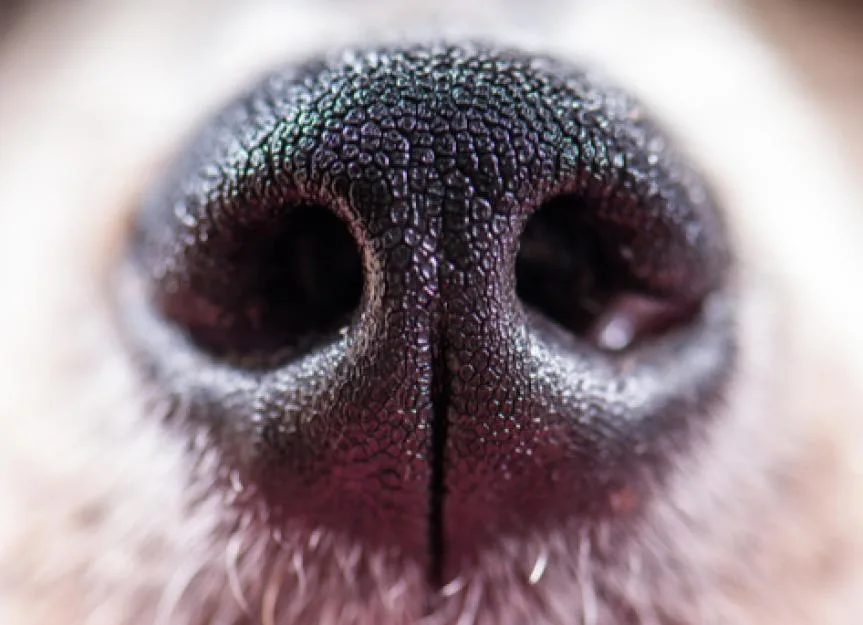
Image source: Bing (Web (fair-use with source credit))
Why a Dog’s Nose Gets Dry (and What’s Normal)
Dogs lick their noses to keep them moist, but this isn’t constant. Sleep, age, and weather can all reduce moisture. Some breeds naturally have drier noses.
Dehydration is a common cause. Check their gums and skin elasticity. Dry air from heaters or AC can also play a role.
Allergies or sunburn may cause dryness too. Light-colored dogs are more prone to sunburn. A vet can help identify the exact cause.
How to Tell If It’s Serious: The 5-Minute Check
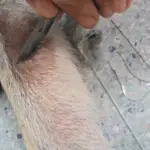
Start by checking their hydration. Lift the skin between their shoulders. If it snaps back slowly, they may be dehydrated.
Look at their gums. Healthy gums are moist and pink. Dry or pale gums are a warning sign.
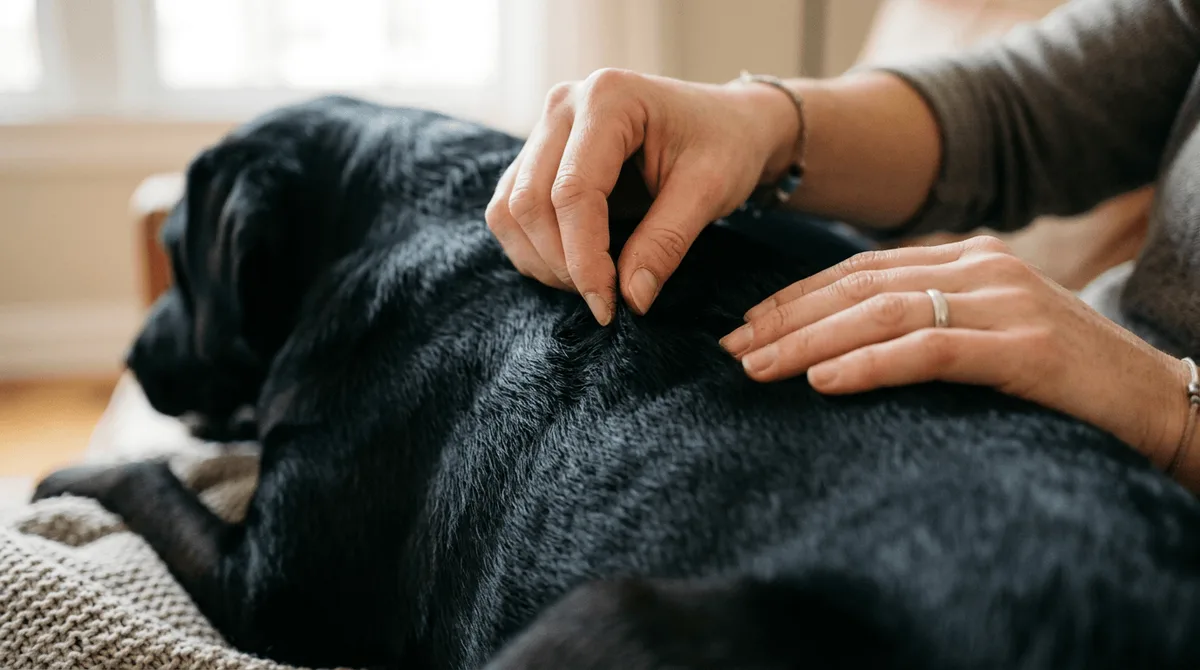
Image source: Bing (Web (fair-use with source credit))
Monitor their behavior. A dog that’s eating, drinking, and playing is likely fine. Lethargy or loss of appetite means it’s time for a vet.
Dry Nose + These Symptoms? Vet Time.
A dry nose with vomiting or diarrhea needs immediate attention. These can lead to dehydration fast.
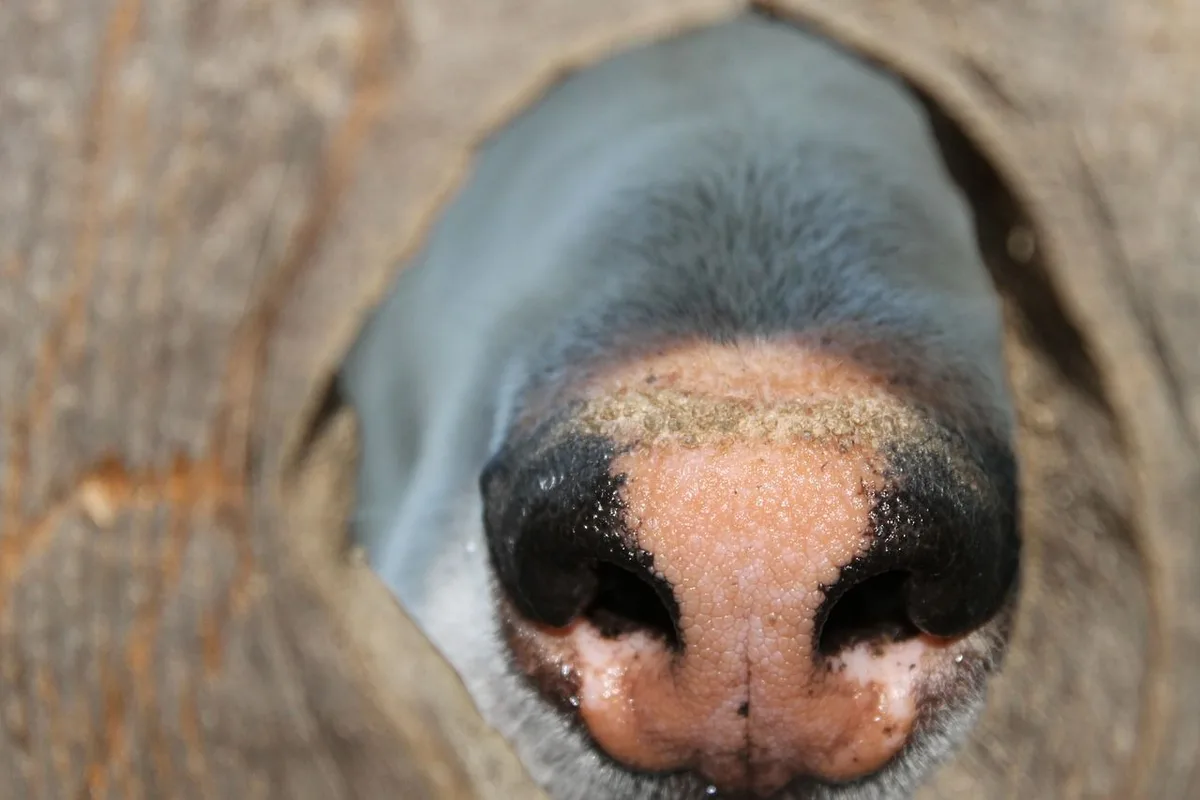
Image source: Bing (Web (fair-use with source credit))
Cracked or bleeding noses should be checked. This could signal an infection or injury. A fever over 103°F (39.4°C) is another red flag.
Difficulty breathing or excessive panting are emergencies. Don’t wait if you see these signs. Early intervention can prevent serious issues.
Common Causes (and What to Do About Each)
Dehydration is a top cause. Dogs need about 1 ounce of water per pound of body weight daily. Check their water bowl and refill it often.
Environmental factors like dry air or sun exposure can dry out their nose. Use a humidifier in dry climates. Apply pet-safe sunscreen for light-colored dogs.
Allergies or irritants may also be to blame. Common triggers include pollen, dust, or certain foods. A vet can help identify and manage allergies.
Infections or injuries can cause dryness and cracking. Look for signs like scabs or discharge. Keep the area clean and consult a vet if it worsens.
Mistakes Pet Owners Make (and How to Avoid Them)
Assuming a dry nose always means illness is a common mistake. Many dogs have dry noses without being sick. Focus on other symptoms instead.
Ignoring persistent dryness is another error. If it lasts more than a day or two, check for other issues. Early action prevents complications.
Overlooking hydration is a frequent oversight. Always ensure fresh water is available. Monitor their intake, especially in hot weather.
Using human products on their nose can cause harm. Stick to vet-approved treatments. Avoid lotions or ointments not meant for pets.
FAQs About Dog Noses and Health
Why is my dog’s nose dry and warm?
A dry and warm nose can be normal after sleep or activity. It may also indicate a fever or dehydration. Check for other symptoms like lethargy or loss of appetite.
Can a dog’s nose be dry from sleeping?
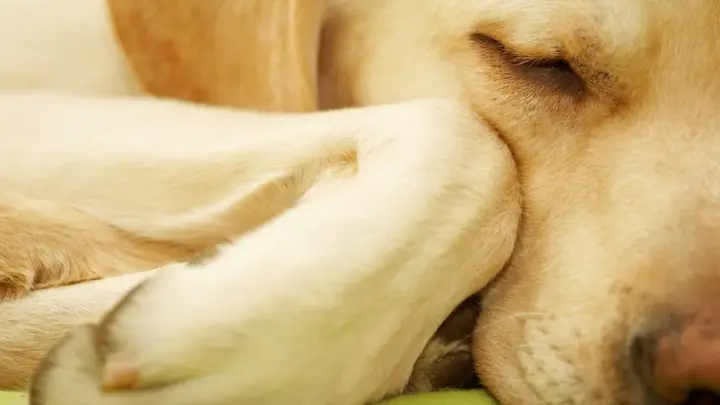
Yes, dogs often wake up with dry noses. This is usually harmless. If they seem otherwise healthy, there’s no need to worry.
When should I take my dog to the vet for a dry nose?
Go to the vet if the dryness comes with vomiting, diarrhea, or lethargy. Also seek help if the nose is cracked, bleeding, or has discharge.
Does a dry nose mean my dog is dehydrated?
Not always, but dehydration is a possible cause. Check their gums and skin elasticity. Offer water and monitor their intake.
Can weather affect my dog’s nose?
Yes, extreme heat, cold, or dry air can dry out their nose. Protect them from harsh conditions. Use a humidifier indoors if needed.

Similar Posts