Why Does My Dog Shake Its Head Often?
Founder & Veterinary Clinical Advisor at Pets Health Tips · DVM (Doctor of Veterinary Medicine), Member of the American Veterinary Medical Association (AVMA) · 14+ years in companion animal clinical triage, preventative nutrition, and geriatric pet therapy
Frequent head shaking in your dog isn’t just annoying, it’s their way of telling you something’s wrong. The causes of frequent head shaking in dogs range from minor irritations to serious health issues, and ignoring it can lead to chronic pain or permanent damage.
Nearly 20% of dogs develop ear infections at some point, and breeds with floppy ears are especially vulnerable. Left untreated, even simple causes can spiral into bigger problems.
causes of frequent head shaking in dogs
Ear infections are the top cause. Allergies and ear mites also trigger it. Foreign objects or polyps may be to blame.
Neurological issues like vestibular disease can cause it too.
Why Frequent Head Shaking in Dogs Is a Red Flag
Head shaking isn’t just a quirk. It’s a clear sign of discomfort or pain. Your dog might be trying to dislodge debris, soothe an itch, or ease pressure from fluid buildup.
Ignoring it can turn a treatable issue into a chronic one. Ear infections can spread inward, leading to balance problems or hearing loss. Neurological causes, like vestibular disease, may worsen without intervention.
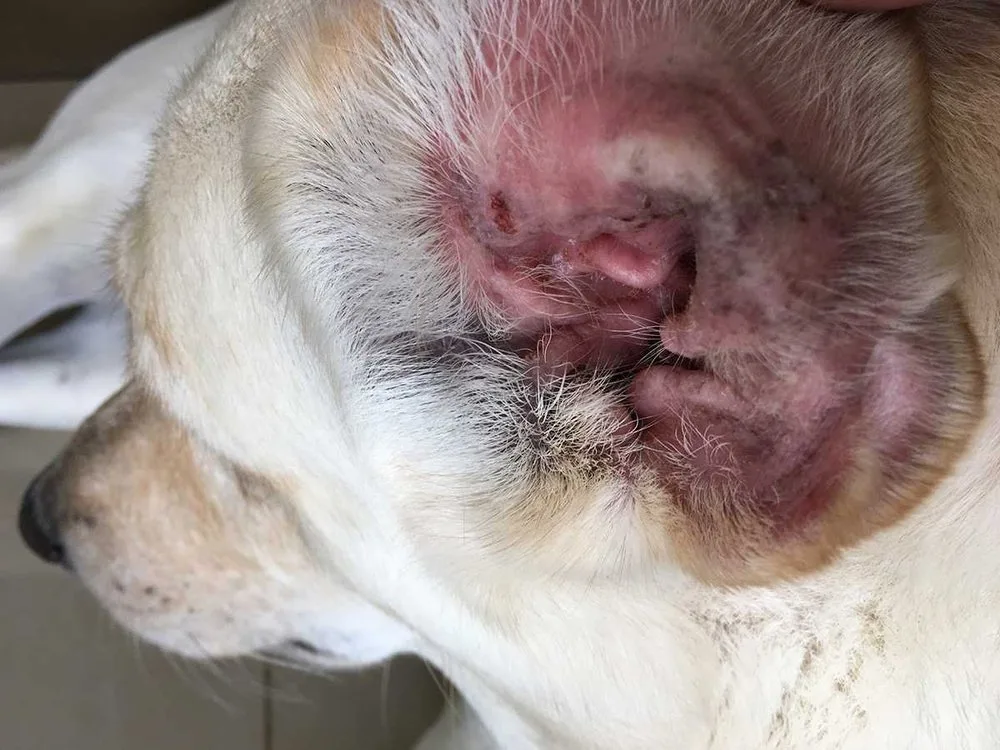
Image source: Bing (Web (fair-use with source credit))
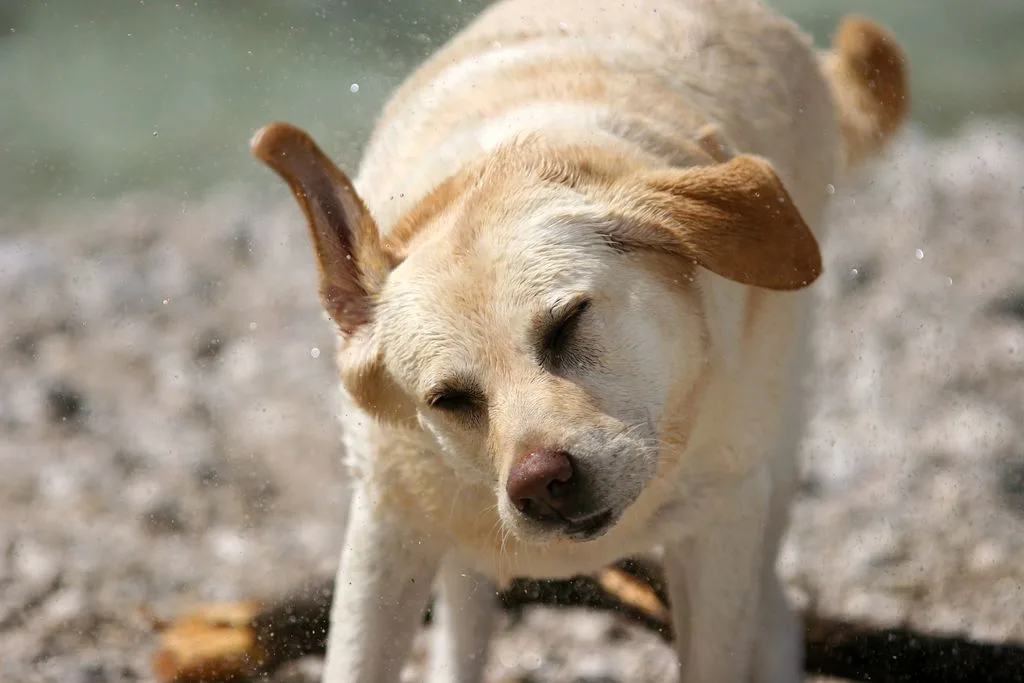
Image source: Bing (Web (fair-use with source credit))
The Most Common Causes (and How to Spot Them)
Ear infections are the most frequent culprit. Bacteria or yeast thrive in moist, warm ear canals, especially in breeds like Cocker Spaniels or Basset Hounds. Look for redness, discharge, or a foul odor.
Ear mites are tiny parasites that cause intense itching. They’re common in puppies and outdoor dogs. Dark, crusty debris in the ears is a telltale sign.
Allergies can lead to chronic ear inflammation. Environmental triggers like pollen or food allergies often cause itching and head shaking. Seasonal patterns can help identify the cause.
Foreign objects like grass seeds or dirt can get lodged in the ear canal. Your dog may shake their head violently and paw at their ear. This requires immediate removal to prevent infection.
Neurological issues like vestibular disease or brain tumors can cause head shaking. These often come with other symptoms, such as loss of balance, nausea, or a head tilt. Vestibular disease can strike suddenly, often in older dogs.
Pain from dental issues, neck problems, or even eye conditions can also trigger head shaking. Dogs may shake their heads to relieve discomfort in nearby areas.
When It’s an Emergency vs. When You Can Wait
See a vet immediately if your dog shows these signs:
- Sudden, severe head shaking with loss of balance
- Blood or pus coming from the ear
- A head tilt that lasts more than a day
- Vomiting or nausea alongside head shaking
- Signs of extreme pain, like whining or aggression when touched
These could indicate a ruptured eardrum, severe infection, or neurological emergency. Delaying treatment can lead to permanent damage.
You can monitor for a day or two if:
- The head shaking is mild and intermittent
- There’s no discharge, odor, or redness in the ears
- Your dog is otherwise acting normal
If symptoms persist or worsen, schedule a vet visit. Ear issues rarely resolve on their own.
Step-by-Step: What to Do at Home and When to See a Vet
At home, start with a gentle inspection. Lift your dog’s ear flap and look for redness, swelling, or discharge. Use a flashlight if needed, but never insert anything into the ear canal.
Clean the ears if they look dirty. Use a vet-approved ear cleaner and a cotton ball or gauze. Avoid cotton swabs, as they can damage the ear canal. Gently wipe the visible part of the ear, then let your dog shake their head to remove debris.
Avoid home remedies. Hydrogen peroxide, vinegar, or alcohol can irritate the ear further. Stick to products recommended by your vet.
If you suspect mites or an infection, don’t wait. Over-the-counter treatments may not be effective and can delay proper care. Your vet can prescribe the right medication, whether it’s antibiotics, antifungals, or anti-parasitic drugs.
For neurological symptoms, seek emergency care. Vestibular disease often improves with supportive care, but other conditions, like a brain tumor, require urgent attention.
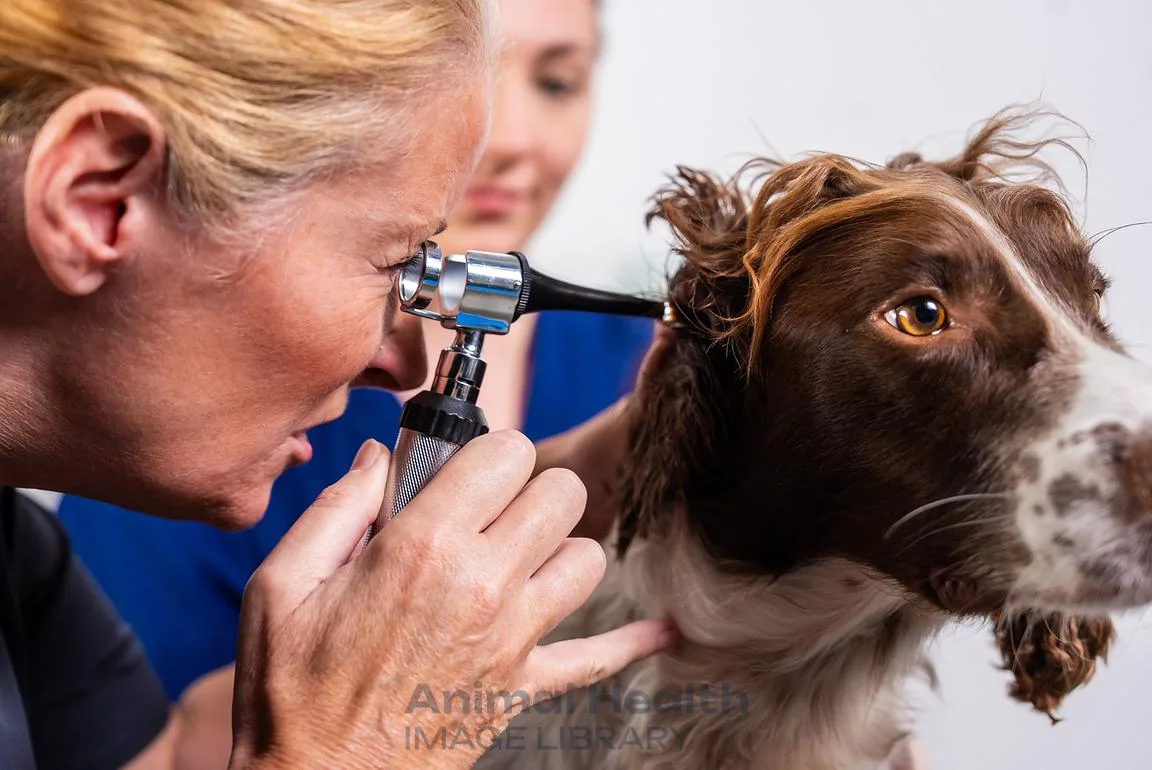
Image source: Bing (Web (fair-use with source credit))
Breed-Specific Risks and Prevention Tips
Some breeds are more prone to ear problems due to their anatomy. Floppy-eared breeds like Beagles, Cocker Spaniels, and Labrador Retrievers have poor air circulation in their ears, which traps moisture and promotes bacterial or yeast growth. Regular ear checks and cleaning can help prevent infections.
Breeds with narrow ear canals, such as Shar-Peis or Bulldogs, are also at higher risk. Their ear shape makes it harder for debris to escape naturally. Keeping their ears dry and clean is crucial.
Dogs with excessive hair in their ears, like Poodles or Bichon Frises, can develop mats that trap dirt and moisture. Plucking the hair (with your vet’s guidance) or keeping it trimmed can reduce the risk.
Prevention tips for all dogs:
- Dry your dog’s ears thoroughly after baths or swimming
- Check ears weekly for signs of dirt, redness, or odor
- Use a vet-recommended ear cleaner monthly, or as advised
- Address allergies with your vet to reduce chronic inflammation
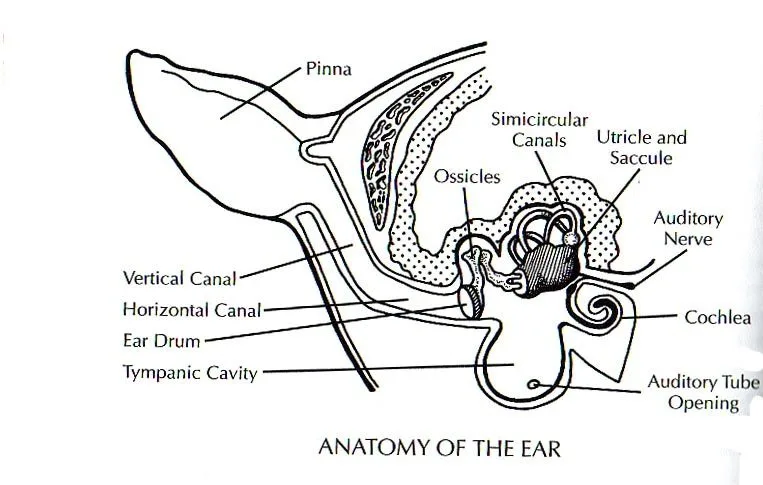
Image source: Bing (Web (fair-use with source credit))
Costs, Treatments, and Recovery Timelines
Treatment costs vary widely based on the cause. A simple ear infection may cost $100 to $300 for a vet visit and medication. More complex issues like chronic allergies or neurological conditions can run $500 to $2,000 or more.
Ear infections typically clear up in 1 to 2 weeks with proper medication. Antibiotics or antifungals are common, and your vet may recommend ear cleaners to prevent recurrence.
Ear mites are usually treated with anti-parasitic drops or oral medications. Most dogs improve within a week, but follow-up care is essential to ensure all mites are gone.
Vestibular disease often improves on its own within a few days to weeks. Supportive care, like anti-nausea medication, can help manage symptoms. Recovery depends on the underlying cause.
Surgery may be needed for polyps, tumors, or severe infections. Costs can range from $500 to $3,000, depending on the complexity. Recovery times vary but often take 2 to 4 weeks.
Allergy management is an ongoing process. Identifying and avoiding triggers is key. Medications or special diets may be required long-term.
Frequently Asked Questions
Why does my dog shake his head after swimming?
Water in the ears can cause irritation or infection. Always dry your dog’s ears thoroughly after swimming or baths to prevent moisture buildup.
Can head shaking be a sign of pain?
Yes, dogs may shake their heads to relieve pain from ear infections, dental issues, or neck problems. If the shaking is persistent or accompanied by other symptoms, see a vet.
How can I tell if my dog has ear mites?
Look for dark, crusty debris in the ears and intense scratching. Ear mites are highly contagious, so treat all pets in the household if one is infected.
Is head shaking in dogs always serious?
Not always, but it’s rarely normal. Mild cases may resolve with home care, but persistent or severe shaking warrants a vet visit to rule out serious conditions.
Can I use human ear drops for my dog?
No. Human ear drops can be toxic or irritating to dogs. Always use products specifically formulated for pets and recommended by your vet.

Similar Posts