Why Is My Dog Limping After Sleeping?
Founder & Veterinary Clinical Advisor at Pets Health Tips · DVM (Doctor of Veterinary Medicine), Member of the American Veterinary Medical Association (AVMA) · 14+ years in companion animal clinical triage, preventative nutrition, and geriatric pet therapy
Your dog was fine yesterday, but now you’ve noticed them limping after sleeping. Dog limping after sleeping is often a sign of stiffness, joint pain, or an underlying issue that flares up after rest. It’s not always an emergency, but it’s also not something to ignore, especially if it keeps happening.
About 20% of dogs develop arthritis by age 7, and many start showing stiffness after naps long before the condition becomes severe. So what’s causing it, and when should you worry?
dog limping after sleeping
It’s usually joint stiffness or mild arthritis. Older dogs and large breeds often limp after rest due to inflammation. A sudden limp may mean an injury or trapped nerve.
Persistent limping warrants a vet visit.
Why Dogs Limp After Sleeping (And When to Worry)
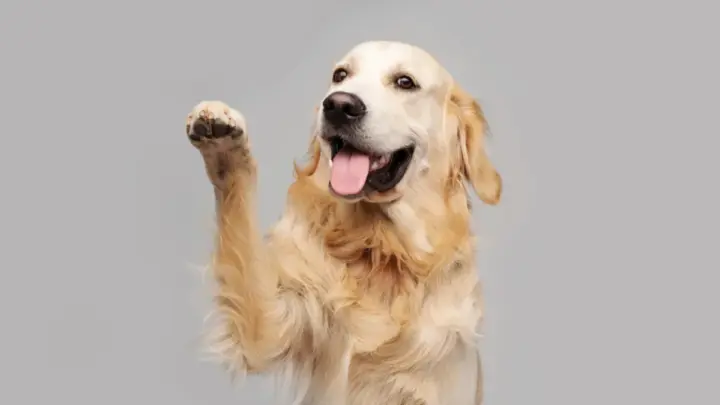
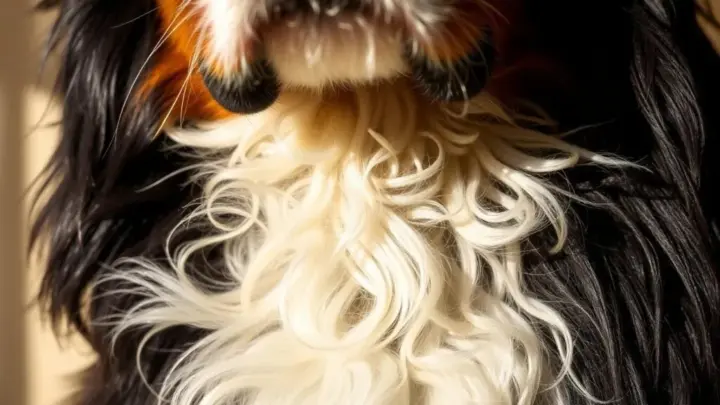
When a dog sleeps, their joints and muscles stay still for hours. If there’s even mild inflammation or wear and tear, that inactivity can make things stiffer. Think of it like how you might feel a bit creaky after sitting too long, dogs experience the same thing, just more noticeably.
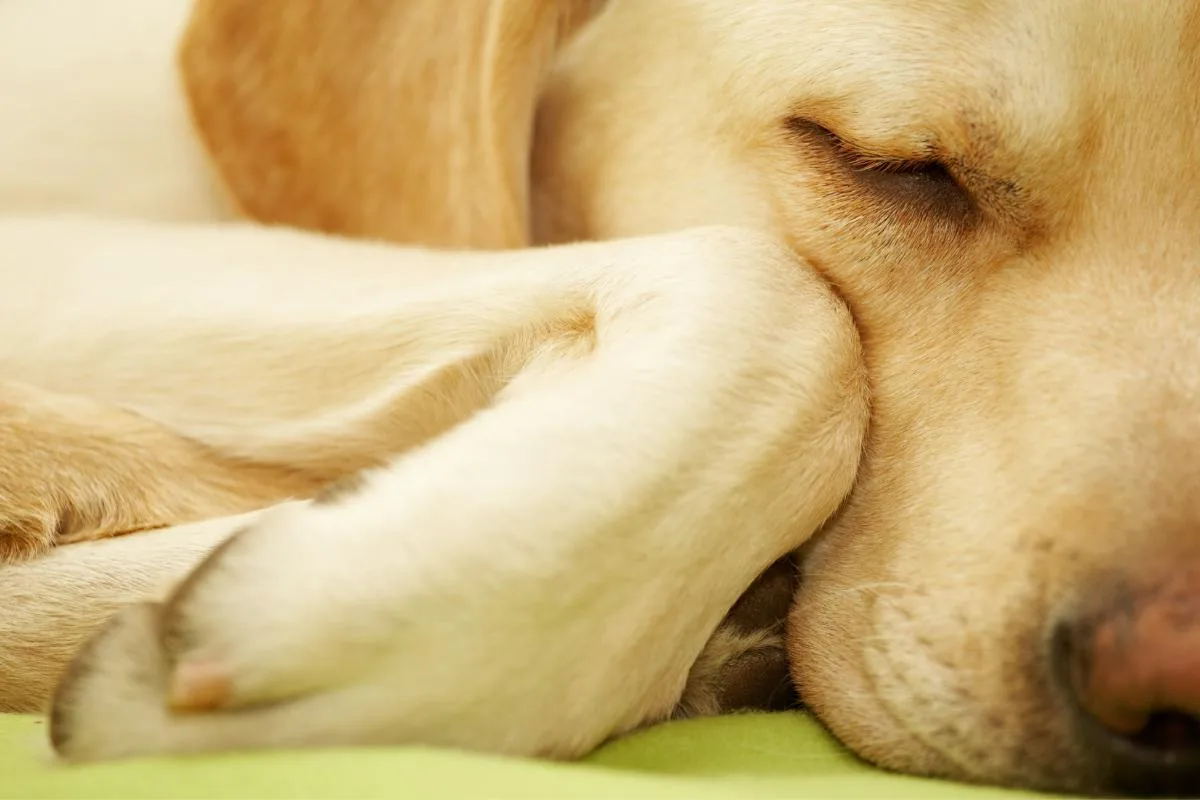
Image source: Bing (Web (fair-use with source credit))
The real concern is whether the limp improves after a few steps or lingers. If it fades quickly, it’s likely just stiffness. If it stays or gets worse, it could signal something more serious like a ligament tear, hip dysplasia, or even a neurological issue.
Breeds like Labradors, German Shepherds, and Bulldogs are especially prone to joint problems as they age.
The 5 Most Common Causes of Post-Sleep Limping in Dogs
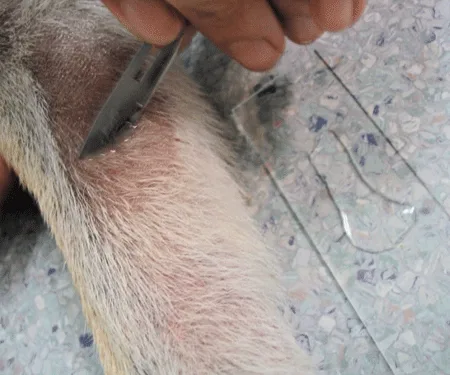
Arthritis is the top culprit, especially in senior dogs. It causes joint inflammation that worsens with rest. Hip or elbow dysplasia is another common issue, where the joint doesn’t fit properly, leading to pain after inactivity.
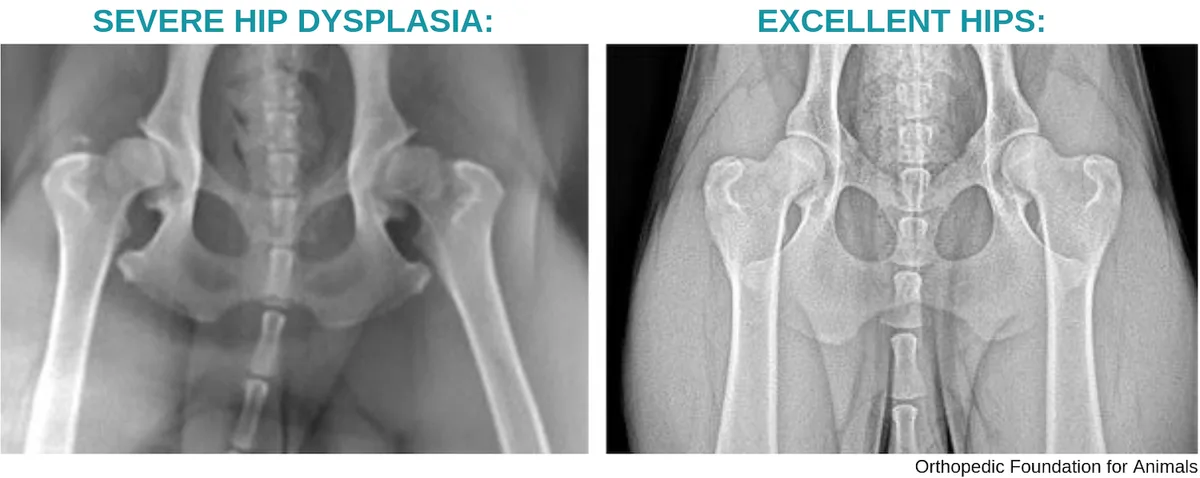
Image source: Bing (Web (fair-use with source credit))
Ligament injuries, like a torn ACL, can also cause limping that seems worse after sleep. Muscle strains or sprains from overactivity might not be obvious until your dog rests and then tries to move again. Finally, neurological problems, such as a pinched nerve or spinal issue, can lead to weakness or limping that’s more noticeable after lying down.
How to Assess Your Dog’s Limp at Home (Step-by-Step)
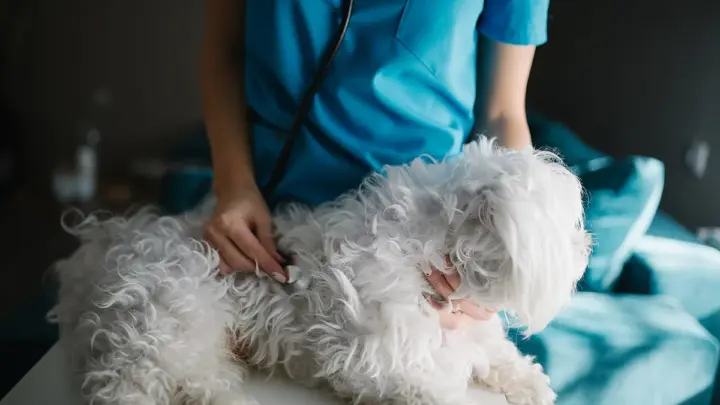
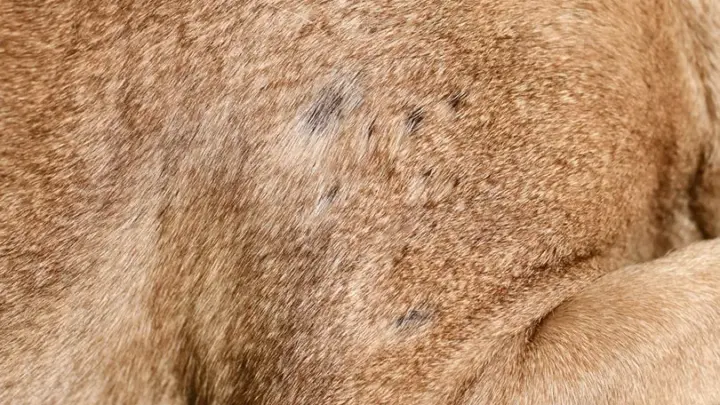
Start by watching your dog move. Note which leg they’re favoring and whether the limp is consistent or comes and goes. Check for swelling, heat, or tenderness in their joints or paws.
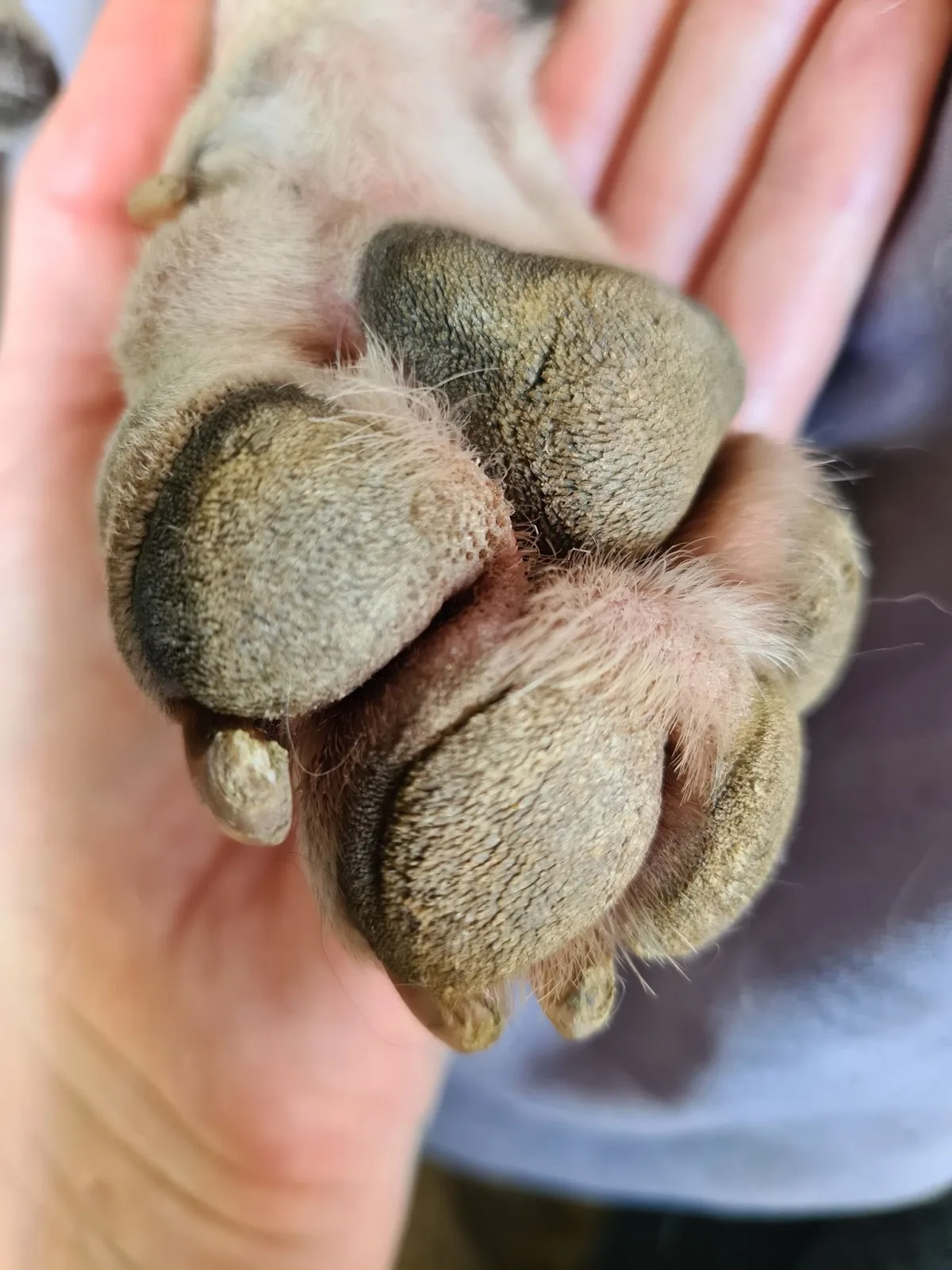
Image source: Bing (Web (fair-use with source credit))
Gently press along their legs and paws to see if they react. Look at their paw pads for cuts, thorns, or nail issues. If the limp is mild and improves after a few minutes of walking, it’s likely stiffness.
If it’s severe, persistent, or accompanied by whining, it’s time to call the vet.
When to Rush to the Vet vs. When to Monitor at Home
Rush to the vet if the limp is sudden and severe, or if your dog can’t bear weight on the leg. Also seek immediate care if there’s swelling, bleeding, or signs of extreme pain like whining or aggression when touched.
Monitor at home if the limp is mild, improves quickly, and your dog seems otherwise fine. Keep an eye on it for 24 to 48 hours. If it doesn’t improve or gets worse, schedule a vet visit.
For senior dogs or breeds prone to joint issues, it’s better to err on the side of caution and get it checked out sooner rather than later.
Treatment Options: From Home Care to Surgery
For mild stiffness, rest and controlled movement help. Short, gentle walks can prevent joints from seizing up. Over-the-counter joint supplements like glucosamine and chondroitin may reduce inflammation over time.
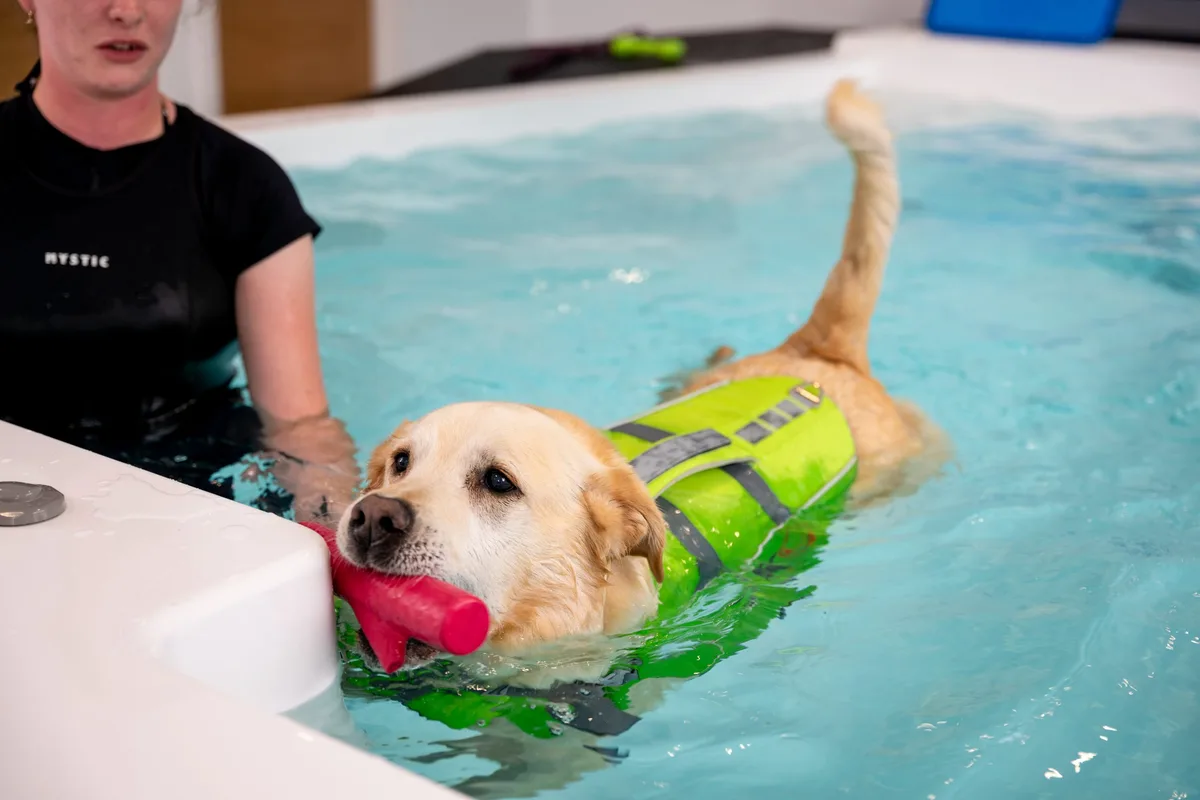
Image source: Bing (Web (fair-use with source credit))
For injuries or arthritis, vets often prescribe NSAIDs like carprofen or meloxicam. Physical therapy, including hydrotherapy, strengthens muscles without stressing joints. Severe cases, such as a torn ACL or advanced hip dysplasia, may require surgery.
Always follow your vet’s guidance on medication and rehab.
Mistakes That Make Limping Worse (And What to Do Instead)
Avoid long walks or intense play when your dog is limping. Pushing them to "walk it off" can turn a minor issue into a chronic problem. Don’t give human painkillers like ibuprofen or acetaminophen, as these are toxic to dogs.
Skip the DIY splints or bandages unless a vet instructs you. Poorly applied supports can cut off circulation or mask a serious injury. Instead, keep your dog on a leash to limit movement and use a ramp to help them avoid jumping on furniture.
Frequently Asked Questions
Why does my dog limp after sleeping but then walk fine?
This usually signals stiffness from arthritis or mild joint inflammation. The limp often fades after a few steps as the joints warm up. If it happens frequently, a vet can confirm the cause and suggest pain management.
Could my dog’s limp be from a paw injury?
Yes. Check for cuts, thorns, or swollen pads. Even a small wound can cause temporary limping.
If you find nothing obvious but the limp persists, it could be a nail issue or internal injury.
When is limping an emergency?
If your dog can’t bear weight, the leg looks deformed, or they’re in visible pain, go to the vet immediately. Sudden, severe limping often means a fracture, dislocation, or ligament tear.
Can diet help with my dog’s joint pain?
Yes. A diet rich in omega-3 fatty acids and low in excess calories reduces inflammation and stress on joints. Ask your vet about prescription joint diets or supplements tailored to your dog’s needs.
How can I prevent my dog from limping after sleep?
Provide an orthopedic bed to cushion joints. Keep them at a healthy weight to minimize joint strain. Regular, moderate exercise helps maintain muscle strength and flexibility.

Similar Posts