Dog Lumps That Need Urgent Vet Attention
Founder & Veterinary Clinical Advisor at Pets Health Tips · DVM (Doctor of Veterinary Medicine), Member of the American Veterinary Medical Association (AVMA) · 14+ years in companion animal clinical triage, preventative nutrition, and geriatric pet therapy
You found a lump on your dog, and now you’re wondering which dog lumps need urgent attention. Some bumps are harmless, but others can turn deadly in days. As of 2026, the American Veterinary Medical Association reports that 1 in 4 dogs will develop a tumor in their lifetime, and early action saves lives.
Here’s how to spot the difference between a minor issue and a true emergency.
which dog lumps need urgent attention
Lumps that are red, hot, or rapidly growing need urgent attention. Any lump that bleeds, oozes, or causes pain is an emergency. Sudden swelling in the face or legs also requires immediate vet care.
Hard, immovable lumps are more concerning than soft, movable ones.
The 5 Red-Flag Signs That Mean “Go Now”
If your dog has a lump, watch for these warning signs. They’re your cue to skip the wait-and-see approach and head straight to the vet.
Rapid growth is the most obvious red flag. A lump that doubles in size in a week or less could be aggressive cancer, like a mast cell tumor. These can spread quickly if untreated.
Pain or tenderness means the lump is irritating nerves or tissues. Your dog might flinch when touched, lick the area constantly, or even limp if it’s on a leg. Pain often signals infection, abscess, or a malignant growth.
Bleeding, oozing, or ulceration are never normal. A lump that’s open, crusty, or weeping fluid could be infected or cancerous. Mast cell tumors, for example, often ulcerate as they grow.
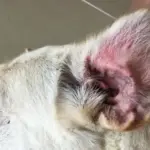
Redness, heat, or swelling suggest inflammation or infection. If the skin around the lump feels warm or looks angry, it might be an abscess or a severe allergic reaction. Left untreated, abscesses can rupture and cause systemic infection.
Systemic symptoms like lethargy, vomiting, or weight loss mean the lump could be part of a larger problem. Lymphoma, for instance, often causes lumps in the lymph nodes along with whole-body illness.
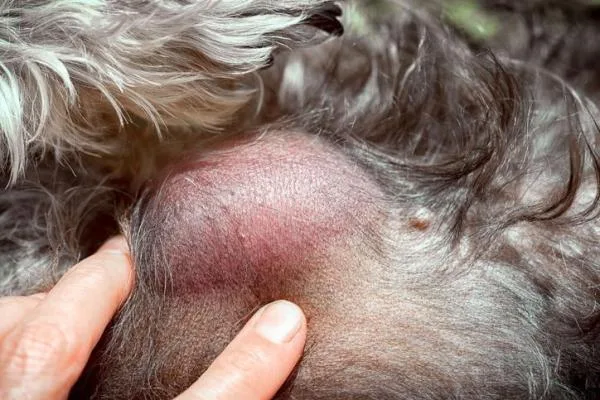
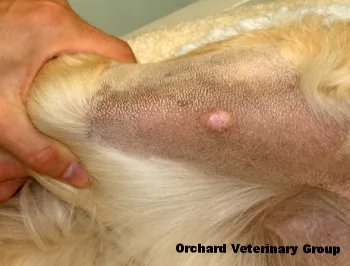
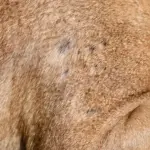
Image source: Bing (Web (fair-use with source credit))
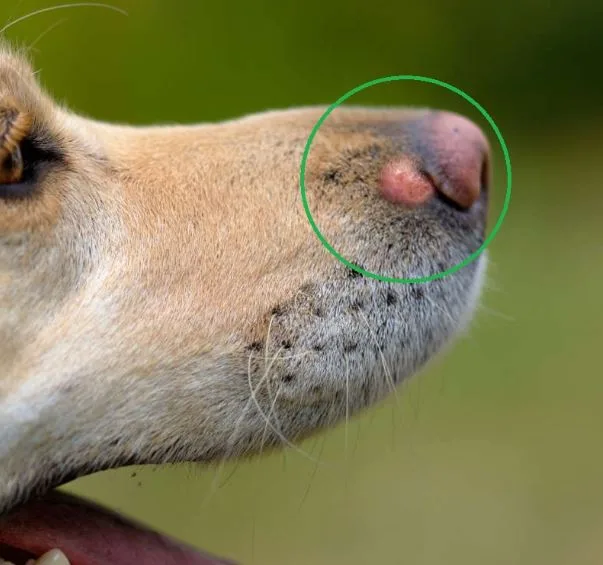
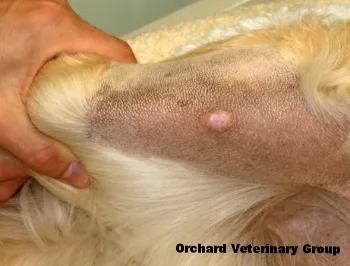
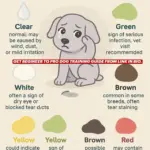
Image source: Bing (Web (fair-use with source credit))
How to Tell If a Lump Is Serious in 60 Seconds
Grab a timer and run through this quick check. It’s not a diagnosis, but it’ll help you decide whether to call the vet.
Start by measuring the lump. Use your fingers or a ruler to note its size. Anything larger than a pea (about 1 cm) or growing fast needs attention.
Jot down the date and size so you can track changes.
Next, check for pain. Gently press the lump. If your dog yelps, pulls away, or shows discomfort, it’s a red flag.
Painless lumps can still be serious, but painful ones are more urgent.
Then, look at the skin. Is it red, swollen, or hot to the touch? Are there any open sores or discharge?
If yes, it’s time to act.
Finally, assess your dog’s overall health. Are they eating normally? Acting lethargic?
If the lump is paired with other symptoms, don’t wait.
This 60-second check isn’t foolproof, but it’s a solid starting point. When in doubt, call your vet.
Benign vs. Dangerous: What Each Type of Lump Looks Like
Not all lumps are created equal. Some are harmless, while others are life-threatening. Here’s how to tell them apart.
Lipomas are the most common benign lumps. They’re soft, movable, and usually painless. These fatty tumors often show up in older dogs and grow slowly.
They’re rarely a cause for concern unless they’re huge or interfering with movement.
Sebaceous cysts are another benign option. They’re small, round, and filled with a cheese-like substance. These can pop up anywhere and might burst, but they’re not usually an emergency unless they get infected.
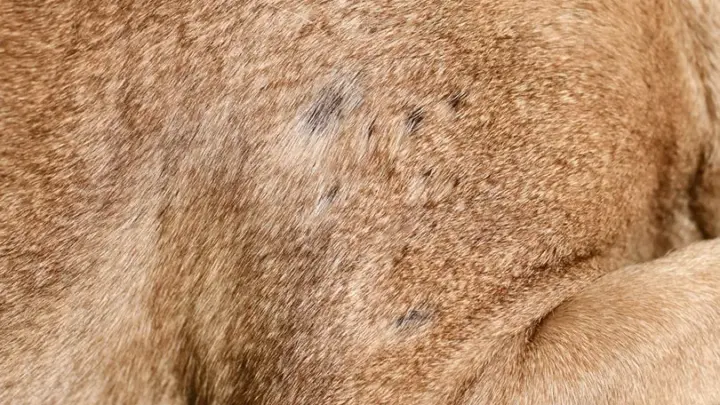
Mast cell tumors are the most common malignant skin tumors in dogs. They can look like anything, raised, flat, red, or ulcerated. Some grow quickly, while others stay small for months.
Breeds like Boxers, Bulldogs, and Golden Retrievers are especially prone to them.
Lymphoma often appears as swollen lymph nodes. These lumps are usually firm, painless, and located under the jaw, in the armpits, or behind the knees. Lymphoma is aggressive and requires immediate treatment.
Abscesses are pockets of infection. They’re often red, hot, and painful. Abscesses can form after a bite, scratch, or foreign body gets under the skin.
If left untreated, they can rupture and spread infection.
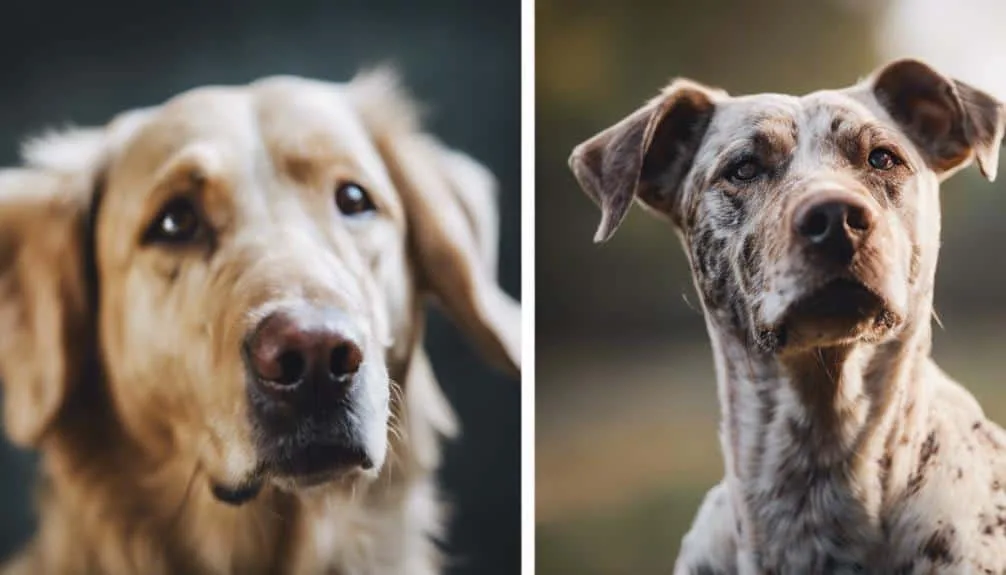
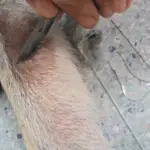
Image source: Bing (Web (fair-use with source credit))
What Happens at the Emergency Vet (And Why Speed Saves Lives)
When you arrive at the emergency vet, they’ll start with a physical exam. They’ll check the lump’s size, location, and characteristics. They’ll also look for other lumps or signs of illness, like enlarged lymph nodes.
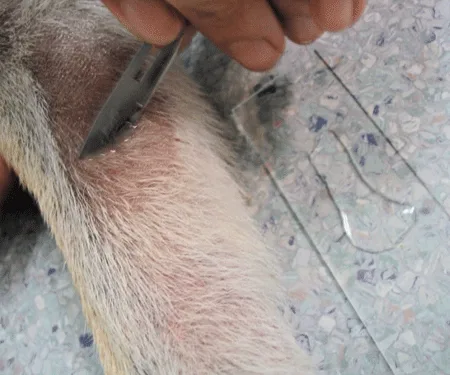
Next, they might perform a fine-needle aspiration (FNA). This quick, minimally invasive test involves inserting a needle into the lump to collect cells. A vet pathologist then examines the cells under a microscope to determine if the lump is benign or malignant.
FNA is fast and often gives results within 24 hours.
If the FNA is inconclusive or the lump looks suspicious, the vet might recommend a biopsy. This involves removing a small piece of the lump or the entire lump for further testing. Biopsies are more invasive but provide a definitive diagnosis.
In some cases, the vet might order imaging tests like X-rays, ultrasounds, or CT scans. These help determine if the lump has spread to other parts of the body. Imaging is especially important for aggressive cancers like mast cell tumors or lymphoma.
Why speed matters: Early diagnosis and treatment can mean the difference between life and death. For example, mast cell tumors caught early have a much better prognosis than those diagnosed late. Abscesses can turn septic if left untreated.
And allergic reactions can escalate to anaphylaxis, a life-threatening condition.
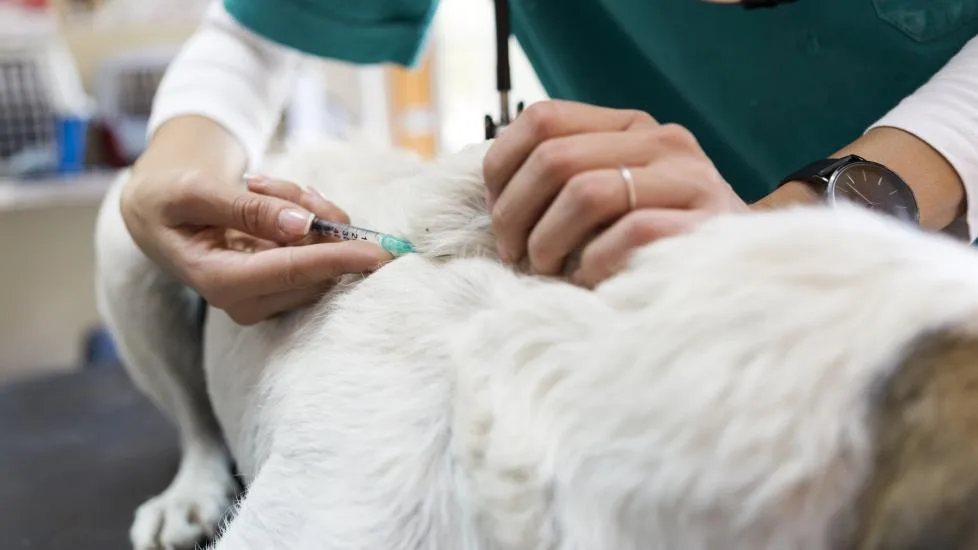
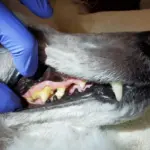
Image source: Bing (Web (fair-use with source credit))
Common Mistakes That Delay Critical Care
Waiting to see if a lump goes away is the biggest mistake. Many owners assume small lumps are harmless, but some cancers grow fast. A mast cell tumor can double in size in just a week.
Ignoring pain or discharge is another error. If your dog is licking or scratching the lump, it’s a sign of discomfort. Open sores or bleeding need immediate attention.
Skipping the vet for "just a cyst" can backfire. Sebaceous cysts are usually benign, but infected ones can turn serious. Without treatment, they can rupture and cause widespread infection.
Assuming all hard lumps are cancer is also risky. Some hard lumps are benign, like calcified hematomas. But only a vet can confirm this with testing.
Finally, don’t rely on Dr. Google. Online symptom checkers can’t replace a professional exam.
Misdiagnosing a lump as harmless when it’s malignant can cost precious time.
Frequently Asked Questions
How fast can a dangerous lump grow?
Some malignant tumors, like mast cell tumors, can double in size within a week. If you notice rapid growth, see a vet within 24 hours.
Are all hard lumps cancerous?
Not always. Hard lumps can be benign, like calcified hematomas or fibromas. But hard, immovable lumps are more likely to be malignant, so get them checked.
Can a lump be an emergency if my dog seems fine?
Yes. Some lumps, like those from internal bleeding or allergic reactions, can be life-threatening even if your dog acts normal. Always check for red flags like rapid growth or pain.
What breeds are most at risk for dangerous lumps?
Boxers, Bulldogs, Golden Retrievers, and Labrador Retrievers have higher rates of mast cell tumors. Older dogs of any breed are also more susceptible to cancer.
Should I monitor a lump at home first?
Only if it’s small, painless, and not growing. Track its size and appearance for 1-2 weeks. If it changes or your dog shows other symptoms, see a vet immediately.
Can a lump go away on its own?
Some lumps, like those from insect bites or minor infections, may resolve. But if a lump persists for more than a week or grows, it needs veterinary evaluation.

Similar Posts