Why Is My Dog Limping Suddenly? Causes & Fixes
Founder & Veterinary Clinical Advisor at Pets Health Tips · DVM (Doctor of Veterinary Medicine), Member of the American Veterinary Medical Association (AVMA) · 14+ years in companion animal clinical triage, preventative nutrition, and geriatric pet therapy
Your dog was fine yesterday, but now they’re favoring one leg and you’re wondering why is my dog limping suddenly. It’s a scary sight, but most cases aren’t life-threatening if you act fast. Sudden limping in dogs often points to an injury, foreign object, or joint issue, and the cause usually falls into a few predictable categories.
Per the American Veterinary Medical Association, lameness accounts for nearly 15% of all vet visits, with trauma and musculoskeletal issues topping the list. The key is figuring out whether it’s a minor strain or something that needs immediate care.
why is my dog limping suddenly
Sudden limping in dogs is usually caused by injury, pain, or structural issues. Common triggers include sprains, paw cuts, nail damage, or joint problems. Foreign objects like thorns or glass can also cause acute lameness.
Less often, it signals a serious condition like a fracture or ligament tear.
Quick Answer: Is This an Emergency?
If your dog can’t bear weight on the leg, is whining, or has visible swelling, it’s an emergency. Non-weight-bearing limps often mean fractures, dislocations, or severe ligament damage. These need a vet within hours.

Image source: Bing (Web (fair-use with source credit))
A mild limp after play might just be a sprain. But if it lasts more than 24 hours or worsens, don’t wait. Older dogs with arthritis may limp after rest, but sudden onset in any age is a red flag.
Step-by-Step: How to Assess Your Dog’s Limp at Home
Start by checking for obvious signs. Look at the paw for cuts, thorns, or swollen nails. Gently press along the leg to spot tenderness or heat, which can signal inflammation.
Watch how your dog moves. A head bob with each step often points to front leg pain. Hind leg limps may look like a hop or bunny-hopping gait.
Note if the limp is constant or comes and goes.
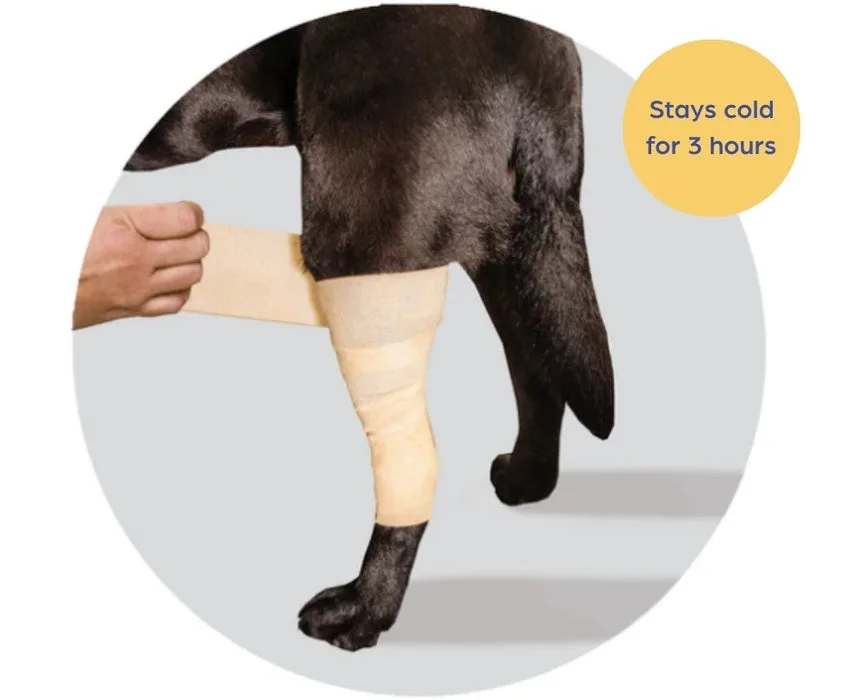
Image source: Bing (Web (fair-use with source credit))
Restrict activity immediately. Crate rest or leash walks only prevents further damage. Apply a cold compress to swollen areas for 10 minutes, but skip this if there’s an open wound.
Common Causes of Sudden Limping (And How to Tell Them Apart)
Paw injuries are the most common culprit. Cuts, burns from hot pavement, or torn nails cause instant limping. Your dog may lick the paw constantly or hold it up.
Sprains and strains often happen after rough play or jumps. These cause mild to moderate limping that improves with rest. Swelling may be minimal, but the leg feels tender.
Image source: Bing (Web (fair-use with source credit))
Joint issues like a torn ACL or luxating patella cause sudden, severe limping. You might hear a popping sound or see the knee give out. Breeds like Labradors and small terriers are prone to these.
Foreign objects can lodge between toes or pads. Check for foxtails, glass, or burrs. These often cause head-shaking or excessive licking at the paw.
Bone fractures usually result from trauma like a fall or being hit by a car. The leg may dangle or look crooked. Your dog won’t put any weight on it.
When to Rush to the Vet vs. When to Monitor
Rush to the vet if your dog can’t bear weight on the leg. This is a clear sign of a fracture, dislocation, or severe ligament damage. Time is critical to prevent permanent joint damage.
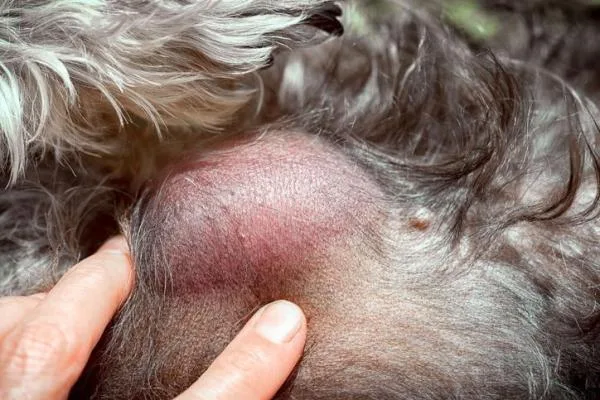
Go immediately if you see swelling, bruising, or an open wound. These can indicate a serious injury or infection. Fever or lethargy alongside limping also warrants urgent care.
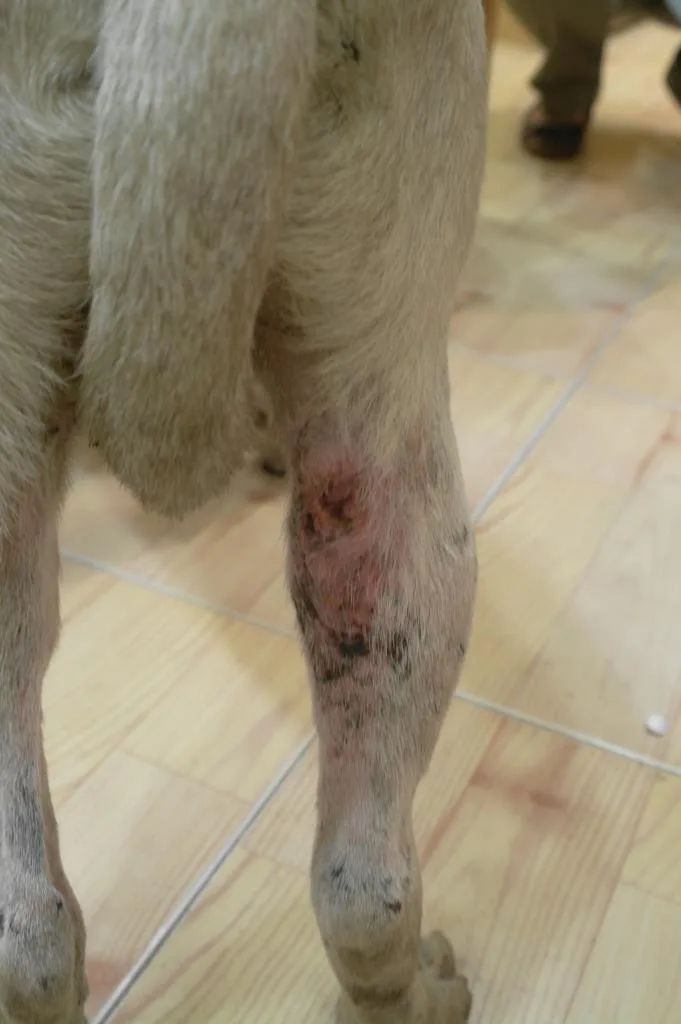
Image source: Bing (Web (fair-use with source credit))
Monitor at home if the limp is mild and your dog is still active. Rest and limited movement for 24 hours can help minor sprains. But if it doesn’t improve or worsens, call your vet.
Watch for subtle signs like whining when touched or reluctance to climb stairs. These can indicate pain that’s not obvious at first glance. Trust your instincts if something feels off.
What NOT to Do (Mistakes That Make It Worse)
Never give human pain meds like ibuprofen or acetaminophen. These are toxic to dogs and can cause kidney failure or liver damage. Stick to vet-approved pain relief.
Don’t force your dog to walk or run. This can turn a minor sprain into a full ligament tear. Use a leash for bathroom breaks only.
Avoid heat on fresh injuries. Ice is for swelling, heat is for stiffness after 48 hours. Get this wrong and you’ll increase inflammation.
Skip the DIY splints. Improper support can cut off circulation or worsen a fracture. Leave this to the professionals.
Don’t wait if the limp lasts more than a day. What seems minor could be the start of arthritis or a chronic condition.
Treatment & Recovery: What to Expect
Vets typically start with a physical exam and X-rays. Blood tests may follow if infection or systemic disease is suspected. As of 2026, digital radiography provides faster, clearer images than older film systems.
Treatment varies by cause. Sprains may need rest and anti-inflammatories. Fractures often require casts or surgery.
Joint issues like ACL tears usually need surgical repair for active dogs.
Recovery timelines differ. Mild sprains heal in 1-2 weeks with rest. Post-surgery rehab for ligament repairs can take 3-6 months.
Physical therapy speeds up recovery for many cases.
Follow your vet’s instructions precisely. This includes medication schedules, activity restrictions, and follow-up visits. Skipping steps can lead to reinjury or complications.
FAQs About Sudden Limping in Dogs
Why is my dog limping but not crying?
Dogs often hide pain. A mild limp without vocalizing can still mean a sprain, nail injury, or early arthritis. Watch for other signs like licking the area or reluctance to move.
Can a dog’s limp heal on its own?
Minor sprains may improve with rest. But if the limp persists beyond 24 hours or worsens, see a vet. Some injuries like ligament tears won’t heal without treatment.
When should I be worried about my dog limping?
Seek immediate care if the limp is severe, your dog can’t bear weight, or there’s swelling. Also watch for lethargy, fever, or loss of appetite. These can indicate a serious issue.
What’s the most common cause of sudden limping in dogs?
Paw injuries top the list. Cuts, thorns, or torn nails are frequent culprits. Joint issues like ACL tears are also common, especially in active or large breeds.
How can I tell if my dog’s limp is serious?
A non-weight-bearing limp is always serious. Other red flags include swelling, heat in the joint, or your dog yelping when touched. When in doubt, call your vet.
Is limping an emergency for old dogs?
It can be. Senior dogs are prone to arthritis flare-ups, but sudden limping can also signal a fracture or tumor. Don’t assume it’s just age-related without checking.

Similar Posts