Bad Dog Breath? It Could Be Dental Disease
Founder & Veterinary Clinical Advisor at Pets Health Tips · DVM (Doctor of Veterinary Medicine), Member of the American Veterinary Medical Association (AVMA) · 14+ years in companion animal clinical triage, preventative nutrition, and geriatric pet therapy
Bad dog breath isn’t just unpleasant, it’s often the first sign that something’s wrong. Knowing when bad dog breath signals dental disease can save your pet from pain and serious health risks down the line. That stale, foul odor usually means bacteria are thriving, and without action, it can lead to gum disease, tooth loss, or even organ damage.
By age three, over 80% of dogs show early signs of dental disease, per the American Veterinary Dental College. If your dog’s breath smells worse than usual, it’s time to look closer.
when bad dog breath signals dental disease
Bad dog breath often signals dental disease when it’s persistent and foul. It usually means plaque and tartar have built up on the teeth. This leads to gingivitis, infections, or worse if untreated.
The smell won’t fade with treats or chews alone.
Why Bad Dog Breath Is More Than Just a Smell
That rotten-egg or sewage-like odor isn’t normal. It’s a red flag that bacteria are breaking down food particles and tissue in your dog’s mouth. Left unchecked, these bacteria can spread below the gumline, causing inflammation, pain, and even bone loss.
Chronic bad breath is often the first visible sign of periodontal disease, which affects the gums and structures supporting the teeth. Small breeds like Chihuahuas and Yorkshire Terriers are especially prone due to their crowded teeth. Ignoring it doesn’t just mean a stinky kiss, it can shorten your dog’s lifespan.
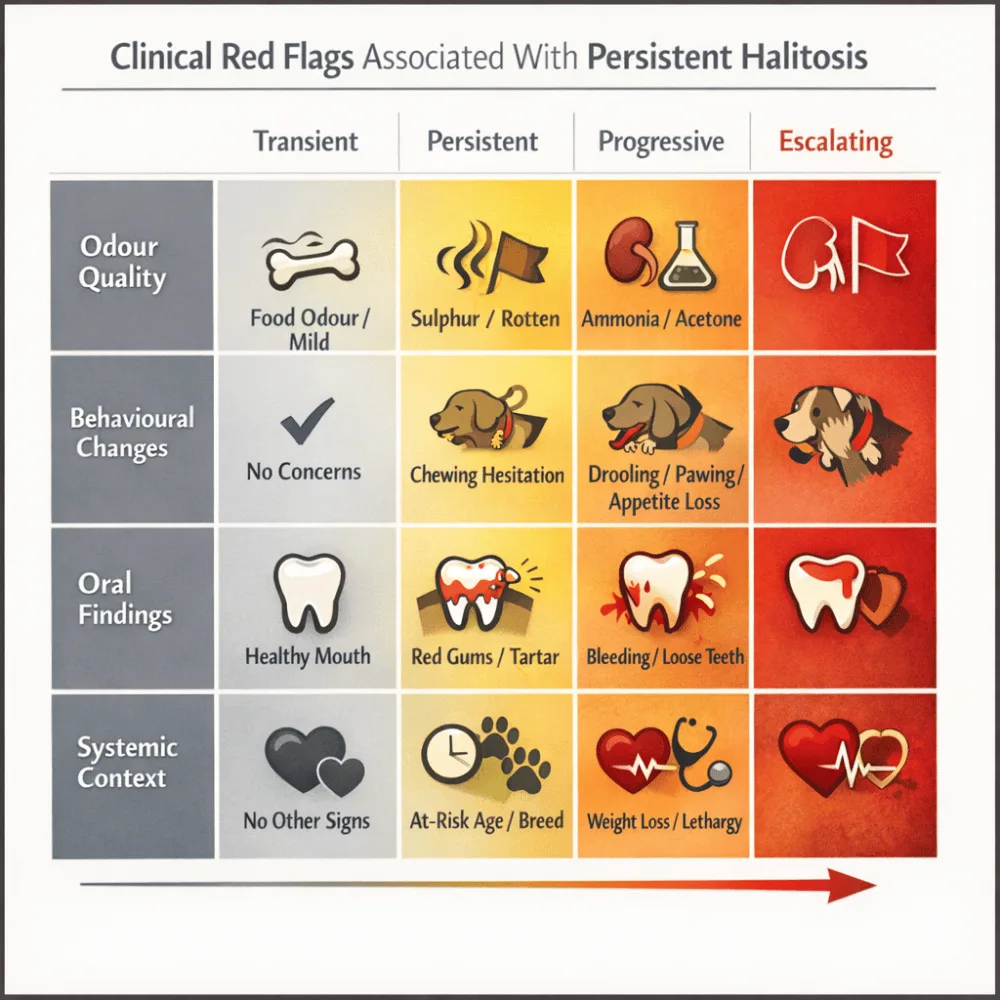
Image source: Bing (Web (fair-use with source credit))
The Link Between Bad Breath and Dental Disease in Dogs
Dental disease in dogs starts with plaque, a sticky film of bacteria that forms on teeth within hours after eating. If not removed, plaque hardens into tartar in as little as 48 hours. Tartar irritates the gums, leading to gingivitis, the first stage of periodontal disease.
As the disease progresses, the gums pull away from the teeth, creating pockets where more bacteria thrive. This can lead to tooth root abscesses, loose teeth, and even jaw fractures in severe cases. The bacteria can also enter the bloodstream, potentially damaging the heart, liver, and kidneys.
The American Veterinary Medical Association confirms that dental disease is one of the most common yet preventable conditions in pets as of 2026.
How to Spot Dental Disease in Your Dog
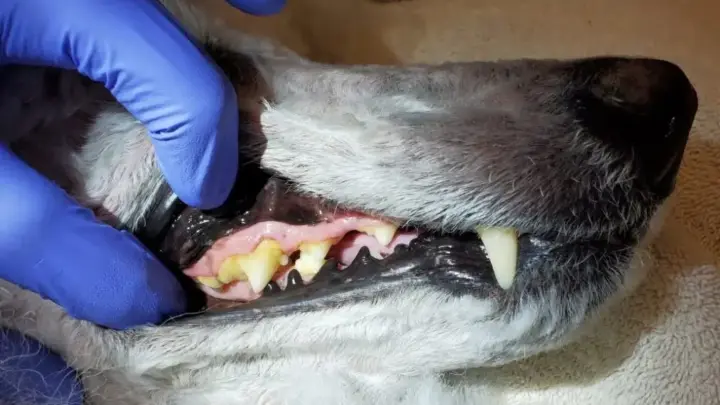
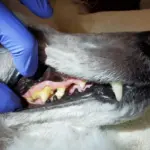
Start with the breath test. If it’s consistently foul, that’s your first clue. Next, lift your dog’s lips and check for red, swollen, or bleeding gums.
Yellow or brown crust on the teeth is tartar buildup, another clear sign.
Look for these symptoms:
- Excessive drooling or blood in the saliva
- Difficulty eating or dropping food
- Pawing at the mouth or rubbing the face
- Loose or missing teeth
- Swelling under the eyes (a sign of tooth root abscess)
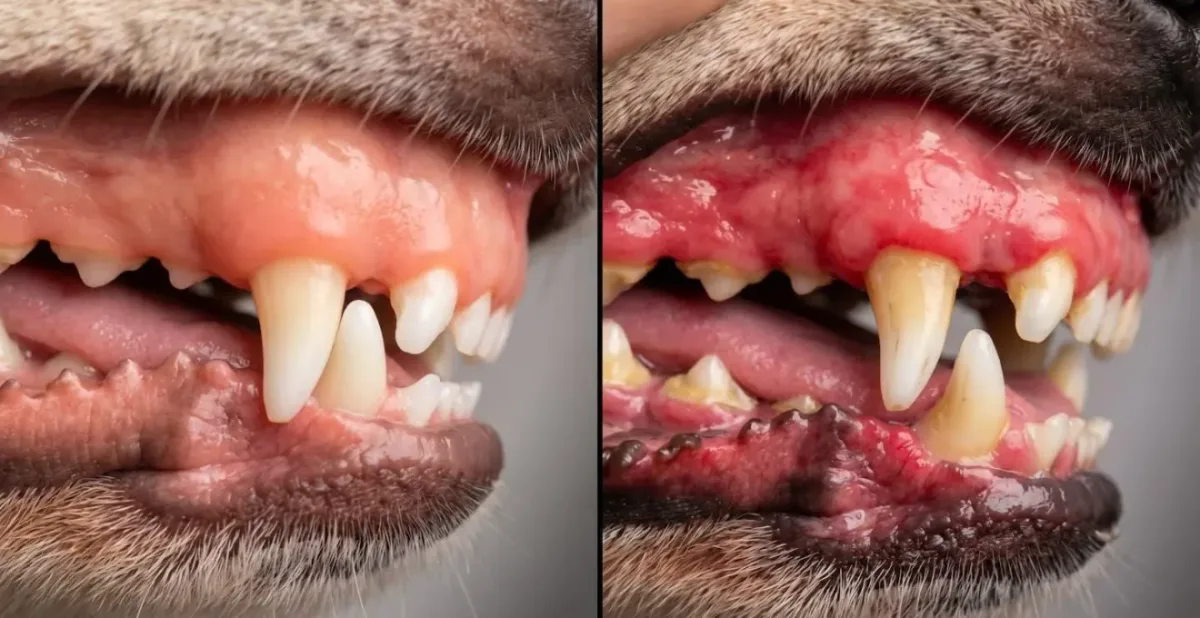
Image source: Bing (Web (fair-use with source credit))
Early detection is key. Gingivitis is reversible with proper care, but once it progresses to periodontitis, the damage is permanent. Regular checks can catch problems before they escalate.
What Happens If You Ignore It?
Untreated dental disease doesn’t just stay in the mouth. Bacteria from infected gums can enter the bloodstream, traveling to vital organs. This can lead to endocarditis (heart valve infection), kidney disease, or liver problems.
In the mouth, the consequences are just as serious. Advanced periodontal disease can cause:
- Chronic pain, making it hard for your dog to eat
- Tooth loss, which affects nutrition and quality of life
- Jaw fractures in severe cases, especially in small breeds
- Oral tumors, which are more likely to develop in inflamed tissues
The cost of ignoring the problem is high. A professional dental cleaning can run $200, $600, but treating advanced disease with extractions or surgery can cost significantly more. Worse, the pain and discomfort can change your dog’s behavior, leading to irritability or depression.
Safe and Effective Ways to Treat and Prevent Dental Disease
Start with a vet visit for a professional assessment. They’ll check for tartar buildup, gum inflammation, and loose teeth. A full dental cleaning under anesthesia is often needed to remove plaque below the gumline.
At home, brush your dog’s teeth daily with a dog-specific toothbrush and toothpaste. Human toothpaste is toxic to dogs. Dental chews and water additives can help reduce plaque but aren’t a substitute for brushing.
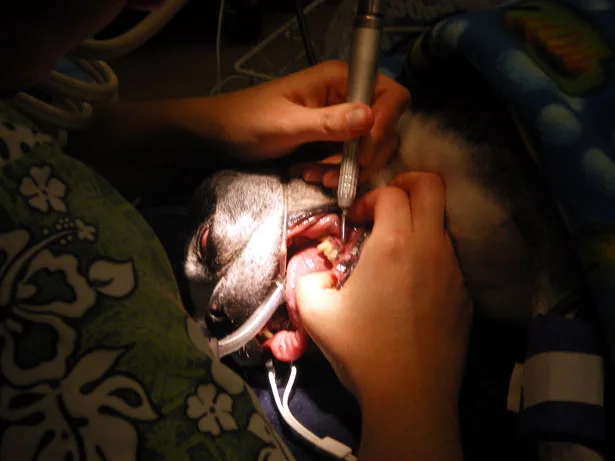
Image source: Wikimedia Commons / Julie Gentry
For severe cases, your vet may recommend tooth extractions or antibiotics. Always follow their advice closely. Prevention is easier than treatment, so establish a routine early.
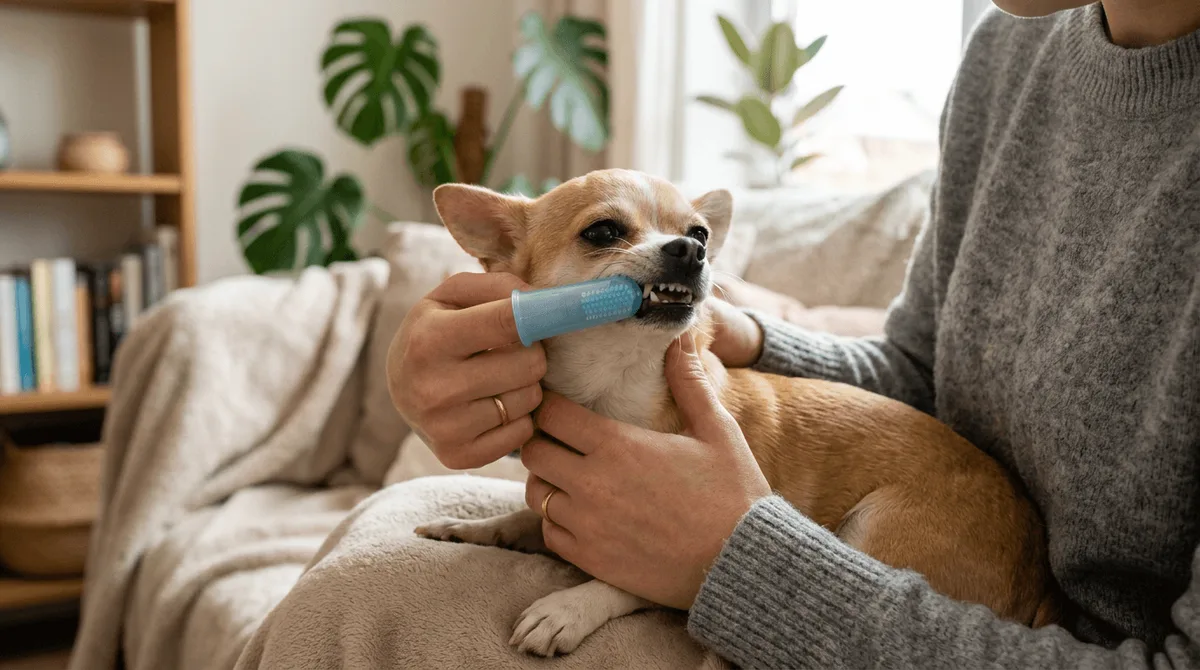
Image source: Bing (Web (fair-use with source credit))
When to See a Vet—And What to Expect
Schedule a vet visit if your dog’s breath is persistently foul or they show signs of pain. Early intervention can prevent irreversible damage. Your vet will perform an oral exam and may recommend X-rays to check for hidden issues.
During a professional cleaning, your dog will be under anesthesia. The vet will scale and polish the teeth, removing tartar above and below the gumline. They’ll also check for pockets, abscesses, or other problems.
If extractions are needed, your dog may need pain medication and a soft-food diet for a few days. Follow-up care is crucial to prevent complications. Most dogs recover quickly and show improved energy and appetite afterward.

Similar Posts