Front vs Back Leg Limping in Dogs: Key Differences
Founder & Veterinary Clinical Advisor at Pets Health Tips · DVM (Doctor of Veterinary Medicine), Member of the American Veterinary Medical Association (AVMA) · 14+ years in companion animal clinical triage, preventative nutrition, and geriatric pet therapy
Your dog’s limp isn’t just a sign they’re slowing down, it’s a clue. Knowing the difference between front leg vs back leg limping in dogs can mean the difference between a quick fix and a chronic problem. Over 20% of dogs develop arthritis or joint issues in their lifetime, so catching the early signs matters.
The first step is figuring out which leg is bothering them and why. That’s how you decide whether it’s a minor issue or a vet visit.
front leg vs back leg limping in dogs
Front leg limping often points to shoulder, elbow, or paw issues. Back leg limping usually involves hips, knees, or spine problems. The affected leg will show reduced weight bearing or an altered gait.
Pain location helps narrow the cause.
Why the Difference Matters for Diagnosis and Treatment
Front and back legs have different structures and common issues. Front legs bear about 60% of a dog’s weight, making them prone to shoulder or elbow strain. Back legs handle propulsion, so problems here often involve hips, knees, or the stifle joint.
Misdiagnosing the leg can lead to the wrong treatment. For example, a front leg issue might need rest and anti-inflammatories, while a back leg problem could require surgery for a torn ACL. The American College of Veterinary Surgeons (ACVS) notes that early, accurate diagnosis improves outcomes significantly.
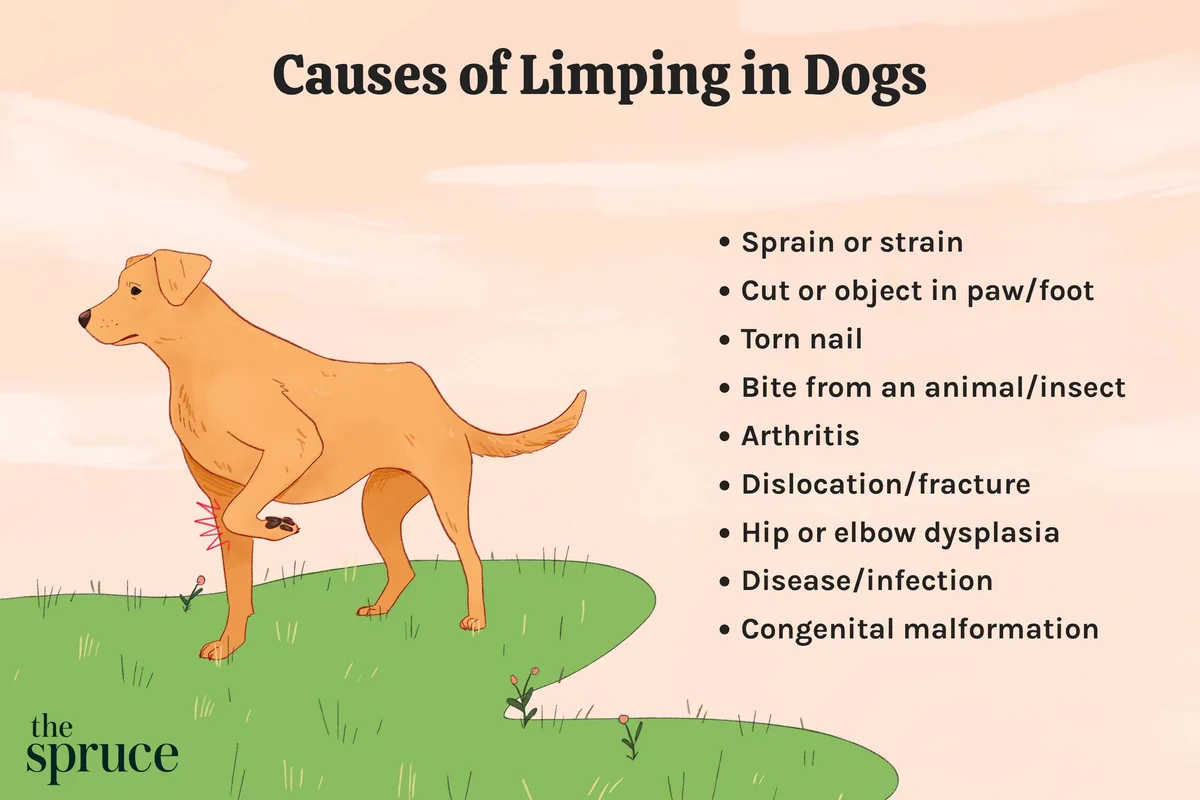
Image source: Bing (Web (fair-use with source credit))
Step-by-Step: How to Identify Which Leg Is Affected
Start by watching your dog walk and run. Look for a head bob or a hopping motion, which often signals a front leg issue. If their back end sways or they drag a leg, the problem is likely in the back.
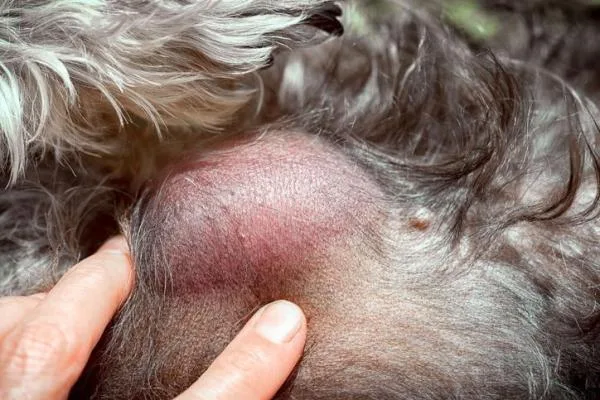
Next, check for swelling or heat in the joints. Gently press along the leg, but stop if your dog reacts with pain. Compare both sides, asymmetry is a red flag.
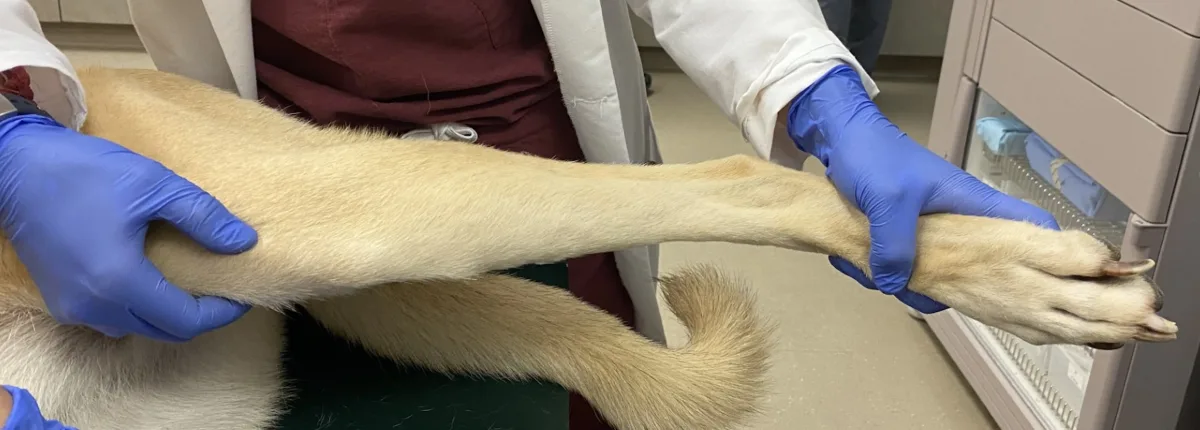
Image source: Bing (Web (fair-use with source credit))
Common Causes of Front Leg Limping vs. Back Leg Limping
Front leg issues often include shoulder injuries, elbow dysplasia, or paw pad cuts. Breeds like Labradors and Golden Retrievers are prone to elbow problems. Back leg limping is frequently tied to hip dysplasia, ACL tears, or arthritis.
Here’s a quick breakdown:
| Front Leg Causes | Back Leg Causes |
|---|---|
| Shoulder strain | Hip dysplasia |
| Elbow dysplasia | ACL/CCL tear |
| Carpal (wrist) injuries | Patellar luxation |
| Paw pad cuts or thorns | Arthritis (stifle or hip) |
| Nail injuries | Spinal issues (IVDD) |
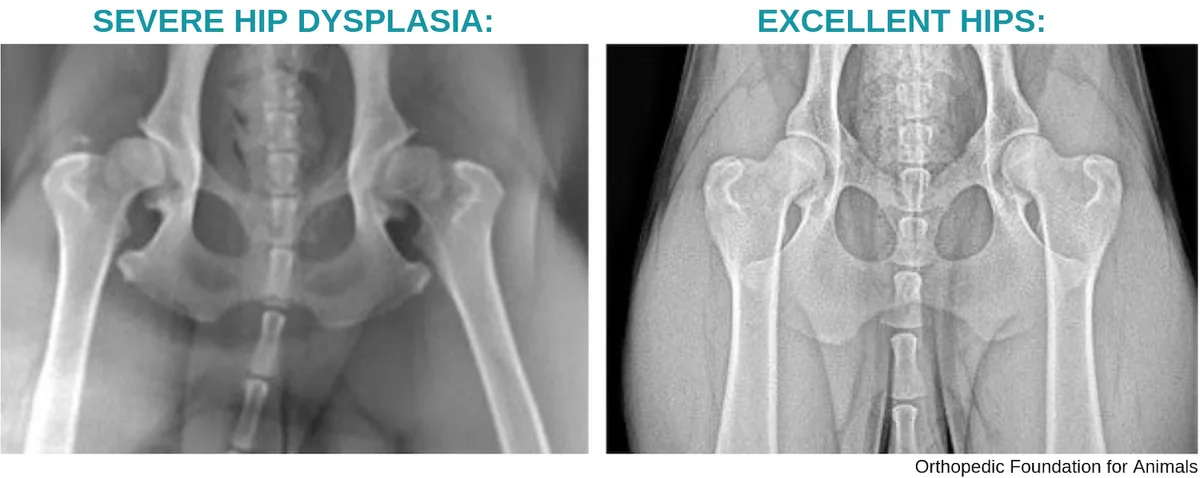
Image source: Bing (Web (fair-use with source credit))
When to See a Vet Immediately (Red Flags)
Take your dog to the vet if they can’t bear weight on the leg. Sudden, severe lameness often signals a fracture or ligament tear. Swelling, extreme pain, or a leg that looks deformed are also emergencies.
Other red flags include lethargy, fever, or refusal to eat. These could indicate an infection or systemic issue. The AVMA advises that any lameness lasting more than 24 hours warrants a vet visit, as of 2026.
What You Can Do at Home (And What to Avoid)
Start with rest. Limit activity to short, leash-only walks for bathroom breaks. Avoid stairs, jumping, or rough play until you know the cause.
Check their paws for cuts, thorns, or swollen nails. Use a flashlight and gently spread the toes. If you find a foreign object, remove it carefully with tweezers, then clean the area with saline.
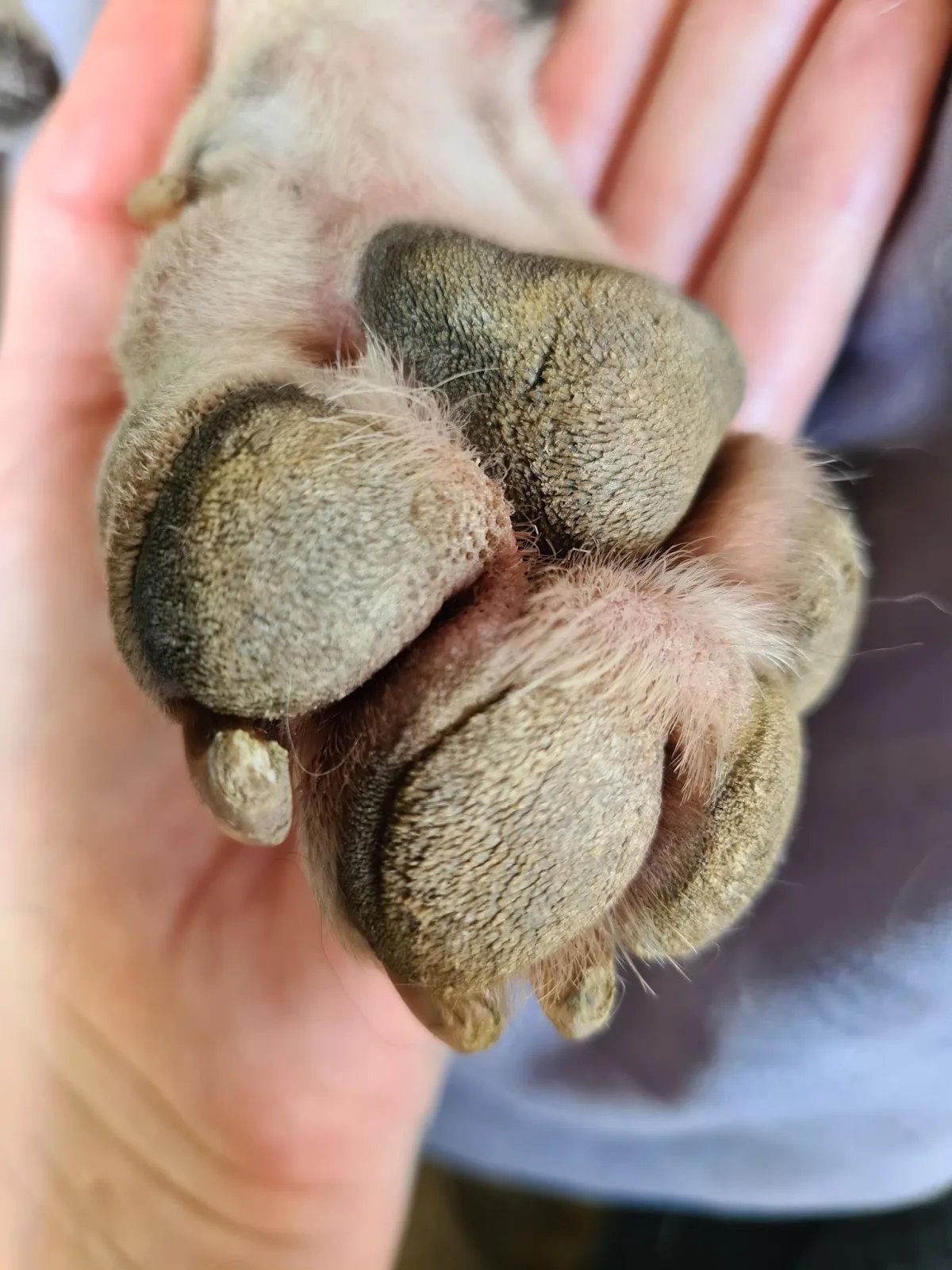
Image source: Bing (Web (fair-use with source credit))
Never give human pain meds like ibuprofen or acetaminophen. These are toxic to dogs. Instead, apply a cold compress to swollen joints for 10 minutes at a time.
If the limp persists beyond 24 hours or worsens, see a vet. Home care isn’t enough for fractures, ligament tears, or infections.
FAQs About Dog Limping
Why is my dog limping but still running?
Dogs often mask pain, especially if they’re excited or distracted. Running doesn’t mean the injury is minor. Watch for subtle signs like favoring a leg after activity or stiffness when getting up.
Can a dog’s limp heal on its own?
Minor strains or small cuts may improve with rest. But if the limp lasts more than a day or keeps returning, it’s likely a deeper issue. Chronic conditions like arthritis or dysplasia won’t resolve without treatment.
How can I tell if my dog’s limp is serious?
Look for non-weight-bearing lameness, severe swelling, or signs of pain like whining or aggression. If your dog can’t stand or their leg looks deformed, it’s an emergency. The AVMA recommends immediate vet care for these cases.
What’s the most common cause of back leg limping in dogs?
ACL (or CCL) tears are the top culprit, especially in active or older dogs. Hip dysplasia and arthritis are also frequent in larger breeds. A vet can confirm the cause with a physical exam and imaging.
Should I walk my dog if they’re limping?
Short, controlled walks are fine if the limp is mild. But avoid long walks, running, or off-leash activity. Overdoing it can turn a minor issue into a major injury.
When in doubt, rest is safer.

Similar Posts