How to Help a Dog During a Seizure
Founder & Veterinary Clinical Advisor at Pets Health Tips · DVM (Doctor of Veterinary Medicine), Member of the American Veterinary Medical Association (AVMA) · 14+ years in companion animal clinical triage, preventative nutrition, and geriatric pet therapy
Seeing your dog have a seizure is terrifying. Knowing what to do during a dog seizure can mean the difference between keeping them safe and making the situation worse. Seizures in dogs often last 30 seconds to 2 minutes, but every second counts when it comes to preventing injury.
The right steps can protect your dog from harm and help you stay calm. As of 2026, veterinary guidelines still emphasize timing and safety as the top priorities.
what to do during a dog seizure
Stay calm and time the seizure. Clear hazards like furniture or stairs. Do not restrain your dog or put your hands near its mouth.
Call your vet if the seizure lasts over 5 minutes or repeats.
Why Immediate Action Matters
A seizure can cause your dog to lose control of their body. Without quick action, they risk injury from falling, hitting objects, or even biting their tongue. The longer a seizure lasts, the higher the risk of complications like overheating or brain damage.
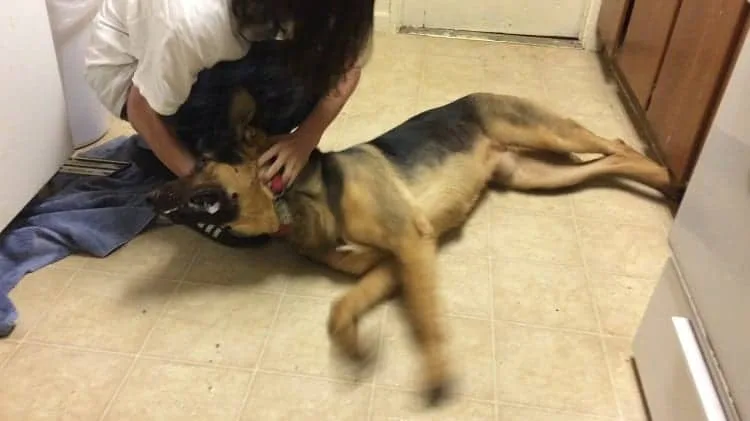
Image source: Bing (Web (fair-use with source credit))
Acting fast also helps you provide critical details to your vet. Note the duration, severity, and any unusual behaviors before or after. This information can help diagnose the cause, whether it’s epilepsy, toxins, or another underlying issue.
Signs Your Dog Is Having a Seizure
Seizures in dogs often start with subtle signs. You might notice stiffness, muscle twitching, or a dazed look. Some dogs collapse suddenly, while others paddle their legs or drool excessively.
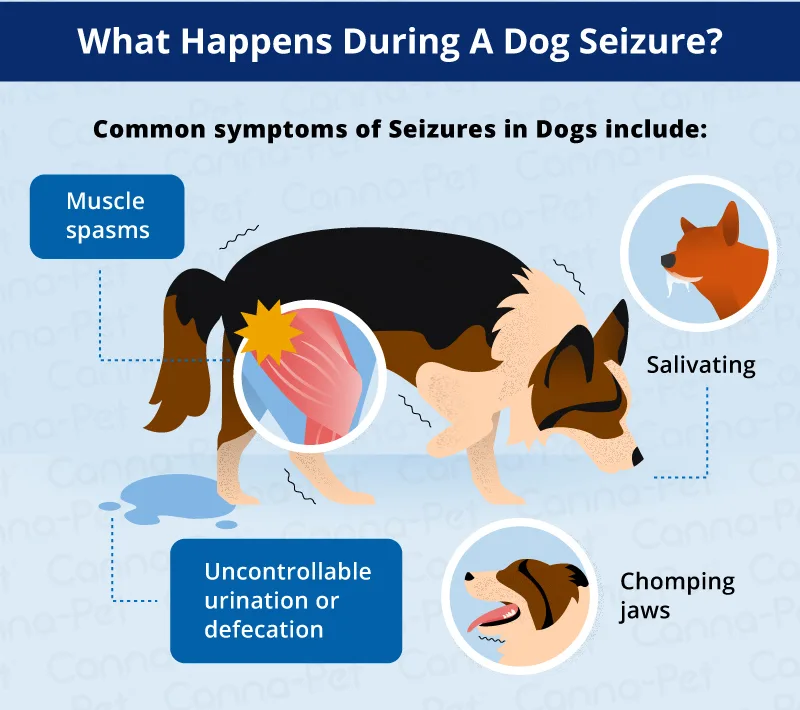
Image source: Bing (Web (fair-use with source credit))
More severe symptoms include convulsions, loss of consciousness, or uncontrollable shaking. Some dogs may vocalize, foam at the mouth, or lose bladder control. These signs can vary depending on the type of seizure, generalized, focal, or cluster.
If your dog shows any of these symptoms, assume it’s a seizure and act immediately. Do not wait to see if it stops on its own.
Step-by-Step: What to Do During the Seizure
First, stay calm. Your dog needs you to be steady. Time the seizure from the moment it starts.
If it lasts longer than 2 minutes, prepare to contact your vet.
Clear the area of anything that could hurt your dog. Move furniture, toys, or other pets out of the way. Do not try to hold your dog down or stop the convulsions.
This can cause injury to both of you.
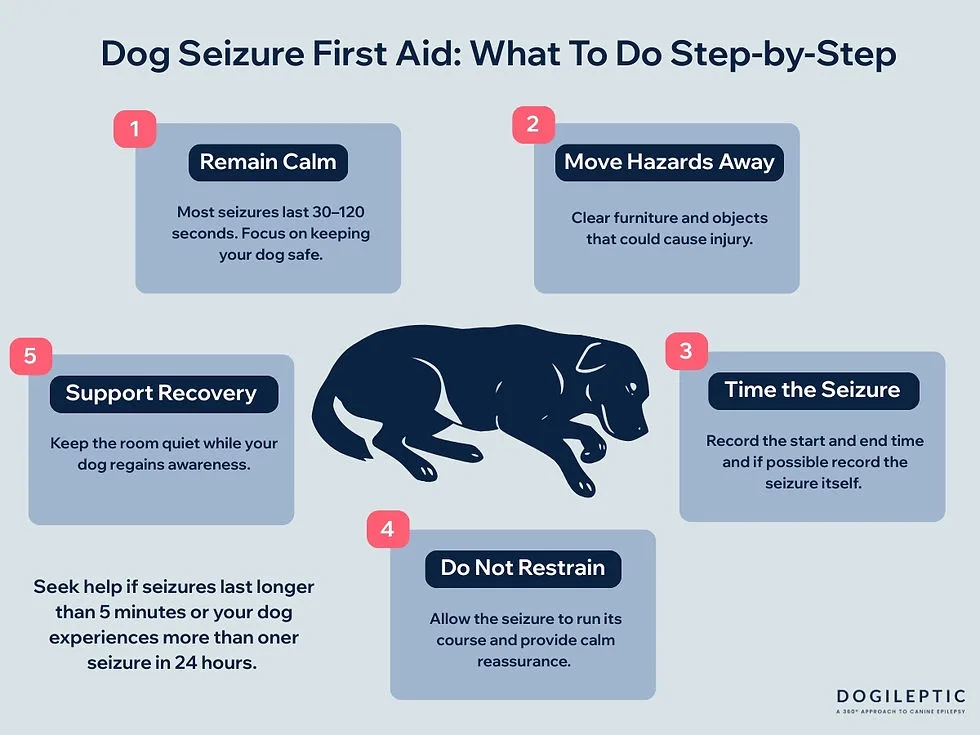
Image source: Bing (Web (fair-use with source credit))
Never put your hands near your dog’s mouth. Despite the myth, they cannot swallow their tongue. Forcing your hands in could result in a serious bite.
Instead, gently guide their head away from hard surfaces if possible.
If the seizure lasts more than 5 minutes, it’s an emergency. Call your vet or an emergency clinic immediately. Prolonged seizures can lead to life-threatening complications.
What to Do After the Seizure Stops
Once the seizure ends, your dog will likely be disoriented. Keep the environment quiet and dimly lit. Offer water once they’re fully alert, but don’t force it.
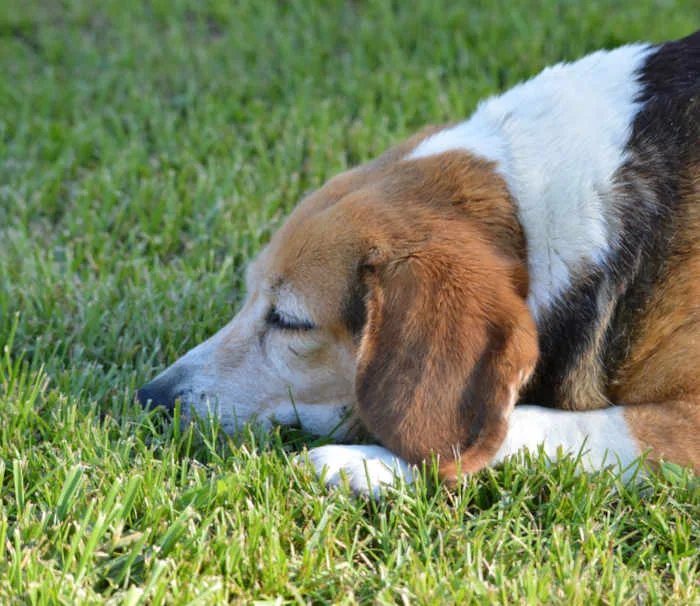
Image source: Bing (Web (fair-use with source credit))
Monitor your dog closely for the next few hours. Note any unusual behavior, such as pacing, confusion, or another seizure. If this is their first seizure or if it’s severe, contact your vet for guidance.
Avoid giving food or treats until your dog is fully recovered. Their coordination may be off, and they could choke. Instead, let them rest in a safe, comfortable space.
When to Rush to the Vet (And When to Monitor)
Take your dog to the vet immediately if the seizure lasts over 5 minutes. This is called status epilepticus and can be life threatening. Also seek emergency care if your dog has multiple seizures in a row without fully recovering between them.
If this is your dog’s first seizure, contact your vet as soon as possible. Even if it stops quickly, underlying causes like toxins, brain tumors, or metabolic issues need evaluation. Puppies, senior dogs, or those with pre-existing conditions should always be checked after a seizure.
For dogs with a history of seizures, monitor closely. If the seizure is typical in duration and recovery, you may not need an emergency visit. But call your vet if the seizure seems worse than usual or if your dog isn’t bouncing back.
Common Mistakes That Can Hurt Your Dog
Trying to restrain your dog during a seizure can cause injury. Their muscles are contracting uncontrollably, and forcing them still can lead to fractures or bites. Instead, focus on clearing the area of hazards.
Putting your hands near their mouth is another common mistake. Dogs don’t swallow their tongues during seizures, and you risk a serious bite. Keep your hands safe and let the seizure run its course.
Ignoring the clock is a critical error. Seizures lasting over 5 minutes require emergency care. Always time the seizure from start to finish to give your vet accurate information.
Giving food or water too soon can lead to choking. Wait until your dog is fully alert and stable before offering anything. Rushing this step can cause more harm than good.
Frequently Asked Questions
Can a dog die from a seizure?
A single, short seizure is rarely fatal. But prolonged seizures or cluster seizures can lead to life threatening complications like overheating or brain damage. Always seek vet care if a seizure lasts over 5 minutes.
What causes seizures in dogs?
Common causes include idiopathic epilepsy, toxins, brain tumors, or metabolic issues. In some cases, the cause is never identified. A vet can help determine the underlying issue through tests and exams.
Should I give my dog medication during a seizure?
Never give medication during a seizure unless your vet has specifically prescribed emergency medication. Administering the wrong drug or dosage can worsen the situation. Follow your vet’s guidance closely.
How can I prevent future seizures?
If your dog has epilepsy, medication can help manage seizures. Avoid known triggers like stress or certain foods. Regular vet check-ups and monitoring are key to long-term management.
Is it safe to leave my dog alone after a seizure?
No. After a seizure, your dog may be disoriented or weak. Stay with them until they’re fully recovered.
Monitor for any signs of another seizure or unusual behavior.

Similar Posts