Early Signs of Heartworm in Dogs to Watch For
Founder & Veterinary Clinical Advisor at Pets Health Tips · DVM (Doctor of Veterinary Medicine), Member of the American Veterinary Medical Association (AVMA) · 14+ years in companion animal clinical triage, preventative nutrition, and geriatric pet therapy
Heartworm disease is silent until it isn’t. The early signs of heartworm in dogs are easy to miss, but catching them early can mean the difference between a simple treatment and a life-threatening emergency. This parasite, spread by mosquitoes, starts small but grows into a serious risk if left unchecked.
As of 2026, the American Heartworm Society reports that over 1 million dogs in the U.S. are diagnosed with heartworm each year. Spotting the first clues is your best shot at protecting your pet.
early signs of heartworm in dogs
A mild, persistent cough is often the first sign. Your dog may seem more tired than usual or reluctant to exercise. Early weight loss or a reduced appetite can also appear.
Some dogs show no symptoms at all in the earliest stages.
Why Early Detection of Heartworm in Dogs Is Critical
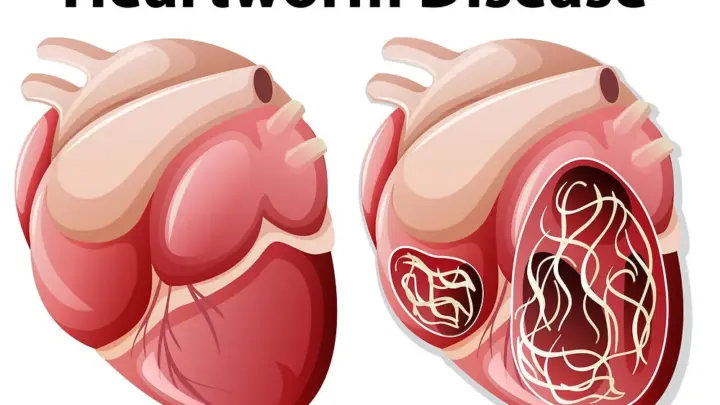
Heartworm disease, caused by Dirofilaria immitis, doesn’t just affect the heart. The worms live in the pulmonary arteries and lungs, slowly damaging these vital organs. The earlier you catch it, the less harm is done.
Without treatment, adult worms can grow up to 12 inches long, clogging blood vessels and straining the heart. Early detection means simpler, safer treatment with a far better chance of full recovery. The American Heartworm Society emphasizes that dogs in the first stage often show no symptoms, making regular testing essential.

Image source: Wikimedia Commons / Nenad Stojkovic (CC BY)
The First Signs Your Dog Might Have Heartworm
The earliest symptoms are subtle. A dry, persistent cough is the most common sign, often mistaken for kennel cough or allergies. Your dog might seem less energetic, sleeping more or showing less interest in play.
Other early signs include weight loss, a decreased appetite, or mild breathing difficulties. These symptoms can be easy to overlook, especially in active dogs. Some dogs show no signs at all until the disease progresses.

Image source: Bing (Web (fair-use with source credit))
How Heartworm Progresses (And Why It’s So Dangerous)
Heartworm starts with a mosquito bite. Larvae enter the dog’s bloodstream and mature over 6 to 7 months. During this prepatent period, they’re undetectable in standard blood tests.
Once mature, adult worms settle in the pulmonary arteries and heart. They reproduce, releasing microfilariae into the bloodstream. This is when symptoms become more noticeable, but damage has already begun.
Without treatment, the worms can live for 5 to 7 years, causing severe lung disease, heart failure, and even death.
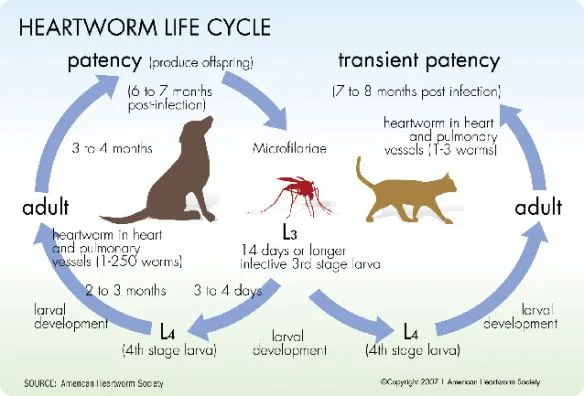
Image source: Bing (Web (fair-use with source credit))
What to Do If You Suspect Heartworm
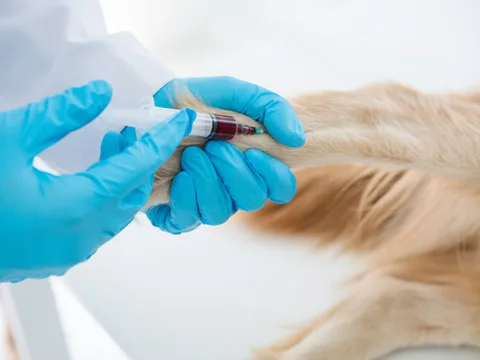
If you notice any early signs, schedule a vet visit immediately. A simple blood test can detect heartworm antigens or microfilariae. The American Heartworm Society recommends annual testing, even for dogs on preventive medication.
If the test is positive, your vet will likely order additional tests, such as X-rays or ultrasounds, to assess the severity. Treatment typically involves a series of injections to kill the adult worms, followed by strict rest to prevent complications. Early cases often require only monitoring and preventive measures.
Heartworm Prevention: The Best Defense
Prevention is simpler and safer than treatment. Monthly heartworm preventatives, available as chewables, topicals, or injections, kill larvae before they mature. The American Heartworm Society recommends year-round prevention, even in colder climates.
Some owners opt for natural alternatives, but these lack FDA approval and proven efficacy. Stick with vet-approved options like Heartgard, Interceptor, or Revolution. Consistency is key, as missed doses leave dogs vulnerable.

Image source: Bing (Web (fair-use with source credit))
Common Mistakes That Put Dogs at Risk
Skipping monthly preventatives is the most common mistake. Even one missed dose can leave your dog unprotected. Another error is assuming indoor dogs are safe, as mosquitoes can get inside.
Some owners stop prevention in winter, but mosquitoes can survive in warm indoor environments. Finally, relying on natural remedies without proven effectiveness can leave dogs exposed to infection. Always follow your vet’s recommendations.

Similar Posts