Dog Bloat: Symptoms & Emergency Signs to Watch
Founder & Veterinary Clinical Advisor at Pets Health Tips · DVM (Doctor of Veterinary Medicine), Member of the American Veterinary Medical Association (AVMA) · 14+ years in companion animal clinical triage, preventative nutrition, and geriatric pet therapy
Dog bloat symptoms and emergency signs can mean the difference between life and death for your pet. This condition, known as gastric dilatation-volvulus (GDV), progresses rapidly and requires immediate veterinary intervention. Without treatment, mortality rates can exceed 50%, but prompt action can push survival rates above 80%.
As of 2026, vets still see too many cases where owners mistake early bloat for simple indigestion. Recognizing the signs early is your best defense.
dog bloat symptoms and emergency signs
Bloat in dogs causes a swollen abdomen and unproductive retching. Pale gums and rapid breathing signal shock. Restlessness and pacing are early red flags.
Collapse means minutes count.
Why Dog Bloat Is a Life-or-Death Emergency
GDV isn’t just a stomachache. It’s a two-part crisis: first, the stomach fills with gas, then it twists, cutting off blood flow. Without treatment, toxins build up, organs fail, and death can occur in hours.
This isn’t a wait-and-see situation. Every minute delays increase the risk of irreversible damage. Even with surgery, some dogs don’t survive if treatment is delayed too long.
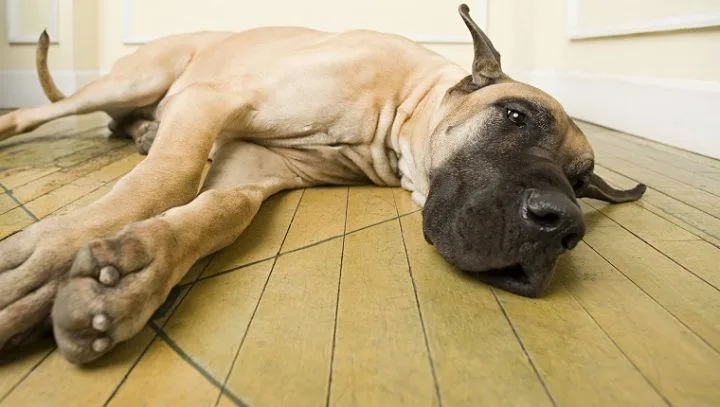
Image source: Bing (Web (fair-use with source credit))
The 7 Critical Symptoms of Bloat (And How to Spot Them Fast)
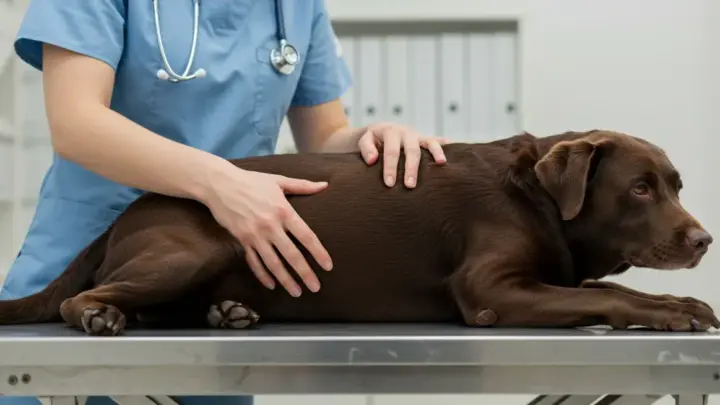
Watch for a distended abdomen that feels hard to the touch. Unproductive vomiting, retching with nothing coming up, is a classic sign. Excessive drooling or foaming at the mouth often appears early.
Restlessness and pacing indicate discomfort. Pale gums signal poor circulation. Rapid breathing or panting means oxygen levels are dropping.
Collapse or inability to stand is a late-stage emergency.
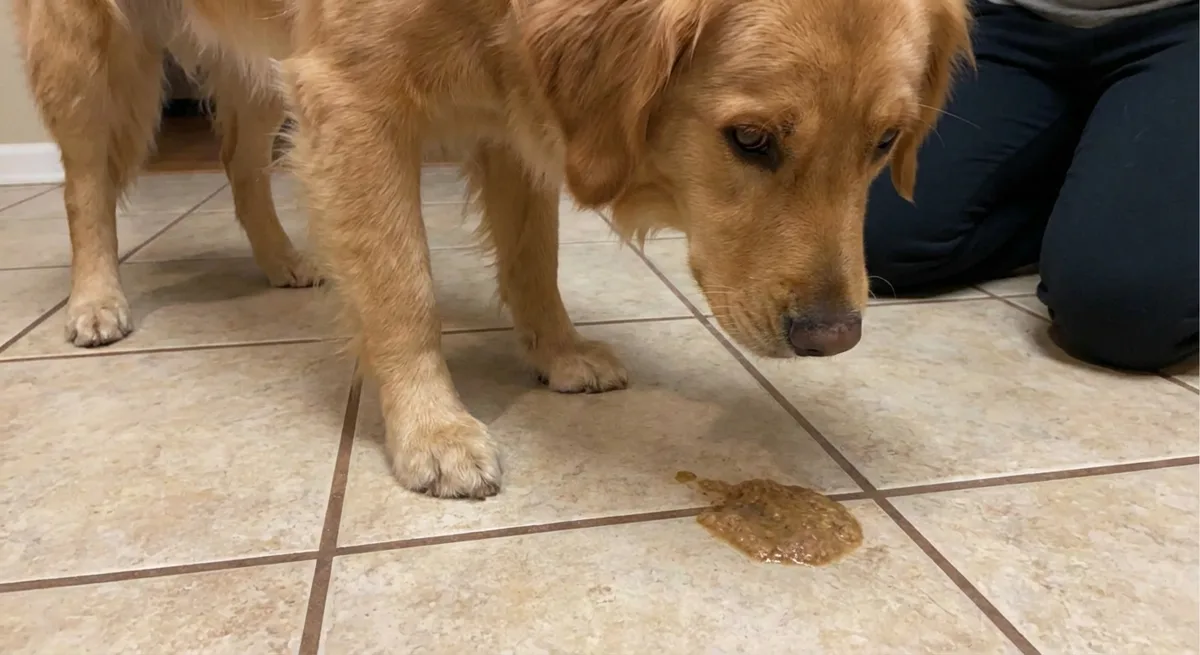
Image source: Bing (Web (fair-use with source credit))
What’s Actually Happening Inside Your Dog’s Body
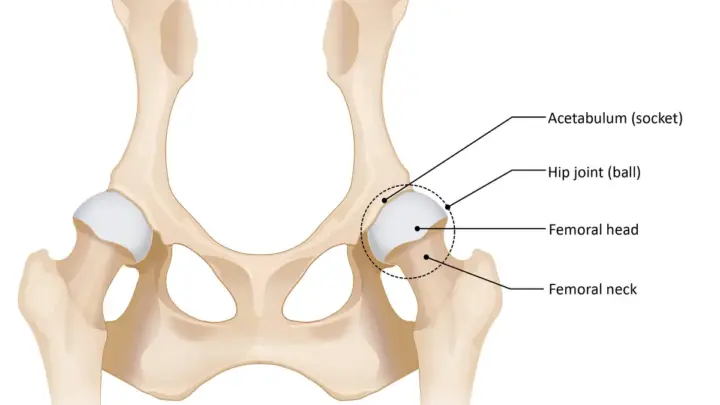
GDV starts with gastric dilation, where the stomach fills with air, food, or fluid. This expansion presses on the diaphragm, making breathing difficult. Then, the stomach twists (volvulus), trapping contents and cutting off blood supply.
The twist blocks the entrance and exit of the stomach. Blood flow to the stomach wall and spleen is compromised. Toxins accumulate as tissue dies.
Without surgery, the condition is almost always fatal.
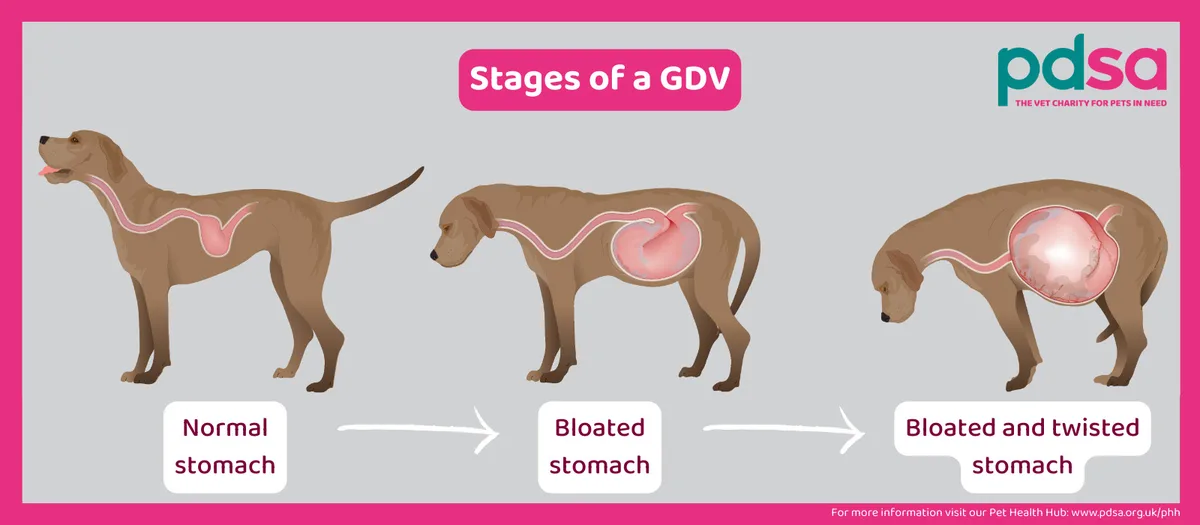
Image source: Bing (Web (fair-use with source credit))
Which Dogs Are at Highest Risk (And Why)
Large and giant breeds are most vulnerable. Great Danes, Weimaraners, and Saint Bernards top the list. Deep-chested breeds like Irish Setters and Standard Poodles are also high risk.
Age plays a role, with older dogs more susceptible. Males are more prone than females. Dogs with a family history of bloat are at higher risk.
Eating too fast or exercising after meals can trigger it.

Image source: Bing (Web (fair-use with source credit))
Step-by-Step: What to Do If You Suspect Bloat
Stay calm but act fast. Time is critical, and panic can make things worse. Your first move is to call your vet or the nearest emergency clinic.
Do not offer food or water. This can worsen the condition or cause choking. Keep your dog as still as possible to prevent further twisting.
If your dog is conscious, try to keep them standing or sitting. Avoid letting them lie down, as this can increase pressure on the stomach. Transport them carefully to the vet, supporting their body to minimize movement.
Do not attempt home remedies. Over-the-counter medications, like antacids, won’t help and can delay proper treatment. Never try to "burp" your dog or force them to vomit unless instructed by a vet.
Common Mistakes That Cost Dogs Their Lives
Waiting to see if symptoms improve is the biggest mistake. Bloat can kill within hours, and early treatment is key. Many owners assume their dog just ate too much or has an upset stomach.
Giving food or water can make the situation worse. It adds more material to an already distended stomach. Some owners try to induce vomiting, which can be dangerous if the stomach is twisted.
Ignoring restlessness or pacing can be fatal. These are early signs of discomfort that often get dismissed. Delaying a vet visit because of cost concerns can have tragic consequences.
Assuming small dogs are safe is another error. While large breeds are at higher risk, bloat can affect any dog. Skipping preventive measures, like feeding smaller meals, increases the risk for at-risk breeds.

Similar Posts