Bloat vs Gas in Dogs: Key Differences
Founder & Veterinary Clinical Advisor at Pets Health Tips · DVM (Doctor of Veterinary Medicine), Member of the American Veterinary Medical Association (AVMA) · 14+ years in companion animal clinical triage, preventative nutrition, and geriatric pet therapy
Your dog’s stomach looks a little round, and now you’re panicking over bloat vs normal gas in dogs. It’s a scary moment because one is harmless, and the other can kill in hours. Knowing the difference could save your dog’s life.
Bloat, or Gastric Dilatation-Volvulus (GDV), kills about 20-45% of affected dogs even with treatment, per veterinary studies. That’s why spotting the red flags early is critical.
bloat vs normal gas in dogs
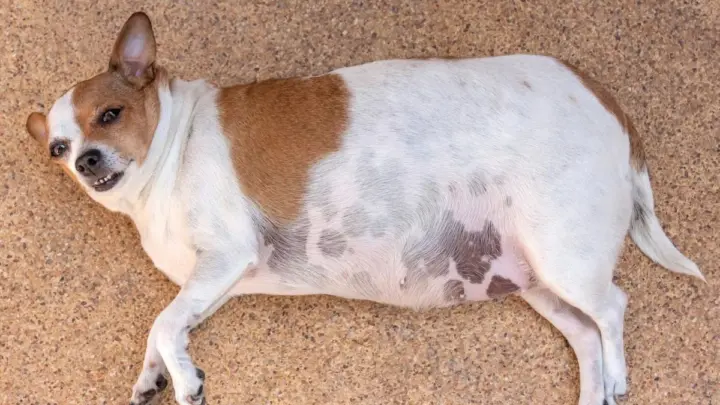
Bloat is a life-threatening stomach twist with a hard, swollen belly and unproductive vomiting. Normal gas causes mild flatulence or gurgling with no distress. Bloat makes dogs pace, drool, and retch.
Normal gas doesn’t change behavior. Bloat needs a vet immediately.
Why This Difference Is Life-or-Death
GDV isn’t just a bad stomachache. It’s a rapid, progressive condition where the stomach fills with gas and twists, cutting off blood flow. Without treatment, dogs can die within hours.
Normal gas, on the other hand, is a routine part of digestion. It might be smelly or loud, but it doesn’t cause pain or systemic issues. The key is recognizing when discomfort crosses into danger.
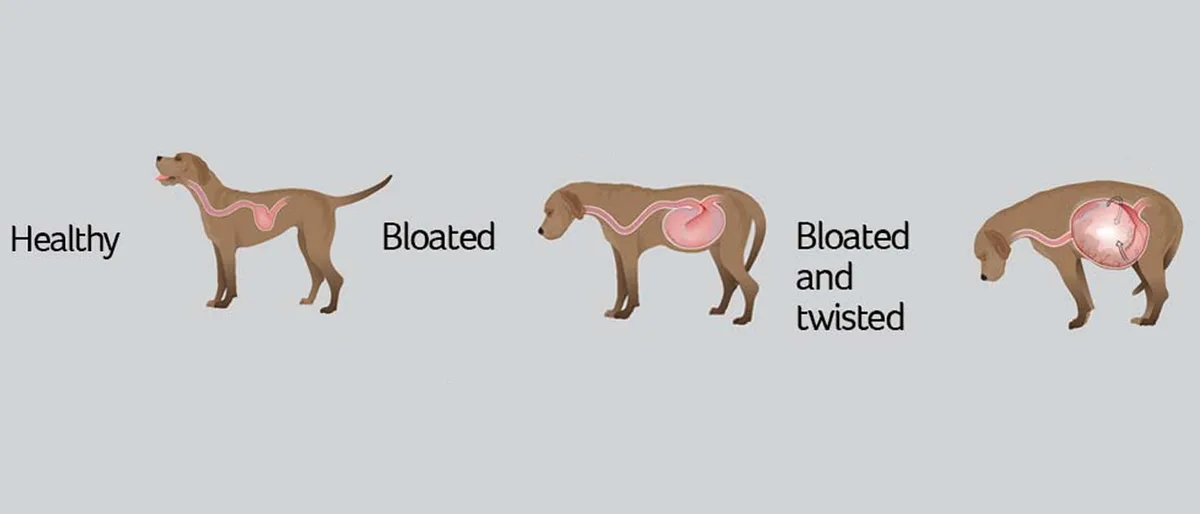
Image source: Bing (Web (fair-use with source credit))
Image source: Bing (Web (fair-use with source credit))
Bloat vs. Normal Gas: The Key Signs
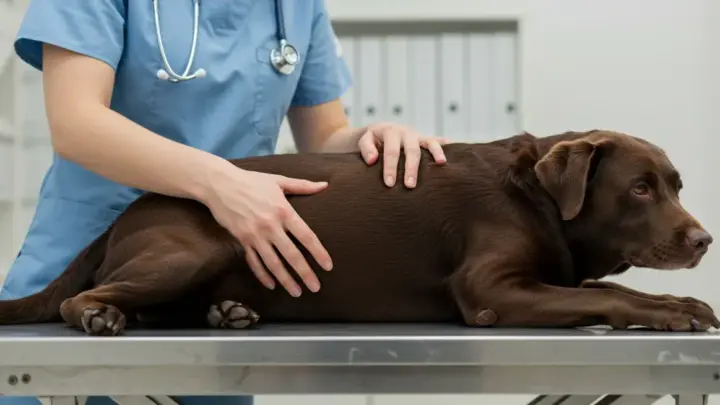
Bloat symptoms escalate fast. You’ll see a distended abdomen that feels hard to the touch. The dog may retch without bringing anything up, pace restlessly, or drool excessively.
Their gums might turn pale, and their breathing can become rapid.
Normal gas is far less dramatic. Your dog might pass gas, have a slightly gurgling stomach, or show mild discomfort that resolves quickly. There’s no pacing, no unproductive vomiting, and no signs of pain.
| Sign | Bloat (GDV) | Normal Gas |
|---|---|---|
| Abdominal distension | Severe, hard belly | Mild or none |
| Pain level | Extreme (whining, pacing) | None or minimal |
| Vomiting | Unproductive retching | Rare or bile-only |
| Behavior | Agitated, restless | Normal |
| Urgency | Emergency (vet NOW) | Monitor, adjust diet |
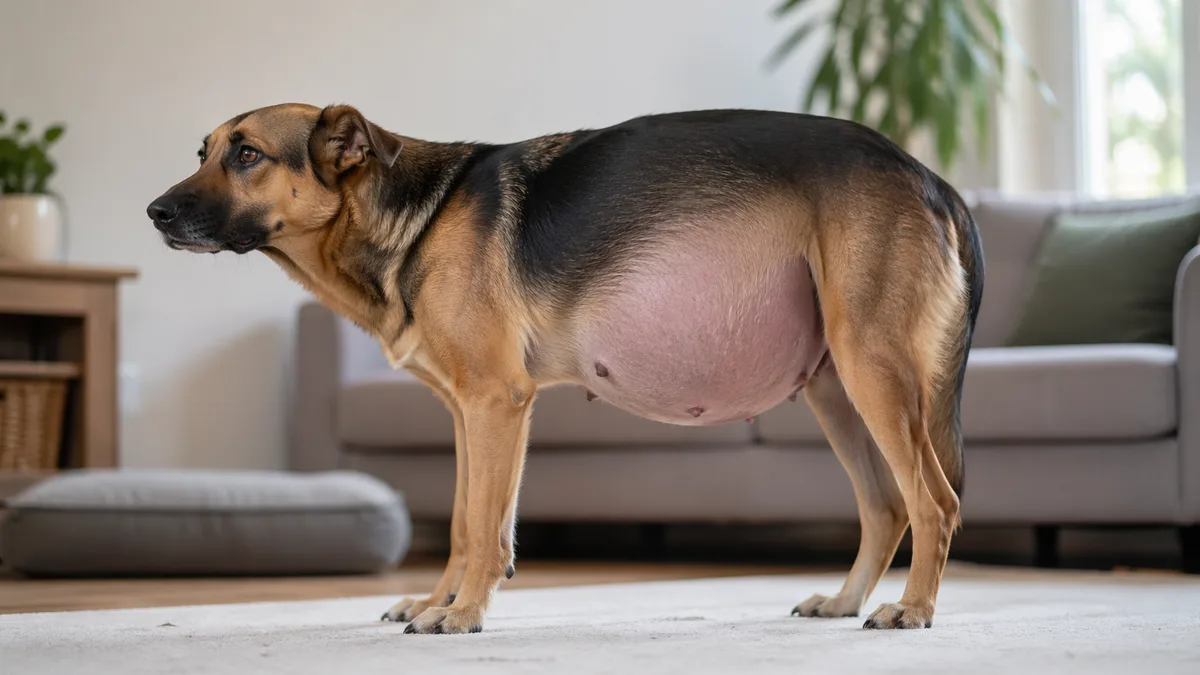
Image source: Bing (Web (fair-use with source credit))
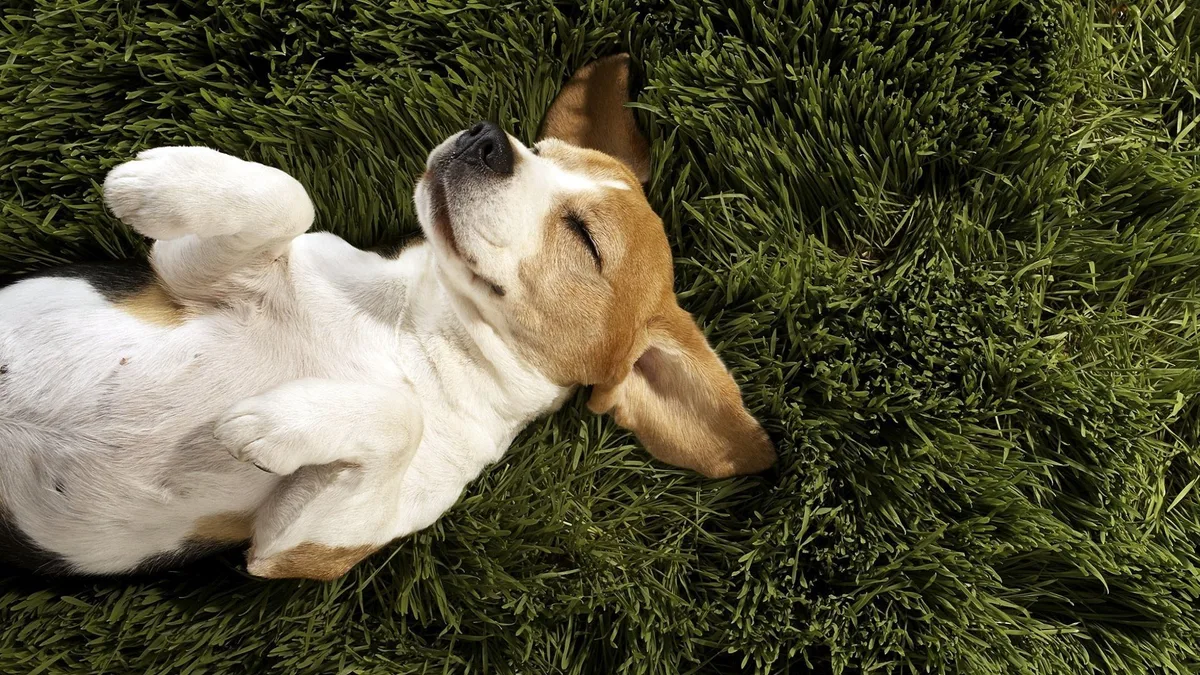
Image source: Bing (Web (fair-use with source credit))
Who’s at Risk and Why
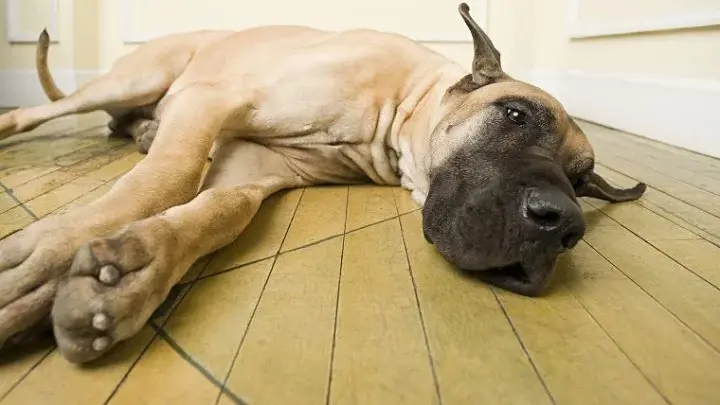
Certain dogs are far more prone to bloat. Deep-chested breeds like Great Danes, Weimaraners, and Saint Bernards top the list. Large breeds and older dogs are also at higher risk.
Diet and habits play a role too. Dogs that eat too fast, consume large meals, or exercise right after eating are more susceptible. High-fat diets or foods that ferment easily can also increase the risk.
What to Do Right Now If You Suspect Bloat
If you see signs of bloat, act immediately. Call your vet or the nearest emergency clinic. Do not wait to see if it improves.
Keep your dog calm and restrict their movement. Avoid giving them food or water, as this can worsen the condition. Every minute counts, so get them to a vet as fast as possible.
How to Prevent Bloat in High-Risk Dogs
Prevention starts with feeding habits. Split meals into 2-3 smaller portions daily instead of one large meal. This reduces stomach distension and lowers GDV risk.
Use slow-feeder bowls to force dogs to eat more slowly. Avoid exercise for at least an hour before and after meals. Elevated bowls are controversial, some studies suggest they may increase risk in deep-chested breeds.
Monitor your dog’s diet closely. Avoid high-fat foods and ingredients that ferment easily. Stick to high-quality, easily digestible kibble.
Always ensure fresh water is available, but limit large amounts right after eating.
Frequently Asked Questions
Can a dog survive bloat without surgery?
No. Bloat requires immediate veterinary intervention. Surgery is often necessary to untwist the stomach and prevent recurrence.
Without treatment, the mortality rate is nearly 100%.
How quickly does bloat progress in dogs?
Bloat can become life-threatening within hours. Symptoms can escalate from mild discomfort to shock in as little as 2-4 hours. Immediate action is critical.
Are certain breeds more prone to bloat?
Yes. Deep-chested breeds like Great Danes, Weimaraners, and Saint Bernards are at highest risk. Large breeds and older dogs are also more susceptible.
Can normal gas turn into bloat?
No. Normal gas is a digestive byproduct and doesn’t lead to bloat. However, chronic gas or digestive issues should be checked by a vet to rule out underlying problems.
What’s the best way to feed a dog to prevent bloat?
Feed smaller, more frequent meals. Use slow-feeder bowls. Avoid exercise around mealtime.
Stick to a consistent, high-quality diet.
Is bloat always fatal?
Not if treated quickly. With prompt veterinary care, survival rates improve significantly. Delaying treatment drastically reduces the chances of survival.

Similar Posts