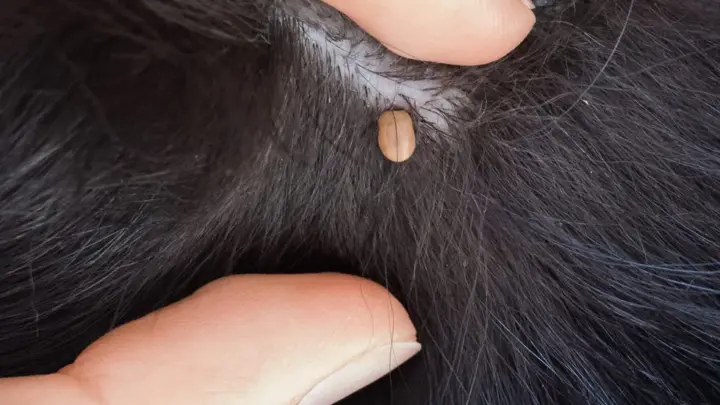
Heartworm Testing Schedule for Dogs: Key Guidelines
Founder & Veterinary Clinical Advisor at Pets Health Tips · DVM (Doctor of Veterinary Medicine), Member of the American Veterinary Medical Association (AVMA) · 14+ years in companion animal clinical triage, preventative nutrition, and geriatric pet therapy
Heartworm disease is a silent threat to dogs, but following the right heartworm testing schedule for dogs can prevent serious health issues. This parasite spreads through mosquito bites and, if undetected, can cause lasting damage to your dog’s heart and lungs.
The American Heartworm Society recommends annual testing for all dogs, even those on preventatives, because no prevention method is 100% foolproof. As of 2026, heartworm cases are rising in areas previously considered low-risk, making consistent testing more critical than ever.
heartworm testing schedule for dogs
The standard heartworm testing schedule for dogs is an annual antigen test. Puppies under 7 months may not need testing if they’ve been on preventatives since birth. Dogs over 7 months should be tested before starting prevention.
Retest every 12 months after that.
Annual testing catches infections early. It also confirms preventatives are working. Missed doses or late treatments can lead to false security.
Why Heartworm Testing Schedules Matter for Your Dog
Heartworm disease is caused by Dirofilaria immitis, a parasite transmitted by mosquitoes. Without testing, dogs can harbor worms for months before showing symptoms like coughing, fatigue, or weight loss. By the time signs appear, the damage to the heart and lungs may already be severe.
Early detection through regular testing allows for safer, more effective treatment. The American Heartworm Society (AHS) emphasizes that prevention is far cheaper and less risky than treatment, which can cost thousands and carry significant health risks for your dog.

Image source: Bing (Web (fair-use with source credit))
The Core Testing Schedule: What the Experts Recommend
The AHS provides clear guidelines for a heartworm testing schedule for dogs. Puppies under 7 months old can start prevention without an initial test if they’ve had no prior exposure. However, they should be tested 6 months after their first dose to ensure no infection occurred before prevention began.
For adult dogs, the recommendation is straightforward: test annually. This applies even if your dog is on year-round preventatives. The test checks for antigens produced by adult female heartworms, which can take 6 to 7 months to appear after infection.
Dogs not on preventatives should be tested every 6 to 12 months, depending on their risk level. If you live in a high-risk area or your dog has missed doses, more frequent testing may be necessary.
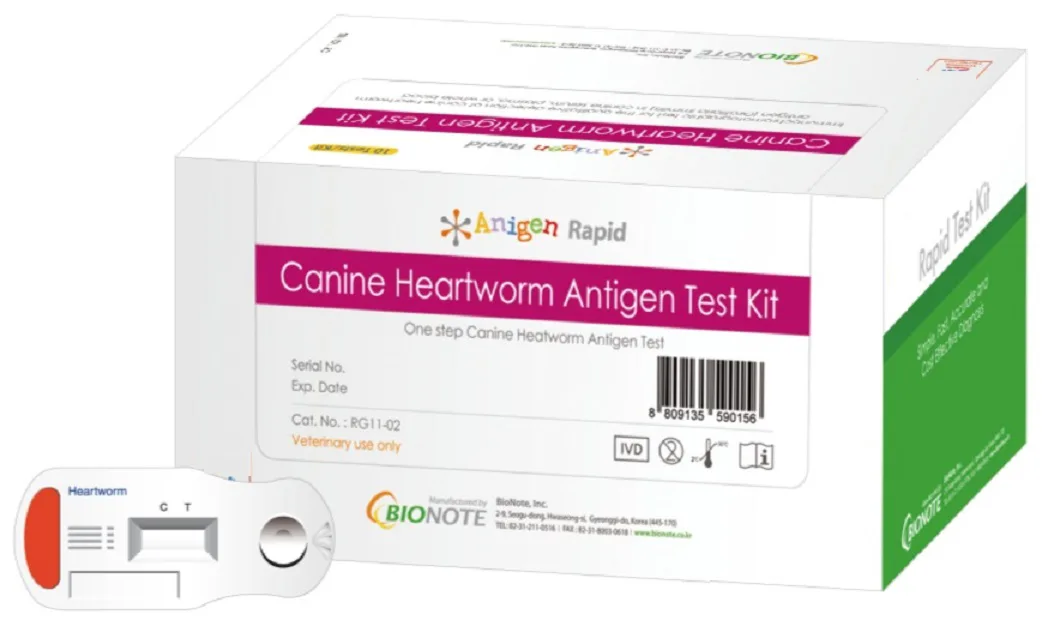
Image source: Bing (Web (fair-use with source credit))
How Heartworm Testing Works (And Why Timing Is Everything)
Heartworm testing typically involves an antigen test, which detects proteins released by adult female heartworms. This test is highly accurate but can’t detect infections in the first 5 to 6 months, as the worms need time to mature. A microfilaria test may also be used to check for the presence of baby worms in the bloodstream.
The timing of the test is crucial. If your dog was exposed to heartworms, testing too soon can yield a false negative. That’s why the AHS recommends testing 6 months after any potential exposure, such as a missed dose of preventative or travel to a high-risk area.

Image source: Bing (Web (fair-use with source credit))
When to Test More Often: High-Risk Scenarios & Exceptions
Certain situations call for more frequent testing than the standard annual schedule. If your dog has missed one or more doses of preventative, test immediately and again 6 months later. This ensures any potential infection is caught early.
Dogs in high-risk areas, such as the Southeast U.S. or regions with warm, humid climates, may benefit from testing every 6 months. Additionally, if your dog shows symptoms like a persistent cough, lethargy, or difficulty breathing, test right away, these could be signs of heartworm disease.
Traveling with your dog to a high-risk area also warrants extra caution. Test before the trip and again 6 months afterward to account for the heartworm lifecycle.
Common Mistakes That Put Dogs at Risk
Skipping annual tests is the most common mistake, even for dogs on preventatives. No prevention method is 100% effective, and missed doses or late treatments can leave gaps in protection. The American Heartworm Society reports that up to 1 in 100 dogs on preventatives still test positive due to compliance issues.
Another frequent error is testing too soon after potential exposure. Heartworm antigen tests can’t detect infections until the worms mature, which takes 6 to 7 months. Testing earlier may give a false negative, leading owners to assume their dog is safe when they’re not.
Some owners also assume indoor dogs don’t need testing. Mosquitoes can get inside, and studies show indoor dogs still account for about 25% of heartworm cases. Risk isn’t just about outdoor exposure, it’s about geography and mosquito activity.
Heartworm Prevention vs. Testing: How They Work Together
Prevention and testing are a team effort. Monthly preventatives kill larval heartworms before they mature, but they don’t eliminate existing adult worms. That’s why testing is essential to catch infections that may have started before prevention began.
The most common preventatives include ivermectin, selamectin, and moxidectin, available as chewables, topicals, or injections. ProHeart 12, for example, offers 12 months of protection in a single shot. However, even with these options, annual testing remains critical to confirm the prevention is working.

Image source: Bing (Web (fair-use with source credit))
Preventatives don’t just stop heartworms. Many also protect against other parasites like fleas, ticks, and intestinal worms. But they’re not a substitute for testing.
The Companion Animal Parasite Council (CAPC) stresses that prevention reduces risk but doesn’t eliminate the need for regular screenings.

Similar Posts