How Do Dogs Get Heartworm Disease?
Founder & Veterinary Clinical Advisor at Pets Health Tips · DVM (Doctor of Veterinary Medicine), Member of the American Veterinary Medical Association (AVMA) · 14+ years in companion animal clinical triage, preventative nutrition, and geriatric pet therapy
Heartworm disease is a silent killer that can take your dog’s life before you even notice. Understanding how dogs get heartworm disease is the first step to stopping it, because once the damage is done, treatment is risky and expensive.
As of 2026, the American Heartworm Society reports that 1 in 100 dogs in the U.S. tests positive for heartworm. The good news is that prevention is simple and effective if you know how it spreads.
how dogs get heartworm disease
Dogs get heartworm disease from mosquito bites. A mosquito picks up larvae from an infected dog and transmits them to another dog. The larvae mature into adult worms in the heart and lungs.
This process takes about 6 to 7 months.
Why This Matters More Than You Think
Heartworm isn’t just a southern problem. Cases have been reported in all 50 states, and the disease is spreading. The parasites can live for 5 to 7 years in your dog, silently damaging the heart, lungs, and blood vessels.
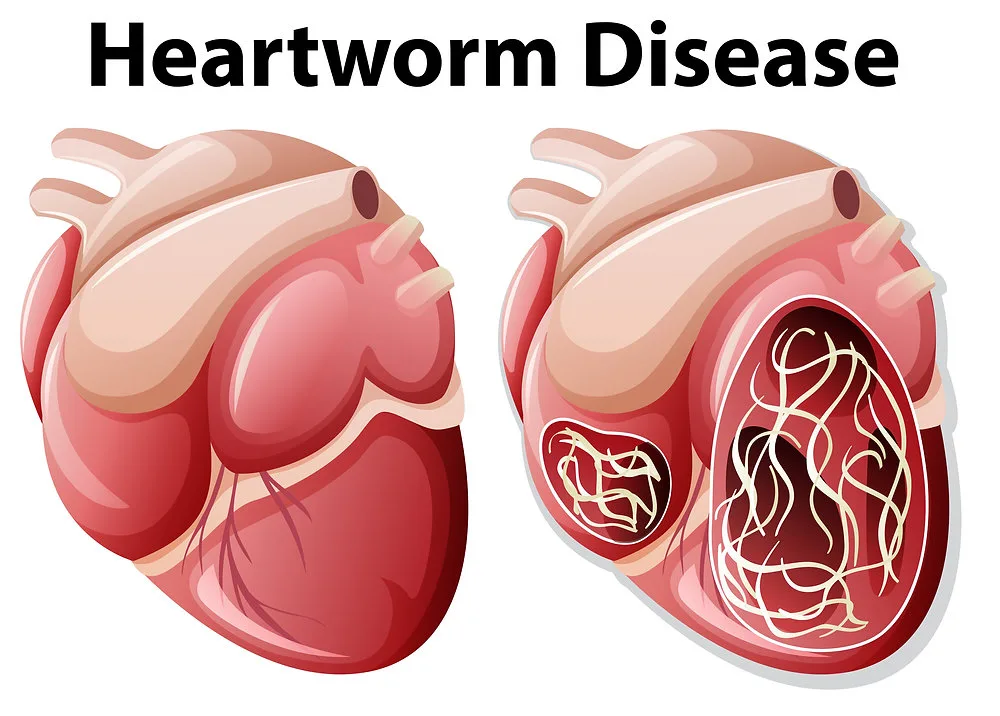
Image source: Bing (Web (fair-use with source credit))
Left untreated, heartworm can lead to heart failure, lung disease, and even death. The treatment is costly, often exceeding $1,000, and carries its own risks. Prevention is the only reliable way to protect your dog.
The Exact Way Dogs Catch Heartworm
The transmission starts with a mosquito. When a mosquito bites an infected dog, it ingests tiny larvae called microfilariae. These larvae mature inside the mosquito over 10 to 14 days.
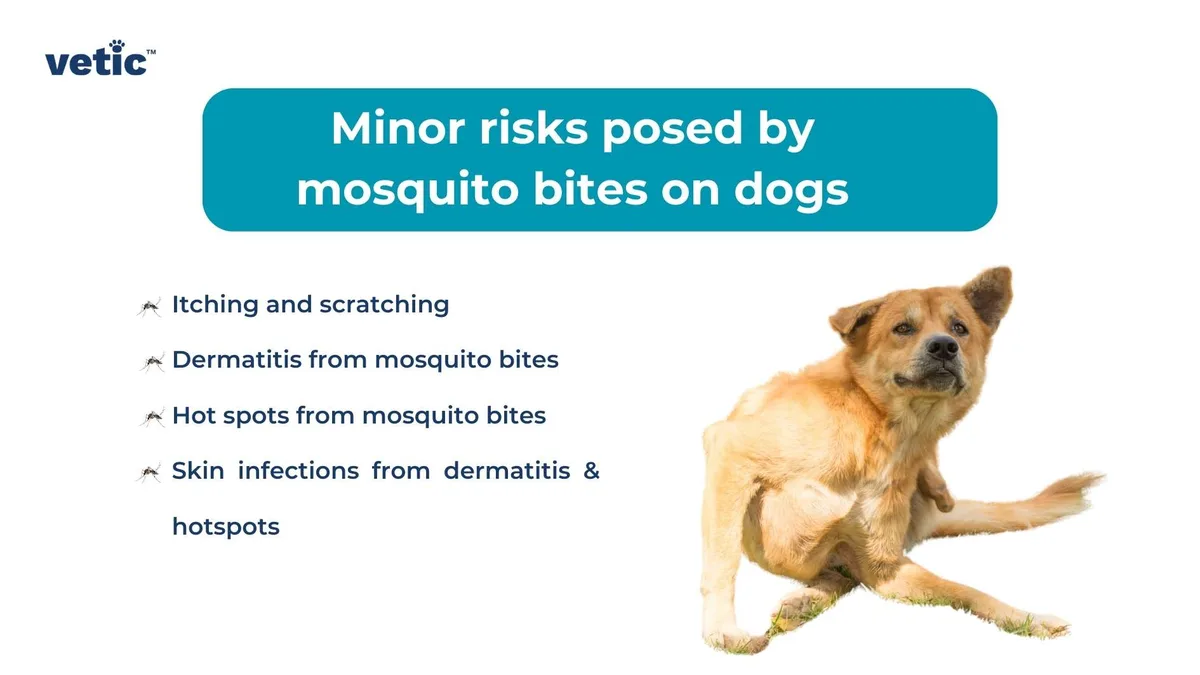
Image source: Bing (Web (fair-use with source credit))
When that mosquito bites another dog, the larvae enter the dog’s bloodstream. They migrate to the heart and lungs, where they grow into adult worms. Direct dog-to-dog transmission doesn’t happen, so mosquitoes are the only vector.
The 6-Stage Life Cycle That Makes It Sneaky
The heartworm life cycle has six stages, which is why it’s so hard to detect early. It begins when a mosquito bites an infected dog and picks up microfilariae. These larvae develop inside the mosquito for 10 to 14 days.
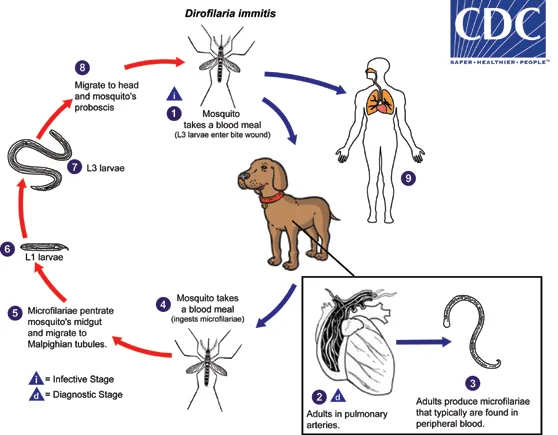
Image source: Bing (Web (fair-use with source credit))
Once transmitted to a new dog, the larvae take about 6 to 7 months to mature into adult worms. During this time, they migrate through the dog’s tissues to the heart and lungs. Adult worms can live for years, producing new microfilariae that continue the cycle.
Who’s at Risk (And It’s Probably Your Dog)
Any dog can get heartworm, regardless of age, breed, or lifestyle. Outdoor dogs are at higher risk, but indoor dogs aren’t safe either. Mosquitoes can get inside homes, so even a dog that rarely goes outside can be infected.
Geography plays a role, too. The highest rates are in the Southeast, particularly along the Gulf Coast and Mississippi River Valley. But heartworm has been reported in all 50 states, so no dog is truly safe without prevention.
How to Prevent It the Right Way
Prevention is the only sure way to protect your dog. Monthly heartworm preventives kill larvae before they mature. These come as chewable tablets, topical treatments, or injections.

Image source: Bing (Web (fair-use with source credit))
The American Heartworm Society recommends year-round prevention, even in colder climates. Mosquitoes can survive indoors or in warm spells, so skipping doses puts your dog at risk. Annual testing is also critical, as no preventive is 100% effective.
What Happens If Your Dog Gets Infected
Early heartworm disease often has no symptoms. As the worms grow, your dog may develop a cough, tire easily, or lose weight. Severe cases can lead to heart failure or a life-threatening condition called caval syndrome.
Treatment involves a series of injections to kill the adult worms. This process is expensive and can be hard on your dog. Restricted activity is required for weeks afterward to prevent complications from dying worms.
FAQs About Heartworm You Need to Know
Can humans get heartworm from dogs?
No, humans cannot get heartworm from dogs. The parasites require a mosquito to complete their life cycle. Rare cases in humans involve larvae that don’t mature into adult worms.
Is heartworm contagious between dogs?
No, heartworm is not contagious between dogs. It can only spread through mosquito bites. Direct contact, sharing bowls, or other interactions won’t transmit the disease.
How long does it take for heartworm to show up on a test?
Heartworm tests detect adult worms, which take about 6 to 7 months to mature. A dog tested too soon after exposure may show a false negative. Annual testing ensures early detection.

Similar Posts