Puppy Hip Dysplasia: Early Warning Signs to Watch
Founder & Veterinary Clinical Advisor at Pets Health Tips · DVM (Doctor of Veterinary Medicine), Member of the American Veterinary Medical Association (AVMA) · 14+ years in companion animal clinical triage, preventative nutrition, and geriatric pet therapy
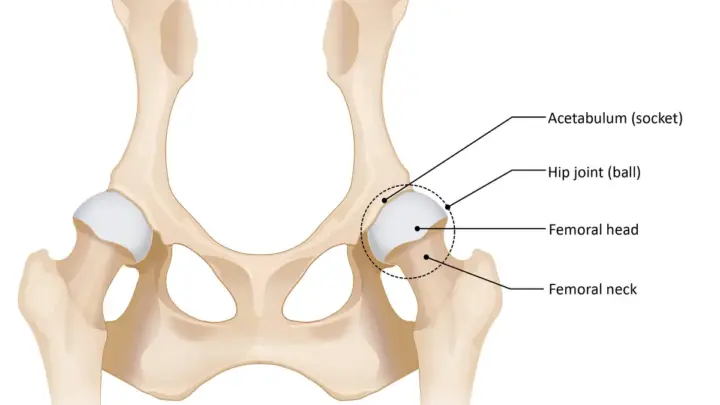
Your puppy’s stiff gait or reluctance to play might be the first clue. Puppy hip dysplasia warning signs often appear subtle at first, but catching them early can prevent lifelong pain. This joint condition affects how the ball and socket of the hip fit together, and it’s especially common in large breeds.
Per the Orthopedic Foundation for Animals, hip dysplasia is detected in roughly 15 to 20 percent of large and giant breed dogs. Left unchecked, it leads to arthritis and mobility issues, so knowing the signs is your best defense.
puppy hip dysplasia warning signs
The earliest red flags include a swaying walk or bunny-hopping gait. You may notice your pup struggling to stand after resting. Reluctance to jump or climb stairs is another key indicator.
Some puppies show no pain but still move differently. Lameness in one or both hind legs often comes and goes.
The 7 Early Warning Signs You Can’t Miss
Watch for a stiff or wobbly rear end, especially after naps. A bunny-hopping run, where both back legs move together, is a classic sign. Difficulty rising from a sitting or lying position is another warning.
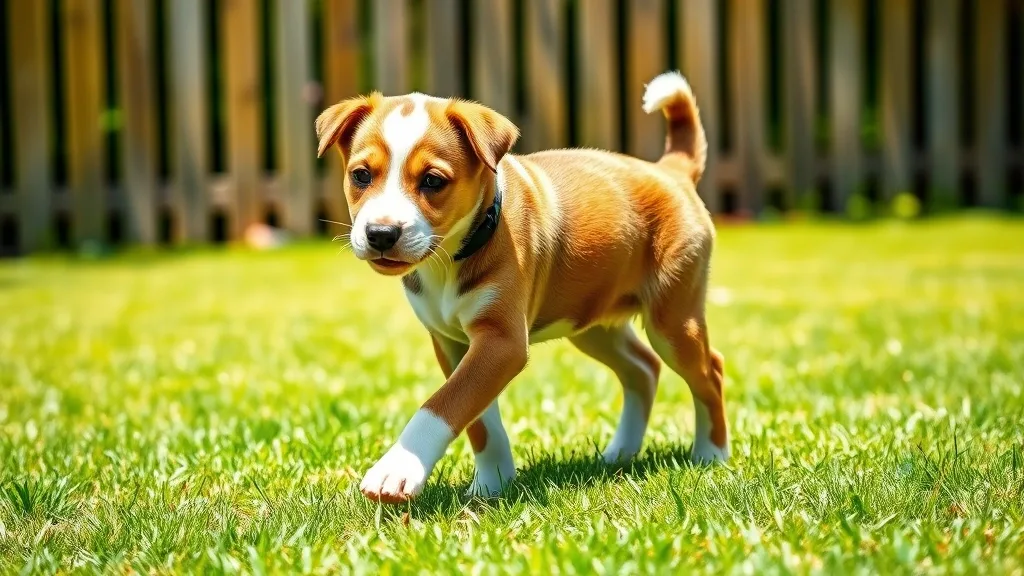
Image source: Bing (Web (fair-use with source credit))
Some puppies avoid activities they once loved, like fetching or running. A clicking or grinding sound in the hips during movement can also signal joint issues. You might notice muscle loss in the hind legs over time.
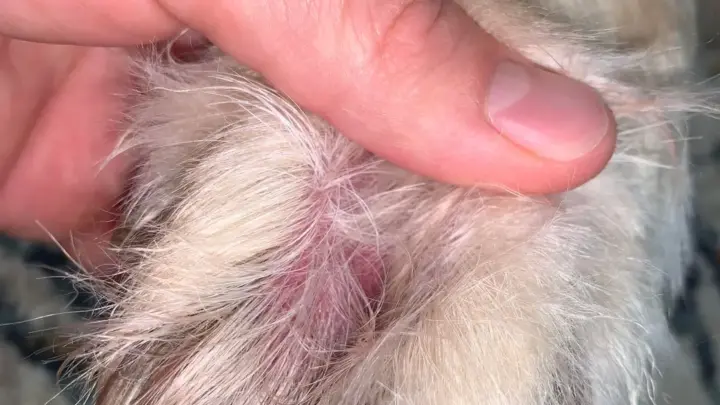
Finally, pain when the hips are touched or moved is a late but serious sign.
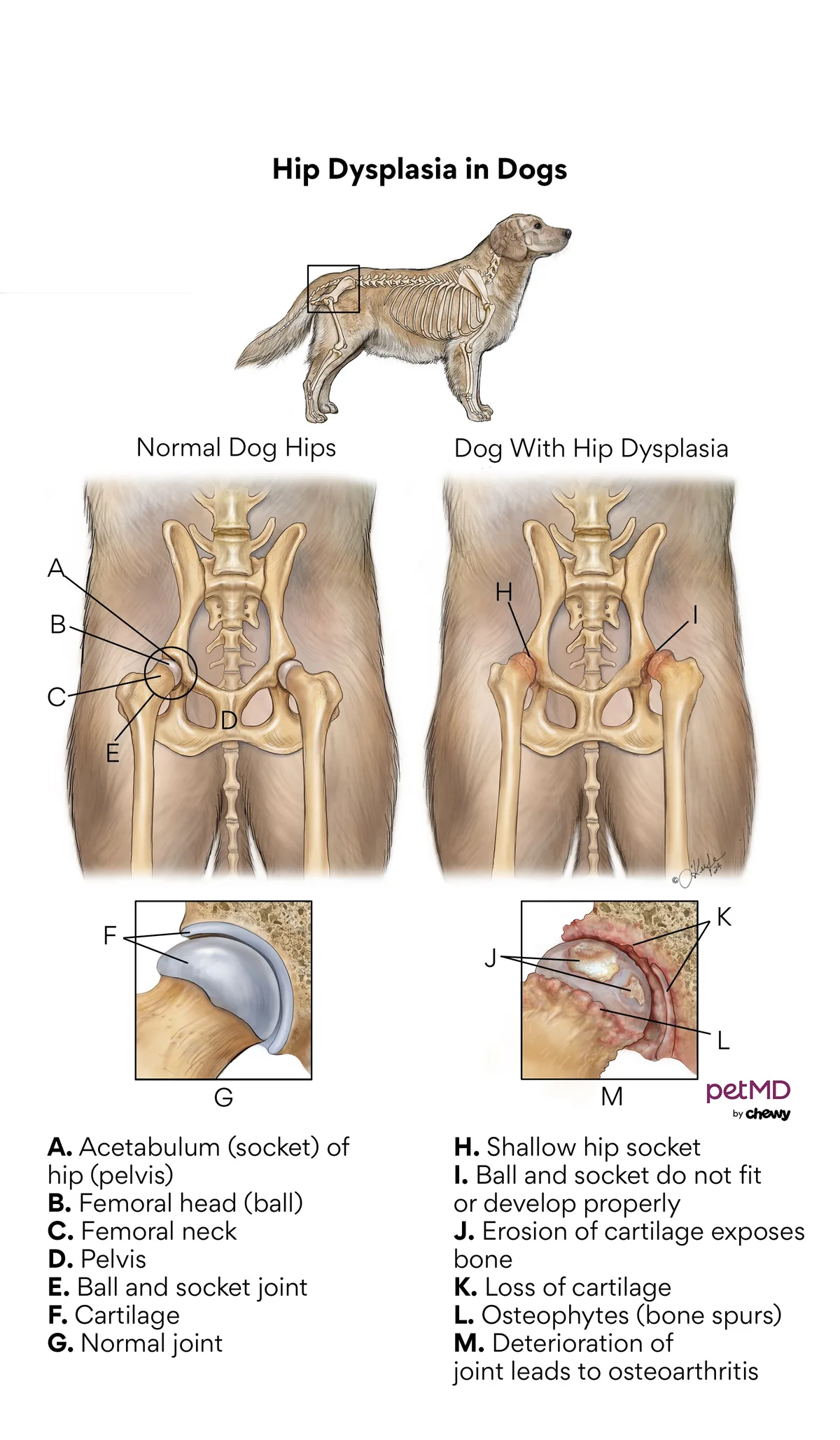
Image source: Bing (Web (fair-use with source credit))
Why Some Puppies Are at Higher Risk (And How to Check Yours)
Genetics play the biggest role. Breeds like German Shepherds, Labrador Retrievers, and Great Danes are predisposed due to their size and growth rate. Rapid weight gain or poor nutrition can worsen joint development.
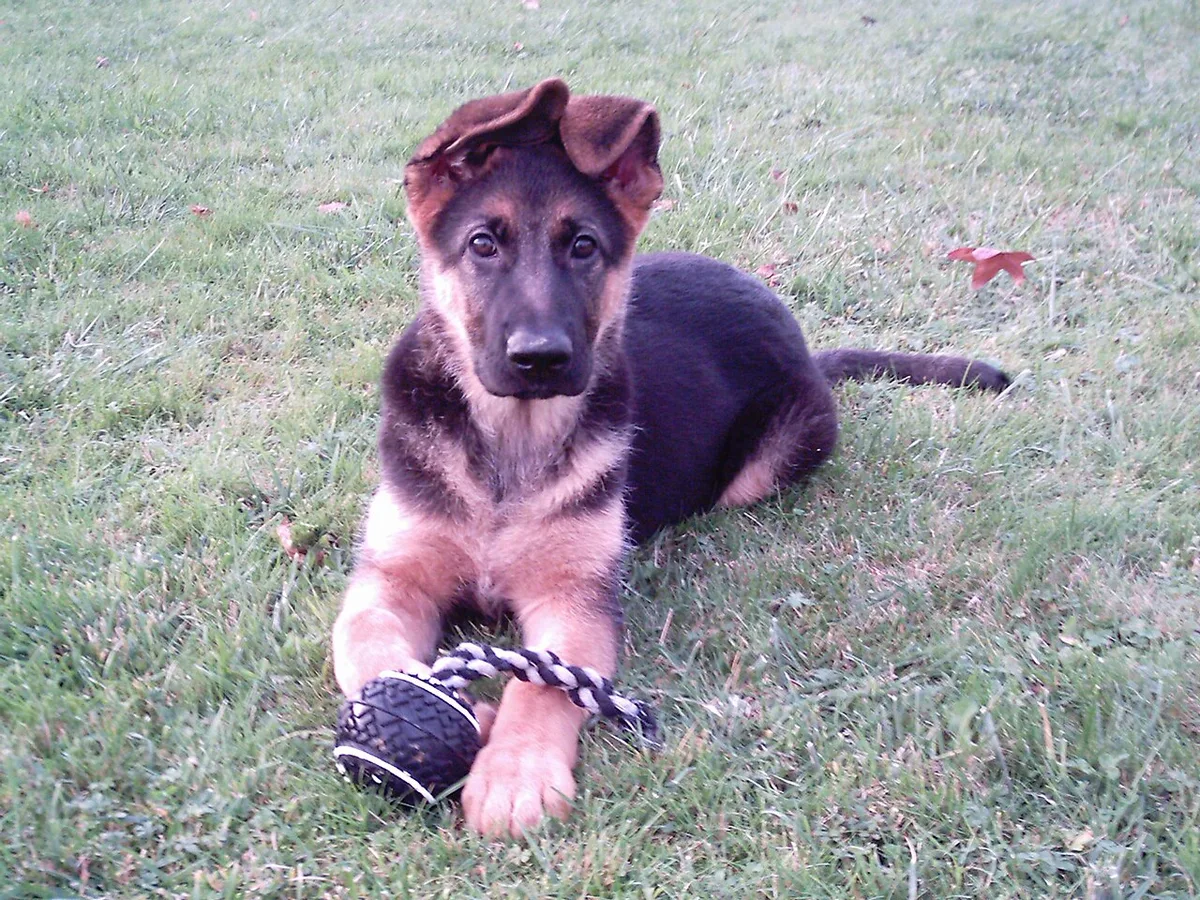
Image source: Wikimedia Commons / user:Bessie (CC BY-SA)
Puppies from parents with certified hip scores (OFA or PennHIP) have lower risk. As of 2026, responsible breeders screen for hip dysplasia before mating. You can check your puppy’s risk by asking for their parents’ hip evaluation certificates.
Environmental factors matter too. Slippery floors or excessive jumping can strain developing hips. Over-exercising a growing puppy, like forced running, increases the risk.
What to Do If You Spot the Signs (Step-by-Step)
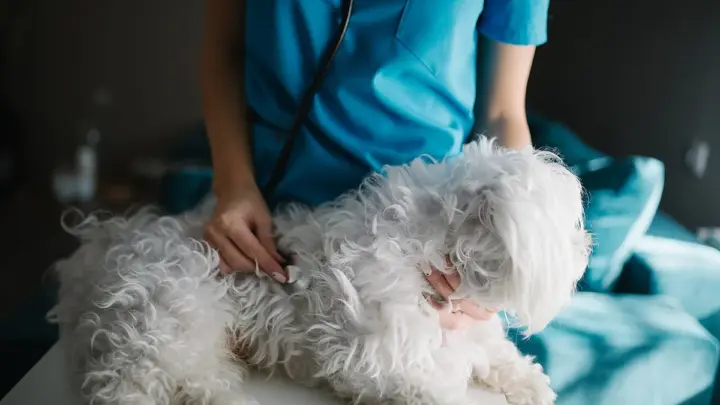
First, limit high-impact activities like jumping or rough play. Schedule a vet visit for a physical exam and hip evaluation. Your vet may perform the Ortolani or Barlow test to check for joint laxity.

Image source: Bing (Web (fair-use with source credit))
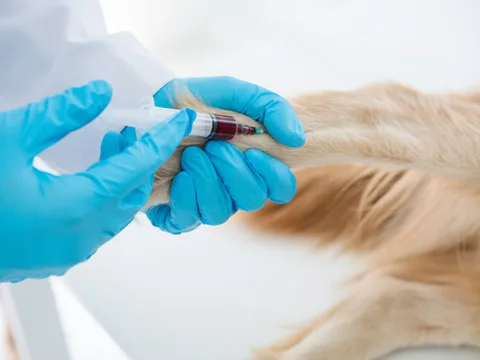
Next, ask about diagnostic imaging. X-rays can confirm dysplasia, but PennHIP testing is more precise for puppies as young as 16 weeks. Follow your vet’s advice on diet, exercise, and potential supplements like glucosamine.
If dysplasia is confirmed, discuss treatment options early. Mild cases may improve with weight management and physical therapy. Severe cases might require surgery, such as a femoral head ostectomy or total hip replacement.
The Biggest Mistakes Owners Make (And How to Avoid Them)
Ignoring intermittent limping is a common error. Many assume it’s just a growing phase, but early signs often worsen over time. Another mistake is over-supplementing with calcium, which can harm joint development.
Skipping vet screenings for at-risk breeds is risky. Even if your puppy seems fine, early detection can prevent long-term damage. Avoid forced exercise, like long runs or agility training, until your puppy’s growth plates are fully developed.
Using slippery flooring without traction can lead to injuries. Provide non-slip mats or carpets to help your puppy move safely. Finally, don’t assume small breeds are immune.
While less common, hip dysplasia can still occur in any dog.
Treatment Options: From Diet to Surgery
Non-surgical treatments work for many puppies with mild dysplasia. Weight management is critical, as extra pounds strain the hips. A vet may recommend joint supplements like glucosamine and omega-3 fatty acids to reduce inflammation.
Physical therapy helps strengthen muscles and improve mobility. Controlled, low-impact exercise like swimming or short leash walks supports joint health. Avoid high-impact activities that can worsen the condition.
For severe cases, surgery may be necessary. Options include femoral head ostectomy, which removes the ball of the hip joint, or total hip replacement for advanced arthritis. Your vet will recommend the best approach based on your puppy’s age, size, and severity of dysplasia.
FAQs About Puppy Hip Dysplasia
Can hip dysplasia be cured in puppies?
Early intervention can slow progression but there’s no outright cure. Mild cases often improve with diet, exercise, and supplements. Severe cases may require surgery to restore mobility and reduce pain.
How early can hip dysplasia be detected?
PennHIP testing can identify joint laxity in puppies as young as 16 weeks. Traditional X-rays are less reliable for young dogs but can confirm dysplasia in older puppies. Early detection allows for better management and treatment.
Are certain breeds more prone to hip dysplasia?
Yes, large and giant breeds like German Shepherds, Labs, and Great Danes are at higher risk. Genetics play a major role, so responsible breeders screen for hip health. Mixed breeds can also develop dysplasia, though it’s less common.
What’s the difference between OFA and PennHIP testing?
OFA evaluates hip conformation at 24 months or older, grading hips from excellent to severe. PennHIP assesses joint laxity in younger puppies, providing a distraction index to predict future risk. Both are valuable but serve different purposes.
Can diet prevent hip dysplasia?
A balanced diet supports healthy growth and joint development. Large-breed puppy formulas are designed to control calcium and phosphorus levels. Overfeeding or improper nutrition can worsen joint issues, so follow your vet’s recommendations.
Is hip dysplasia painful for puppies?
Early signs may not cause pain, but discomfort often develops as the condition progresses. Puppies may show stiffness, lameness, or reluctance to move. Pain management is part of treatment for severe cases.

Similar Posts