Arthritis in Older Dogs: Signs and Care Tips
Founder & Veterinary Clinical Advisor at Pets Health Tips · DVM (Doctor of Veterinary Medicine), Member of the American Veterinary Medical Association (AVMA) · 14+ years in companion animal clinical triage, preventative nutrition, and geriatric pet therapy
Arthritis doesn’t just slow your dog down, it quietly reshapes their daily life. Understanding how arthritis affects older dogs helps you spot the early warnings and step in before pain takes over. It’s a progressive condition, but with the right care, many dogs keep their comfort and mobility for years.
As of 2026, studies show that about 80% of dogs over 8 years old have some form of joint degeneration. The key is catching it early, when small changes can make a big difference.
how arthritis affects older dogs
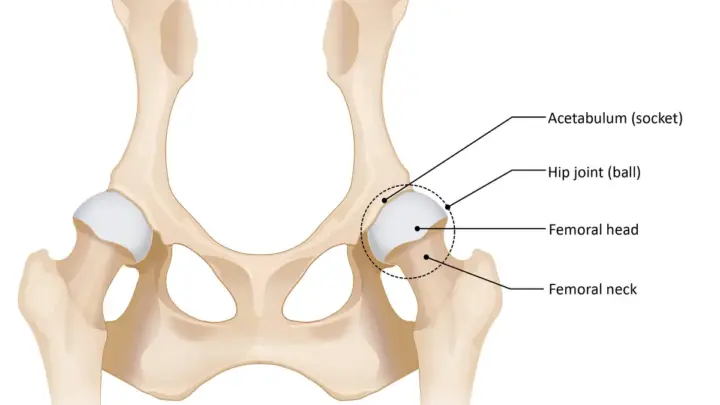
Arthritis causes joint inflammation and cartilage breakdown in dogs. This leads to pain, stiffness, and reduced mobility. Over time, it can make simple movements like standing or climbing stairs difficult.
Early signs are often subtle but worsen without treatment.
The Silent Signs Your Dog Might Have Arthritis
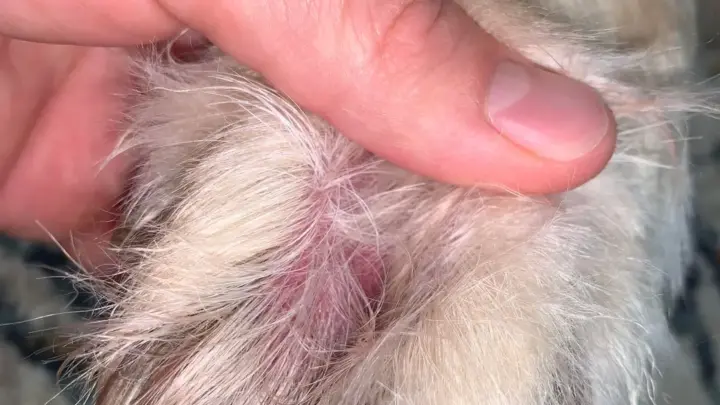
You might notice your dog limping after rest or struggling to rise. Stiffness is most obvious in the morning or after naps. They may also lick or chew at sore joints, a sign of discomfort.

Image source: Bing (Web (fair-use with source credit))
Other red flags include reluctance to jump, play, or climb stairs. Some dogs become irritable or withdrawn due to chronic pain. Muscle loss around the hips or legs can appear as the condition progresses.
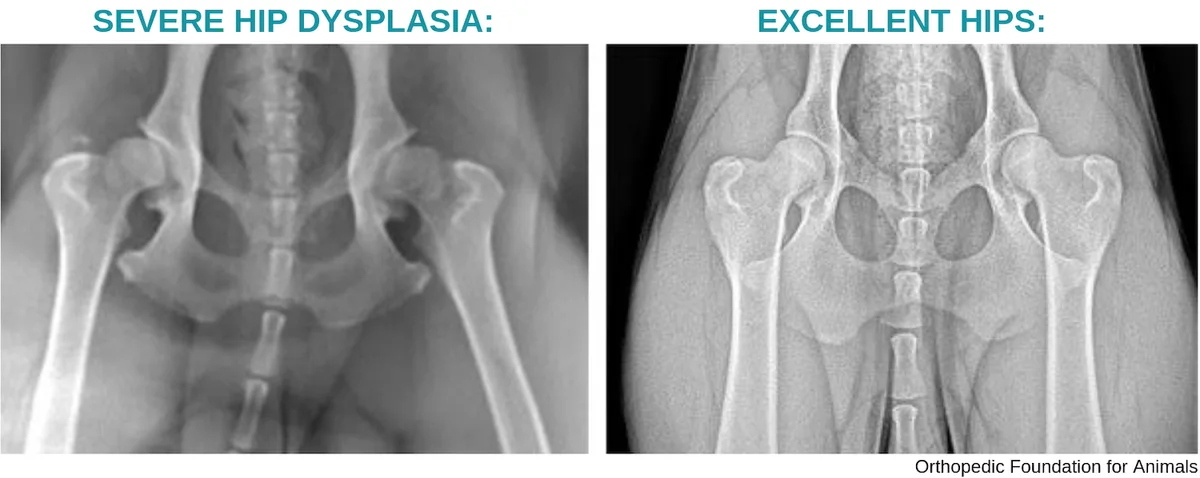
Image source: Bing (Web (fair-use with source credit))
Why Some Dogs Get Arthritis (And Others Don’t)
Genetics play a big role, especially in large breeds like Labs or German Shepherds. Hip or elbow dysplasia can speed up joint wear. Past injuries, like ACL tears, also increase the risk.
Age is the most common factor, as cartilage naturally thins over time. Obesity adds extra stress to joints, making arthritis worse. Working or highly active dogs may develop it earlier due to repetitive strain.
How Vets Diagnose and Stage Canine Arthritis
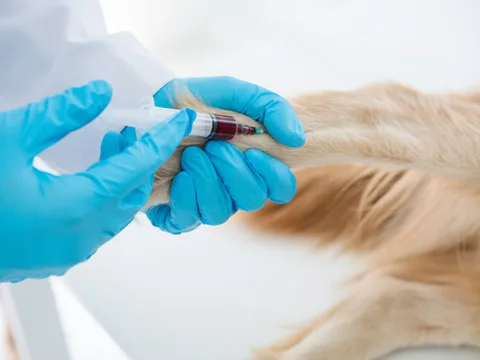
A vet will start with a physical exam, checking for pain or reduced range of motion. X-rays are the most common tool to confirm joint damage. Blood tests help rule out other conditions like infections.
Joint fluid analysis can detect inflammation or infection. MRI or CT scans are used for complex cases. Vets often stage arthritis as mild, moderate, or severe based on these findings.
Treatment Options: From Supplements to Surgery
NSAIDs like carprofen or meloxicam reduce pain and inflammation. Supplements such as glucosamine and omega-3s support joint health. Physical therapy and hydrotherapy improve mobility and strength.

Image source: Bing (Web (fair-use with source credit))
Weight management eases stress on joints. In severe cases, surgery like joint replacement may be an option. Alternative therapies, including acupuncture or laser therapy, can complement traditional treatments.
Daily Life Adjustments to Keep Your Dog Comfortable
Orthopedic beds provide better support for achy joints. Ramps or steps help dogs avoid jumping on furniture or into cars. Regular, low-impact exercise like short walks or swimming keeps joints mobile.

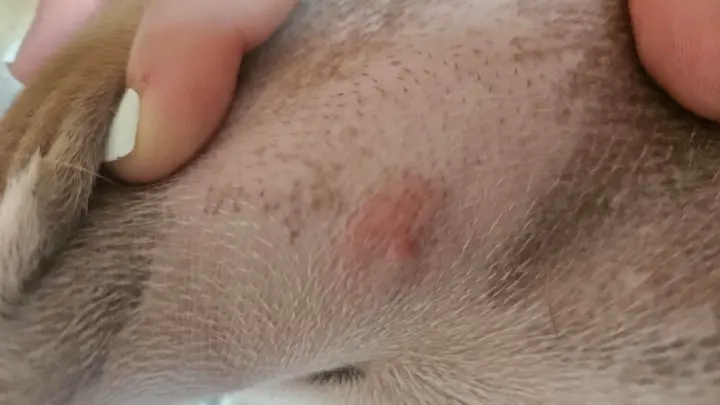
Image source: Bing (Web (fair-use with source credit))
Non-slip flooring prevents slips and falls. Keep nails trimmed to improve traction and reduce strain. Warmth can soothe stiff joints, so consider heated beds or blankets in colder months.
When to Worry: Red Flags That Need a Vet ASAP
Sudden lameness or inability to bear weight is an emergency. If your dog yelps or whines when touched, they’re likely in severe pain. Rapid swelling or heat in a joint could signal infection or a flare-up.
A complete loss of appetite or lethargy often means pain is unmanageable. Difficulty breathing alongside joint issues may indicate heart complications. Any of these signs warrant an immediate vet visit.
FAQs About Arthritis in Older Dogs
Can arthritis in dogs be reversed?
No, arthritis is irreversible, but treatment can slow progression and manage pain. Early intervention with supplements, weight control, and exercise helps preserve joint function. The goal is improving quality of life, not curing the condition.
What’s the best diet for a dog with arthritis?
A low-calorie, anti-inflammatory diet works best. Look for foods rich in omega-3 fatty acids, like fish oil. Avoid excessive carbs and fillers that contribute to weight gain.
How long can a dog live with arthritis?
With proper care, many dogs live years with arthritis. Lifespan depends on severity, treatment, and overall health. Severe cases may shorten life by 1 to 3 years if left untreated.
Are there natural remedies for dog arthritis?
Glucosamine, chondroitin, and turmeric can help reduce inflammation. CBD oil may ease pain, but consult your vet first. Always pair natural remedies with vet-approved treatments.
When should I consider euthanasia for a dog with arthritis?
Euthanasia is a personal decision, but it’s time when pain outweighs joy. Signs include inability to stand, eat, or enjoy life. Your vet can help assess quality of life.
Can exercise make arthritis worse?
High-impact exercise like running or jumping can worsen joint damage. Stick to low-impact activities like swimming or short walks. Always warm up and cool down gently.

Similar Posts