Osteoarthritis vs Hip Dysplasia in Dogs: Key Differences
Founder & Veterinary Clinical Advisor at Pets Health Tips · DVM (Doctor of Veterinary Medicine), Member of the American Veterinary Medical Association (AVMA) · 14+ years in companion animal clinical triage, preventative nutrition, and geriatric pet therapy
Your dog’s stiff gait or reluctance to jump could mean joint trouble, but figuring out osteoarthritis vs hip dysplasia in dogs isn’t always straightforward. Both cause pain and mobility issues, yet they develop differently and need distinct approaches.
Per the Orthopedic Foundation for Animals, hip dysplasia affects about 15% of large-breed dogs, often leading to osteoarthritis if untreated. Knowing the difference helps you act faster and smarter.
osteoarthritis vs hip dysplasia in dogs
Osteoarthritis is a degenerative joint disease from cartilage breakdown. Hip dysplasia is a genetic malformation of the hip joint. Both cause pain and lameness but start differently.
Dysplasia often leads to osteoarthritis over time.
The Core Difference: Wear-and-Tear vs. Bad Joint Structure
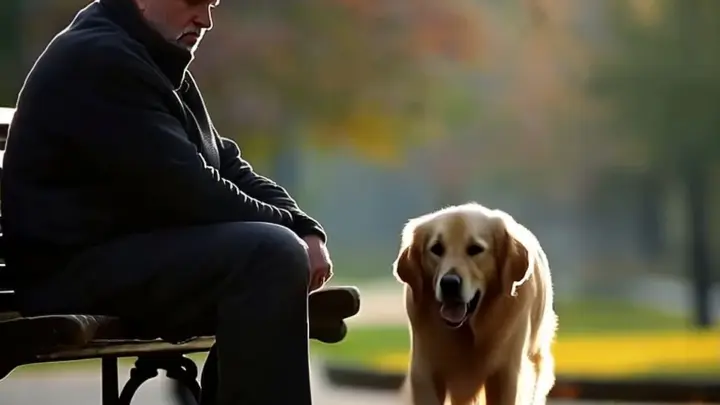
Osteoarthritis is the slow erosion of joint cartilage. It’s common in older dogs but can hit younger ones after injuries or repeated stress. Think of it like a hinge that’s worn out from years of use.
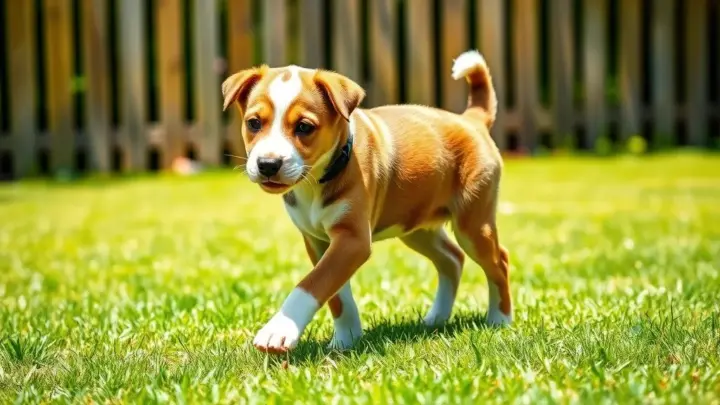
Hip dysplasia, on the other hand, is a structural problem present from birth. The hip joint’s ball and socket don’t fit snugly, causing instability and abnormal wear. Large breeds like German Shepherds and Labradors are especially prone to it.
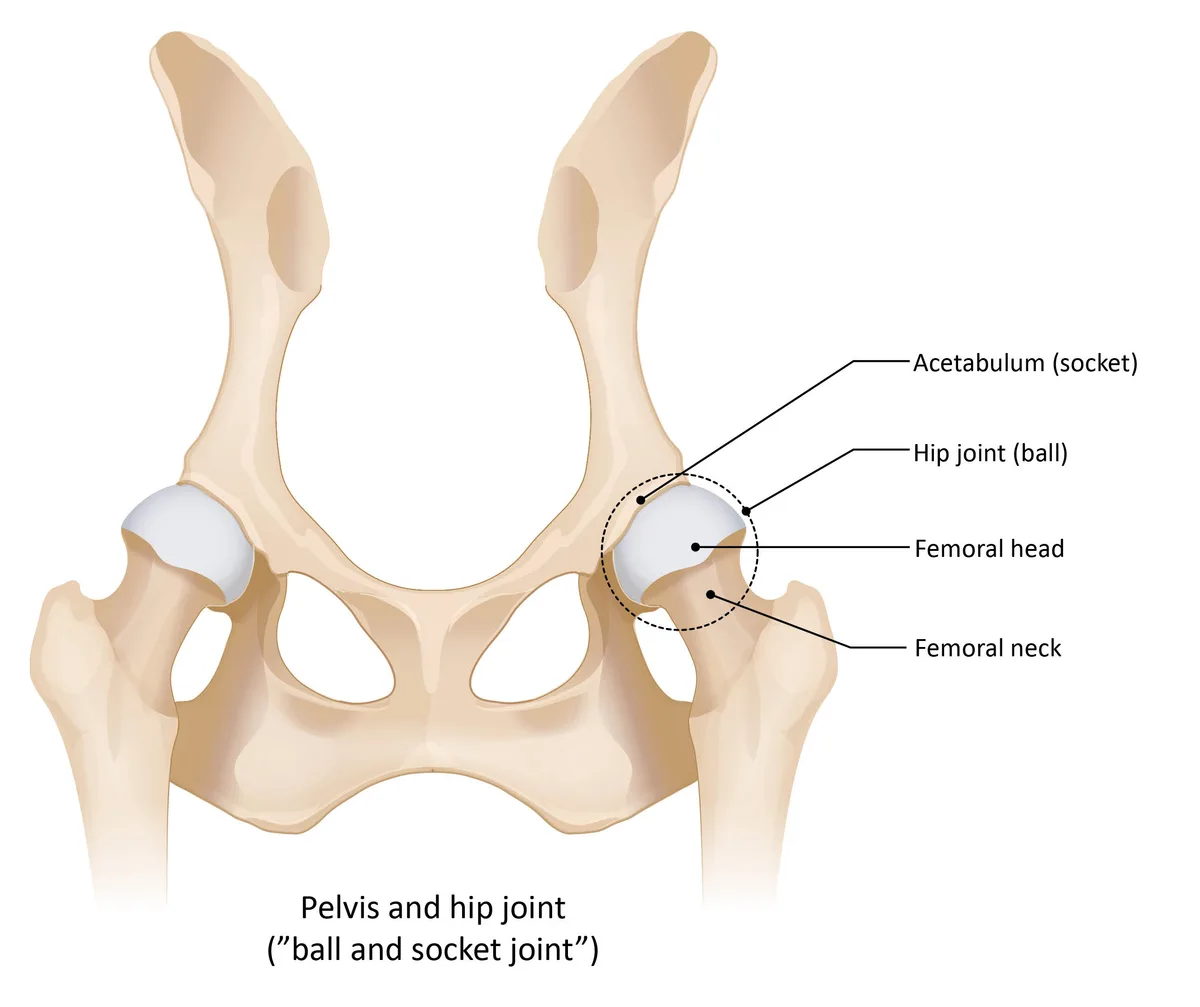
Image source: Bing (Web (fair-use with source credit))
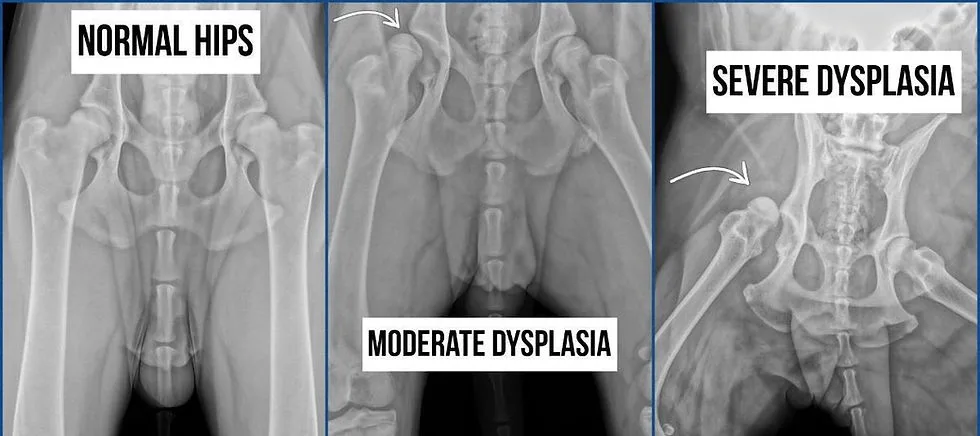
Image source: Bing (Web (fair-use with source credit))
How Each Condition Develops in Dogs
Osteoarthritis starts with cartilage damage. Over time, the smooth cushioning between bones wears thin, leading to friction and pain. Inflammation sets in, and the body may grow bone spurs, making movement even harder.
Hip dysplasia begins with a shallow or misshapen hip socket. This laxity lets the femoral head move abnormally, grinding against the socket. Without intervention, this abnormal wear accelerates cartilage loss, often leading to secondary osteoarthritis.
Signs Your Dog Might Have One (or Both)
Both conditions share symptoms, but some clues lean toward one or the other. A dog with hip dysplasia may show signs as early as 4 to 12 months, like a bunny-hopping gait or difficulty standing. Osteoarthritis symptoms often appear later, typically in dogs over 7 years old.
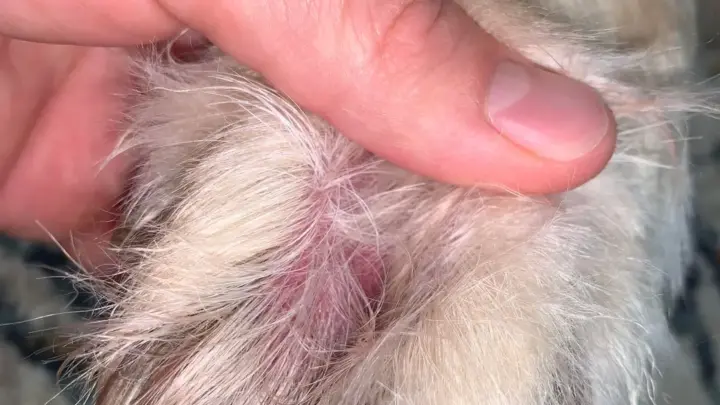
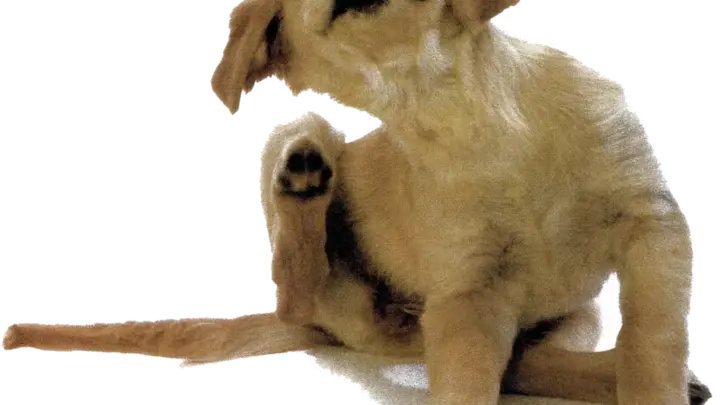
Watch for stiffness after rest, reluctance to climb stairs, or a limp that worsens with activity. Some dogs may also lick or chew at painful joints. If your dog resists play or seems less active, it’s time for a vet visit.
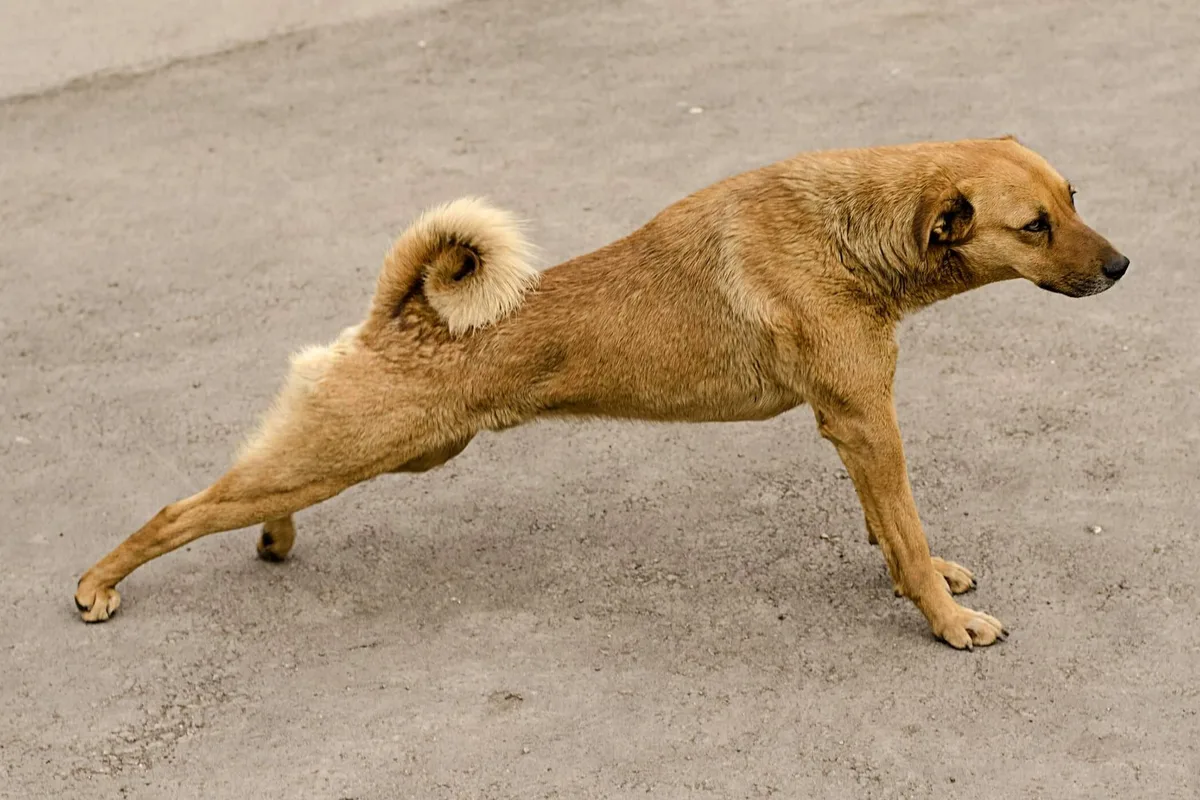
Image source: Bing (Web (fair-use with source credit))
Diagnosis: How Vets Tell Them Apart
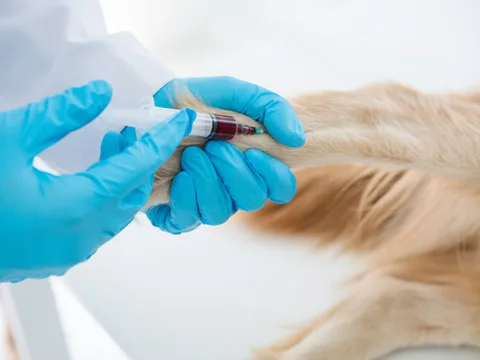
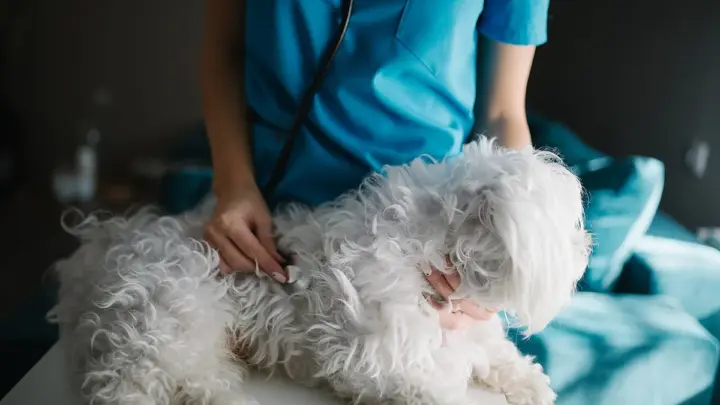
Vets start with a physical exam, checking for pain, range of motion, and joint instability. They’ll often manipulate the hips to feel for laxity or grinding, which can hint at dysplasia. Blood tests may rule out other causes of lameness, like infections or immune-mediated diseases.
X-rays are the gold standard for confirming both conditions. For hip dysplasia, vets use the Orthopedic Foundation for Animals (OFA) or PennHIP grading systems. PennHIP measures joint laxity with a distraction index, where a DI over 0.7 signals high risk.
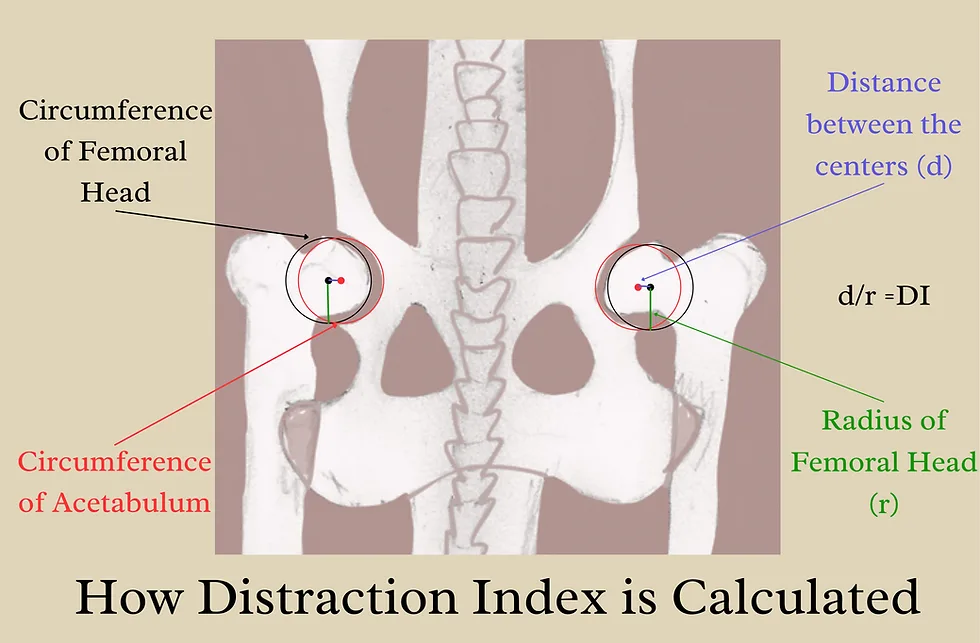
Image source: Bing (Web (fair-use with source credit))
For osteoarthritis, X-rays reveal cartilage loss, bone spurs, and changes in joint spacing. In some cases, advanced imaging like MRI or CT scans may be used for a deeper look. Early diagnosis is key, as it allows for interventions that can slow progression and improve quality of life.
The Orthopedic Foundation for Animals provides guidelines for breeders and owners to screen for hip dysplasia.
Treatment Options for Each Condition
Osteoarthritis management
Weight control tops the list. Extra pounds add stress to already damaged joints. Low-impact exercise like swimming or short leash walks keeps muscles strong without overloading the joints.
Medications help too. NSAIDs reduce inflammation and pain but require vet supervision. Supplements like glucosamine and chondroitin may slow cartilage breakdown.
Physical therapy and laser treatments can improve mobility and comfort.
Hip dysplasia interventions
Mild cases often start with the same approaches as osteoarthritis. Severe dysplasia may need surgery. Total hip replacement offers the best long-term outcome for advanced cases.
Femoral head ostectomy removes the ball of the joint, creating a false joint that can still function.
Young dogs with early dysplasia might benefit from triple pelvic osteotomy. This surgery repositions the hip socket for better coverage. The American College of Veterinary Surgeons provides guidelines on surgical options.
Prevention and Long-Term Management
Breeding plays a huge role in preventing hip dysplasia. Responsible breeders screen their dogs using OFA or PennHIP evaluations. Avoid breeding dogs with poor hip scores to reduce the risk in offspring.
For all dogs, maintain a healthy weight and provide regular, appropriate exercise. Puppies of large breeds should avoid excessive jumping or rough play while their joints are still developing. Joint supplements may help, but discuss them with your vet first.
Long-term management focuses on slowing progression. Regular vet checkups monitor joint health. Adjust exercise routines as your dog ages to match their abilities.
Early intervention makes a big difference in quality of life.
FAQs About Canine Hip Dysplasia and Osteoarthritis
Can hip dysplasia cause osteoarthritis?
Yes, it often does. The abnormal joint mechanics in dysplasia accelerate cartilage wear, leading to secondary osteoarthritis. This is why early diagnosis and treatment of dysplasia are crucial.
What breeds are most at risk?
Large and giant breeds top the list. German Shepherds, Labradors, Golden Retrievers, and Bulldogs are especially prone. Smaller breeds can develop these conditions too, but it's less common.
Are there non-surgical treatments that work?
Absolutely. Weight management, physical therapy, and joint supplements can significantly improve quality of life. NSAIDs and other pain medications help manage symptoms.
Many dogs do well with conservative treatment for years.
How can I tell if my dog is in pain?
Look for subtle signs. Reduced activity, difficulty rising, limping, or changes in behavior can all indicate pain. Dogs often hide discomfort, so pay attention to small changes in their habits.
When should I consider surgery?
Surgery becomes an option when pain and mobility issues persist despite conservative treatments. Your vet will assess your dog's specific condition, age, and overall health. Surgical outcomes are generally best when performed before severe joint damage occurs.

Similar Posts