Early Signs of Arthritis in Dogs: What to Watch For
Founder & Veterinary Clinical Advisor at Pets Health Tips · DVM (Doctor of Veterinary Medicine), Member of the American Veterinary Medical Association (AVMA) · 14+ years in companion animal clinical triage, preventative nutrition, and geriatric pet therapy
Early arthritis signs in dogs often go unnoticed because dogs hide pain well. You might chalk up stiffness or slower movements to aging, but these can be the first clues of a bigger issue. As of 2026, studies show that about 20% of dogs over one year old already have signs of osteoarthritis, the most common type of canine arthritis.
Catching it early can slow progression and keep your dog active longer. The key is knowing what to look for and acting before the damage becomes severe.
early arthritis signs in dogs
Early arthritis signs in dogs include stiffness after rest and limping. You may notice difficulty rising or lying down. Reluctance to jump or climb stairs is another red flag.
Swollen joints or licking at a specific joint can also signal trouble.
Why Early Arthritis in Dogs Is Easy to Miss (And Why It Matters)
Dogs instinctively mask pain, a trait left over from their wild ancestors. A dog with early arthritis won’t yelp or whine, but you might see subtle changes like sleeping more or lagging on walks. Owners often dismiss these signs as normal aging, but early intervention can make a huge difference.
Arthritis in dogs is progressive. The longer it goes untreated, the more damage it does to the joints. Cartilage doesn’t regenerate well, so once it’s worn down, the joint space narrows, bones rub together, and inflammation sets in.
This cycle leads to chronic pain and reduced mobility. Catching it early means you can slow this process with diet, exercise adjustments, and medications.
The 9 Earliest Signs Your Dog Might Have Arthritis
Stiffness is often the first sign, especially after your dog wakes up or rests for a while. It might take them a few minutes to "warm up" and move normally. Limping or favoring one leg is another common early sign, though it may come and go.
Difficulty rising or lying down can also indicate joint pain. If your dog struggles to get up from the floor or seems hesitant to lie down, it could be a sign of discomfort. Reduced activity or playfulness is another red flag.
A dog that used to love fetch or long walks but now tires quickly may be dealing with joint pain.
Reluctance to jump or climb stairs is a classic sign of arthritis. If your dog avoids the couch, bed, or car jumps they used to handle easily, it’s worth investigating. Swollen joints are a more visible sign, though they can be hard to spot under fur.
Licking or chewing at a specific joint can also indicate pain or discomfort.
Behavioral changes, like increased irritability or aggression, can stem from chronic pain. Muscle atrophy, or wasting, is another sign. If you notice one leg looking thinner than the others, it could be due to reduced use from joint pain.
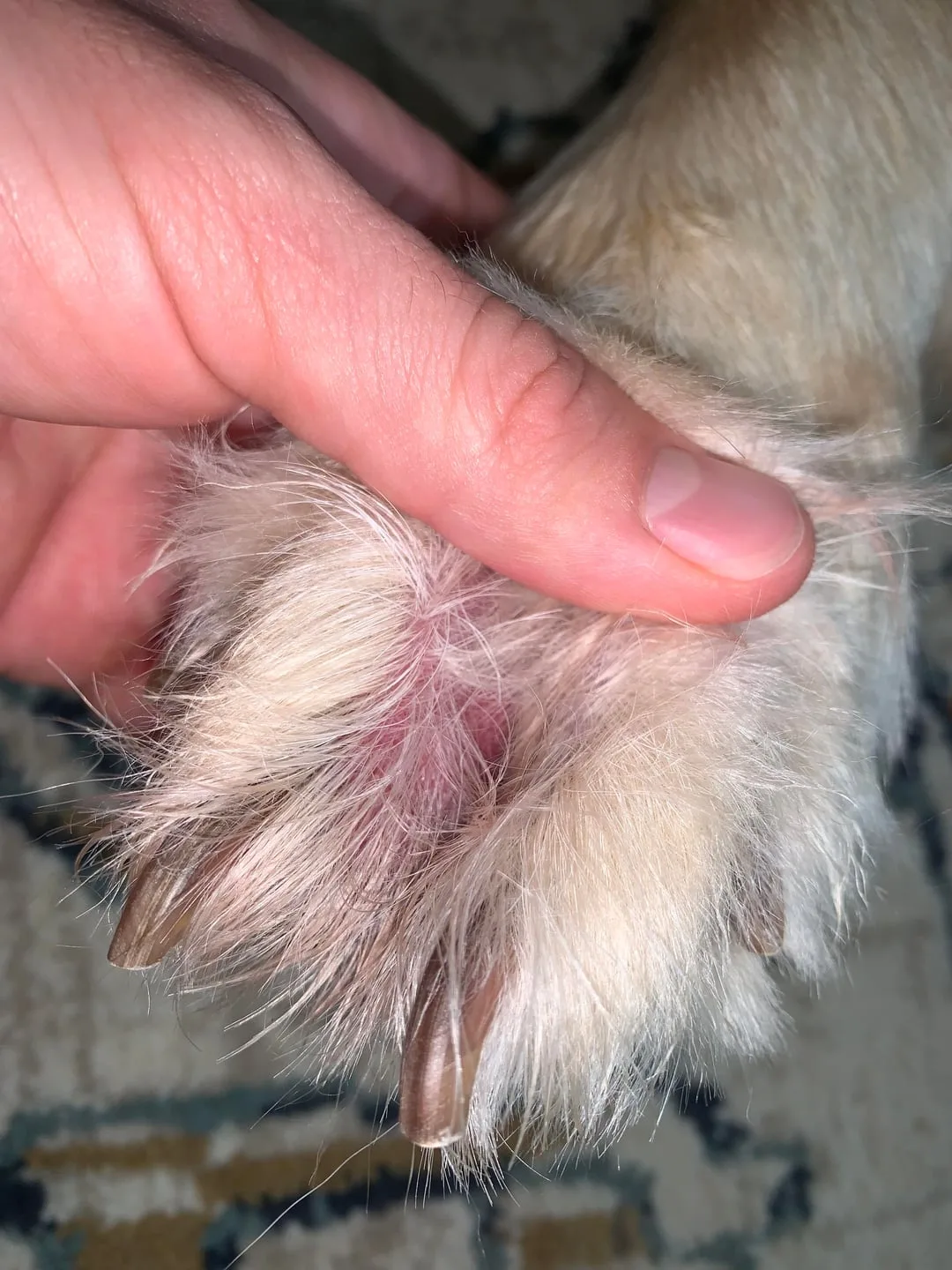
Image source: Bing (Web (fair-use with source credit))
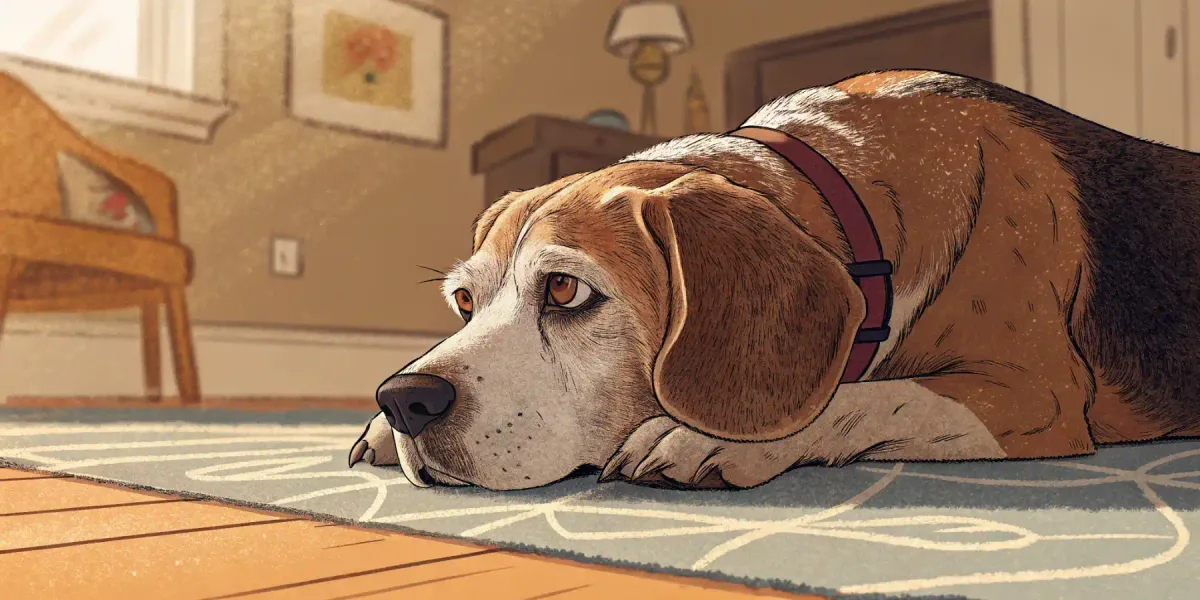
Image source: Bing (Web (fair-use with source credit))
What’s Actually Happening Inside Their Joints
Arthritis in dogs, particularly osteoarthritis, is a degenerative joint disease. It starts with the breakdown of cartilage, the smooth, cushioning tissue that covers the ends of bones in a joint. As the cartilage wears away, the bones begin to rub against each other, causing pain, inflammation, and reduced mobility.
Synovial fluid, which lubricates the joints, can also become less effective. This fluid helps joints move smoothly, but with arthritis, it can become thinner or less abundant. The result is increased friction and further damage to the joint.
Over time, the body may try to compensate by growing new bone, called osteophytes, around the joint. These bone spurs can cause additional pain and limit movement.
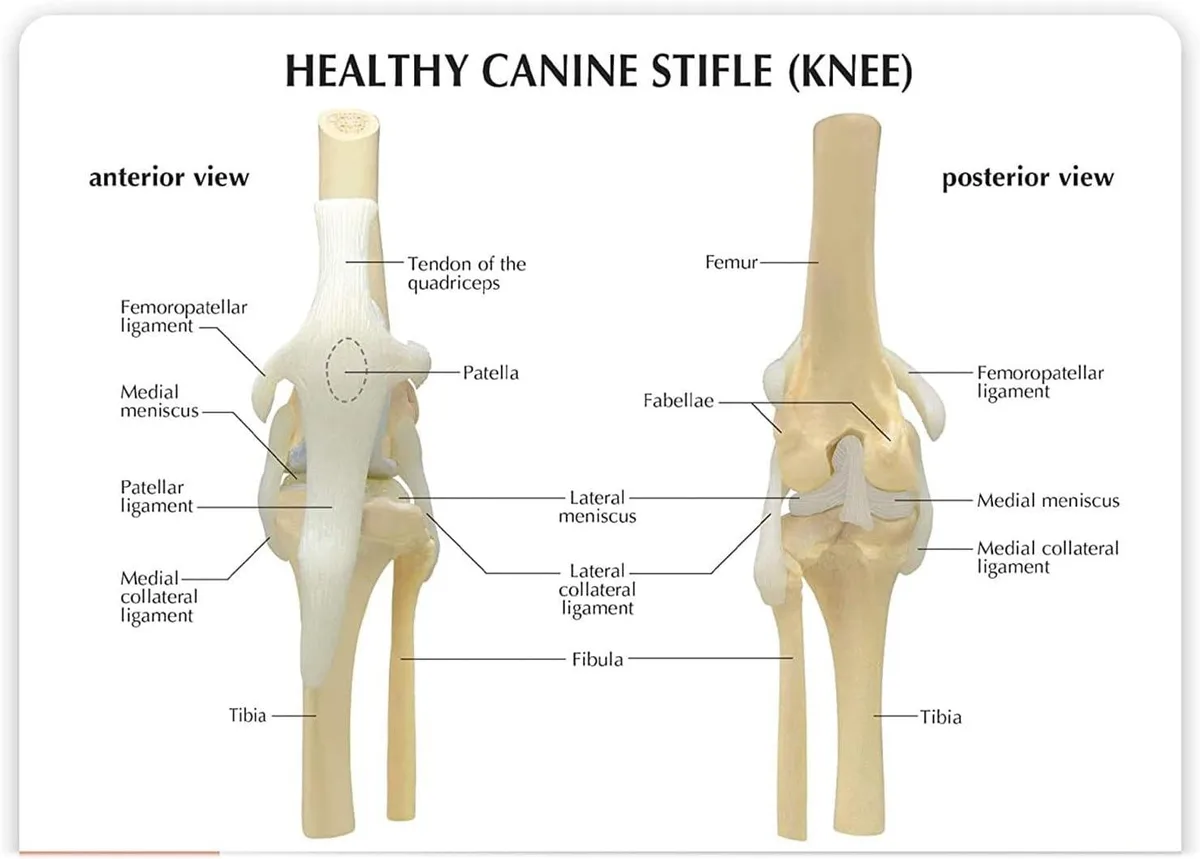
Image source: Bing (Web (fair-use with source credit))
Inflammation is a key player in arthritis. The body’s natural response to injury or wear and tear, inflammation can become chronic in arthritic joints. This ongoing inflammation further damages the cartilage and synovial fluid, creating a vicious cycle.
The joint may also become swollen and warm to the touch, though this can be hard to detect in dogs due to their fur.
Risk Factors: Which Dogs Are Most at Risk and Why
Age is the biggest risk factor for arthritis in dogs. As dogs get older, their joints naturally wear down. Studies show that about 80% of dogs over 8 years old have some degree of osteoarthritis.
However, arthritis isn’t just an old dog’s disease. Younger dogs can develop it too, especially if they’ve had joint injuries or surgeries.
Breed plays a significant role. Large and giant breeds, like Labradors, German Shepherds, Golden Retrievers, and Rottweilers, are more prone to arthritis due to the increased stress on their joints. Their size and weight put more pressure on the cartilage, leading to faster wear and tear.
Smaller breeds can also develop arthritis, but it’s less common.
Obesity is another major risk factor. Extra weight puts additional stress on a dog’s joints, accelerating cartilage breakdown. Dogs that are overweight are more likely to develop arthritis and may experience more severe symptoms.
Previous joint injuries, such as a torn cruciate ligament or a fracture, can also increase the risk of arthritis. These injuries can damage the cartilage and lead to early onset of the disease.
Genetics can also play a role. Some dogs are born with joint abnormalities, like hip or elbow dysplasia, which can lead to arthritis later in life. These conditions cause the joints to develop improperly, leading to uneven wear and tear on the cartilage.
Poor nutrition, especially in a dog’s early life, can also contribute to joint problems. Diets lacking in essential nutrients can lead to weak bones and joints, increasing the risk of arthritis.
What to Do (and Not Do) If You Spot the Signs
Don’t wait to see if symptoms improve on their own. Early arthritis won’t heal without intervention, and delaying action can lead to irreversible joint damage. Schedule a vet visit as soon as you notice persistent signs like stiffness or limping.
Avoid giving human pain medications. Common drugs like ibuprofen or acetaminophen are toxic to dogs and can cause severe organ damage. Stick to vet-approved treatments only.
Do keep your dog active, but adjust the intensity. Short, gentle walks are better than long runs or high-impact play. Swimming is an excellent low-impact exercise for arthritic dogs, as it supports their weight while keeping joints moving.
Don’t ignore weight management. Extra pounds put unnecessary stress on joints. If your dog is overweight, work with your vet to create a safe weight loss plan.
Even a 10% reduction in body weight can significantly improve mobility.
When to See a Vet—And What They’ll Likely Recommend
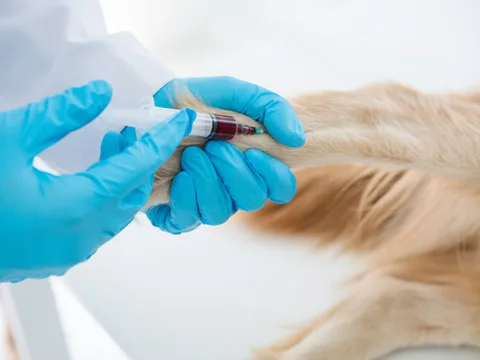
See a vet if symptoms last more than a week or worsen. Early diagnosis allows for better management and slower disease progression. Your vet will start with a physical exam, checking for joint pain, swelling, and range of motion.
They may recommend X-rays to assess joint damage. While X-rays don’t show cartilage directly, they can reveal bone changes, joint space narrowing, and osteophytes. Blood tests might also be done to rule out other conditions, like infections or autoimmune diseases.
Treatment often starts with pain management. Non-steroidal anti-inflammatory drugs (NSAIDs) are commonly prescribed for dogs, but they must be used under vet supervision. Supplements like glucosamine, chondroitin, and omega-3 fatty acids can support joint health.
Physical therapy, including hydrotherapy or massage, may also be recommended to maintain mobility.
In severe cases, surgery might be an option. Procedures like joint replacement or arthroscopic cleaning can provide long-term relief. Your vet will discuss the best approach based on your dog’s age, breed, and overall health.
Long-Term Management: Keeping Your Dog Active and Pain-Free
Consistency is key in managing arthritis. Stick to a routine that includes gentle exercise, a balanced diet, and regular vet checkups. Avoid activities that cause pain or excessive strain, like jumping or rough play.
Consider assistive devices to make life easier. Ramps or steps can help your dog get on and off furniture or into cars without stressing their joints. Orthopedic beds provide better support and comfort for achy joints.
Monitor your dog’s condition closely. Keep a journal of their symptoms, noting any changes in mobility, pain levels, or behavior. This information can help your vet adjust treatment plans as needed.
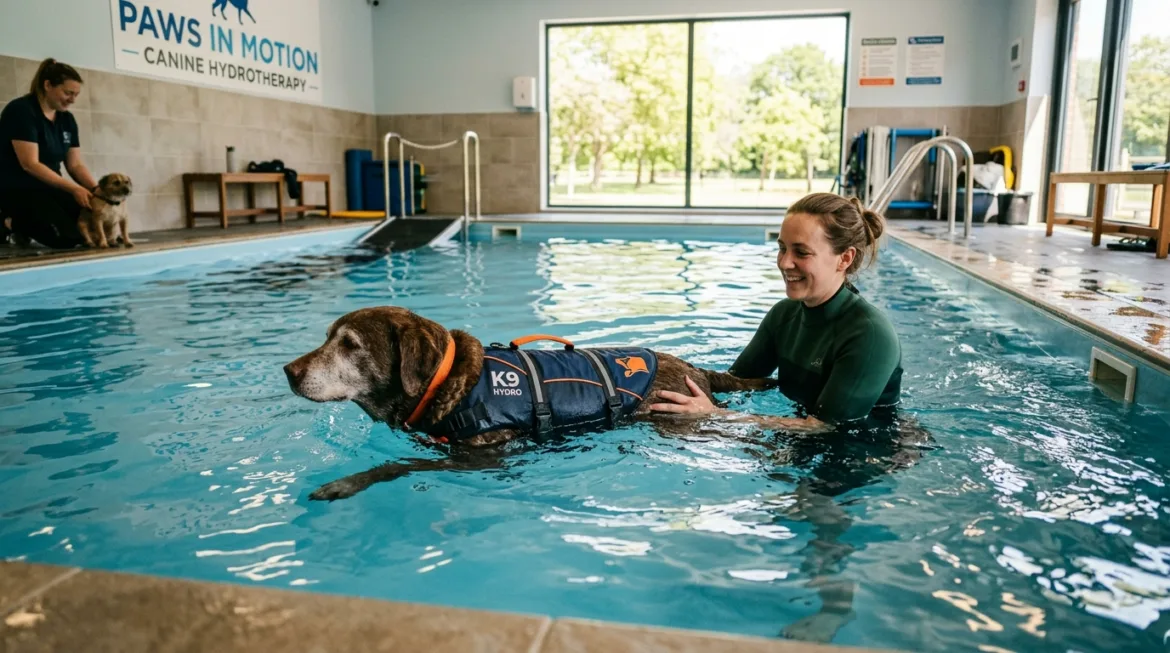
Image source: Bing (Web (fair-use with source credit))

Similar Posts