Senior Dog Warning Signs You Might Be Missing
Founder & Veterinary Clinical Advisor at Pets Health Tips · DVM (Doctor of Veterinary Medicine), Member of the American Veterinary Medical Association (AVMA) · 14+ years in companion animal clinical triage, preventative nutrition, and geriatric pet therapy
Your senior dog might be trying to tell you something, and you’re probably missing it. The most common senior dog warning signs owners miss are easy to dismiss as just “getting older,” but they often signal serious issues like pain, organ failure, or cognitive decline. As of 2026, the American Veterinary Medical Association reports that over 50% of dogs over 10 show signs of arthritis, yet many go untreated because owners assume stiffness is normal.
Catching these signs early can add years to your dog’s life and save you from costly emergency vet bills. The key is knowing what’s truly normal aging and what’s a red flag.
senior dog warning signs owners miss
They hide pain well. Senior dogs often mask discomfort, so subtle changes like increased panting or restlessness can mean arthritis or heart disease.
Weight loss or gain without diet changes often signals metabolic issues or cancer. Cloudy eyes or excessive thirst may indicate diabetes or kidney problems.
Behavior shifts like confusion or pacing can be early cognitive dysfunction. Lumps, bad breath, or house soiling are never just “old age.”
The 12 Subtle Signs Most Owners Overlook
Some symptoms are so quiet they blend into daily life. Here’s what to watch for:
- Physical changes:
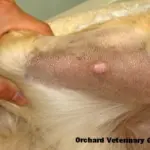
, Lumps or bumps under the skin
, Limping or stiffness, especially after rest
, Difficulty standing up or lying down
, Excessive panting or labored breathing
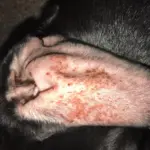
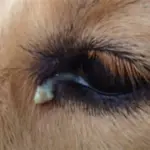
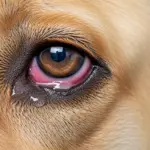
, Cloudy eyes, discharge, or bumping into things
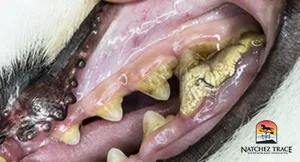
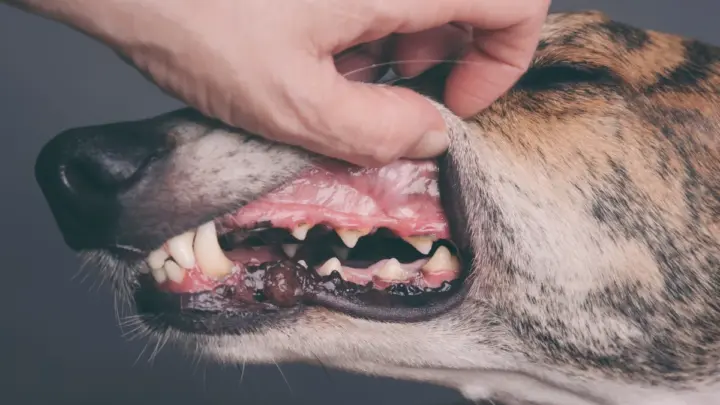
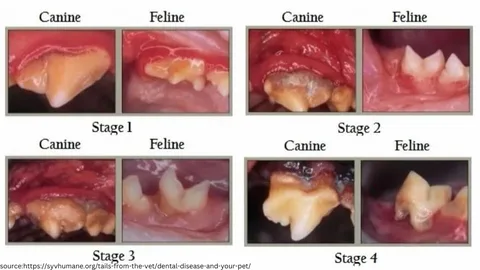
, Bad breath or drooling (dental disease)
- Behavioral changes:
, Confusion or disorientation (e.g., staring at walls)
, Sleep pattern changes (restless or excessive)
, Reduced interest in play, walks, or interaction
, Unusual aggression, fear, or anxiety
, Pacing or circling repeatedly
, Forgetting commands or routines
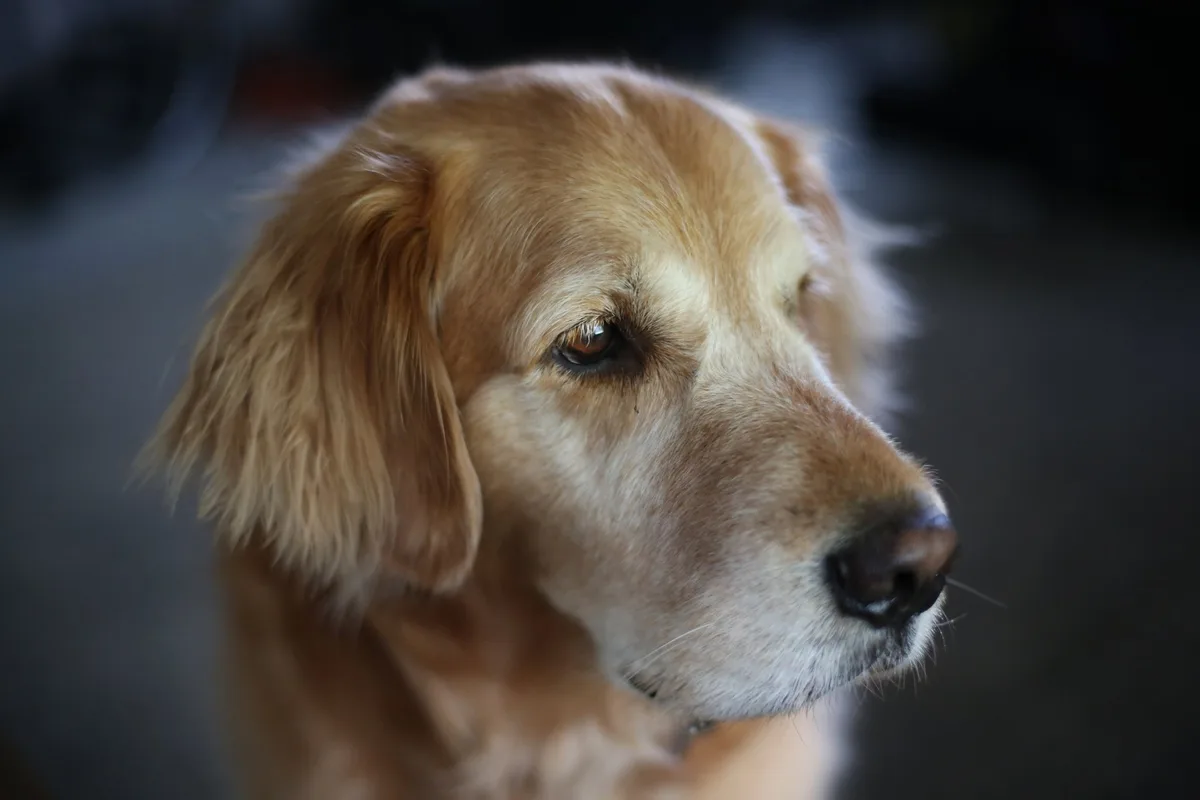
Image source: Bing (Web (fair-use with source credit))
Image source: Bing (Web (fair-use with source credit))
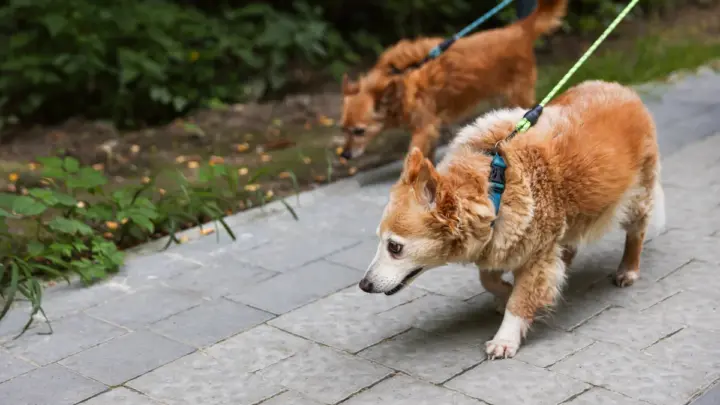
These signs often start small but escalate. A dog that used to greet you at the door but now lags behind might be in pain, not just lazy. Similarly, a once-clean dog having accidents indoors could have a urinary tract infection or kidney disease.
The American Animal Hospital Association’s Senior Care Guidelines emphasize that early detection is critical. Many conditions, like arthritis or dental disease, are manageable if caught early but can become debilitating if ignored.
How to Tell “Normal Aging” From a Real Problem
Not every change is an emergency, but some are never normal. Here’s how to tell the difference:
| Sign | Normal Aging | Red Flag |
|---|---|---|
| Slower movement | Gradual, no limping | Sudden stiffness, reluctance to move |
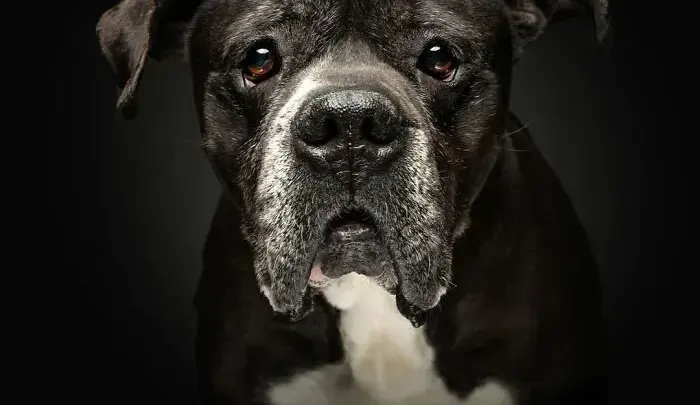
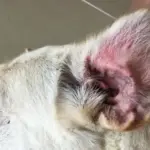
| Graying muzzle | Common in older dogs | Hair loss, sores, or itching |
| Sleeping more | Natural energy decline | Restless, excessive, or disoriented |
| Weight changes | Slight loss or gain | Rapid loss/gain without explanation |
| Occasional stiffness | After long rest or cold weather | Constant limping or whining |
Image source: Wikimedia Commons / YellowstoneNPS
Normal aging is slow and steady. A red flag is sudden, progressive, or paired with other symptoms. For example, a dog that’s always been a picky eater might skip a meal now and then, but a dog that suddenly refuses food for days needs a vet.
If you’re unsure, ask yourself: Is this new? Is it getting worse? Is it affecting their quality of life?
If the answer to any of these is yes, it’s time to investigate further.
When to Rush to the Vet vs. When to Monitor
Some signs demand immediate action, while others can be watched for a short time. Use this guide to decide:
Go to the vet ASAP if your dog shows:
- Difficulty breathing or blue gums
- Inability to stand or sudden paralysis
- Seizures or loss of consciousness
- Uncontrollable vomiting or diarrhea
- Inability to urinate or defecate
- Sudden, severe pain (whining, trembling)
Image source: Bing (Web (fair-use with source credit))
Monitor for 24, 48 hours if:
- Mild stiffness that improves with movement
- Occasional coughing (no blood or distress)
- Slight decrease in appetite (still drinking water)
- One or two accidents in the house (no other symptoms)
If symptoms persist or worsen during monitoring, schedule a vet visit. For senior dogs, it’s always better to err on the side of caution. The AVMA notes that early intervention can significantly improve outcomes for conditions like kidney disease or cancer.
Proactive Checks You Can Do at Home
You don’t need a medical degree to catch early warning signs. Add these simple checks to your routine:
Weekly:
- Run your hands over their body to feel for new lumps or tender spots.
- Check their gums for pale, white, or blue coloring (signs of poor circulation or oxygen issues).
- Observe their breathing while resting, it should be quiet and steady.
Monthly:
- Weigh them (sudden changes can indicate illness).
- Inspect their teeth and gums for redness, swelling, or bad odor.
- Watch their mobility: Can they still jump on the couch or climb stairs without hesitation?
Quarterly:
- Schedule a vet checkup. The AAHA recommends bi-annual visits for senior dogs.
- Ask your vet about bloodwork to screen for organ function, especially if your dog is over 7.
Keep a journal of any changes, no matter how small. Note the date, the symptom, and how long it lasts. This record can help your vet spot patterns or early signs of disease.
Senior Dog Red Flags by Breed and Age
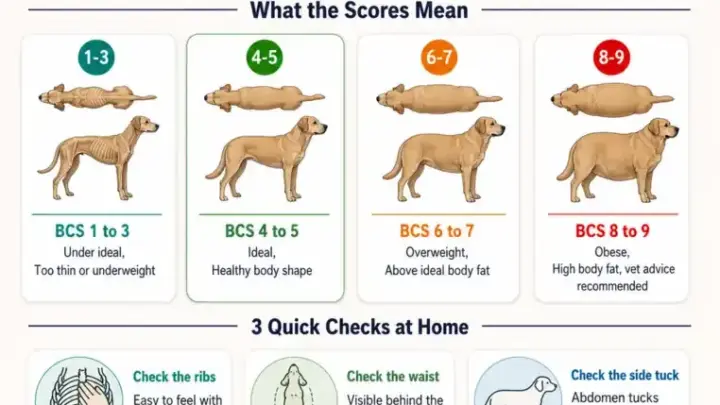
Large breeds like Great Danes or Labradors often show joint issues earlier than small breeds like Chihuahuas or Pomeranians. A 6-year-old Great Dane is already senior, while a 10-year-old Chihuahua may still be spry. Know your dog’s expected lifespan and adjust your vigilance accordingly.
Breeds prone to specific conditions need extra attention. For example, German Shepherds are susceptible to hip dysplasia, while Dachshunds often develop back problems. Golden Retrievers have higher cancer rates, so lumps should never be ignored.
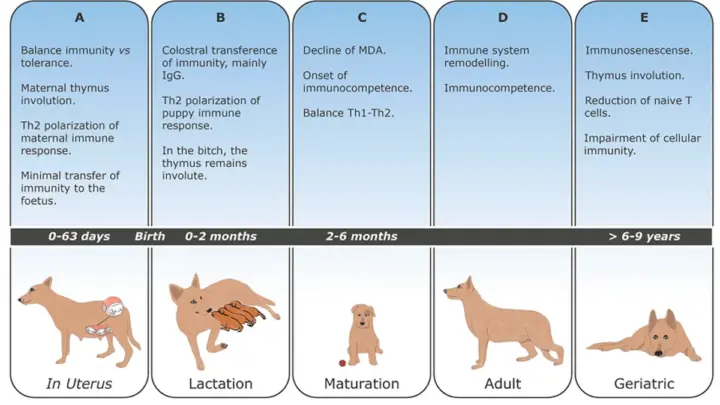
Age matters too. Dogs over 7 should have annual bloodwork, while those over 10 may need it every 6 months. The Morris Animal Foundation reports that cancer accounts for nearly 50% of deaths in dogs over 10, making early detection critical.
Frequently Asked Questions
Why is my senior dog drinking so much water?
Excessive thirst can signal diabetes, kidney disease, or Cushing’s disease. If your dog is drinking noticeably more and urinating more frequently, schedule a vet visit. These conditions are treatable if caught early.
Is my old dog in pain or just slow?
Pain often shows as stiffness, limping, or reluctance to move. If your dog whines when touched, struggles to stand, or avoids activities they once enjoyed, they’re likely in pain. Arthritis is common in older dogs but manageable with medication and lifestyle changes.
How can I tell if my dog has dementia?
Signs include disorientation, pacing, staring at walls, or forgetting routines. Dogs with cognitive dysfunction may also sleep more during the day and less at night. The UC Davis Veterinary Medicine team notes that about 60% of dogs over 8 show at least one sign of cognitive decline.
When should I consider quality-of-life discussions?
If your dog stops eating, shows no interest in activities, or seems to be in constant pain, it’s time to talk to your vet. Quality-of-life assessments help you make informed decisions about their care and comfort.

Similar Posts