How Long Do Dog Seizures Last?
Founder & Veterinary Clinical Advisor at Pets Health Tips · DVM (Doctor of Veterinary Medicine), Member of the American Veterinary Medical Association (AVMA) · 14+ years in companion animal clinical triage, preventative nutrition, and geriatric pet therapy
Watching your dog have a seizure is terrifying, and knowing how long a dog seizure can last helps you decide when to act. Most seizures are brief, but some can turn dangerous if they drag on.
The rule of thumb is simple: under two minutes is typical, over five minutes is an emergency. As of 2026, vets still use this cutoff to judge urgency.
how long a dog seizure can last
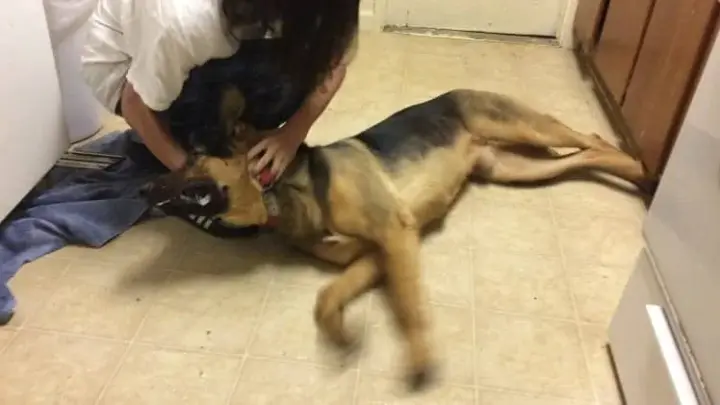
Most dog seizures last 30 seconds to 2 minutes. A seizure over 5 minutes is a vet emergency. Continuous seizures or back-to-back episodes without recovery are life-threatening.
Always time the event from start to finish.
Quick Answer: What’s Normal vs. Dangerous
A typical canine seizure runs 30 to 120 seconds. If it hits 5 minutes, your dog needs a vet now. Any seizure that doesn’t stop or repeats without full recovery is status epilepticus, a true emergency.
The line between normal and dangerous is clear. Short seizures often pass on their own. Long or repeated ones can cause brain damage or worse.

Image source: Bing (Web (fair-use with source credit))
Why Seizure Duration Matters for Your Dog
Every second counts during a seizure. Prolonged episodes can lead to overheating, brain injury, or even death. The longer a seizure lasts, the harder it is for your dog to recover.
Vets use duration to decide treatment. A 30-second seizure may not need intervention. A 10-minute one almost always does.
This is why timing is the first thing you should do.
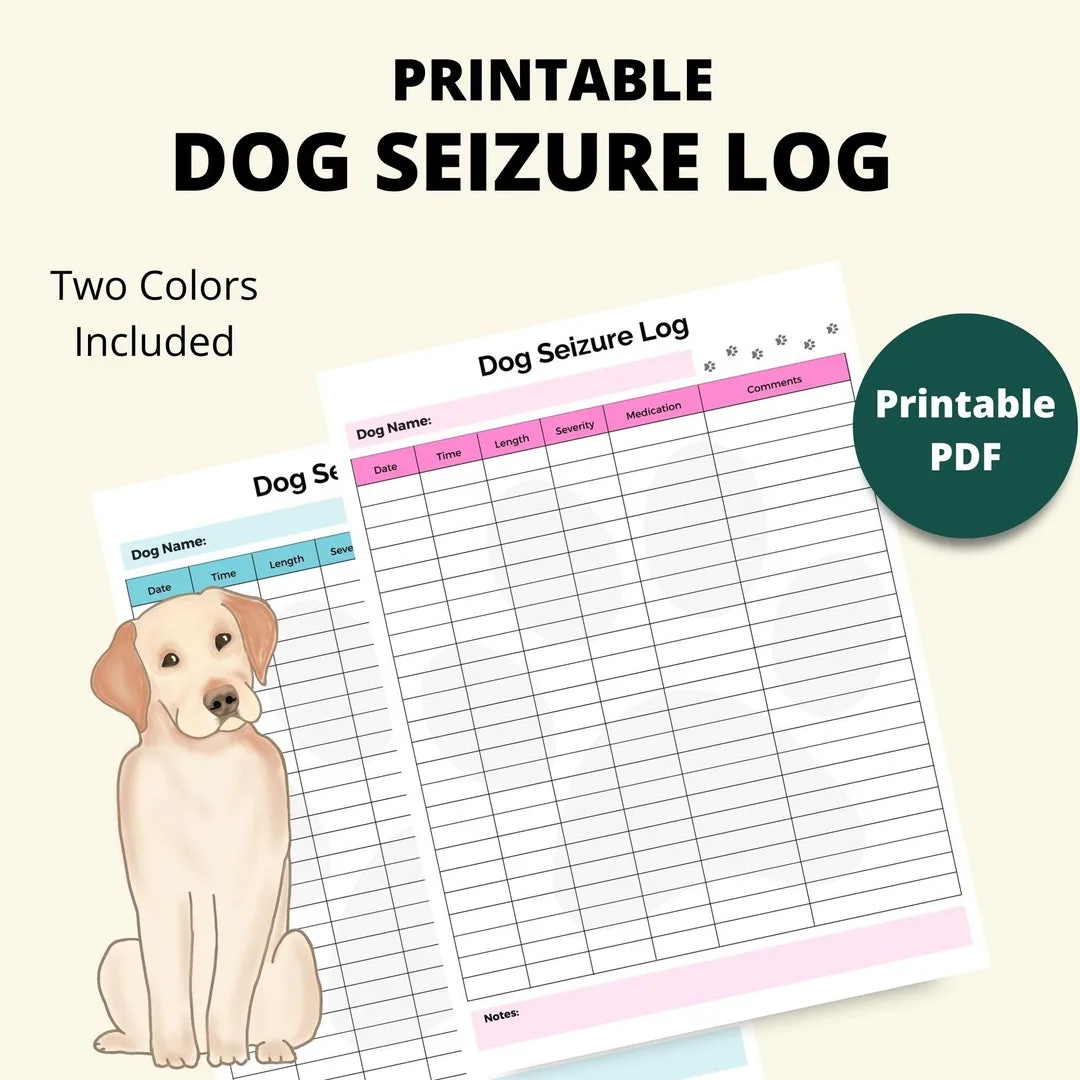
Image source: Bing (Web (fair-use with source credit))
Typical Seizure Lengths and What They Mean
Most seizures fall into three categories. Short ones last under 2 minutes. Moderate ones run 2 to 5 minutes.
Anything longer is critical.
Here’s what each range usually means:
| Duration | Likely Meaning | Action Needed |
|---|---|---|
| Under 2 minutes | Typical, often idiopathic epilepsy | Monitor, note details for vet |
| 2–5 minutes | Still concerning, may need vet check | Call vet if first time or severe |
| Over 5 minutes | Emergency, risk of status epilepticus | Go to vet immediately |
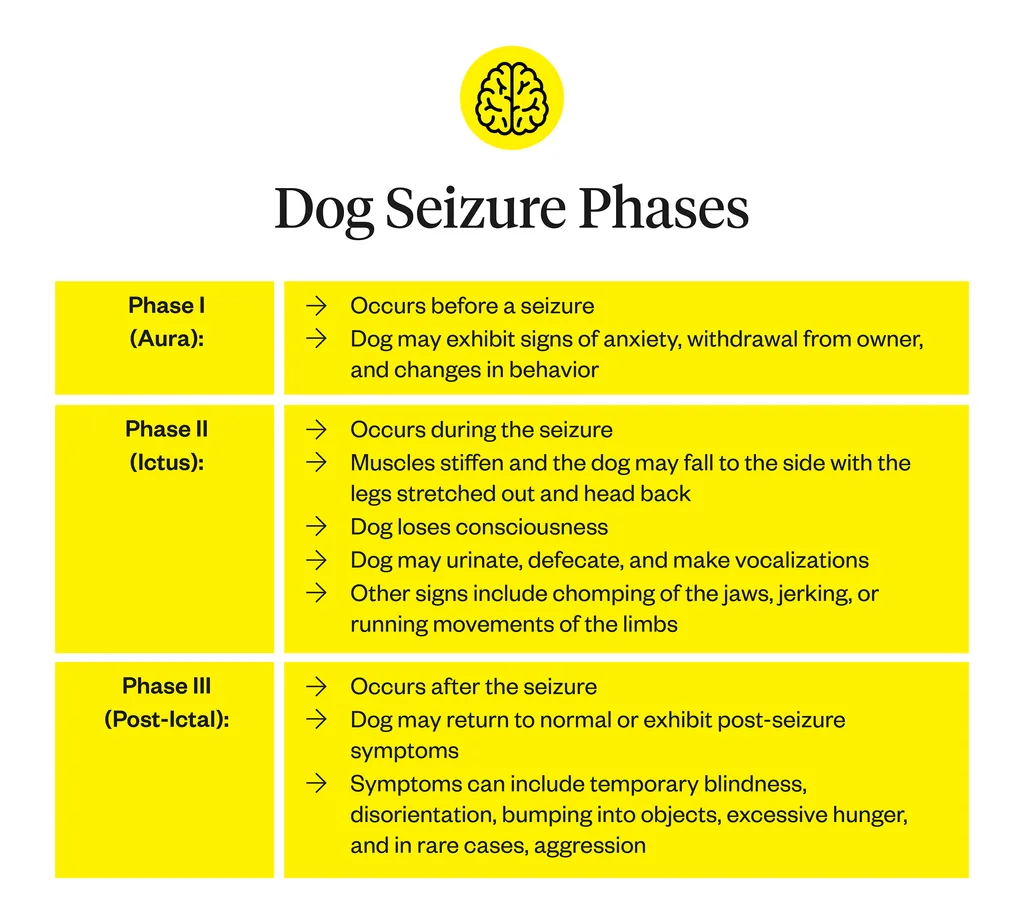
Image source: Bing (Web (fair-use with source credit))
How to Time a Seizure and What to Watch For
Start the clock the moment you notice the first twitch or collapse. Use your phone’s stopwatch or shout the time to someone nearby. Accuracy matters more than you think.
Watch for these signs during the episode:
- Loss of consciousness
- Paddling legs or stiff limbs
- Drooling, foaming at the mouth
- Involuntary urination or defecation
Note how long each phase lasts. The ictal phase (active seizure) is what you time. The post-ictal phase (recovery) can last minutes to hours.
When to Call the Vet—Emergency Red Flags
Call your vet if a seizure lasts longer than 5 minutes. This is the universal cutoff for emergency care. Status epilepticus, or continuous seizing, is always an emergency.
Other red flags include:
- Multiple seizures in a short period without full recovery
- Difficulty breathing or excessive drooling
- Seizures triggered by toxin exposure (e.g., chocolate, xylitol, or rodent poison)
If your dog has never seized before, a vet visit is still warranted. First-time seizures need evaluation to rule out serious causes.
What to Do During and After a Seizure
Stay calm and time the seizure. Move hazardous objects away from your dog. Do not try to restrain them or put your hands near their mouth.

Image source: Bing (Web (fair-use with source credit))
During the post-ictal phase, your dog may be disoriented or temporarily blind. Keep them in a quiet, safe space. Offer water once they’re fully alert.
Note the details for your vet:
- Duration of the seizure
- Symptoms observed
- Any potential triggers (e.g., stress, new food, or exposure to toxins)
Frequently Asked Questions
Can a dog die from a seizure?
Yes, prolonged seizures can be fatal. Brain damage, overheating, or respiratory failure can occur. Immediate vet care is critical for seizures lasting over 5 minutes.
Why does my dog have seizures?
Seizures can stem from epilepsy, toxins, metabolic issues, or brain tumors. Idiopathic epilepsy is the most common cause in dogs. A vet can help identify the underlying issue.
What does a dog seizure look like?
Signs include collapsing, stiffening, paddling legs, drooling, or loss of consciousness. Some dogs may vocalize or lose control of their bladder. The post-ictal phase often involves confusion or temporary blindness.
Should I give my dog medication during a seizure?
Never give medication during a seizure unless prescribed by your vet. Some dogs with chronic epilepsy may have emergency meds like rectal diazepam. Always follow your vet’s instructions.
How can I prevent my dog from having seizures?
Prevention depends on the cause. For epileptic dogs, medication can reduce frequency. Avoid known triggers like stress or flashing lights.
Keep toxins out of reach.

Similar Posts