Early Diabetes Signs in Dogs: Key Symptoms to Watch
Founder & Veterinary Clinical Advisor at Pets Health Tips · DVM (Doctor of Veterinary Medicine), Member of the American Veterinary Medical Association (AVMA) · 14+ years in companion animal clinical triage, preventative nutrition, and geriatric pet therapy
Your dog’s excessive thirst or sudden weight loss might be the first clue. Recognizing early diabetes symptoms in dogs can mean the difference between manageable care and a life-threatening crisis. As of 2026, vets diagnose diabetes in 1 in 100 to 200 dogs, with middle-aged and senior pets most at risk.
Catching it early prevents complications like blindness or ketoacidosis. Here’s what to watch for and when to act.
early diabetes symptoms in dogs
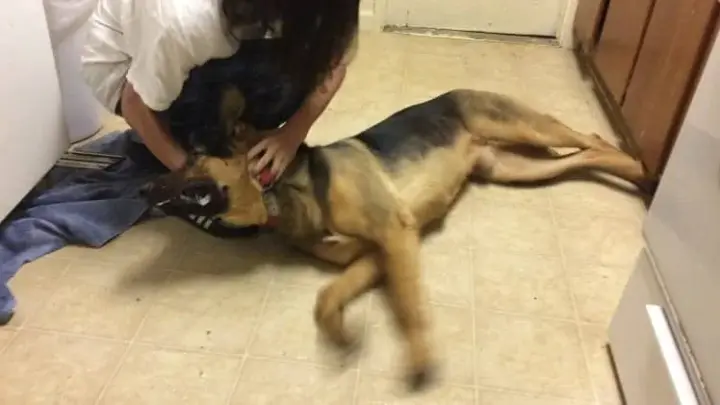
Early diabetes symptoms in dogs include increased thirst and urination. You may also notice excessive hunger with weight loss. Sweet or fruity-smelling breath signals ketones.
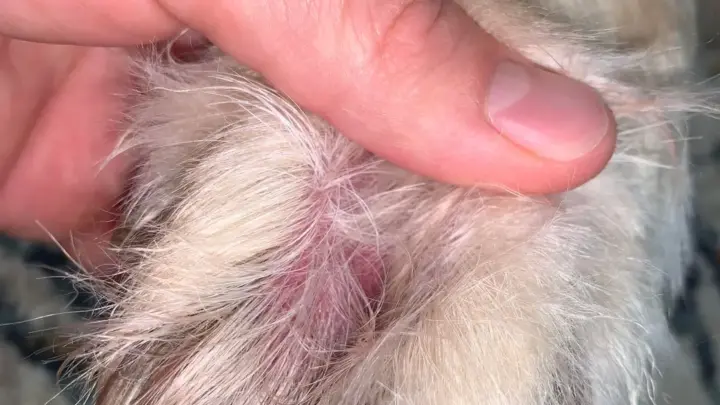
Recurrent infections or slow-healing wounds are red flags.
Why Spotting Diabetes Early Saves Your Dog’s Life
Diabetes in dogs is often missed until it becomes severe. Early detection prevents diabetic ketoacidosis (DKA), a life-threatening condition where the body breaks down fat too quickly. Without treatment, DKA can lead to coma or death within days.
Uncontrolled diabetes also damages organs over time. Cats often develop Type 2 diabetes, but dogs almost always have Type 1, meaning their pancreas stops producing insulin entirely. This makes lifelong management essential, but early intervention improves quality of life dramatically.

Image source: Bing (Web (fair-use with source credit))
The 10 Most Common Early Warning Signs
The most noticeable signs are increased thirst (polydipsia) and urination (polyuria). Your dog may drink an entire bowl of water in one sitting and ask to go outside more often. This happens because excess glucose pulls water into the urine.
Other key symptoms include:
- Increased hunger (polyphagia) with unexplained weight loss
- Lethargy or fatigue, even after rest
- Cloudy eyes, a sign of cataracts linked to diabetes
- Recurrent infections, like urinary tract or skin infections
- Slow wound healing due to poor circulation
- Sweet or fruity-smelling breath from ketones
- Vomiting or nausea, especially if blood sugar is very high
- Weakness in the hind legs from diabetic neuropathy
If you notice two or more of these, schedule a vet visit. The sooner diabetes is confirmed, the easier it is to manage.

Image source: Bing (Web (fair-use with source credit))
How Diabetes Develops in Dogs (And Why Some Breeds Are at Higher Risk)
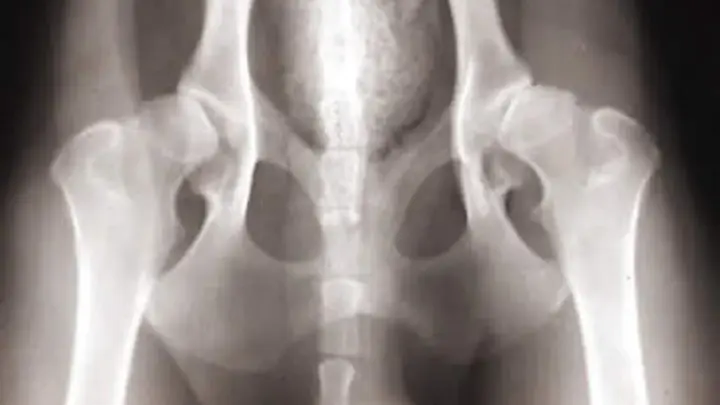
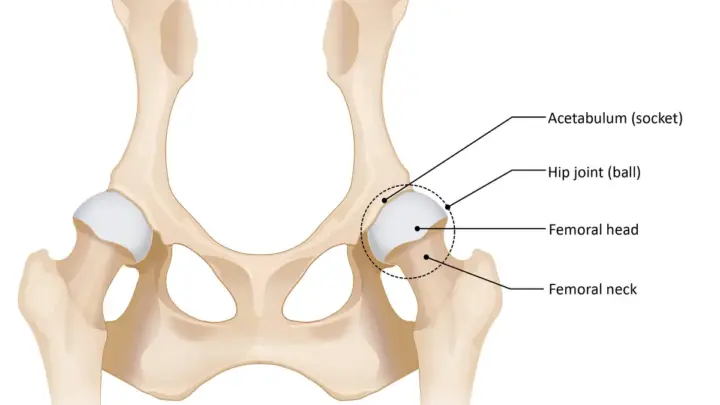
Diabetes in dogs usually starts with insulin deficiency. The pancreas either doesn’t produce enough insulin (Type 1) or the body can’t use it properly (Type 2). Without insulin, glucose builds up in the blood instead of fueling cells, leading to hyperglycemia.
Certain breeds are genetically predisposed. Australian Terriers, Beagles, Poodles, Dachshunds, and Schnauzers have higher rates. Obesity, poor diet, and lack of exercise also increase risk, especially in middle-aged to senior dogs (4, 14 years).
Females are diagnosed more often than males.
Age and lifestyle play a role too. Overweight dogs are more likely to develop insulin resistance. Chronic pancreatitis can damage the pancreas, reducing insulin production.
Steroids or other medications may also trigger diabetes in susceptible dogs.
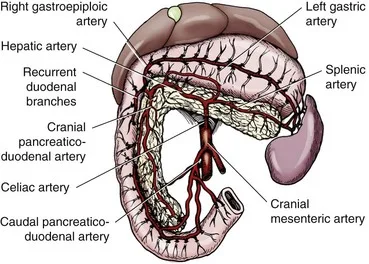
Image source: Bing (Web (fair-use with source credit))
When to See a Vet—And What Tests to Expect
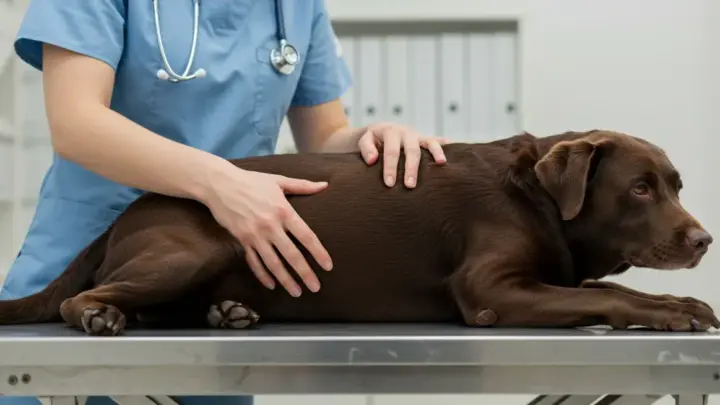
See a vet if your dog shows two or more symptoms for more than a week. Early testing can confirm diabetes before it causes serious harm. The vet will start with a physical exam and blood work.
Key diagnostic tests include:
- Fasting blood glucose test: Levels above 200 mg/dL suggest diabetes.
- Urinalysis: Glucose or ketones in urine are red flags.
- Fructosamine test: Measures average blood sugar over 2, 3 weeks.
- HbA1c test: Less common in dogs but may be used for long-term monitoring.
Your vet may also run a chemistry panel and CBC to rule out other conditions like kidney disease or Cushing’s, which share similar symptoms. According to the American Veterinary Medical Association, early diagnosis improves treatment success rates significantly.
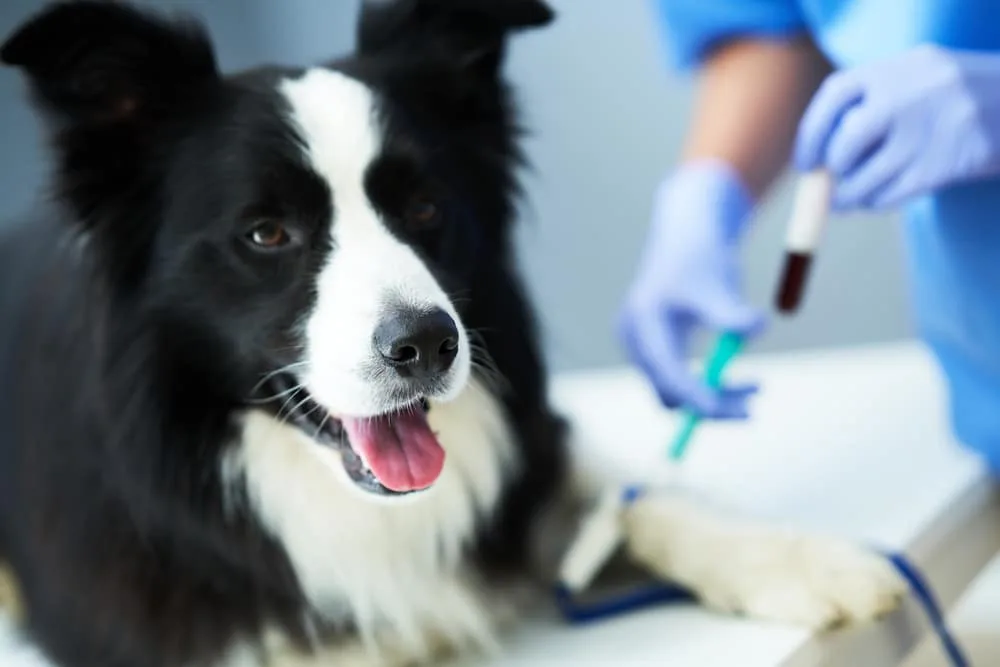
Image source: Bing (Web (fair-use with source credit))
Managing Diabetes: First Steps After Diagnosis
A diabetes diagnosis means lifestyle changes for your dog. The first step is stabilizing blood sugar with insulin therapy. Most dogs need daily injections, typically after meals.
Your vet will prescribe a specific insulin type, like Vetsulin or Humulin N. You’ll learn to administer shots at home, which is easier than it sounds. A consistent routine for feeding, medication, and exercise helps regulate glucose levels.
Diet changes are just as critical. High-fiber, low-fat prescription foods slow glucose absorption. Avoid table scraps and high-carb treats.
Weight management is key, especially for overweight dogs.
Mistakes That Make Diabetes Worse (And How to Avoid Them)
Skipping insulin doses is the most common mistake. Even one missed shot can cause blood sugar spikes. Set phone reminders or use a medication tracker to stay on schedule.
Overfeeding or inconsistent meal times also disrupt glucose control. Stick to the vet-recommended portion sizes and feeding schedule. Free-feeding dry kibble is not an option for diabetic dogs.
Ignoring symptoms of hypoglycemia is dangerous. Low blood sugar can cause weakness, seizures, or collapse. If your dog acts wobbly or lethargic after an insulin shot, offer a small amount of honey or corn syrup and contact your vet.
Frequently Asked Questions
Can diabetes in dogs be cured?
Diabetes in dogs cannot be cured, but it can be managed effectively. With proper insulin therapy, diet, and exercise, many dogs live happy, active lives for years after diagnosis.
How long can a dog live with diabetes?
With consistent treatment, diabetic dogs often live 2, 3 years or more post-diagnosis. Lifespan depends on early detection, adherence to treatment, and overall health.
What’s the best diet for a diabetic dog?
The best diet is high in fiber and low in fat, with moderate protein. Prescription diabetic dog foods like Hill’s m/d or Royal Canin Diabetic are formulated to help regulate blood sugar.
Why does my diabetic dog drink so much water?
Excessive thirst (polydipsia) occurs because high blood sugar pulls water from tissues into the bloodstream. The body tries to flush out the excess glucose through urine, leading to increased water intake.
Can I test my dog’s blood sugar at home?
Yes, you can use a portable glucose meter designed for pets. Your vet can show you how to safely obtain a blood sample from your dog’s ear or paw pad. Regular monitoring helps adjust insulin doses as needed.

Similar Posts