First Seizure in Older Dogs: What to Do
Founder & Veterinary Clinical Advisor at Pets Health Tips · DVM (Doctor of Veterinary Medicine), Member of the American Veterinary Medical Association (AVMA) · 14+ years in companion animal clinical triage, preventative nutrition, and geriatric pet therapy
A first seizure in an older dog is always alarming, and for good reason. Unlike younger dogs where idiopathic epilepsy is more common, a first seizure in a senior dog often signals an underlying issue that needs prompt attention.
Per veterinary neurology standards, any seizure lasting over five minutes or occurring in clusters is an emergency. Even a single, brief episode in an older dog warrants a vet visit within 24 hours.
first seizure in an older dog
A first seizure in an older dog is a medical red flag. It often points to an underlying issue like a brain tumor, toxin exposure, or metabolic disease. Senior dogs rarely develop idiopathic epilepsy.
Immediate vet evaluation is critical to rule out life-threatening causes.
Why a First Seizure in an Older Dog Is a Red Flag
In younger dogs, seizures are often due to idiopathic epilepsy, a genetic condition with no identifiable cause. But in dogs over seven years old, the odds shift dramatically. Research from the American College of Veterinary Internal Medicine shows that over 60% of first-time seizures in senior dogs stem from secondary causes.
These include brain tumors, liver or kidney disease, toxins, or metabolic imbalances. Unlike younger dogs, where "wait and see" might be an option, older dogs need urgent diagnostics. The risk of a serious underlying condition is simply too high to ignore.

Image source: Bing (Web (fair-use with source credit))
How to Tell If It’s Really a Seizure (and Not Something Else)
Not every collapse or twitch is a seizure. True seizures, or ictal events, involve abnormal electrical activity in the brain. They typically follow three phases: pre-ictal (aura), ictal (the seizure itself), and post-ictal (recovery).
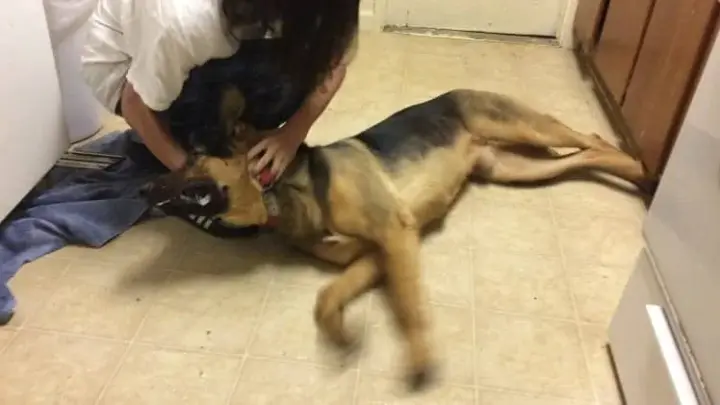
During the ictal phase, you might see convulsions, loss of consciousness, paddling limbs, or stiffening. The post-ictal phase often includes disorientation, temporary blindness, or excessive thirst. If your dog collapses but recovers instantly with no after-effects, it’s more likely syncope (fainting) or a vestibular episode.
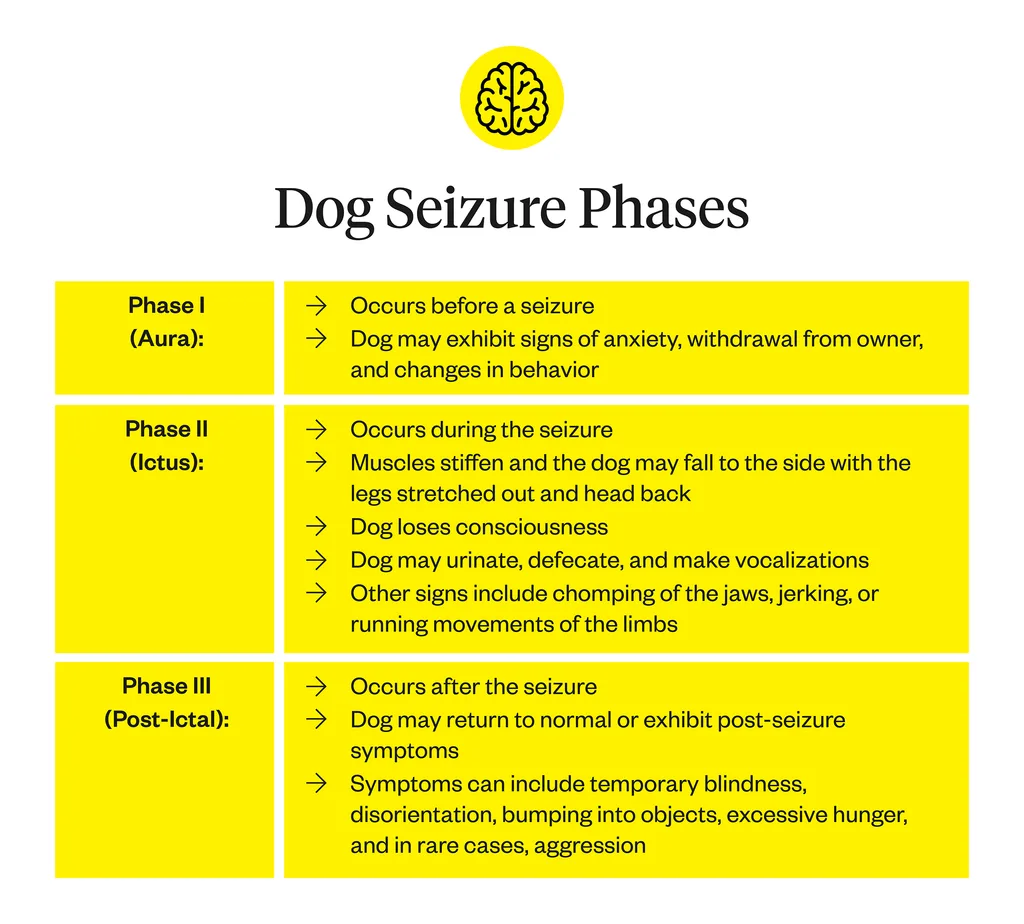
Image source: Bing (Web (fair-use with source credit))
Immediate Steps: What to Do During and After the Seizure
Stay calm and time the seizure. If it lasts more than five minutes, or if your dog has multiple seizures in a row without fully recovering, it’s a veterinary emergency. Do not try to restrain your dog or put your hands near their mouth, they won’t swallow their tongue, but they might bite accidentally.
Clear the area of hazards like furniture or stairs to prevent injury. After the seizure, keep your dog in a quiet, dimly lit space and offer water once they’re fully conscious. Note the duration, symptoms, and any possible triggers (e.g., recent diet changes, exposure to toxins) to share with your vet.
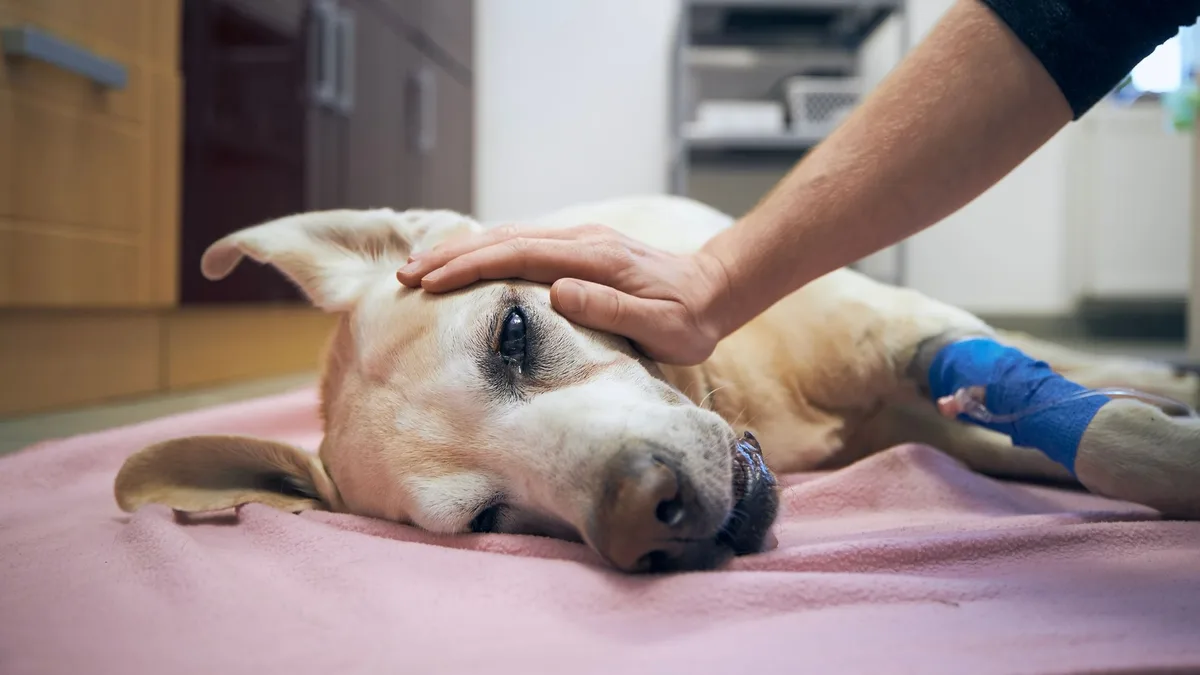
Image source: Bing (Web (fair-use with source credit))
When to Rush to the Vet (and When to Monitor)
Rush to the vet immediately if the seizure lasts over five minutes, if your dog has multiple seizures in a short period, or if they don’t return to normal between episodes. These are signs of status epilepticus, a life-threatening condition.
If the seizure is brief (under two minutes) and your dog recovers fully, you still need to see a vet within 24 hours. Older dogs with first-time seizures should never be left unchecked. As of 2026, guidelines from the American Veterinary Medical Association emphasize that senior dogs with new-onset seizures require prompt diagnostic workups to rule out serious underlying causes.
Possible Causes in Senior Dogs—and How Vets Diagnose Them
The most common causes of first-time seizures in older dogs are brain tumors, metabolic disorders, and toxin exposure. Brain tumors are particularly prevalent in senior dogs, with breeds like Boxers, Golden Retrievers, and Labrador Retrievers at higher risk. Metabolic issues such as liver disease, kidney failure, or hypoglycemia can also trigger seizures.
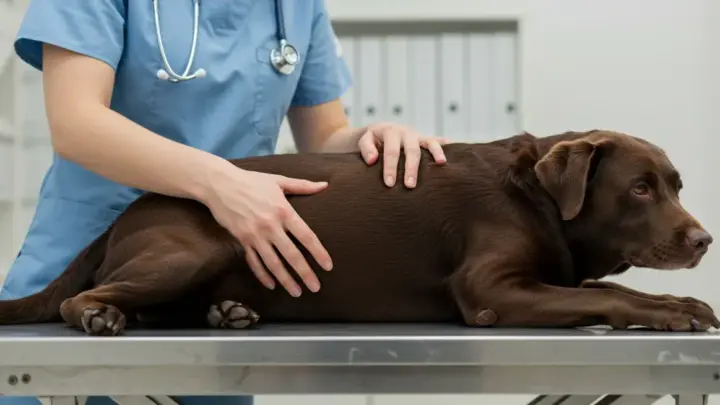
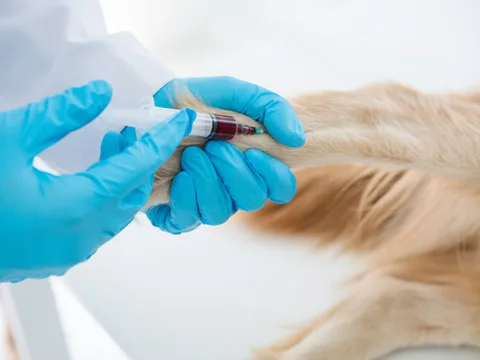
Vets typically start with bloodwork to check for metabolic imbalances. If those tests are normal, imaging like an MRI or CT scan may be recommended to look for brain abnormalities. Cerebrospinal fluid analysis can help rule out inflammatory or infectious causes.
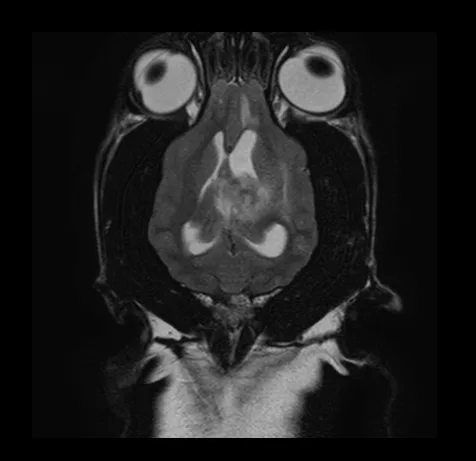
Image source: Bing (Web (fair-use with source credit))
Long-Term Management: Medications, Lifestyle, and Monitoring
If your dog has recurrent seizures, your vet may prescribe anti-seizure medications like phenobarbital, potassium bromide, or levetiracetam. Phenobarbital is often the first choice due to its affordability, but it requires regular blood tests to monitor liver function. Levetiracetam is newer and has fewer side effects but can be more expensive.
Lifestyle adjustments can also help. Keep a seizure diary to track frequency, duration, and possible triggers. Avoid known toxins like xylitol, chocolate, and certain human medications.
Regular exercise and a consistent routine can reduce stress, which may help manage seizure activity.
Frequently Asked Questions
Is a first seizure in an older dog always an emergency?
Not always, but it should never be ignored. A single, brief seizure may not require emergency care, but your dog should see a vet within 24 hours. If the seizure lasts over five minutes or recurs, it’s an emergency.
What are the signs of a brain tumor in dogs?
Common signs include seizures, behavioral changes, loss of coordination, and head pressing. An MRI or CT scan is the only way to confirm a brain tumor. Early diagnosis can improve treatment options and quality of life.
Can diet help manage seizures in dogs?
Some dogs benefit from a ketogenic diet, which may help reduce seizure frequency. However, always consult your vet before making dietary changes. Never replace prescribed medication with diet alone.

Similar Posts